

In the modern era of high-speed computing and advanced digital workflows, we often obsess over software optimization, mechanical keyboards, and multi-monitor setups. Yet, we frequently neglect the "analog" layer of our digital lives: the physical desk. For many professionals—IT specialists, writers, and makers alike—the workstation is a battlefield of hardware, cables, and loose tools. Recently, I discovered that the secret to a more efficient workflow wasn’t an expensive software suite or a hardware upgrade; it was a simple, 3D-printed tool organizer.
What began as a casual attempt to declutter my workspace evolved into a profound lesson in ergonomics, cognitive load, and the power of bespoke engineering. By redesigning how I interact with my physical tools, I didn’t just clean my desk; I fundamentally altered how I work.
The Friction of the Invisible Clutter: A Chronology of Discovery
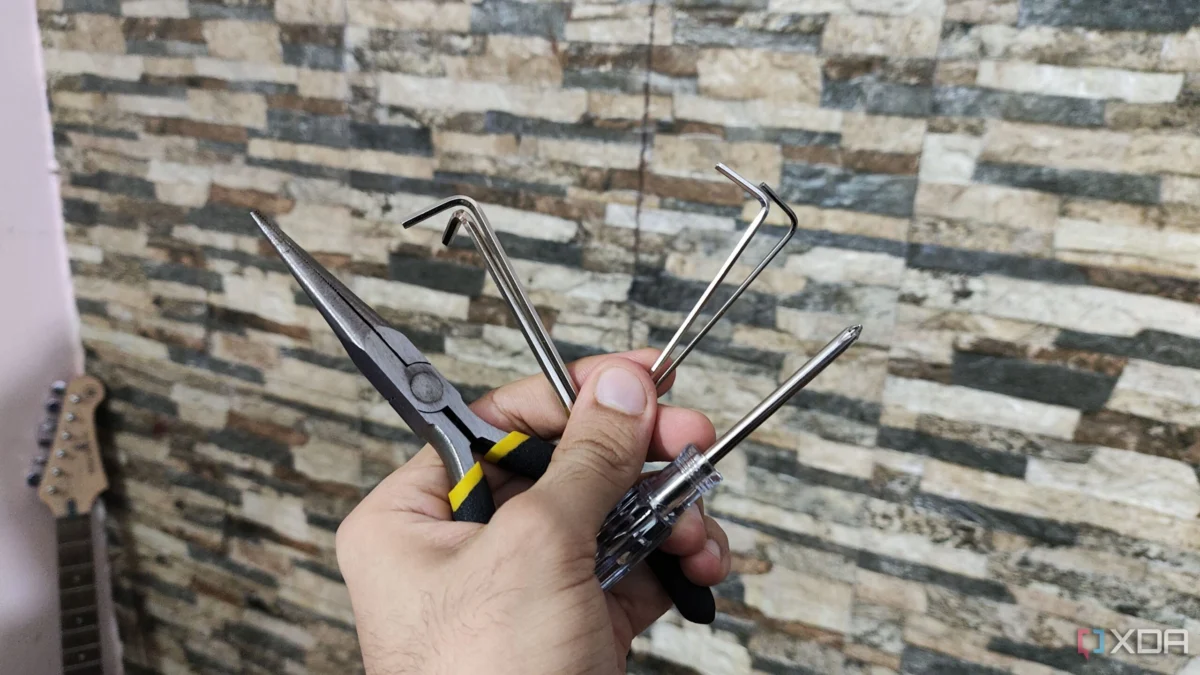
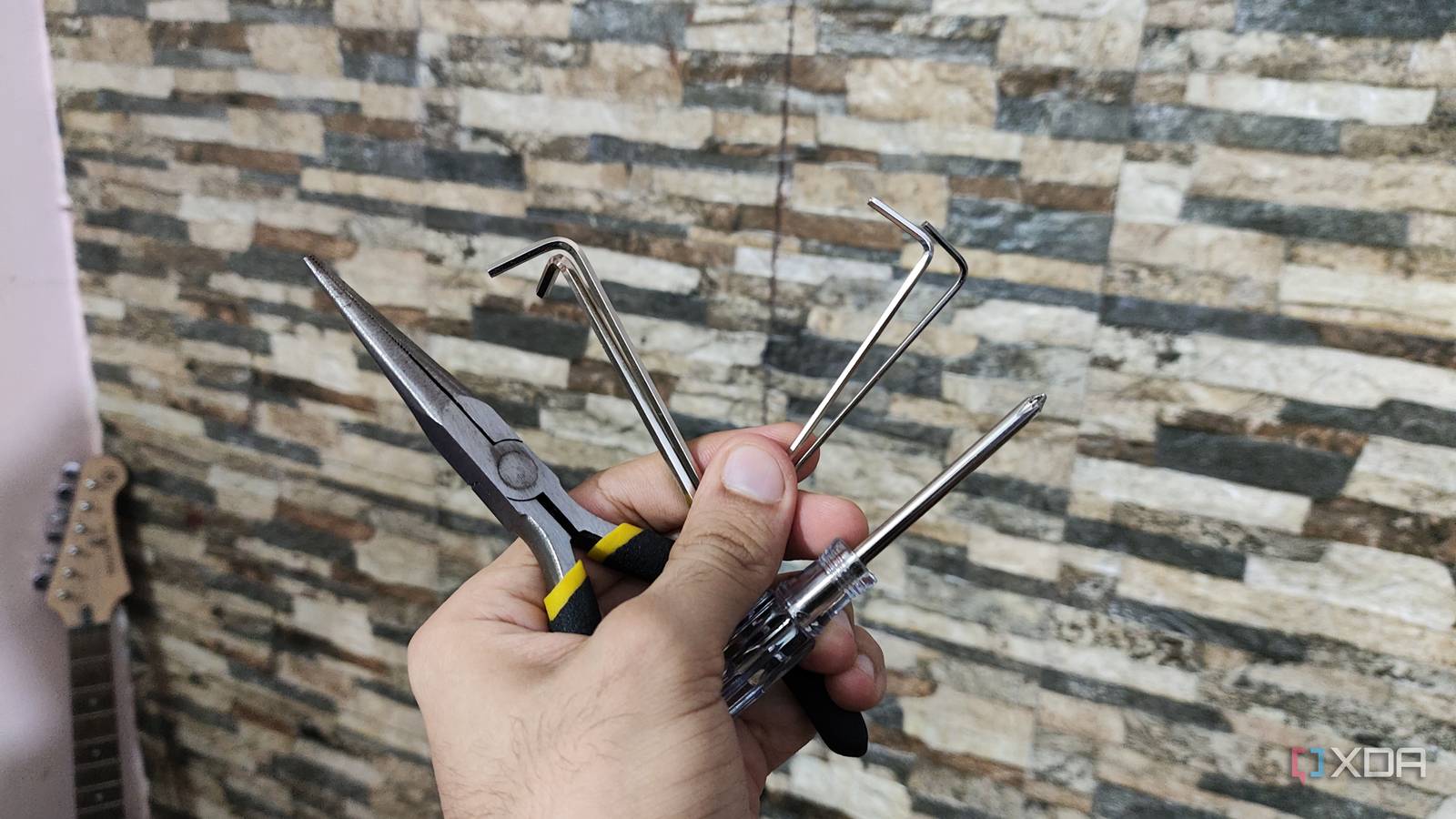
For years, I operated in a state of "low-grade friction." My desk was home to an eclectic collection of items essential to my profession: precision calipers, hex keys for 3D printer maintenance, flush cutters, tweezers, and a rotating cast of tiny electronic components. These items weren’t exactly "messy" in the traditional sense, but they lacked a "home."
The Phase of Neglect
In the early months of this year, I accepted the clutter as an inevitable tax on my productivity. I spent seconds—mere fractions of time—looking for a specific tool, moving a stack of papers to find a screwdriver, or clearing a path to place my calipers. While each instance lasted only a few seconds, the cumulative effect was corrosive. These micro-interruptions broke my flow state, forcing me to shift focus from the task at hand to the physical environment.
The Realization
The turning point came in April 2026. I realized that my desk wasn’t serving my work; I was serving the desk’s layout. I began documenting the frequency of my tool usage. I noticed that I was reaching for my flush cutters and hex keys several times an hour during 3D printing troubleshooting sessions. By the second week of May, I committed to a "Systematized Workspace Initiative." I stopped viewing my tools as stray objects and began viewing them as nodes in an assembly line.
The Prototyping Process
I moved into the design phase using CAD software. I resisted the urge to create a massive, multi-tiered "command center." Instead, I opted for a modular, low-profile organizer. The first prototype was functional but flawed; the slots were too shallow for my tweezers, and the footprint encroached on my keyboard space. By the third iteration, I had developed a design that accounted for both the physical dimensions of my tools and the specific reach of my arm while seated.

The Science of Spatial Efficiency: Supporting Data
To understand why this small change mattered, we must look at the cognitive science of the workspace. According to organizational psychology, "visual noise" consumes cognitive bandwidth. Every item on your desk that is not currently in use acts as a signal to the brain, which must subconsciously categorize and filter that item.
The Cost of Task Switching
Studies in workplace efficiency suggest that it takes, on average, 23 minutes to return to a deep state of focus after a distraction. While a misplaced screwdriver isn’t as disruptive as an email notification, it represents a "context shift." By centralizing my tools into a custom-printed organizer, I reduced the physical search time to near-zero.
Material and Design Metrics
Using my Bambu Lab X2D—a printer capable of extreme precision—I was able to print the final version of the organizer with a tight tolerance that allowed tools to slide in and out with satisfying friction.
- Print Time: 4 hours, 12 minutes.
- Material: PLA (Polylactic Acid) with 15% infill.
- Design Philosophy: "Form follows frequency." The most used tools were placed in the forward-most positions, accessible via muscle memory rather than visual search.
Implications for the Modern Maker
The success of this project suggests a wider shift in how we approach professional workspaces. The rise of desktop-class 3D printing, exemplified by machines like the Bambu Lab X2D, has democratized the ability to create bespoke environments.
The "Death" of Generic Organization
The industry standard for desk organization has long been the "generic tray"—mass-produced plastic bins that assume every user has the same needs. However, the modern professional, who may be a software engineer, a 3D designer, and a writer all at once, requires a hybrid solution. Custom printing allows us to reject the "one-size-fits-all" model.
The Psychological Benefit of "Place"
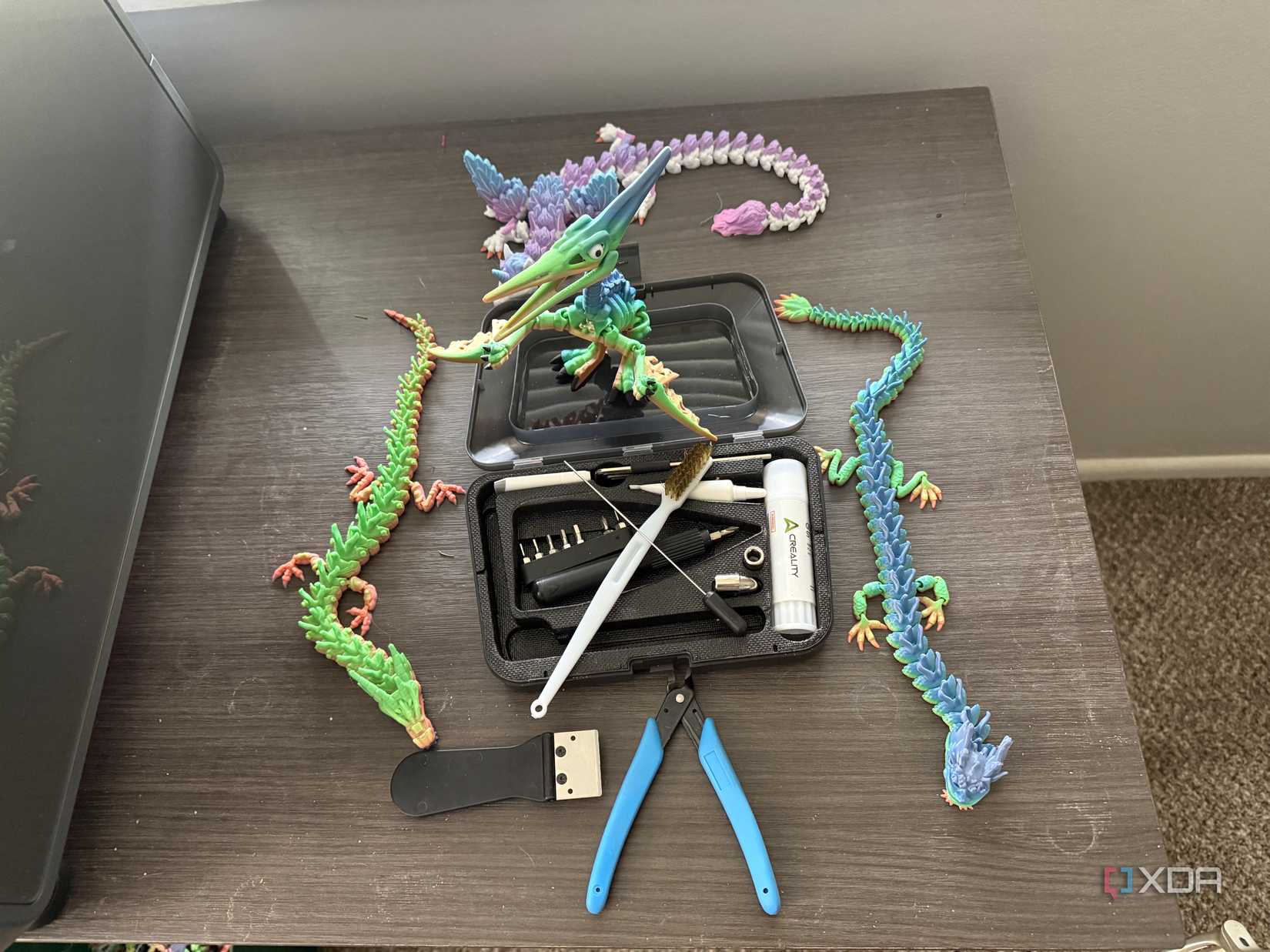
Beyond pure efficiency, there is a psychological benefit to having a dedicated "home" for every tool. In the field of Lean Manufacturing, this is known as the 5S methodology (Sort, Set in order, Shine, Standardize, Sustain). By implementing even a simplified version of this, I found that my anxiety regarding project deadlines decreased. When the desk is organized, the mind feels more prepared to tackle the complexities of the digital work ahead.
Avoiding the "Over-Engineering" Trap
While the benefits are clear, there is a warning to be heeded: the trap of "productivity theater." It is easy to fall into the habit of spending more time optimizing the organizer than actually doing the work.
The Danger of Perfectionism
I witnessed many peers in the maker community spend weeks designing complex, interlocking storage systems that ultimately provided no marginal gain over a simple tray. My own rule of thumb became: If the design phase takes longer than the time saved in a month of work, it is a hobby, not an optimization.
The Value of Iteration
The most effective tool I created was not the "perfect" one, but the "fastest" one. By treating the organizer as a "living document"—something that could be printed, tested, and discarded if it didn’t work—I avoided the sunk-cost fallacy. If a slot was slightly off-center, I simply adjusted the CAD file and printed a revision. This iterative process is the true superpower of 3D printing.
The Future of the Workspace: A Final Assessment
The X2D and similar high-end machines are moving beyond the realm of "trinket printing" and into the realm of professional infrastructure. When we look at the specifications of the Bambu Lab X2D—its 1000 mm/s print speed, its massive list of compatible materials ranging from standard PLA to high-strength carbon fiber composites—we see a machine that is designed for industrial-grade utility.
Conclusion: The Quiet Revolution
My desk is, by all external accounts, still just a desk. It holds a monitor, a keyboard, and a mouse. But the addition of a custom-printed, 3D-modeled organizer has transformed it into a high-performance cockpit. By removing the physical friction from my daily routine, I have reclaimed time that was previously lost to searching, clutter, and distraction.
We often look for the next "big" upgrade—a faster GPU, a higher-resolution monitor, a more expensive chair. But often, the biggest bottleneck in our productivity isn’t digital at all. It’s the physical, tangible space where our work meets the world. Sometimes, the most advanced technology you can use to improve your workflow is a simple, well-designed piece of plastic that knows exactly where your tweezers are supposed to go.
If you are struggling with a cluttered workspace, I encourage you to look at your most common manual tasks. Identify the tools you reach for without thinking, and give them a home that is as unique as your workflow. You might find that by organizing your desk, you finally clear the space to organize your mind.












No comments yet. Be the first to join the conversation!