

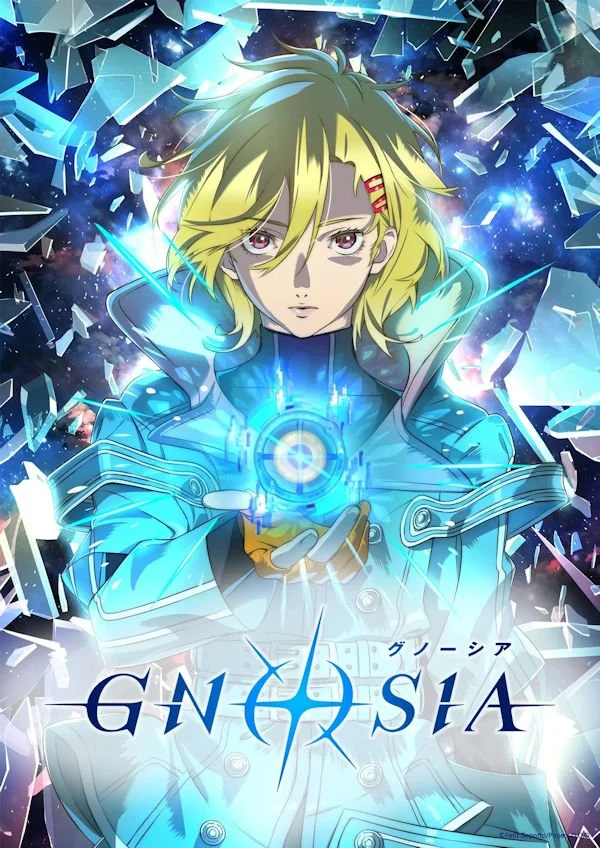
My quarterly anime watchlist is usually a chaotic, overflowing document. Between the return of long-standing mainstays and the deluge of new seasonal premieres, curation becomes a Herculean task of self-restraint. Last autumn, however, a particular title slipped through the cracks of my radar. Despite constant, glowing endorsements from my cohort of fellow anime enthusiasts, it remained untouched until the winter doldrums provided a much-needed opening.
I sat down to watch the first episode, and within forty-eight hours, I had finished the entire series. Gnosia is not just a show; it is an exercise in psychological tension that demands to be binged.
The Problem with Adaptations: Breaking the Gaming Mold
The landscape of modern anime is dominated by manga adaptations. Original, non-adapted stories are the rare outliers, and game-to-anime adaptations—a category I typically approach with extreme prejudice—are often the weakest links in the chain. Historically, video game adaptations have struggled to find their footing; they are frequently glutted with hollow battle sequences, stagnant, repetitive plotlines, and archetypal characters that lack the depth required for sustained narrative engagement.
Gnosia, based on the 2019 cult-classic visual novel, proves to be the definitive exception to this rule. It manages to translate the mechanical complexity of a social-deduction game into a high-stakes, character-driven sci-fi thriller that feels entirely at home in the medium of animation.
Chronology of a Crisis: The Setup
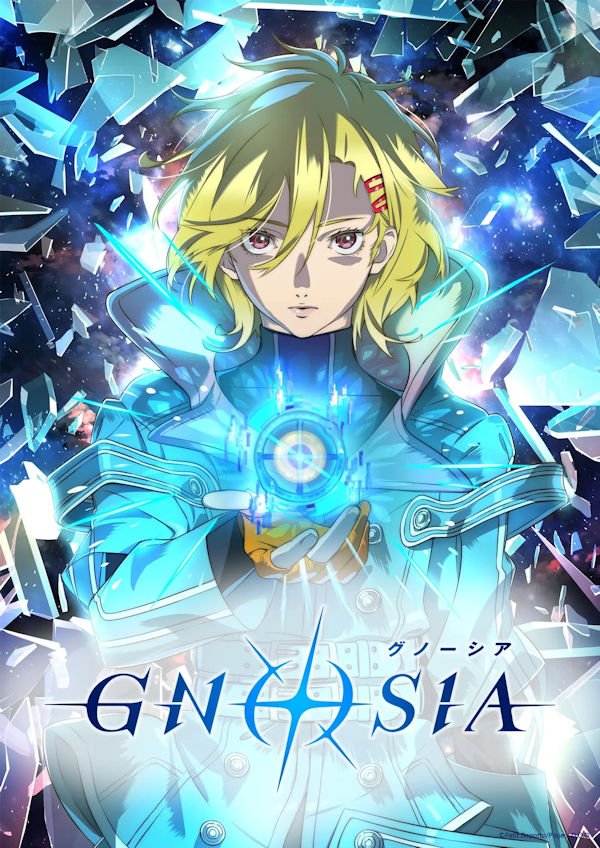
The story begins with our protagonist, Yuri, a nonbinary survivor awakening from a medical pod with a disorienting case of amnesia. Having just escaped a planet ravaged by a mysterious, murderous entity, Yuri finds themself aboard an aging, derelict spacecraft. The ship’s onboard AI, LeVi, delivers the grim news: the crew has been infiltrated.
The enemy is the "Gnosia"—a biological threat that infects humans, turning them into violent, cold-blooded imposters. The ship is under quarantine; they cannot dock at any space station or planet without risking a wider outbreak. The crew is forced into a series of debates and "tribunals" to identify the Gnosia and place them into cold storage. The stakes are absolute: if the number of infected equals the number of humans, the Gnosia win, and the AI initiates a ship-wide self-destruct sequence.
The narrative rhythm is built on the foundation of the "time loop." Yuri is caught in an agonizing cycle, waking up in the same medical pod, over and over, as the universe shifts. In each loop, the identities of the infected change, the social dynamics shift, and the stakes reset. Yuri carries the knowledge of past failures into the next iteration, turning the audience into a partner in an increasingly complex game of logic and survival.
Supporting Data: Character Dynamics and Inclusive Worldbuilding
What elevates Gnosia beyond a standard "whodunnit" is its cast. The show begins with five refugees and gradually expands to a roster of fifteen, each with distinct personalities, secrets, and gameplay-inspired roles.
A Diverse Ensemble
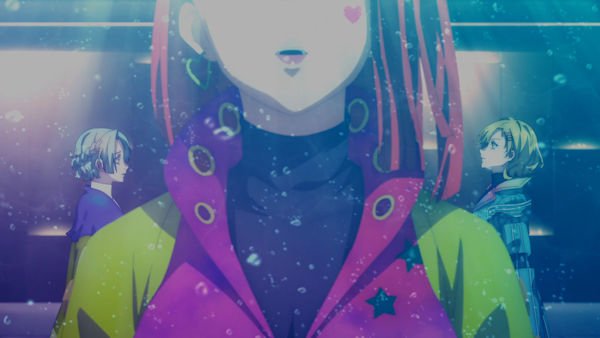
The inclusivity within Gnosia is both refreshing and integral to its world-building. From the first episode, the cast challenges traditional anime gender dynamics. Three of the initial five characters are nonbinary, and the show handles these identities with an effortless normalcy that grounds the futuristic setting.
Key Personnel
- Setsu: The military officer and Yuri’s emotional anchor. The tragedy of seeing a trusted ally unmasked as an infected Gnosia is one of the show’s most gut-wrenching beats.
- Racio: A brilliant but abrasive "tsundere" whose constant social friction makes them a frequent target for cold storage.
- Jina: A soft-spoken air traffic controller whose calm demeanor masks deeper secrets.
- SQ: A hyper-energetic, flirtatious crew member whose bubbly exterior often hides a calculated, manipulative interior.
- Otome & Kukrushka: A talking Beluga whale and a mute, enigmatic doll, respectively. These non-human characters add a layer of surrealism and unique perspective to the social deduction, proving that the threat of the Gnosia knows no biological bounds.
Official Narrative Mechanics: The Logic of the Loop
For those wary of the "time loop" trope, Gnosia offers a masterclass in execution. The show utilizes the mechanics of the source material—the visual novel’s "roles"—to maintain momentum. Whether a character is acting as the Engineer, the Doctor, or the Guardian Angel, these roles dictate the flow of the investigation and the power dynamics of the crew.
The horror is not just found in the violence of the Gnosia, but in the existential dread of the cycle. Watching Yuri attempt to trust a character who was an ally in one timeline, only to find them the architect of destruction in the next, creates a palpable sense of paranoia. The audience is forced to weigh the cold, hard logic of the game against the emotional, often messy, bonds of the characters.
Implications for the Genre
While the series is undeniably polished, it is not without minor imperfections. At twenty-one episodes, there is a lingering feeling that the show could have benefited from a full twenty-four-episode run. Some characters, particularly a primary antagonist introduced in the latter half, feel like ciphers—terrifying in their presence but requiring more screen time to fully flesh out their motivations. Additionally, the show’s internal logic occasionally teeters on the edge of frustration; for instance, the question of why the Gnosia are restricted to one "kill" per night during hyperspace travel is never fully addressed beyond the necessity of the game’s pacing.
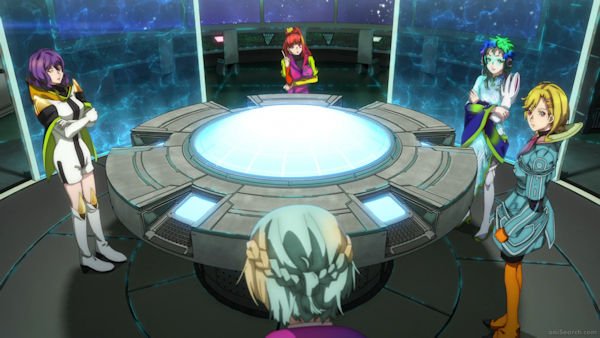
However, these are minor grievances in an otherwise stellar production. The visual presentation is lush, featuring a distinct, vibrant art style that makes the ship feel like a living, breathing environment. The musical score, characterized by a punchy opening theme and an underlying, haunting atmosphere, perfectly complements the feeling of being trapped in the vast, indifferent void of space.
Final Verdict: A Must-Watch for Sci-Fi Aficionados
Gnosia succeeds where many genre-hybrids fail because it respects its audience. It does not treat the viewer as a passive consumer of tropes; it asks them to participate in the deduction, to feel the weight of every cold-storage vote, and to empathize with the isolation of a hero living through a thousand lifetimes of suspicion.
If you are a fan of cerebral sci-fi, horror, or the cyberpunk aesthetic, Gnosia is an essential addition to your list. It is a rare example of a game-to-anime adaptation that finds its own unique voice, proving that even within a repetitive time loop, there is always room for profound, devastating, and deeply human storytelling. Yuri’s journey is not just about finishing the final loop—it is about the integrity of the truth in a world where everyone is a potential enemy. Investing your time in this series is a gamble that pays off in spades.











No comments yet. Be the first to join the conversation!