

Introduction: A Masterpiece Reimagined
Hayao Miyazaki’s 1997 magnum opus, Princess Mononoke, remains a cornerstone of global animation. Its sweeping narrative, which balances environmental morality with the brutal realities of feudal conflict, has long been regarded as an untouchable work of art. However, this summer, the impossible is becoming reality. In a bold fusion of contemporary cinematic history and centuries-old Japanese tradition, Princess Mononoke will make its grand debut on the kabuki stage in Tokyo.
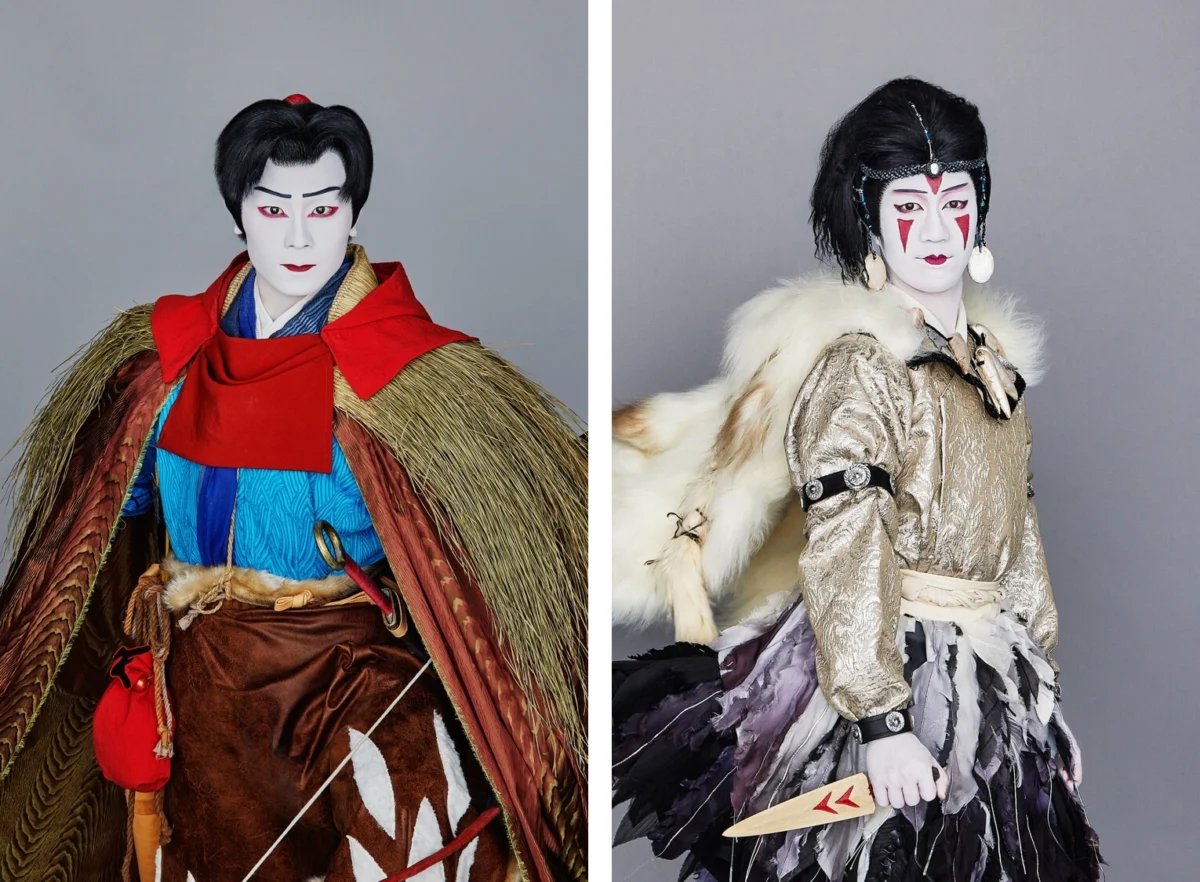
As the production date approaches, the theater world is buzzing with anticipation. The creative team has finally unveiled the first look at the main cast in full costume, offering a glimpse into how the ethereal, forest-dwelling aesthetic of Studio Ghibli will translate into the stylized, high-impact world of kabuki.
Main Facts: The Production Details
The adaptation is slated to run from July 3 to August 23 at the historic Shinbashi Enbujo Theater in Tokyo. This venue, renowned for hosting prestigious traditional performances, provides the perfect backdrop for a play that seeks to bridge the gap between Miyazaki’s lush, hand-drawn fantasy and the rigid, ornate discipline of classical Japanese theater.
The cast features a blend of traditional expertise and fresh interpretation:
![Live-action Princess Mononoke stage cast appears in costume for first time[Video]](https://soranews24.com/wp-content/uploads/sites/3/2026/05/mk-0.jpg?w=1200&h=630&crop=1)
- Ashitaka: Portrayed by Dango Ichikawa, who brings a stoic intensity to the cursed prince.
- San (Princess Mononoke): Portrayed by Kazutaro Nakamura, capturing the wild, enigmatic spirit of the forest protector.
- Lady Eboshi: Portrayed by Manju Nakamura, embodying the complex leadership of Iron Town.
Tickets for the general public are scheduled to go on sale on May 25, though select early-access reservations have already begun, signaling high demand for what is arguably the most anticipated theatrical event of the 2026 summer season.
A Chronological Journey: Bringing the Forest to the Stage
The road to this production was not paved overnight. For years, the idea of adapting a Studio Ghibli property into kabuki was considered a daunting, if not impossible, task. The project represents a significant departure from standard theatrical conventions, requiring a meticulous translation of visual language.
Phase 1: Conceptualization and Rights Acquisition
Following the success of previous anime-to-kabuki crossovers—such as Nausicaä of the Valley of the Wind—producers began eyeing the Princess Mononoke archives. The challenge lay not just in the rights, but in the thematic weight of the source material. Unlike lighter tales, Mononoke requires a production scale capable of depicting massive animal gods and the industrial grit of the Iron Town.
Phase 2: Casting and Design
Once the green light was given, the focus shifted to casting. Producers looked for actors who could maintain the "kabuki-style" vocal projection while honoring the quiet intensity of Miyazaki’s characters. The costume design phase followed, where creators had to balance the gritty, mud-splattered aesthetic of the film with the necessary "ornate flair" required for kabuki, which must be visually legible from the back of a large auditorium.
![Live-action Princess Mononoke stage cast appears in costume for first time[Video]](https://soranews24.com/wp-content/uploads/sites/3/2026/05/mk-1.jpg?w=640)
Phase 3: The Video Teaser and Public Reveal
In May 2026, the official production team released a teaser video that served as a proof-of-concept for fans. The footage features Dango Ichikawa in character, drawing a bow with the precise, rhythmic movements characteristic of kabuki dance. This was the moment the public saw the "feathery" embellishments on San’s costume—a deliberate aesthetic choice to heighten the character’s supernatural, bird-like presence.
Supporting Data: The Kabuki Aesthetic
Kabuki is defined by mie (dramatic poses) and kumadori (theatrical makeup). Adapting Princess Mononoke poses a unique set of challenges compared to other Ghibli films.
Costume Engineering
While Kiki’s Delivery Service would require simple, modern-adjacent tailoring, Princess Mononoke is set in the Muromachi period, aligning perfectly with traditional kabuki historical dress. However, designers have deviated from historical accuracy to lean into the fantasy elements.
- The "Feather" Modification: In the anime, San’s skirt is simple and rugged. In the kabuki version, the costume team has incorporated layered, feathery textiles that move with the actor during fight choreography, creating a visual "trail" that mimics the fluid motion of the original animation.
- Scale and Presence: The costumes are designed to be "larger than life." Given the Shinbashi Enbujo’s size, the fabric choices are heavier and more reflective than standard stage wear to ensure that the audience perceives the intensity of the characters’ silhouettes.
The Musical Score
While the iconic Joe Hisaishi score is intrinsically linked to the film, the kabuki production will integrate live nagauta music—traditional ensemble performances featuring shamisen, drums, and flutes. This creates a sonic texture that bridges the gap between orchestral film scoring and the percussive, rhythmic pulse of traditional Japanese storytelling.
![Live-action Princess Mononoke stage cast appears in costume for first time[Video]](https://soranews24.com/wp-content/uploads/sites/3/2026/05/mk-2.jpg?w=640)
Official Responses and Creative Vision
In recent press statements, the production team has emphasized that they are not attempting a "1:1 recreation" of the film. Instead, they are interpreting the core conflicts of the story through the lens of nimaime (handsome lead) and katakiyaku (villain) archetypes.
"We are stripping the story down to its elemental soul," says a representative from the production team. "Ashitaka’s curse is not just a plot device; it is a physical manifestation that we are translating into the actor’s stage movements. Lady Eboshi is not a villain, but a leader. Our goal is to present her not as an antagonist, but as a woman burdened by the weight of her people’s survival."
The choice to cast Kazutaro Nakamura as San—a male actor performing a female role (onnagata)—is a quintessential kabuki tradition that brings a heightened, ethereal quality to the character, moving the portrayal further from "live-action" and closer to "symbolic representation."
Implications: The Future of Cross-Media Adaptation
The arrival of Princess Mononoke on the kabuki stage signifies a major shift in how Japanese pop culture institutions view their intellectual property.
![Live-action Princess Mononoke stage cast appears in costume for first time[Video]](https://soranews24.com/wp-content/uploads/sites/3/2026/05/mk-3.jpg?w=640)
1. Cultural Preservation
By placing modern anime within the framework of a 400-year-old art form, Studio Ghibli is helping to revitalize interest in kabuki among younger demographics. This "crossover appeal" is vital for the survival of traditional performing arts, which often struggle to attract audiences under the age of 50.
2. The "Ghibli Standard"
If this production is successful, it sets a new benchmark for stage adaptations of anime. It proves that there is a viable market for high-concept, high-budget theatrical adaptations that prioritize artistry over simple merchandising. It moves the conversation away from "can we turn this into a play?" to "how can we elevate this story using the tools of traditional Japanese performance?"
3. A Global Impact
While the performance will take place in Tokyo, the international fan base of Princess Mononoke is already tracking the production via social media and international news outlets. This global attention may pave the way for international tours or specialized screenings, potentially bringing kabuki to theaters in London, New York, or Paris—a rarity for the genre.
Conclusion
As the curtain prepares to rise at the Shinbashi Enbujo this July, the world will watch to see if the spirit of the forest can be captured on a wooden stage. The adaptation of Princess Mononoke is more than just a summer show; it is an ambitious experiment in cultural synthesis. By honoring the past while embracing the visionary storytelling of the present, this production promises to be a landmark moment in the history of Japanese performance.
![Live-action Princess Mononoke stage cast appears in costume for first time[Video]](https://soranews24.com/wp-content/uploads/sites/3/2026/05/mk-4.jpg?w=640)
For those fortunate enough to secure a seat, the experience will likely offer a new, profound perspective on the struggle between humanity and nature—a story that, regardless of the medium, remains as urgent and beautiful today as it was nearly three decades ago.












No comments yet. Be the first to join the conversation!