

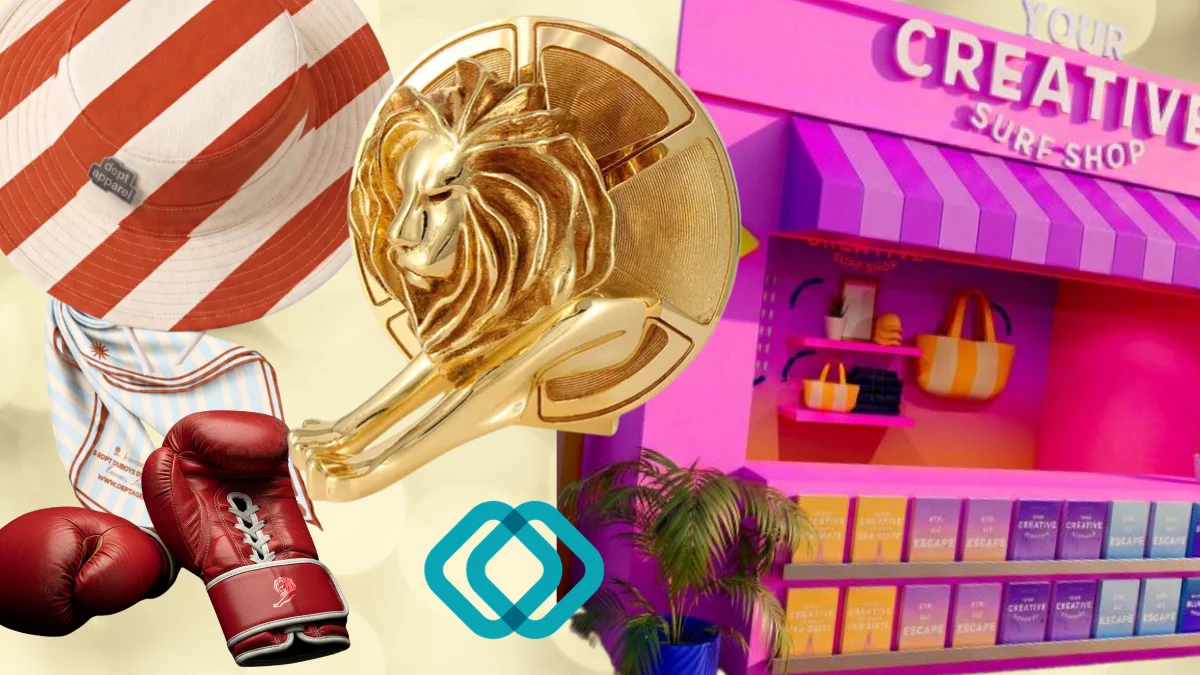
As the global advertising industry pivots from the high-stakes spectacle of the Super Bowl to the sun-drenched networking hubs of the French Riviera, the countdown to the 2026 Cannes Lions International Festival of Creativity has officially begun. Scheduled to run from June 22–26, the festival returns to its historic home in Nice and Cannes, promising to serve as the definitive barometer for the state of global marketing.
With an anticipated 15,000 delegates descending upon the Croisette from 90 different countries, the festival is not merely a celebration of past work; it is an incubator for the strategies that will define the next decade of consumer engagement. This year, the festival architecture has shifted, reflecting a maturation in technological integration, a surge in creator-led influence, and a collective industry pivot toward joy and whimsy.
Main Facts: A Global Hub of Creative Power
The 2026 edition of Cannes Lions arrives at a pivotal inflection point. While the event remains the premier destination for the world’s most prestigious creative accolades, it has transformed into a sprawling, multi-disciplinary summit.
Key details regarding the 2026 festival include:
- Dates: June 22–26, 2026.
- Scale: Over 15,000 professional attendees, ranging from C-suite executives and creative directors to independent content creators and tech entrepreneurs.
- Geography: A truly global gathering representing 90 nations, emphasizing the democratization of creative excellence beyond the traditional hubs of New York, London, and Paris.
- Core Pillars: AI integration, the "Creator Economy" maturation, and the return of experiential whimsy in brand activations.
The festival’s mission remains unchanged—to recognize the intersection of commerce and art—but the methodology has shifted. This year, the focus is on the tangible application of emerging technologies rather than the theoretical speculation that characterized the last few years of AI discourse.
Chronology: The Road to the Croisette
The path to Cannes is a carefully choreographed sequence of strategic milestones. For agencies and brands, the process begins long before the first glass of rosé is poured in June.
- Q1: The Super Bowl Sprint: The immediate post-Super Bowl period serves as the industry’s "first draft" of the year. The campaigns launched during this window are often the first to be finalized for Cannes submissions.
- Q2: The Submission Window: Agencies spend April and May finalizing case study films, navigating the complexities of eligibility, and securing the internal buy-in required to submit their best work to the juries.
- Mid-May: Logistics and Hospitality: The "Scramble." Agencies and holding companies lock in the logistics—private cabanas, beachside event slots, and high-stakes dinner reservations along the Croisette.
- June 22–26: The Festival Week: The central event, featuring the awards ceremonies, keynote panels, and the sprawling "Beach" activations that have become the festival’s signature.
- July: The Post-Mortem: Post-festival analysis involves tracking the impact of winning campaigns on brand equity and market share, setting the stage for the fall planning season.
Supporting Data: The Shifting Landscape of Engagement
To understand why the 2026 festival is evolving, one must look at the data driving these shifts. According to internal industry reports, the following trends are dominating the 2026 narrative:
The AI Saturation Point
In 2024 and 2025, AI was the "shiny new object." In 2026, it is the "operating system." Data suggests that over 70% of shortlisted entries for the Creative Data and Digital Craft categories now utilize generative AI in the production process, not just as a gimmick, but as an efficiency and personalization tool.
The Rise of the Creator-Brand Partnership
The creator economy is no longer a peripheral category. It is now a primary driver of ROI. Recent industry studies indicate that creator-led campaigns now account for nearly 40% of the total marketing spend for global CPG (Consumer Packaged Goods) brands. Consequently, the festival has allocated 25% more stage time to creator-led panels than it did in 2024.
The Return of Experience
After years of digital-first, screen-centric marketing, the 2026 data shows a sharp pivot toward "physicality." Brand activations on the Cannes beach are moving away from passive digital displays toward interactive, whimsy-heavy experiences. Brands that prioritize "memorable play" over "data collection" are projected to see a 30% higher engagement rate in the Cannes environment.
Official Responses: What Industry Leaders Are Saying
The leadership at Cannes Lions, alongside top agency heads, have expressed a clear vision for the 2026 festival.
Simon Cook, CEO of LIONS, remarked in a recent press briefing:
"Our goal for 2026 is to strip away the noise. We have moved past the ‘what is AI?’ phase and into the ‘how does AI serve human creativity?’ phase. This year, we are seeing a fascinating trend toward joy. Brands are recognizing that in a fragmented, often anxious world, the most effective marketing is that which surprises, delights, and offers a moment of genuine human connection."
Agency leadership feedback has been equally pointed:
- Global Creative Director of a top-tier network: "We aren’t going to Cannes this year to show off our tech stack. We are going to show how that stack enables us to be more human, more whimsical, and more effective at storytelling. If you’re not having fun with your brand, you’re losing."
Implications: The New Mandate for 2026
The implications of these trends for the industry are significant. The 2026 festival serves as a wake-up call for brands still clinging to legacy models of advertising.
1. The Death of the "Boring" Campaign
The overwhelming consensus for 2026 is that functional advertising is no longer enough. The market is saturated with content. To cut through, brands must embrace whimsy, playfulness, and high-concept creativity. The "Cannes effect" now demands that a campaign be as entertaining as it is persuasive.
2. The Creator as a Creative Partner
Brands that treat creators as "distribution channels" rather than "creative partners" are failing. The 2026 festival will showcase work where the creator’s voice is the primary vehicle for the brand’s message, fundamentally changing the power dynamic between agencies and talent.
3. Sustainability in Scale
With 15,000 delegates, the festival faces pressure to balance its environmental footprint with its global influence. Expect to see a heavy emphasis on "Green Activations" at the 2026 event, with brands competing to show how their experiential setups can be carbon-neutral or circular.
4. The Human-AI Equilibrium
The fear that AI will replace the creative director has largely subsided, replaced by a nuanced understanding of the "human-AI equilibrium." The most successful work in 2026 will be defined by its "un-AI-able" elements—the specific, messy, emotional, and cultural nuances that only human insight can provide.
Conclusion: A Festival of Reconnection
As the industry prepares for the heat of the French Riviera, the sentiment is one of cautious optimism. The 2026 Cannes Lions Festival of Creativity is set to be a watershed moment where technology meets humanity in a playground of high-concept design.
For those attending, the lesson is clear: bring your best data, but leave room for the unexpected. Whether it is through the lens of a viral creator campaign, an AI-enhanced immersive installation, or a simple, whimsical brand experience, the work that wins in 2026 will be the work that reminds us why we entered this industry in the first place—not to manage algorithms, but to tell stories that move the world.
The stage is set. The tickets are booked. Now, the industry waits to see who will define the future of creativity on the Croisette.











No comments yet. Be the first to join the conversation!