

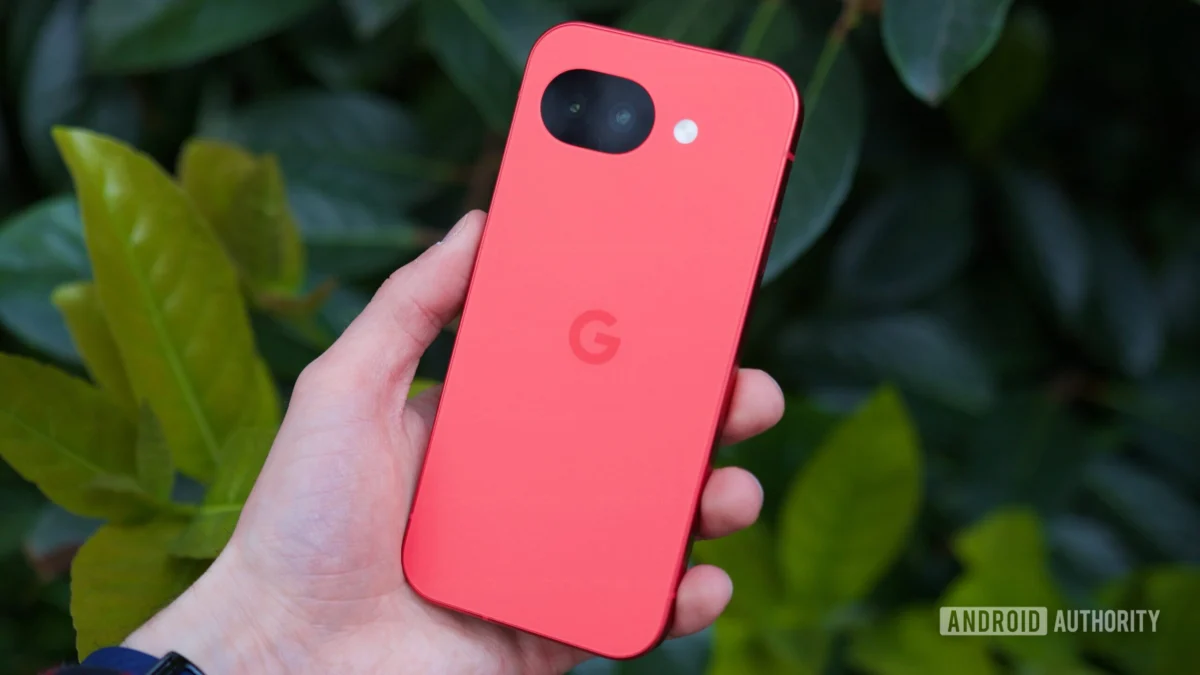
For years, the smartphone market felt like a static battlefield. Apple occupied one trench, Samsung occupied the other, and Google’s Pixel line seemed to exist in a state of perpetual experimentation. However, the narrative has shifted fundamentally. Google has moved away from the "enthusiast-first" strategy that characterized the early days of the Nexus and initial Pixel programs, pivoting instead toward a pragmatic, service-oriented ecosystem designed to lower the barrier to entry for the average consumer.
By focusing on friction-less transitions and deep integration with the broader Android ecosystem, Google is no longer just selling hardware; it is selling an exit strategy for those disenchanted with the iOS ecosystem.
Main Facts: The Strategic Pivot
The core of Google’s modern strategy lies in the realization that hardware specs alone—RAM, clock speeds, or niche sensor sizes—rarely move the needle for the general public. Instead, the company has prioritized "bridge-building" features.
The most prominent example of this is the expanded functionality of Quick Share. By ensuring that Android devices can communicate seamlessly with cross-platform standards—and, more specifically, making the transition from an iPhone to a Pixel as painless as possible—Google is aggressively targeting the "creature of habit" demographic.
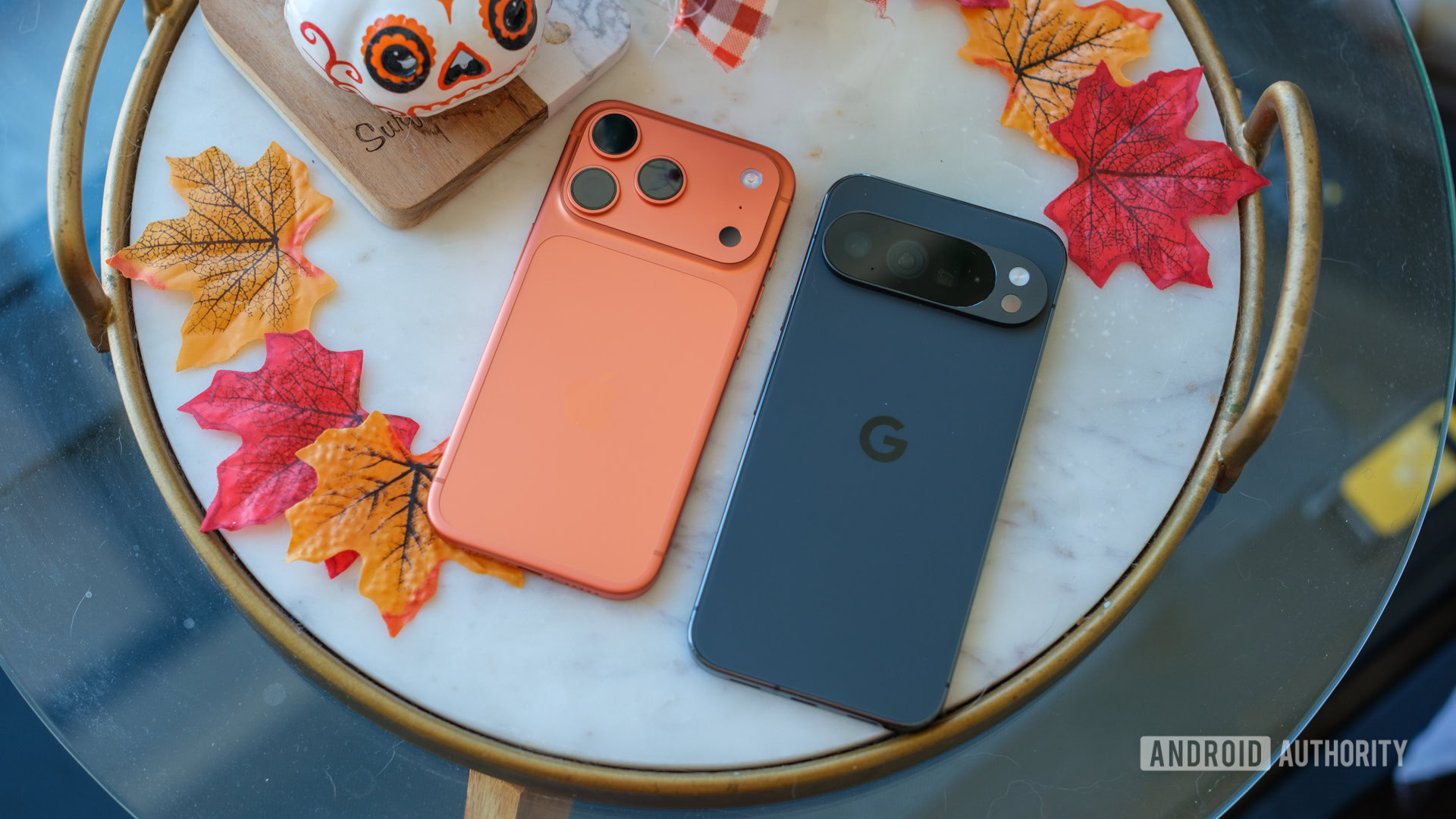
Today’s Pixel devices, particularly the Pixel 10 series, are marketed on the strength of their software maturity. With the refined Material 3 "Expressive" design language, Google has finally achieved a level of aesthetic and functional coherence that rivals, and in some areas surpasses, the long-standing polish of iOS.
A Chronology of the Shift
The transition to this new strategy did not happen overnight. We can trace the lineage of this approach through several key developments:
- The Tensor Era (2021–2023): Google’s initial attempts at custom silicon were marred by "growing pains." These early years were defined by thermal issues and modem instability, which alienated many power users. However, this period allowed Google to decouple its software features from standard third-party chip cycles.
- The Integration Phase (2024): With the introduction of the Pixel 9 series, the focus shifted toward AI-led utility. Features like Magic Editor and improved voice processing began to show that Google was prioritizing the result over the raw methodology.
- The Accessibility Expansion (2025–Present): The launch of the Pixel 10 series marked the turning point. By integrating native, high-speed file sharing and simplified data migration tools (including password and layout imports), Google signaled that its primary competitor was no longer just Samsung, but the customer retention metrics of Apple itself.
Supporting Data: Why Users are Jumping Ship
The frustration with the current state of iOS is not merely anecdotal. Recent industry reports and anecdotal feedback from long-term Apple users suggest a growing dissatisfaction with the stability of the latest software iterations.
In a recent poll conducted by Android Authority, users highlighted the "pain of switching" as the single largest barrier to leaving the Apple ecosystem. By addressing this directly, Google has seen a measurable uptick in sales. The Pixel 10 and 10 Pro XL have seen a higher percentage of "switched-from-iPhone" buyers than any previous generation.
Furthermore, the data suggests that users are not looking for the most complex device, but the most reliable one. The Pixel 10 Pro XL, with its 16GB of RAM and UFS 4.0 storage, provides a performance ceiling that satisfies power users while maintaining a "plug-and-play" simplicity for those coming from iOS.
Official Stances and Industry Dynamics
Google’s approach remains complex. On one hand, it wants to sell Pixels; on the other, it wants its services (Gemini, Search, Maps, Photos) to be ubiquitous. This is evidenced by the "Android Show" discussions, where the company openly discussed the multi-year partnership with Apple.
Essentially, Google is playing a double game: they are providing the intelligence that powers Apple’s features, while simultaneously building an Android experience that makes the iPhone feel redundant.
While some enthusiasts express frustration that "exclusive" features—like certain camera tweaks or sharing tools—eventually migrate to other Android phones or even iOS, this is part of Google’s long-term play. By making the platform better, they increase the total addressable market for their services. The hardware (Pixel) is simply the premium showcase for what that ecosystem can do.
The Role of Design: Material 3 Expressive
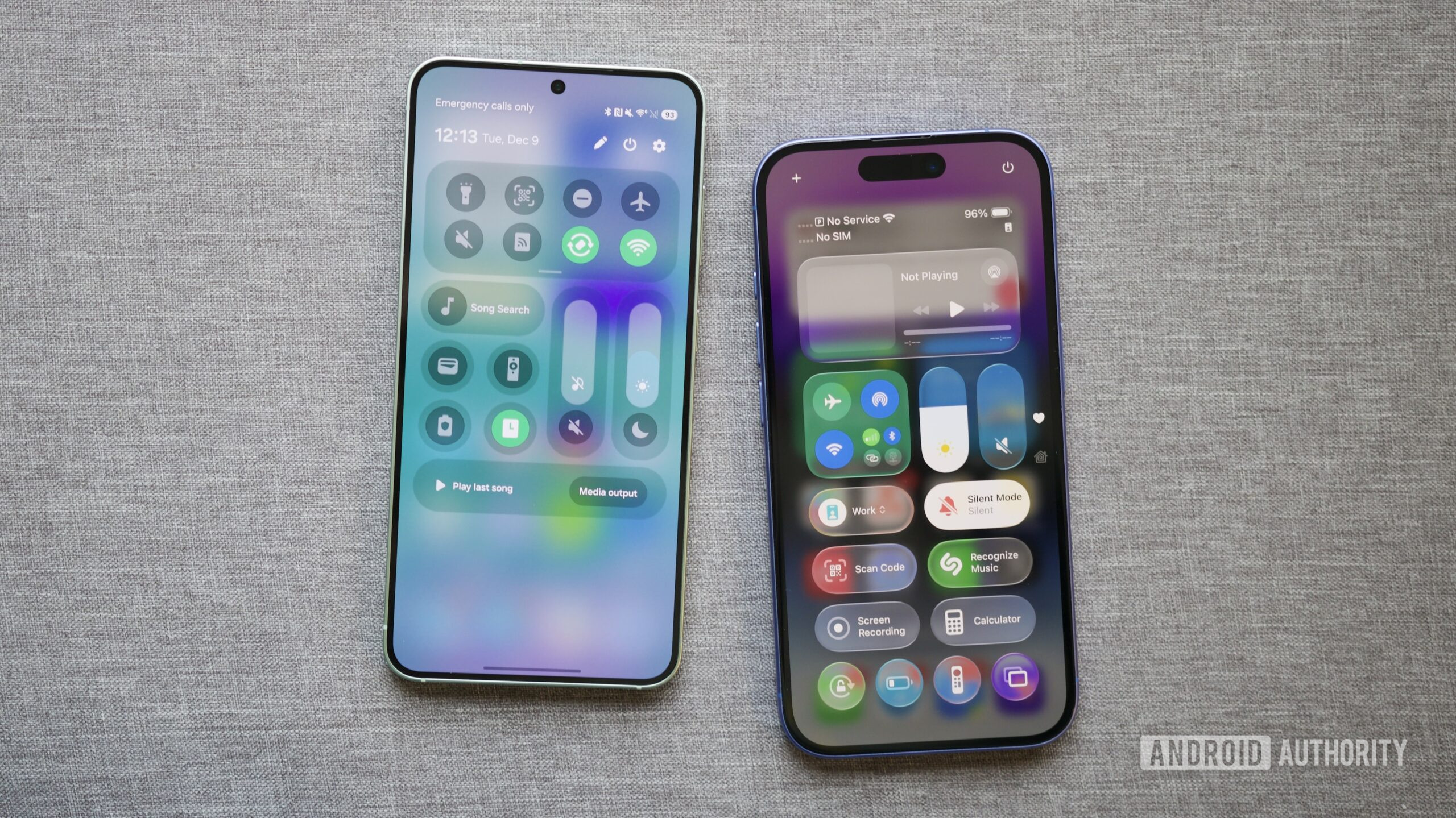
The aesthetic overhaul brought by Material 3 Expressive cannot be understated. For years, Android was criticized for its fragmented UI. Google’s current design language is "quirky, fun, and intuitive," providing a personality that iOS currently lacks.
When an iPhone user looks at their screen, they see a grid of icons that has remained largely unchanged for a decade. When they look at a modern Pixel, they see an adaptive, fluid interface that changes based on their wallpaper and context. This visual differentiation is a powerful psychological lever in persuading users to switch.
Implications: The Future of the Smartphone Market
What does this mean for the future of mobile technology?
- The Death of the "Spec Sheet" War: As Google continues to lean into AI-driven, system-wide background services, the obsession with clock speeds and camera megapixels will continue to wane. The new battleground is "intelligence-per-watt" and seamless cross-platform utility.
- The Erosion of the "Walled Garden": Apple’s ecosystem has historically relied on the "blue bubble" effect and AirDrop exclusivity. By offering a functional equivalent to AirDrop and making migration easy, Google is effectively poking holes in the walls of that garden.
- The Rise of the "Invisible" OS: The ultimate goal for Google is an operating system that requires no maintenance. If they can make the transition from a 5-year-old iPhone to a new Pixel 10 Pro XL completely seamless—importing every password, photo, and home screen widget—the primary reason for staying with Apple (the "cost" of switching) vanishes.
A Final Verdict on the Pixel 10 Pro XL
For those currently on the fence, the Pixel 10 Pro XL stands as the most compelling argument for the Android platform in the last decade. It offers a combination of:

- Build Quality: A premium aesthetic that matches the industry leaders.
- Camera Flexibility: Software-driven processing that handles everything from low-light photography to complex AI-assisted editing with ease.
- Software Maturity: An OS that is not only stable but actively helpful.
The device is not just a phone; it is a manifestation of Google’s new philosophy. They have stopped trying to win the "spec war" against other Android manufacturers and started winning the "user satisfaction war" against Apple.
Conclusion: The Competitive Landscape
It is understandable why enthusiasts feel frustrated when they see Google prioritizing mass-market features over niche power-user tools. However, from a business perspective, the strategy is sound. Google is building a platform where the friction of switching is at an all-time low.
If you are a user who has felt constrained by the limitations of iOS, the current landscape has never been more inviting. Google is no longer the "experimenter" of the phone world; they are a mature, focused competitor that has finally realized that the best way to grow is to make the jump as simple as a single tap.
The battle for the smartphone market is no longer being fought in the silicon foundries or the camera sensor labs—it is being fought in the migration tools, the cloud syncing services, and the user interface design. On that front, Google is currently winning the hearts and minds of the frustrated iPhone user.












No comments yet. Be the first to join the conversation!