Neng Nana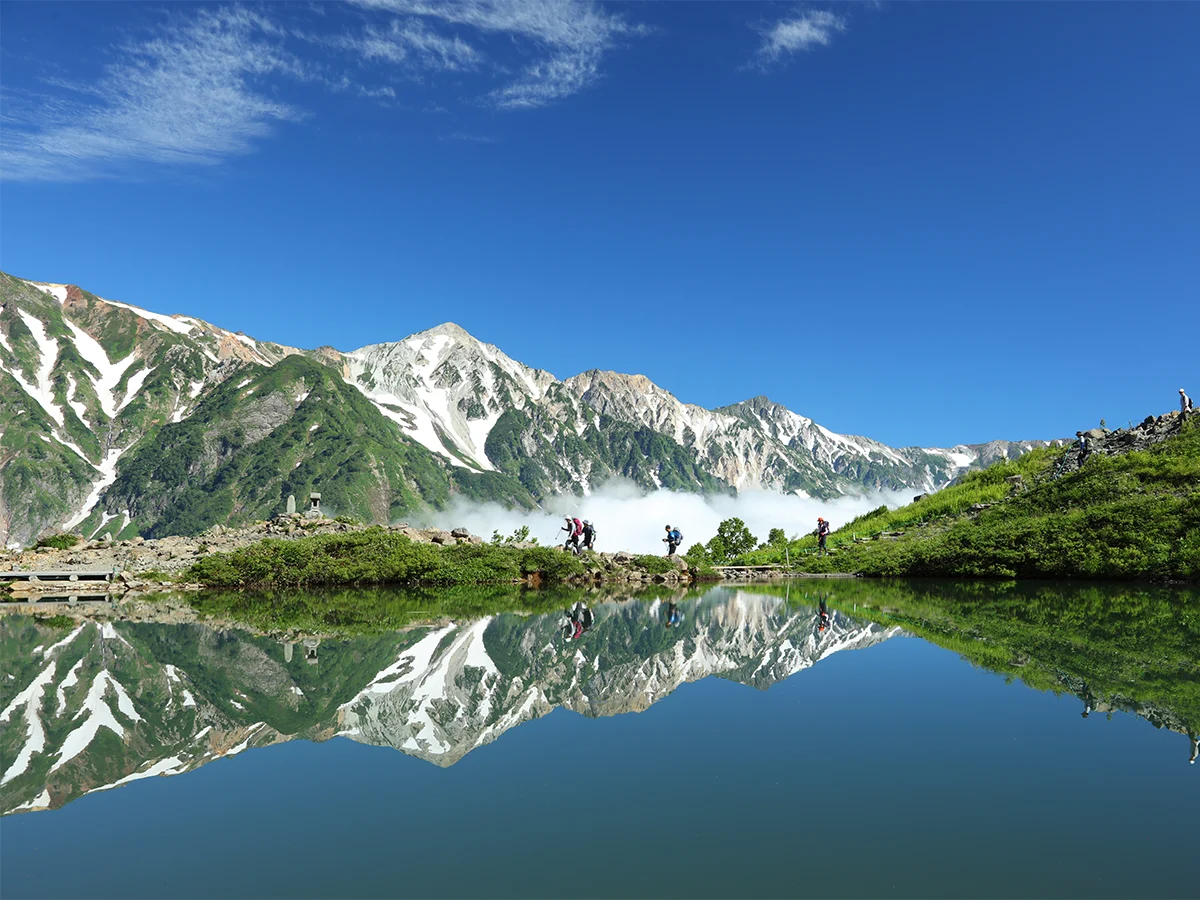
For decades, the mention of Japan’s mountain resorts conjured images of powder-dusted slopes, bustling ski lifts, and the quintessential winter après-ski culture. However, a significant paradigm shift is currently reshaping the Japanese travel landscape. As climate patterns shift and domestic travelers seek refuge from the increasingly sweltering temperatures of Japan’s urban centers, the nation’s ski resorts are undergoing a metamorphosis. Once dormant during the warmer months, these high-altitude terrains are emerging as sophisticated, year-round leisure hubs.
From the northern reaches of Nagano to the expansive alpine meadows of the Japanese Alps, resorts are pivoting toward "green season" tourism. By leveraging existing infrastructure—ropeways, gondolas, and luxury lodging—these destinations are proving that the mountains are not just for winter enthusiasts; they are the ultimate escape for those seeking cool air, panoramic vistas, and high-octane adventure.
The Alpine Shift: Understanding the Summer Resort Phenomenon
The appeal of the summer mountain resort is rooted in both necessity and geography. As Japan experiences record-breaking heat waves, the physiological and psychological draw of higher altitudes becomes undeniable. These resorts, typically situated between 1,400 and 2,000 meters above sea level, offer a natural reprieve where temperatures remain significantly lower than the humid lowlands.
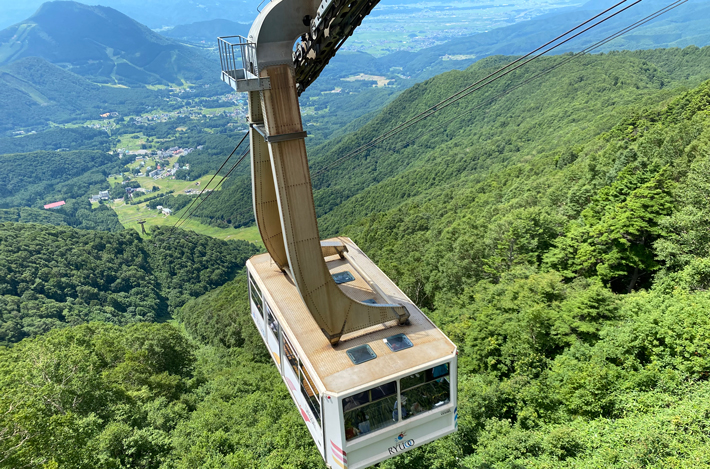
The strategic development of these sites is a masterclass in infrastructure reuse. Resorts that once relied solely on a three-month winter season are now maximizing the utility of their mountain access systems to accommodate hikers, glampers, and adventure seekers. This transition is not merely a seasonal stopgap; it is a fundamental shift in the Japanese tourism business model, focusing on sustainability and long-term visitor engagement.
Spotlight on Three Alpine Jewels
While many resorts across Japan have begun offering summer activities, three locations in the Nagano region have set the gold standard for innovation, accessibility, and natural splendor.
1. Ryuoo Mountain Resort: Where the Clouds Touch the Earth
Located in the rugged Kitashiga Highlands, the Ryuoo Mountain Resort has successfully branded itself as a destination for ethereal beauty. Its centerpiece is the SORA terrace, a sophisticated café perched at an altitude of 1,770 meters.
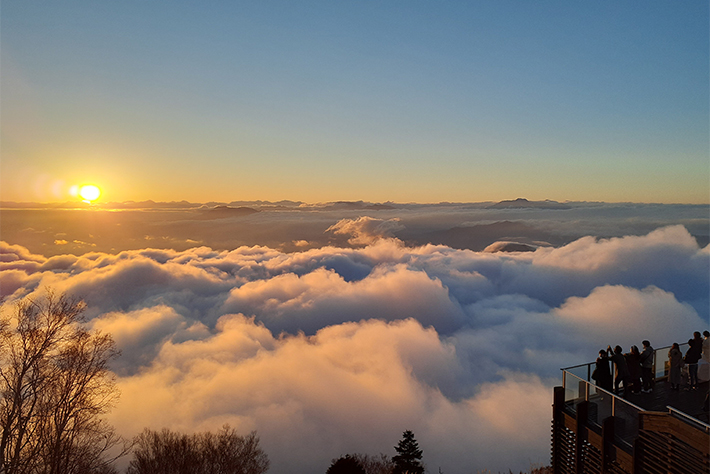
- The Sea of Clouds Phenomenon: The primary draw for visitors is the "sea of clouds" (unkai), a breathtaking meteorological event where low-lying clouds pool in the valleys below the terrace. In 2022, the resort recorded an impressive 65.9% occurrence rate, defying the common belief that such phenomena are rare. Interestingly, data indicates that these clouds are more frequent during the evening hours than at dawn, allowing visitors to enjoy the view without the necessity of a pre-dawn wake-up call.
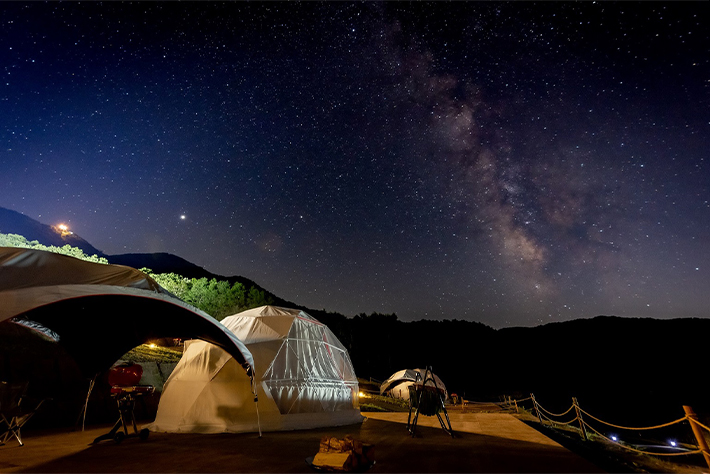
- Culinary and Starlit Experiences: The SORA terrace menu is a testament to local pride, utilizing ingredients sourced from the surrounding Nagano countryside. Photogenic dishes, crafted to mimic the fluffy aesthetics of the clouds, have become a staple for social media-savvy travelers. Beyond the café, the resort offers premium glamping facilities at the mountain base. Here, the lack of light pollution provides a canvas for celestial viewing, allowing guests to witness the Milky Way in all its clarity.
2. Hakuba Happo-One: The Adventurer’s Mecca
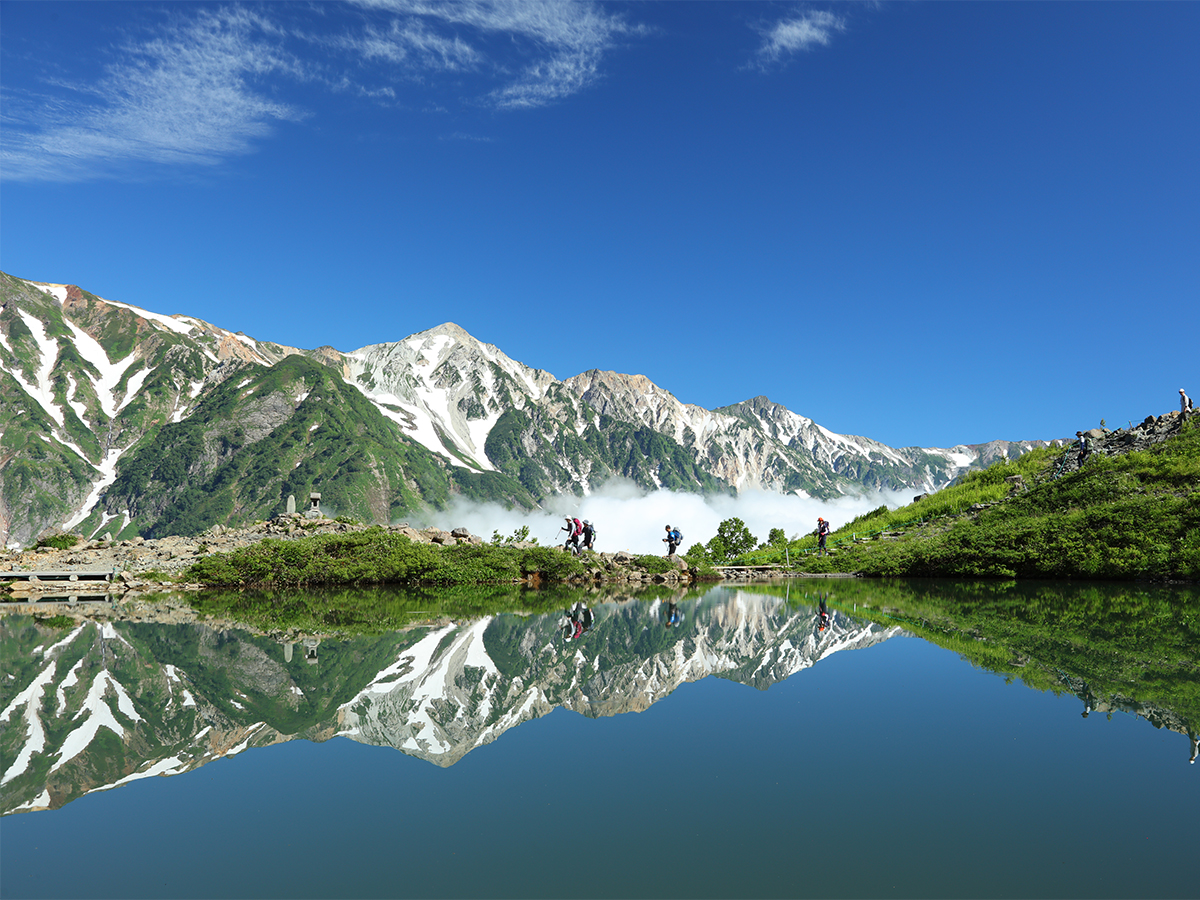
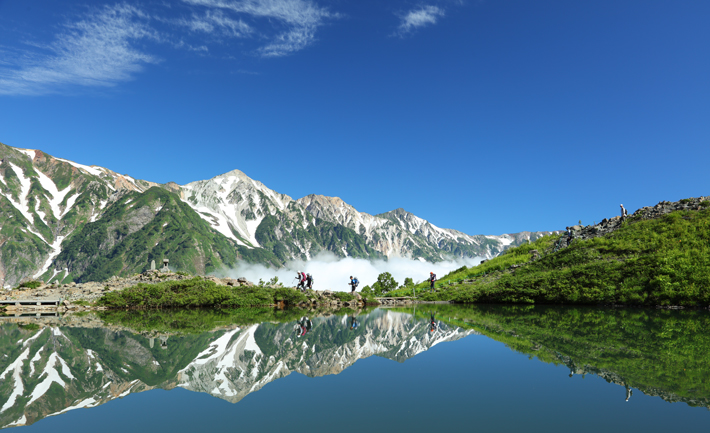
Hakuba is world-renowned for its winter sports pedigree, but during the summer, it transforms into a trekking paradise. The resort provides access to the Happo Pond, an alpine sanctuary that serves as a mirror for the majestic Hakuba mountain range.
- Accessibility and Trekking: The genius of the Happo-One summer experience lies in its accessibility. Through a series of gondolas and lifts, visitors can bypass the grueling vertical climb, arriving at the trailhead at 1,800 meters. From there, a well-maintained, beginner-friendly path leads to the pond. This democratization of the alpine experience ensures that even casual walkers can enjoy the biodiversity of the timberline.
- HAKUBA MOUNTAIN BEACH: For those who prefer relaxation over exertion, the resort has introduced HAKUBA MOUNTAIN BEACH. This facility features a beach-resort aesthetic set against a backdrop of jagged peaks. The integration of "sauna culture"—a booming trend in Japan—at an altitude of 1,400 meters creates a unique therapeutic environment, allowing guests to alternate between a hot sauna, a refreshing jacuzzi, and the crisp mountain air.
3. Tsugaike Mountain Resort: The Ultimate Playground
If Ryuoo is for the dreamer and Hakuba is for the trekker, Tsugaike is for the thrill-seeker. It currently holds the title for the largest outdoor park in the region, focusing on active, interactive engagement with nature.

- The "WOW!" Factor: The resort’s "WOW!" facility features innovative attractions designed to challenge the senses. "Cogidas," an aerial bicycle course, and "Tobidas," a daring 12-meter high-tube slide, represent the cutting edge of mountain-based entertainment.
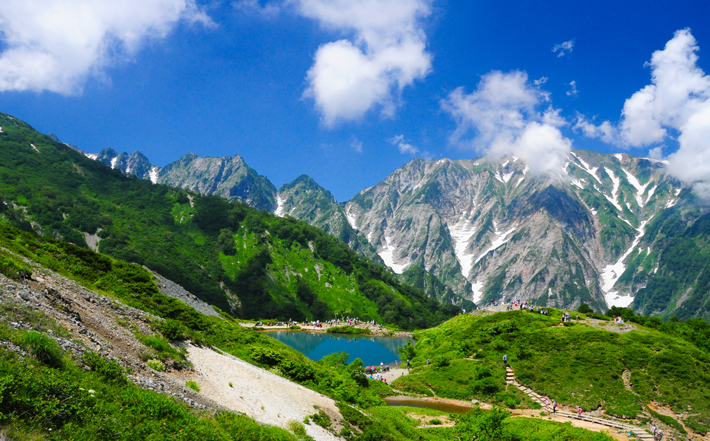
- Holistic Alpine Nature: Beyond the adrenaline, the resort provides access to one of Japan’s most important high-altitude wetlands. At 1,900 meters, visitors can explore diverse flora and fauna via specialized boardwalks. This dual-track approach—combining high-octane adventure with educational nature programs—makes Tsugaike a standout destination for multi-generational travel.
Implications for the Future of Japanese Tourism
The rise of the "summer ski resort" carries significant implications for Japan’s travel industry.
Economic Sustainability: By diversifying their offerings, these resorts have effectively doubled their operational viability. The transition from a seasonal business to a year-round enterprise allows for better staffing retention and consistent revenue streams, which are critical for the upkeep of expensive lift and ropeway machinery.
Regional Revitalization: Many of these resorts are located in rural prefectures that have faced the pressures of population decline. The influx of summer tourists, who stay in local hotels, dine in local restaurants, and purchase regional crafts, provides a much-needed economic injection into these mountain communities.
Climate Resilience: As urban heat becomes a public health concern, the "cool-cation" trend—traveling specifically to escape high temperatures—is expected to grow. Ski resorts are perfectly positioned to meet this demand, offering an infrastructure-ready solution to a climate-driven problem.
Practical Planning: A Modern Traveler’s Guide
For the modern traveler, the barrier to entry for these mountain experiences has been lowered significantly. The convenience of Japan’s rail network, specifically the Shinkansen, connects Tokyo to the heart of Nagano in less than two hours. From there, efficient highway bus networks transport travelers directly to the resort gates.
While the prospect of visiting all three locations in a single overnight trip is ambitious, it is entirely feasible for the efficient traveler. By leveraging the existing ropeway and gondola infrastructure, the physical toll of visiting multiple mountain peaks is negated, making a multi-resort tour an attractive prospect for those wanting to sample the full breadth of Nagano’s alpine offerings.
Conclusion
The traditional narrative of the Japanese ski resort is no longer sufficient to describe the reality of these locations. They have evolved into multifaceted cultural and recreational hubs that reflect a deeper, more sustainable relationship with the environment. Whether it is the contemplative silence of a cloud-covered terrace, the physical satisfaction of a high-altitude hike, or the exhilaration of an aerial adventure, Japan’s mountains are waiting—not just for the snow, but for the sun. For your next vacation, the best seat in the house might just be at the top of a mountain.



 Asro
Asro