

It is a sound that transcends the medium of television. To those initiated into the dark, rain-slicked woods of Washington State, the music of Twin Peaks is not merely background accompaniment—it is a character unto itself. It is a sonic specter that refuses to be exorcised, modulating between the extremes of melancholic jazz, 1950s teen pop, and dissonant, modernist avant-garde. As David Lynch once famously remarked, "Cinema is sound and picture, flowing together in time." In Twin Peaks, that flow creates a whole that is profoundly greater than the sum of its parts.

Decades after its 1990 premiere, the music of Twin Peaks continues to define the boundaries of auteur television. Whether it is the iconic, heart-wrenching swell of "Laura Palmer’s Theme" or the rhythmic, unsettling industrial hum of The Return, the sound design serves as the heartbeat of the show’s surreal, soap-operatic, and often terrifying universe.

The Genesis of a Sound: A Collaboration of Shadows
The auditory landscape of Twin Peaks was forged through the symbiotic relationship between director David Lynch, composer Angelo Badalamenti, and vocalist Julee Cruise. Building upon the foundation established in Lynch’s 1986 film Blue Velvet, the trio crafted a genre-bending aesthetic that defied categorization.

Badalamenti’s genius lay in his ability to translate Lynch’s abstract, visual directives into tangible melodies. When describing the creation of "Laura Palmer’s Theme," Badalamenti famously recounted how Lynch sat beside him, describing the wind blowing through sycamore trees and the feelings of darkness and sorrow. The result was a theme that tracked the dramatic shifts of the screen—from the mundane domesticity of a small town to the jagged, supernatural terrors lurking in the Black Lodge.

The soundtrack is a collage of American nostalgia and psychological dread. Jazz horns, electric synthesizers, and slinky clarinet lines evoke a timeless quality, suggesting that the town of Twin Peaks exists in a vacuum where the 1950s never truly ended and the darkness of the 21st century has always been present.

Chronology of the Sonic Shift
The musical evolution of Twin Peaks reflects its turbulent history, spanning from the ABC network run of 1990–91 to the long-awaited, experimental third season, The Return (2017), on Showtime.

- The Original Run (1990–1991): Characterized by "finger-popping jazz," romantic melodrama, and the dreamy, ethereal vocals of Julee Cruise. The music grounded the show in a familiar, albeit heightened, soap-opera reality, which made the sudden intrusions of the supernatural all the more jarring.
- The Interregnum: For twenty-five years, the music became a cultural touchstone, cited by critics and scholars as the definitive example of atmospheric scoring.
- The Return (2017): As noted by music supervisor Dean Hurley, the tone shifted drastically. The "jazz quirk" of the original series was largely discarded in favor of atmospheric soundscapes, abrasive industrial noise, and complex, dissonant modernism. The shift mirrored the show’s transition from a murder mystery to a meditation on the nature of evil and the fracturing of reality.
Supporting Data: Iconic Musical Interventions
To understand the power of the Twin Peaks score, one must examine the specific instances where music transcends its supporting role to become the primary engine of the narrative.

The "I Am the F.B.I." Moment
In Episode 16 of The Return, after a season spent in the vegetative, comedic state of Dougie Jones, the protagonist finally awakens. The scene is devoid of music until Cooper speaks. As he utters his iconic line, "I am the F.B.I.," the opening theme—"Falling"—begins to swell. The music does not just provide emotional weight; it validates the audience’s patience, signaling the triumphant return of a lost hero through a rising, optimistic melodic structure.

The Birth of BOB (Episode 8)
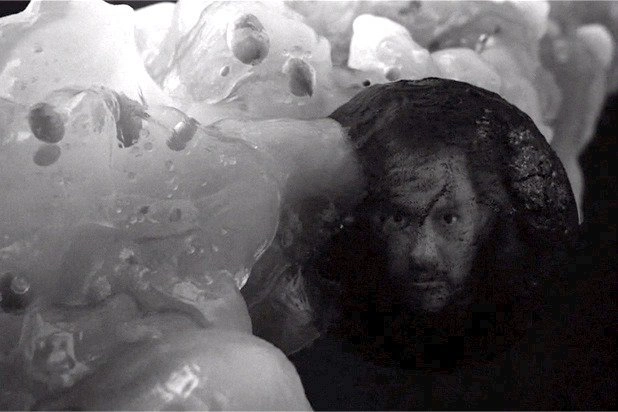
Perhaps the most ambitious musical sequence in television history occurs in the eighth episode of The Return. During the Trinity atomic bomb test, Lynch abandons traditional scoring for the piercing, dissonant strings of Krzysztof Penderecki’s Threnody for the Victims of Hiroshima. By replacing the sound of the explosion with this 1960s avant-garde masterpiece, Lynch forces the viewer to confront the metaphysical consequences of the blast, marking the birth of the series’ central antagonist, BOB, as a cosmic, historical trauma.

The Surrealism of Audrey’s Dance
In the first season, Audrey Horne’s dance at the Double R Diner remains the gold standard for diegetic musical manipulation. When Audrey selects a song on the jukebox, the diegetic sounds of the diner fade out, replaced by a slinky, dissonant vamp. The audience is left questioning: is this music playing in the room, or is it playing in Audrey’s mind? This blurring of boundaries between the real and the surreal is the defining characteristic of the Lynchian aesthetic.

Official Responses and Critical Reception
While The Return received nine Emmy nominations, it famously walked away with zero wins—a testament to its uncompromising, challenging nature. Critics have consistently praised the show’s sound design as a masterclass in psychological manipulation.

Musicologists, such as Brooke McCorkle, have noted that the show’s sound design punctures the boundary between the "real" and the "fantastic." This is not an accident. Lynch’s philosophy—that the director must guide both what people see and hear from beginning to end—is rigorously applied. Every rustle of clothing, every hum of a telephone wire, and every swell of a synthesizer is a deliberate choice intended to fulfill the director’s vision of a "whole" experience.

Implications for Modern Television
The legacy of the Twin Peaks musical score is undeniable. It paved the way for "auteur television," where the director’s singular voice is prioritized over network demands for formulaic comfort.

The implication for the industry is clear: audiences are capable of and hungry for complex, non-linear sound design. By refusing to use music as a mere "emotional crutch," Twin Peaks challenged its viewers to engage with sound as a structural element of storytelling. The show’s ability to remain "haunting" decades later is not just a result of its nostalgia, but of its willingness to experiment with the very fabric of how sound creates meaning.

Whether one is a fan of the romantic, jazzy nostalgia of the original season or the abrasive, soul-shattering dissonance of The Return, the music of Twin Peaks remains a fundamental study in the power of audio-visual convergence. As the Internet continues to buzz with rumors of a potential Season 4, one thing remains certain: if David Lynch returns to the town of Twin Peaks, the music will be there waiting, ready to haunt our days and nights once more.










No comments yet. Be the first to join the conversation!