

As the technology sector moves deeper into the spring season, the market is witnessing a flurry of activity characterized by fierce competition, niche innovation, and the refinement of existing product categories. From the burgeoning foldable smartphone market to the hyper-competitive smart ring space and the perennial battle for supremacy in home audio, manufacturers are scrambling to differentiate their offerings.
In this comprehensive review recap, we examine the latest hardware to hit our testing benches, breaking down the performance, design choices, and market positioning of devices that are currently vying for your attention—and your wallet.
1. The Main Facts: A Diverse Hardware Landscape
This recent wave of releases highlights a clear trend: companies are moving away from generic, "one-size-fits-all" devices and toward specialized experiences. Whether it is the Motorola Razr Fold attempting to disrupt the duopoly of Samsung and Google, or the Ultrahuman Ring Pro challenging the dominance of Oura, the message from the industry is clear—hardware is once again becoming a battleground of precision and user-centric design.
Key highlights from our recent testing include:
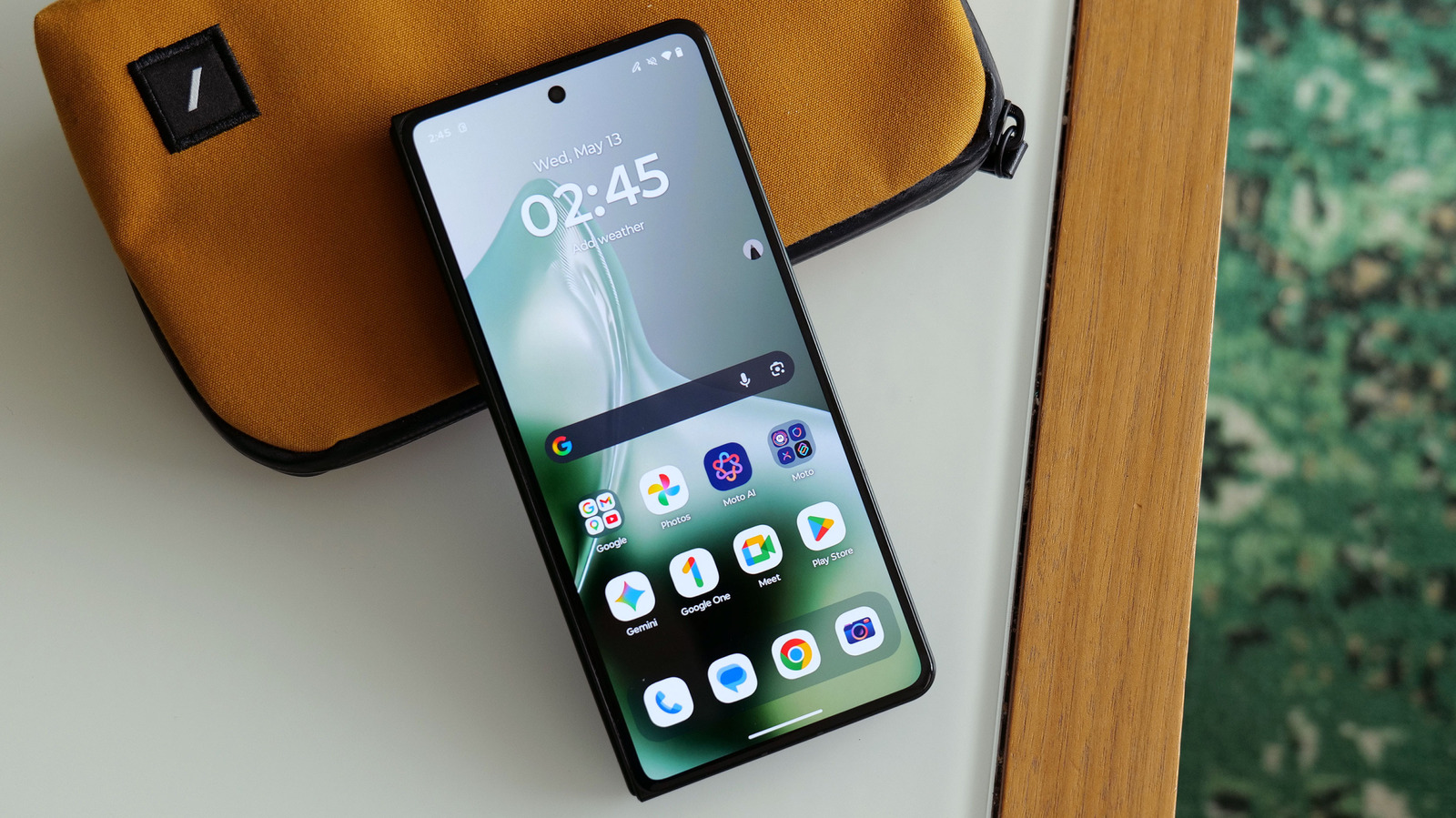
- Motorola Razr Fold: A high-end foldable that manages to undercut competitors on price without sacrificing build quality.
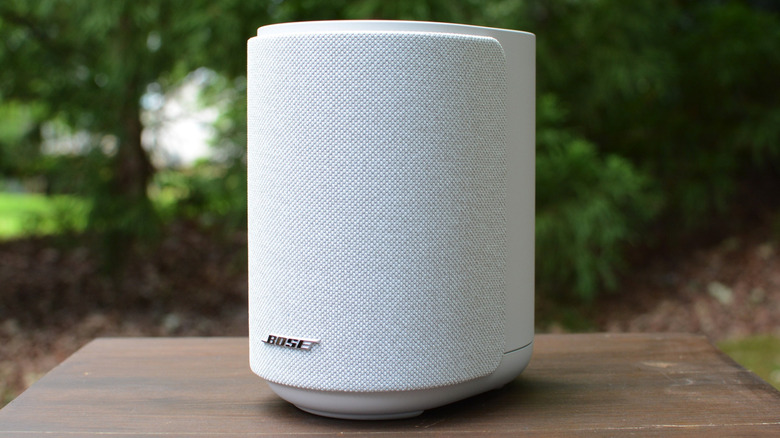
- Bose Lifestyle Ultra Speaker: A premium entry into the smart home speaker category, though one that faces stiff competition from the likes of Sonos.
- Ultrahuman Ring Pro: A data-rich alternative for the health-conscious consumer.
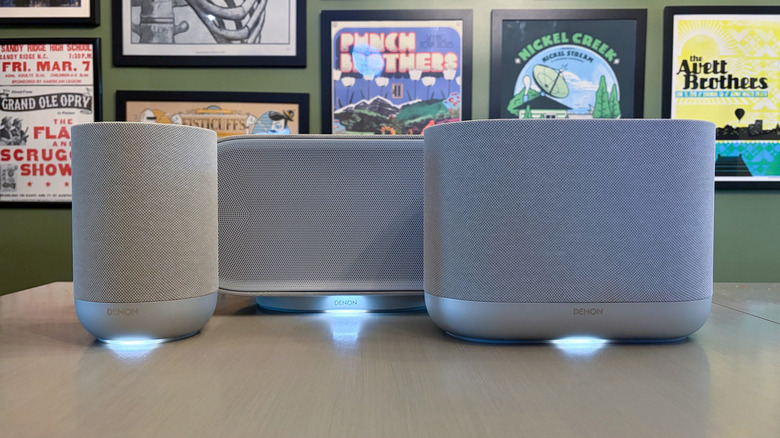
- Denon Home Series: A robust trio of speakers focusing on audio fidelity and software reliability.
- reMarkable Paper Pure: A focused, minimalist tablet experience for digital writers.
2. Chronology: The Evolution of Recent Tech Releases
The release schedule this spring has been remarkably dense, creating a "bottleneck" effect for consumers looking to upgrade their tech stacks.
- Early Spring: The rollout began with the Denon Home 200, 400, and 600 series, signaling an aggressive push into the multi-room audio market. Denon’s strategy focused on delivering a stable, app-based ecosystem—a direct response to the recurring software headaches seen in rival products.
- Mid-Season: The spotlight shifted to productivity and health with the release of the reMarkable Paper Pure and the Ultrahuman Ring Pro. These devices represent the "niche-ification" of consumer tech—the reMarkable targeting writers and thinkers, and the Ultrahuman ring targeting the quantified-self crowd.
- Late Spring: The heavy hitters arrived. Motorola’s Razr Fold made waves as a viable alternative to the Z Fold series, followed by the Bose Lifestyle Ultra Speaker, which marked Bose’s attempt to redefine its home audio presence in the age of streaming-first smart homes.
3. Deep Dive: Product Performance and Supporting Data
The Foldable Frontier: Motorola Razr Fold
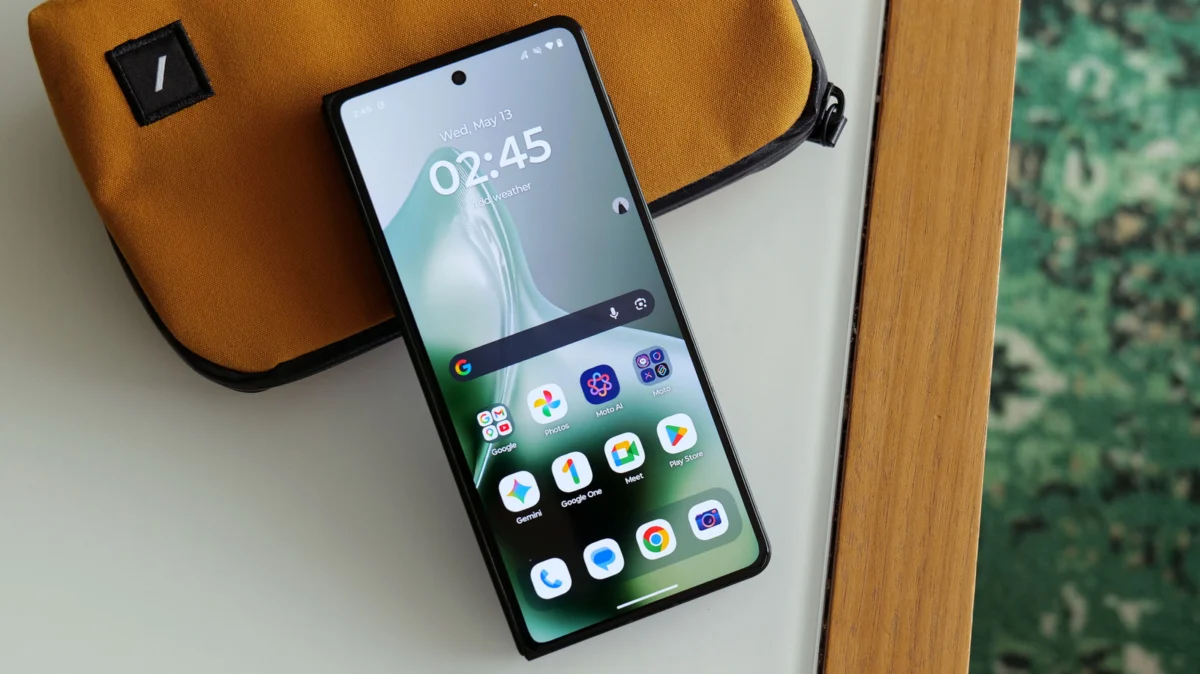
The foldable market has long been synonymous with Samsung and Google. Motorola’s entry, the Razr Fold (Score: 8.8/10), arrives as a sophisticated contender. Priced at $1,900, it manages to position itself as a value-oriented luxury device when compared to the $2,000-plus price points of its rivals. Testing revealed a hinge mechanism that feels robust and a display that minimizes the "crease" concern that plagued earlier generations of foldables.
The Audio Wars: Bose vs. Denon
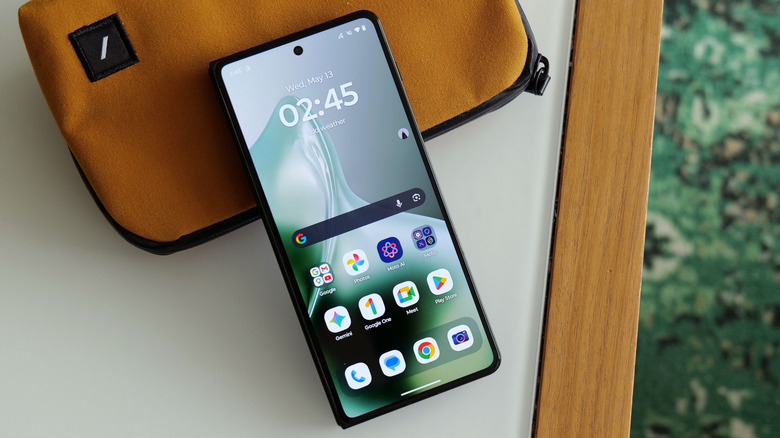
The audio space is currently undergoing a "Sonos-centric" correction. Bose’s Lifestyle Ultra Speaker (Score: 7.5/10) offers a sleek, aesthetically pleasing design, but our testing highlighted a disparity between its physical presence and its acoustic performance. While the standalone sound is crisp, the stereo pairing connectivity remains inconsistent.
Conversely, the Denon Home 200, 400, and 600 series performed exceptionally well in our benchmarks. The Home 400 (Score: 8.6/10) emerged as the "Goldilocks" model, offering the best balance of vocal clarity and low-end depth. Their primary advantage, however, is software stability, which remains a critical differentiator in a market saturated with buggy companion apps.
Wearable Wellness: Ultrahuman Ring Pro
The Ultrahuman Ring Pro (Score: 8.9/10) provides a compelling alternative to the Oura Ring. While Oura focuses on a polished, lifestyle-first approach, Ultrahuman leans into raw data visualization. For power users who want to see deep correlations between their circadian rhythm and metabolic health, the Ring Pro is arguably the superior choice.
4. Official Responses and Industry Implications
When asked about the competitive landscape, industry spokespeople consistently highlight "user experience" as the ultimate metric for success.
Regarding the reMarkable Paper Pure (Score: 8.3/10), the conversation centers on the philosophy of "distraction-free computing." While the device lacks a backlight—a feature many users demand—the company maintains that the focus remains on the "paper-like" tactile experience. Critics argue that software limitations are the device’s Achilles’ heel, yet the hardware design is widely considered best-in-class.
The HP EliteBoard G1a and the Samsung Galaxy A37 represent the "practical" side of this season’s releases. By placing a full PC architecture within a keyboard, HP is exploring the boundaries of portable computing. Meanwhile, Samsung’s A37 continues to serve as a reminder that the "mid-range" market is where the most significant volume of consumer adoption actually happens.
5. Strategic Implications for the Consumer
What does this mean for the average consumer? We are currently in a "mature" phase of the hardware cycle.
- Software is the new Hardware: As seen in the Denon speaker reviews, the hardware itself is rarely the point of failure anymore. It is the ecosystem, the app, and the firmware that determine whether a device remains in your home or gets relegated to a drawer.
- The Rise of the "Specialist" Device: Devices like the reMarkable Paper Pure and the Ultrahuman Ring Pro prove that consumers are willing to pay for dedicated, single-purpose hardware. The era of the "everything device" (the smartphone) is being augmented by a fleet of specialized tools that do one thing perfectly.
- Price Sensitivity: The success of the Motorola Razr Fold suggests that even in the premium foldable market, consumers are looking for a break in the status quo. If a brand can offer a comparable experience for even a few hundred dollars less, they will find an audience.
Looking Ahead
As we look toward the remainder of the year, we expect to see further consolidation in the audio space as manufacturers try to resolve the "pairing and connectivity" issues that plagued recent releases. In the mobile sector, the focus will likely shift from the durability of foldable screens to the integration of AI-driven software, which is poised to become the next major differentiator.
For now, the advice to the consumer remains consistent: define your specific needs. If you are a data junkie, the Ultrahuman Ring Pro is your best bet. If you want a reliable home audio setup without the headache of proprietary app crashes, look to the Denon Home series. And if you are ready to fold your phone into your pocket, the Motorola Razr Fold is a bold, refined step forward.
Stay tuned to our reviews section for the latest updates on these devices as we continue to push them through long-term durability testing.












No comments yet. Be the first to join the conversation!