Ali Ikhwan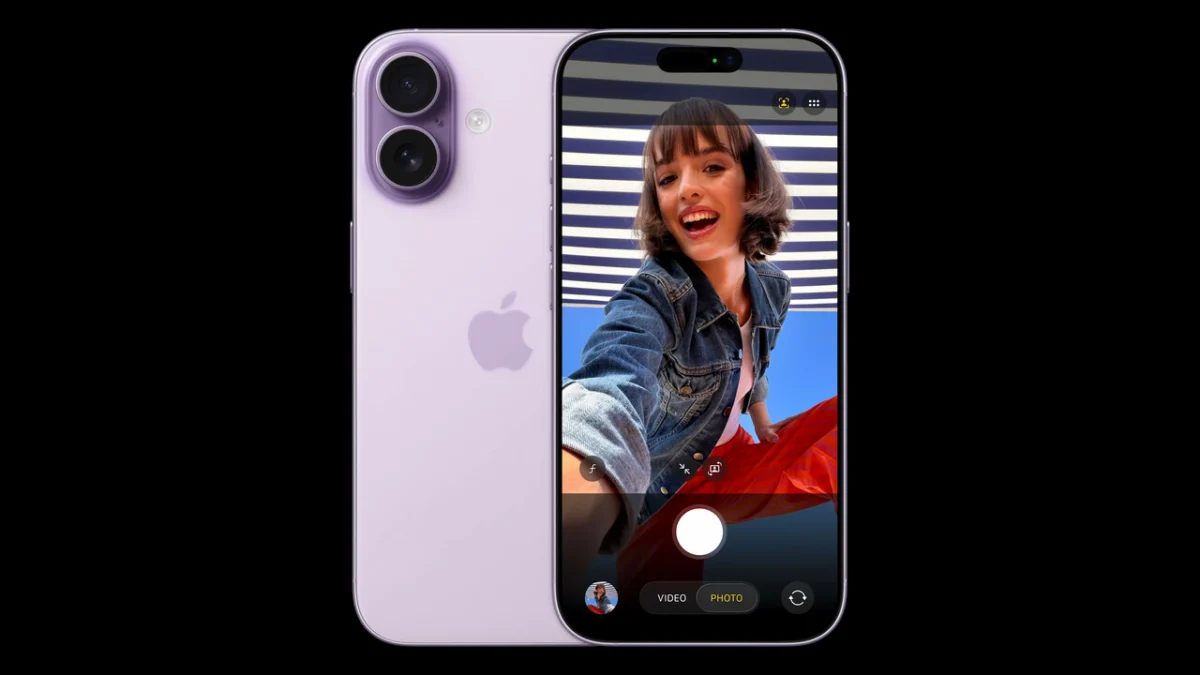
In a move that would represent the most significant departure from its established product cadence in over a decade, Apple appears poised to break its long-standing autumn release tradition. Emerging reports from deep within the company’s supply chain suggest that the standard iPhone 18 will not debut until the spring of 2027. If realized, this strategic pivot would represent the first major disruption to Apple’s release schedule since the launch of the iPhone 4S in 2011, marking a new era in how the Cupertino giant manages its massive consumer electronics ecosystem.
The Evidence: Supply Chain Insights
The speculation surrounding the delay has gained significant traction following recent comments from Largan Precision, a critical Taiwanese manufacturer responsible for producing high-end camera lenses for Apple. During a recent shareholder conference, Largan Chairman Lin En-Ping disclosed that a "significant client from the United States" had officially requested a postponement for the launch of a key upcoming model, pushing its production and rollout into early 2027.
While Largan did not explicitly name Apple—adhering to strict non-disclosure agreements typical of the industry—market analysts have long identified the manufacturer as a primary lens supplier for the iPhone. Furthermore, Lin noted that the company is bracing for a surge in factory utilization toward the end of 2026 to ensure the availability of these specific high-precision components for a Q1 2027 release. This alignment of production timelines strongly suggests that the standard iPhone 18 has been pushed back from its traditional September window.
Chronology of a Potential Shift
To understand the gravity of this change, one must look at the historical consistency of Apple’s releases. Since the iPhone 4S debuted in October 2011, Apple has cemented a rigid cycle: new flagship hardware arrives in September, just in time for the critical holiday shopping season.
If the current rumors hold, the 2026-2027 period will look vastly different:
- September 2026: Apple is expected to proceed with the launch of its premium tier, specifically the iPhone 18 Pro and the long-rumored "iPhone Fold" (or potentially a high-end "Ultra" foldable). By separating the premium line from the standard model, Apple may be attempting to avoid the "cannibalization" effect where new standard models distract from higher-margin Pro devices.
- Spring 2027: This window would become the new home for the standard iPhone 18, likely accompanied by a refreshed iPhone 18e and the successor to the "iPhone Air" line.
This staggered approach effectively splits the company’s portfolio into two distinct seasonal tiers, a departure from the "big bang" event that Apple fans have grown accustomed to every September.
Supporting Data: Analyzing the "Entzerrung" Strategy
The economic logic behind this decision, often referred to in German industry reports as Entzerrung (or the "unravelling/stretching" of a cycle), is rooted in market stabilization. Currently, Apple experiences a massive revenue spike in the fourth quarter (Q4) of every calendar year, followed by a significant lull in the subsequent two quarters.
By moving the standard iPhone 18 to the spring, Apple can achieve a more balanced distribution of revenue and unit sales throughout the year. This shift helps the company maintain consistent supply chain pressure rather than the unsustainable "September crunch" that requires massive inventory build-ups. Furthermore, it allows for a more focused marketing narrative. By launching the Pro/Fold models in the autumn, Apple captures the premium segment and the holiday gift-buying audience. By launching the standard and "e" models in the spring, the company can target students, budget-conscious consumers, and those looking for a mid-year upgrade, effectively insulating its quarterly earnings from seasonal volatility.
Implications for the Smartphone Market
The potential delay of the iPhone 18 is not merely a logistical change; it is a tactical evolution.
1. The Pro vs. Standard Divide
For years, the gap between the "Pro" and "standard" iPhone models has widened in terms of display technology, processor speed, and camera capability. By separating their release dates by six months, Apple is effectively acknowledging that these two product categories serve different audiences. Users who demand the latest and greatest will still flock to the September Pro release, while the general consumer base will no longer feel the pressure to upgrade in the autumn, potentially extending the total lifecycle of the iPhone brand.
2. The Foldable Factor
The rumored "iPhone Fold" is widely expected to be the centerpiece of the September 2026 event. If Apple decides to pair the foldable with the Pro models, it signals that the foldable category is intended to be a flagship, high-margin product rather than a mainstream device. Keeping the foldable launch distinct from the mass-market iPhone 18 launch allows Apple to control the narrative around its first foray into the foldable market, ensuring it doesn’t get lost in the noise of a general smartphone release.
3. Supply Chain Pressure
Largan Precision’s remarks highlight a shift in how Apple manages its suppliers. Moving the standard model to the spring allows Apple to utilize its supply chain more efficiently. Instead of having all factories firing at 100% capacity in late summer, Apple can maintain a steady, more sustainable pace of manufacturing. This could potentially reduce the failure rates of new components and give Apple more time to optimize manufacturing yields for the standard models.
Official Responses and Industry Skepticism
While the reports from MacRumors and BigGo Finance have provided substantial evidence, it is important to note that Apple has not officially commented on the potential shift. Historically, Apple maintains a "no comment" policy on future product roadmaps.
However, industry experts have pointed out that a spring launch for the standard iPhone is not entirely foreign to Apple. The company has previously utilized the spring to launch the iPhone SE series (e.g., the 16e and 17e). The difference here is that the standard iPhone has historically been the "anchor" of the autumn lineup. Replacing or augmenting that anchor with the iPhone 18 in the spring represents a fundamental change in the company’s fiscal calendar.
Conclusion: A New Era for Apple?
If the rumors regarding the 2027 spring launch for the iPhone 18 are confirmed, we are witnessing the end of the "September-only" era. While it may take time for consumers to adjust their buying habits, the move is a clear indication that Apple is prioritizing long-term market sustainability over the short-term shock of a massive annual launch.
By diversifying its release schedule, Apple can better manage its supply chain, level out its quarterly revenue, and provide a more focused experience for its diverse customer base. Whether this shift will pay off in terms of market share remains to be seen, but one thing is certain: in the world of high-stakes technology, Apple is moving away from the status quo to better serve the realities of a global, year-round economy. As we look toward 2026 and 2027, the focus will not just be on the hardware itself, but on how Apple manages the timing of its technological advancements to maintain its dominance in a maturing smartphone market.

 Iffa Jayyana
 Dwi Wanna