

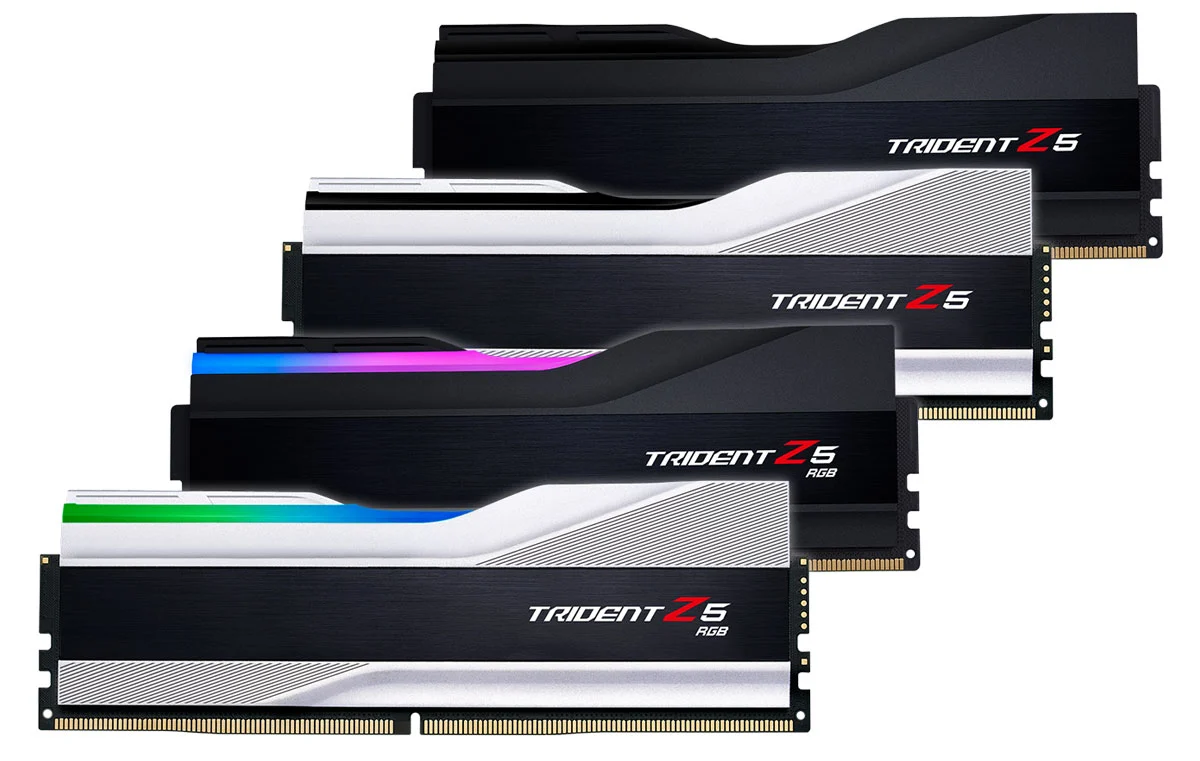
The landscape of PC enthusiast hardware is undergoing a seismic shift. As the industry stands on the precipice of the next generation of consumer desktop platforms—most notably Intel’s 12th Generation Alder Lake processors—the race to dominate the memory market has reached a fever pitch. While manufacturers like Corsair have spent months teasing the potential of DDR5, G.Skill has officially thrown down the gauntlet. The company has announced the world’s fastest DDR5 memory kits to date: the Trident Z5 series, featuring blistering speeds of 6600MT/s at CL36-36-36-76 timings.
Main Facts: A New Benchmark for Speed and Latency
The announcement from G.Skill represents a significant technical milestone. The new Trident Z5 32GB (2x16GB) kits are engineered to push the boundaries of what is possible with the new DDR5 standard. By achieving a data rate of 6600MT/s, G.Skill is not merely hitting the base specifications of the JEDEC standard; they are aggressively overclocking the architecture to provide a premium experience for high-end users.
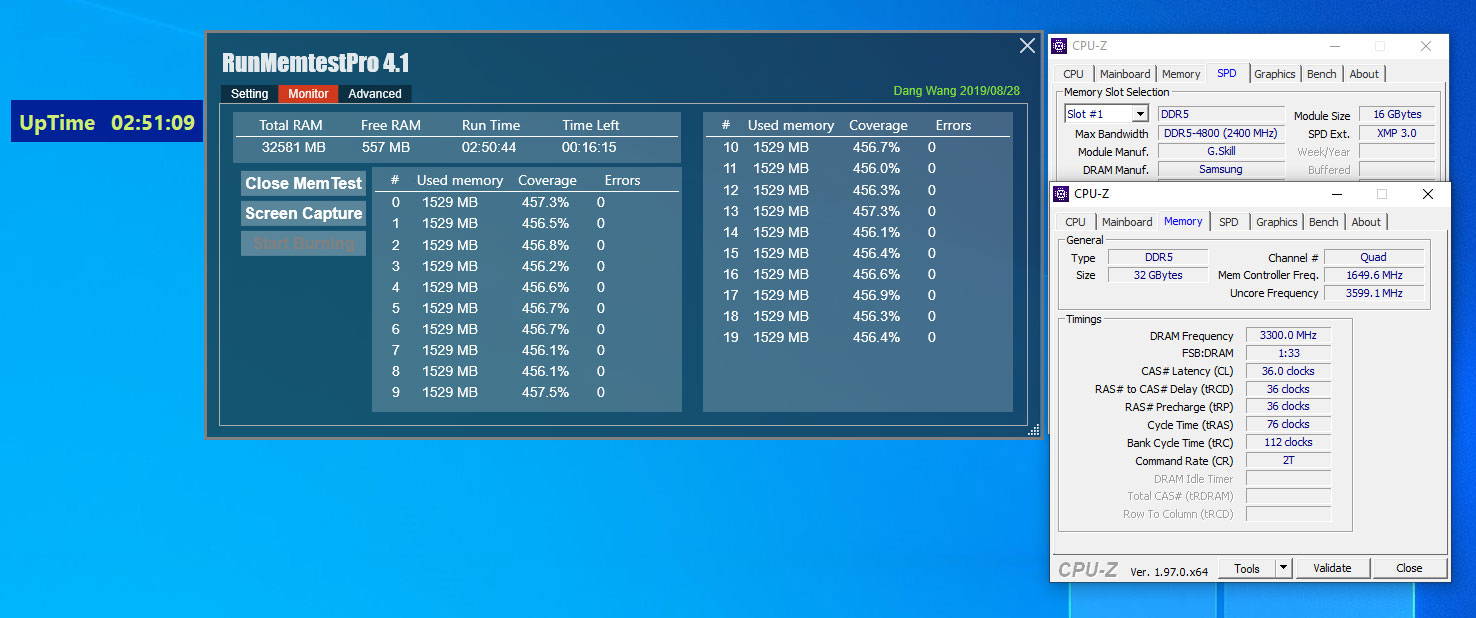
Perhaps more impressive than the raw speed is the aggressive latency profile. While many competitors are launching their initial DDR5 offerings with timings of CL40-40-40-80, G.Skill has managed to tighten the timings to CL36-36-36-76. In the world of high-frequency RAM, lowering latency while increasing bandwidth is the "Holy Grail" of performance engineering. By successfully validating these kits at such tight timings, G.Skill positions the Trident Z5 as the definitive choice for enthusiasts who demand zero-compromise performance from their workstation or gaming rig.
The Chronology of the DDR5 Arms Race
To understand the magnitude of this announcement, one must look at the timeline of the DDR5 transition.
- Early 2021: As specifications for DDR5 were finalized, the industry anticipated a shift from the aging DDR4 standard. Manufacturers began R&D processes, focusing on the integration of On-DIMM Power Management Integrated Circuits (PMIC), which are central to the DDR5 design.
- May 2021: Corsair broke the silence, teasing its upcoming DDR5-6400 RAM sticks. This announcement served as a signal that the market was finally ready for high-frequency modules that exceeded the projected baseline speeds of initial DDR5 launches.
- Mid-2021: Throughout the summer, motherboard manufacturers began leaking information regarding the Z690 chipset and the transition to LGA 1700 sockets, further fueling anticipation for high-speed memory support.
- October 2021: G.Skill officially unveiled the Trident Z5 series. By leapfrogging the 6400MT/s threshold and landing at 6600MT/s, G.Skill successfully reclaimed its reputation as the leader in the extreme-overclocking memory sector.
This progression illustrates a rapid maturation of the technology. Typically, a new memory standard experiences a slow start, but the competitive pressure between giants like G.Skill and Corsair has accelerated the product development cycle, bringing enthusiast-grade speeds to market almost simultaneously with the launch of compatible CPUs.
Supporting Data: Why 6600MT/s Matters
For the average user, the jump from DDR4 to DDR5 might seem purely numerical, but the architecture behind the G.Skill Trident Z5 is fundamentally different. DDR5 introduces a doubling of bank groups, an increased burst length, and, crucially, independent dual 32-bit sub-channels per DIMM.
When G.Skill pairs these architectural advantages with 6600MT/s throughput, the real-world implications involve significantly higher memory bandwidth. This is particularly beneficial for:
- Content Creation: Video editing, 3D rendering, and complex simulations benefit directly from the increased data throughput, reducing export times and improving viewport responsiveness.
- Professional Workstations: Tasks involving massive datasets—such as machine learning inference or large-scale data analysis—benefit from the reduced bottlenecking between the CPU and system memory.
- High-Refresh Gaming: While gaming is often CPU-bound, minimum frame rates (the "1% lows") are notoriously sensitive to memory latency and bandwidth. The Trident Z5’s tight CL36 timings aim to stabilize these lows, providing a smoother, more consistent gaming experience.
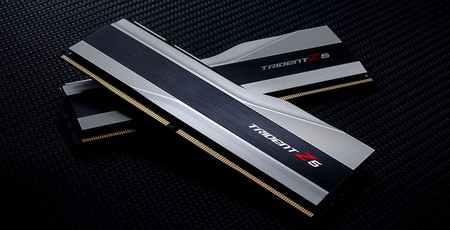
G.Skill achieves these specs through rigorous binning. Much like their previous success with high-speed DDR4 kits, the company sources premium Samsung DDR5 Integrated Circuits (ICs) and subjects them to a proprietary stress-testing process. Only the silicon capable of maintaining stability at these extreme frequencies and voltages is selected for the Trident Z5 kits.
Official Responses and Design Philosophy
G.Skill has consistently positioned its Trident Z series as the "ultimate performance choice." The design philosophy behind the Z5 is a blend of extreme industrial performance and aesthetic sophistication.
The standard Trident Z5 modules feature a sleek, piano-black top bar, exuding a minimalist, high-end feel. However, recognizing the market’s appetite for customization, G.Skill has also announced the Trident Z5 RGB series. This variant incorporates a translucent light bar, optimized for smooth, diffused RGB lighting effects. The goal is to provide a kit that performs like an industrial tool while looking like a center-piece component for a show-case PC build.
In their official communications, G.Skill representatives have emphasized that the validation of these kits at 6600MT/s is a testament to the maturation of the DDR5 ecosystem. By focusing on binning processes that allow for lower latency, the company aims to differentiate itself from manufacturers who may rely solely on high frequency at the expense of timing performance.
Implications for the Consumer Market
While the excitement surrounding these memory kits is palpable, the market faces several hurdles, most notably regarding pricing and availability.
The "Early Adopter" Premium
Industry analysts estimate that the initial wave of DDR5 memory will carry a significant premium—potentially up to 50% more expensive than equivalent capacity DDR4 kits. This is due to the integration of new power management components on the modules themselves and the limited supply of high-grade, high-speed DDR5 ICs. Consumers looking to upgrade to a platform that supports DDR5 should prepare for a high barrier to entry.
The Question of Compatibility
Because these kits operate at such high speeds, stability will be heavily reliant on the motherboard’s trace design and the CPU’s integrated memory controller (IMC). While G.Skill’s validation processes are extensive, enthusiasts should ensure their motherboard’s QVL (Qualified Vendor List) supports these specific frequencies. Using a kit at 6600MT/s requires a robust BIOS and high-quality motherboard VRMs to ensure that the memory stays stable under heavy load.
Future-Proofing
Despite the cost, the move to DDR5 is inevitable. As software and games begin to demand more bandwidth, the headroom offered by these G.Skill modules will provide a longer useful life for a PC build. While DDR4 served the industry faithfully for nearly a decade, the shift to 6600MT/s and beyond marks the beginning of a new era where memory speed is no longer a secondary consideration, but a primary pillar of system performance.
Conclusion: A New Standard for the Enthusiast Community
The announcement of the G.Skill Trident Z5 DDR5-6600 CL36 memory kits is more than just a spec-sheet victory; it is a signal to the industry that DDR5 is ready for primetime. By pushing the limits of frequency and latency simultaneously, G.Skill has set a high bar for competitors and provided a tantalizing glimpse into the potential of the new Alder Lake platform.
As we await the retail launch and subsequent independent benchmarking, one thing is clear: the divide between standard memory and enthusiast-grade RAM has never been more pronounced. For those willing to pay the premium, the Trident Z5 represents the pinnacle of current memory technology, promising a level of performance that will define the desktop PC experience for the next several years. Whether you are an overclocker chasing a world record or a professional looking to optimize your workflow, G.Skill’s latest offering is a compelling reminder of why, even in an era of cloud computing and mobile devices, the high-performance desktop remains the ultimate machine.












No comments yet. Be the first to join the conversation!