

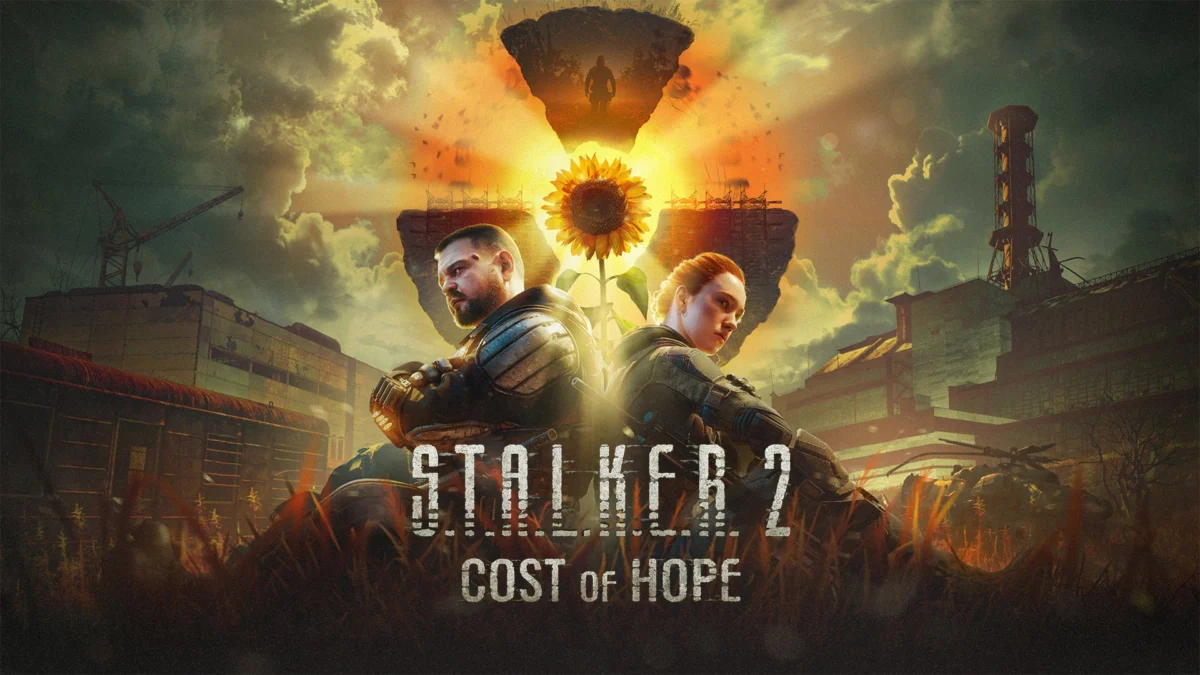
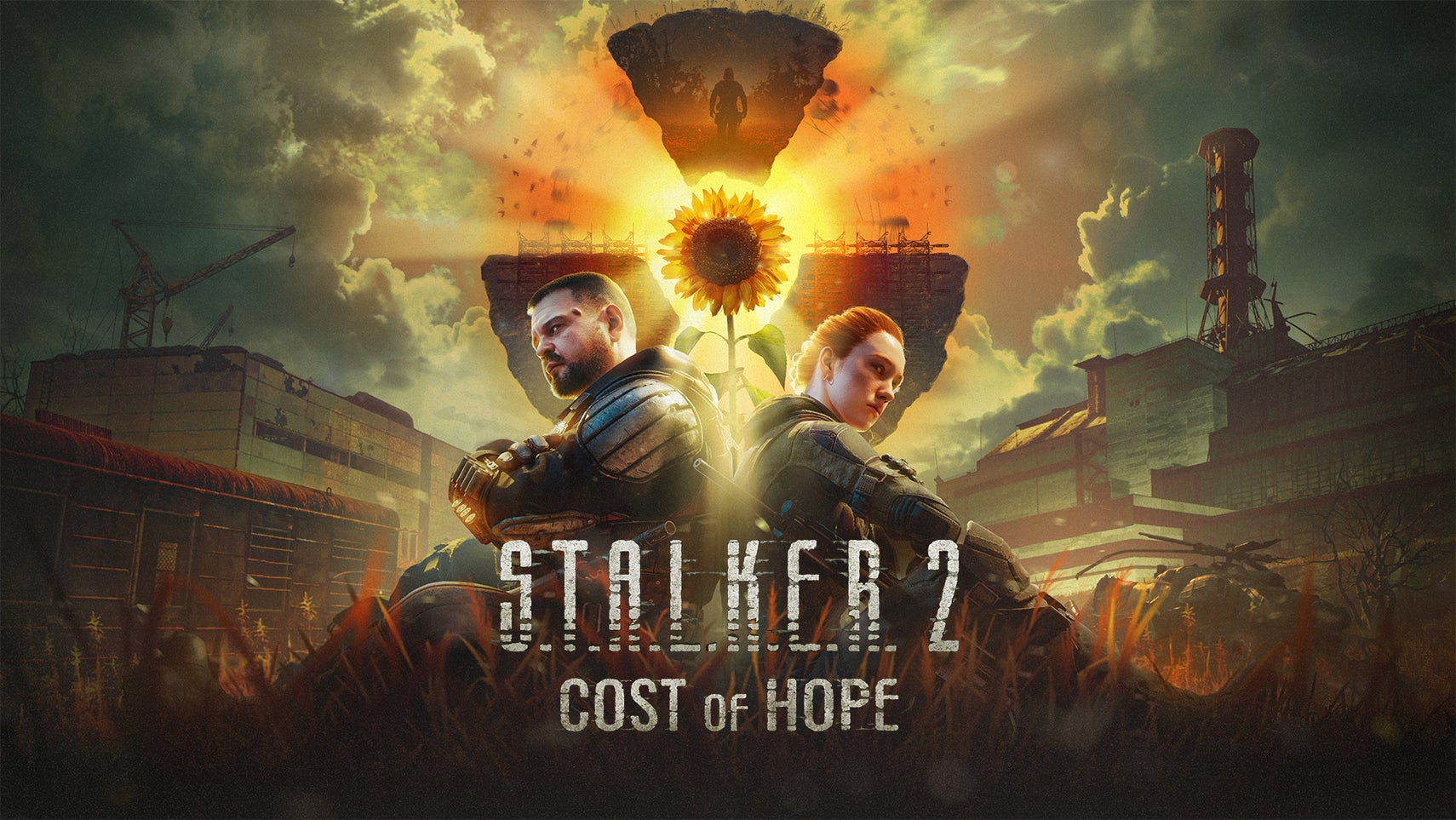
The post-apocalyptic landscape of the Chornobyl Exclusion Zone is expanding. During the latest Xbox Partner Preview showcase, developer GSC Game World surprised the gaming community by announcing the first major expansion for their atmospheric survival-shooter, S.T.A.L.K.E.R. 2: Heart of Chornobyl. Titled Cost of Hope, this upcoming add-on promises to deepen the narrative tapestry of the series, offering players a return to the haunting, radiation-soaked environments that have defined the franchise for nearly two decades.
Main Facts: What We Know About ‘Cost of Hope’
The Cost of Hope expansion represents a significant commitment from GSC Game World to broaden the scope of S.T.A.L.K.E.R. 2. While the base game established a high bar for environmental storytelling and survival mechanics, this new expansion aims to introduce a "non-linear" narrative structure that builds directly upon the foundations of the Heart of Chornobyl.
Key Highlights:
- Narrative Scope: Players will once again step into the boots of Skif, the protagonist of the main game. The events of the expansion run parallel to the original campaign, providing a new perspective on the escalating tensions within the Zone.
- Geographic Expansion: The expansion introduces two entirely new, sprawling regions. Perhaps most exciting for long-time fans is the inclusion of the Chornobyl Nuclear Power Plant itself, alongside the mysterious Iron Forest.
- Content Density: GSC Game World has stated that these new regions will be fully fleshed out with their own unique hub areas, specialized NPCs, intricate side quests, and diverse activities. The developers are touting "dozens of hours" of additional gameplay.
- Faction Conflict: The core of the narrative centers on the ideological war between the Duty and Freedom factions. Their diametrically opposed views on the Zone—and what should be done with its anomalous energy—will serve as the primary catalyst for the player’s choices.
- Arsenal Additions: True to the series’ roots, the expansion will introduce a suite of new weapons, allowing players to adapt their combat style to the increasingly dangerous threats found deeper in the Exclusion Zone.
A Chronology of the Zone: From Heart to Hope
The history of S.T.A.L.K.E.R. 2 has been one of resilience. Following a long and tumultuous development cycle, the release of Heart of Chornobyl marked a watershed moment for the studio. The announcement of Cost of Hope effectively creates a roadmap for the future of the series.
The developers have confirmed that Cost of Hope is not a standalone experiment but a crucial piece of a larger puzzle. When combined with the base game and a third, yet-to-be-detailed story expansion, the developers intend to create a "trilogy of interconnected stories."
While the exact release date remains a moving target, GSC Game World has committed to a "summer" release window for 2026. This launch will be simultaneous across all major platforms, including PC, Xbox Series X/S, and PlayStation, ensuring that no segment of the community is left behind as the story continues to unfold.
Supporting Data: The Expanding Scope of Survival
To understand the scale of Cost of Hope, one must look at the technical and design philosophy driving GSC Game World. The S.T.A.L.K.E.R. series has always been defined by its "A-Life" system—an advanced artificial intelligence engine that simulates the life and behavior of creatures and NPCs even when the player is not present. By adding two new regions, the developers are not just adding map space; they are adding new layers to this systemic simulation.
The Power Plant and the Iron Forest
The inclusion of the Chornobyl Nuclear Power Plant is a significant lore milestone. In the original games, the plant served as the endgame destination—the "Holy Grail" for stalkers. By allowing players to explore it as part of an expansion, GSC is signaling a desire to push the narrative into the heart of the Zone’s anomalies.
The Iron Forest, conversely, offers a different environmental challenge. Historically depicted as a landscape of twisted metal and high-level electrical anomalies, its inclusion suggests that the expansion will focus heavily on high-stakes exploration where environmental hazards are just as deadly as enemy factions.
Official Responses: GSC Game World’s Vision
The reception at the Xbox Partner Preview was overwhelmingly positive, reflecting the community’s hunger for more content in the S.T.A.L.K.E.R. universe. In statements accompanying the trailer, representatives from GSC Game World emphasized that Cost of Hope is designed to address player feedback while expanding the "non-linear" nature of the game’s choices.
"The Zone doesn’t just sit still; it breathes, it changes, and it traps those who try to tame it," said a spokesperson for the studio. "With Cost of Hope, we wanted to explore the human cost of the conflict between Duty and Freedom. It’s not just about the loot or the anomalies; it’s about the philosophy of survival in a place that shouldn’t exist."

The decision to reveal the expansion shortly before its projected launch window is a deliberate strategy. By avoiding a protracted marketing campaign, the studio aims to keep expectations grounded while maintaining the sense of mystery that is central to the S.T.A.L.K.E.R. experience.
Implications for the Future of the Franchise
The implications of Cost of Hope are profound for the longevity of S.T.A.L.K.E.R. 2. In an industry increasingly dominated by "live service" titles that require constant, often shallow updates, GSC Game World appears to be taking a different approach: the "Expansion Pack" model.
1. Narrative Continuity
By framing the base game and the two upcoming expansions as a trilogy, the studio is providing a cohesive narrative experience that respects the player’s time. This structure allows for meaningful character development for Skif and deeper exploration of the faction politics that define the Zone.
2. Technical Longevity
The S.T.A.L.K.E.R. modding community is legendary, often keeping the original games alive for over a decade. By providing two massive, officially supported regions, GSC is effectively handing new tools and environments to the modding community, ensuring that the game’s life cycle will likely extend well beyond the content provided in the expansion itself.
3. Setting a Standard for Expansion
Many developers struggle to balance the "core" experience with expansion content. If Cost of Hope successfully integrates with the base game’s non-linear quest structure, it could serve as a blueprint for how to expand survival games without breaking the immersion or balance of the original campaign.

Looking Ahead to Summer 2026
As we move closer to the summer of 2026, anticipation for Cost of Hope will undoubtedly mount. The prospect of navigating the radioactive ruins of the Chornobyl power plant, caught between the rigid authoritarianism of Duty and the anarchic, preservationist ideals of Freedom, is a compelling hook for any fan of immersive sims or survival shooters.
For those who have already conquered the Heart of Chornobyl, Cost of Hope serves as an invitation to return. For those who have yet to brave the Zone, the upcoming expansion creates an even more compelling entry point into one of gaming’s most challenging and atmospheric franchises.
GSC Game World has promised more details in the coming months, including a firm release date and deeper dives into the specific mechanics of the new regions. Until then, the Zone remains as it always has: waiting, dangerous, and full of secrets for those brave enough to seek them out. Whether you are a veteran stalker or a newcomer, the road to the heart of the Exclusion Zone is about to get much longer—and significantly more treacherous.











No comments yet. Be the first to join the conversation!