Dwi Wanna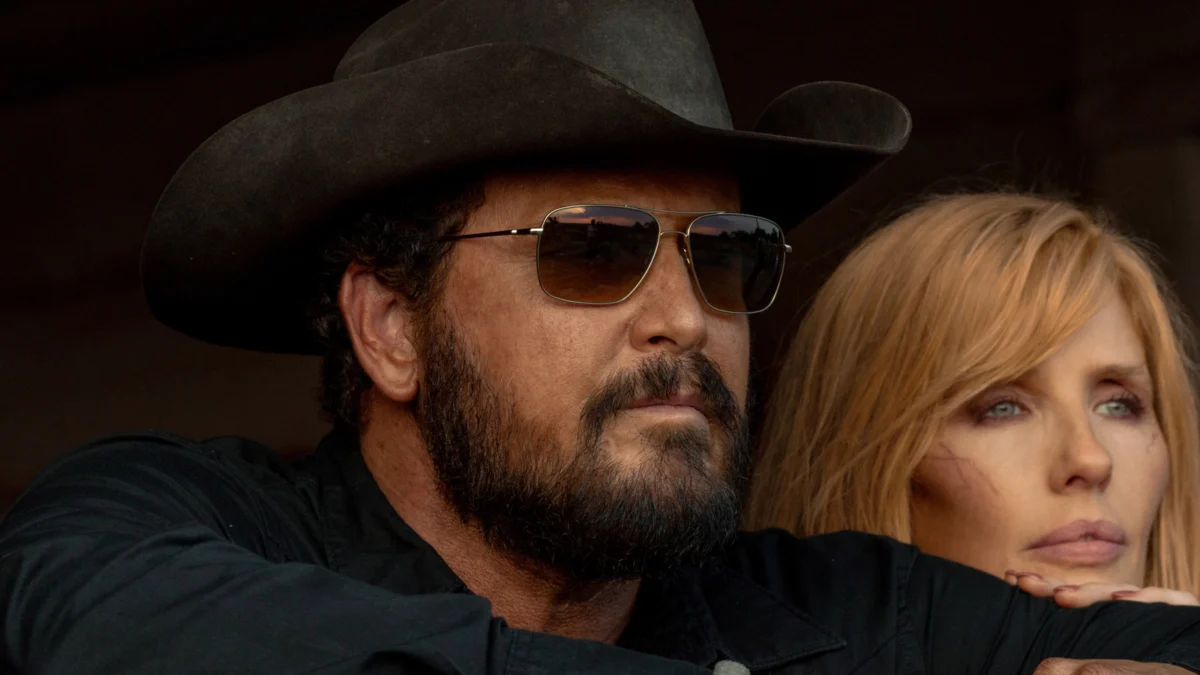
By [Your Name/Editorial Desk]
Warning: This article contains major spoilers for "Dutton Ranch," Episode 2, "Earn Another Day."
The legacy of the Dutton family has always been defined by a precarious balance: the preservation of a generational land empire against the violent, often extra-legal measures required to keep it. In the flagship series Yellowstone, this balance was literally represented by the "Train Station"—a remote, geographic loophole in the Montana wilderness where the Duttons disposed of those who dared to cross them. As the original saga concluded, many fans hoped that Rip Wheeler and Beth Dutton, having relocated to the harsh landscapes of South Texas, might leave the blood-soaked history of the Montana ranch behind them.
However, the second episode of the spin-off series Dutton Ranch, titled "Earn Another Day," suggests that the apple does not fall far from the tree. In a chilling sequence that serves as a narrative bridge between the old ways and the new, Rip Wheeler has officially established a successor to the Train Station, cementing the idea that for the Duttons, peace is merely a temporary interlude before the next body needs a place to rest.
The Evolution of the Dutton Disposition Strategy
For years, the Train Station in Yellowstone served as a grim shorthand for the family’s ultimate authority. It was a place beyond the reach of traditional jurisdiction, a "Zone of Death" that turned the law into a suggestion rather than a mandate. The finality of the Train Station was underscored by the fate of Jamie Dutton, who met his end at the hands of his sister, Beth, effectively closing the book on the Montana era of the family’s internecine warfare.
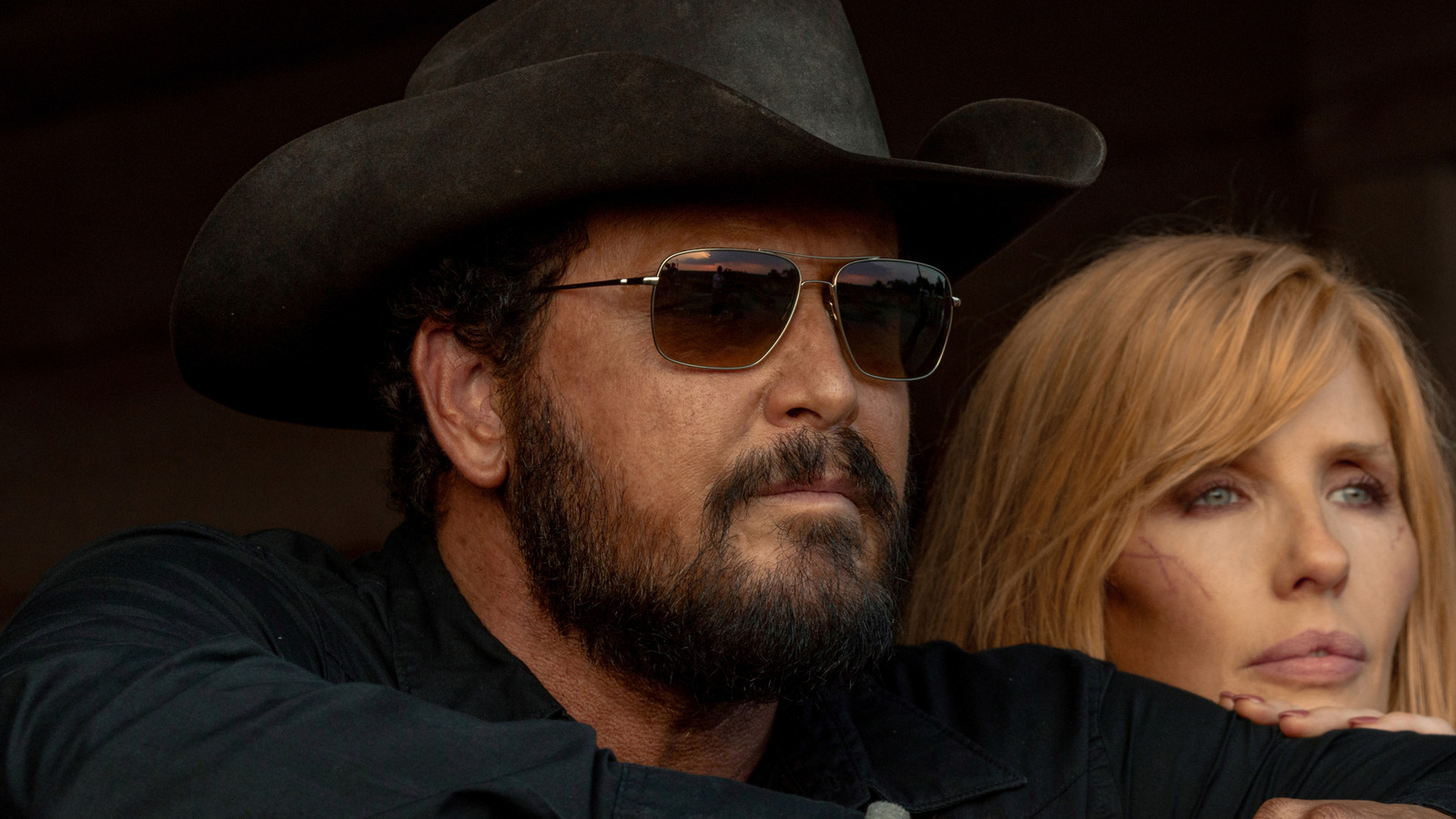
In Dutton Ranch, the stakes have shifted. The move to Texas represents a fundamental change in environment—a new ranch, a new set of local power brokers, and, inevitably, a new set of problems. Rip Wheeler, ever the pragmatist, understands that while the setting changes, the necessity of silence does not. The discovery of Wes’s body—the former foreman of the 10 Petal Ranch—at the end of Episode 1 served as the catalyst. After being killed by the paranoid Rob-Will, Wes’s remains became a liability. Rip’s decision to move that body from his own property was not merely a cleanup operation; it was a tactical necessity to ensure that their new life in Texas remained undisturbed by the encroaching shadows of the past.
Chronology of a Cold Disposal: "Earn Another Day"
The transition to the new disposal site is detailed with a slow, agonizing precision that distinguishes Dutton Ranch from its predecessor. The timeline of the episode highlights the methodical nature of Rip’s "ranch management."
- The Recruitment: Rip brings on Zachariah Moss, a man with a checkered past and a need for a fresh start. This recruitment serves to show that the ranch is growing, but it also introduces an observer—someone who will eventually be forced to grapple with the morality of his new employer.
- The Reconnaissance: During a routine drive, Rip’s gaze lingers on a derelict mine shaft. To the untrained eye, it is merely an eyesore or a relic of the industrial past. To Rip, it is an opportunity. He identifies the terrain with the same strategic focus he once applied to the Montana landscape.
- The Extraction: As the episode draws to a close, the tension shifts to the domestic sphere. Rip and Beth share a moment of quiet in bed, a fleeting glimpse of the life they are trying to build. But the moment is short-lived. Rip leaves the bed—and the facade of normalcy—to head to the stables.
- The Act: The sequence of moving the body, which had been stored in a padlocked freezer, is cinematic and deliberate. There is no haste, only the heavy, familiar weight of a man who has done this a thousand times before. He drives the body to the mine and commits it to the shaft, effectively christening the site as the new Train Station.
Supporting Data: Why the Mine Shaft Matters
The shift to an abandoned mine is not merely a logistical choice; it is a symbolic one. In the context of the Yellowstone universe, the Train Station was a natural, geographic anomaly—a place where the land itself seemed to swallow the sins of the Duttons. The mine, by contrast, is a human-made construct. It represents the scars left on the earth by greed and industry, mirroring the internal scars of the characters themselves.
By choosing a mine, Rip is engaging in a form of environmental recycling. He is using the wreckage of the past to bury the present. This location provides a level of security that the open-air Train Station could never offer. It is a vertical grave, harder to access, harder to police, and far more permanent. The "ominous drone" used in the sound design of this sequence signifies that this is not a one-off event; it is a foundational pillar of their new operation.
Official Perspectives and Behind-the-Scenes Implications
While Paramount+ has not released an official statement regarding the "moral trajectory" of the characters, the creative choices in the episode speak volumes. The production design of the mine shaft location was intentionally stark, stripped of the grandeur of the Montana plains to emphasize the gritty, claustrophobic reality of the Texas ranching life.
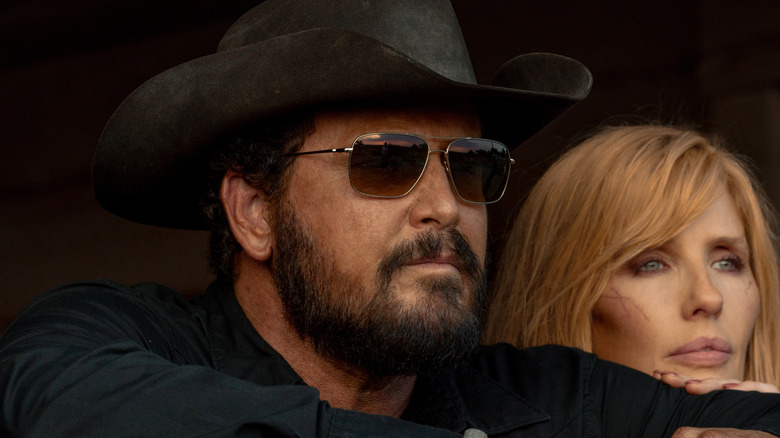
Cole Hauser’s portrayal of Rip Wheeler continues to be the anchor of this series. His performance in the final minutes of Episode 2—the way he moves with a weary, practiced efficiency—suggests that Rip is not merely a henchman, but a curator of the Dutton family’s dark legacy. The writers are clearly signaling that while Rip and Beth may have moved to Texas to escape the "heinous things" they did in Montana, they have brought the architecture of their morality with them.
Implications for the Future of ‘Dutton Ranch’
The most immediate implication of the mine shaft discovery is the role of Zachariah Moss. As he watches Rip leave the ranch in the dead of night, the power dynamic is irrevocably altered. Moss is no longer just a hired hand; he is a witness. In the Yellowstone universe, witnesses are the most dangerous variables in the equation.
Furthermore, the choice of the mine shaft suggests that the Duttons are preparing for a long-term presence in Texas. They aren’t just visiting; they are digging in—literally and figuratively. The existence of a "dumping ground" implies that the writers anticipate a high body count in the episodes to come. As Rob-Will and Joaquin continue their search for the missing Wes, the tension between the ranch and the surrounding community will likely reach a boiling point.
The Train Station was the end of the line in Yellowstone. The mine shaft, however, feels like the beginning of something else. It is a declaration that the Duttons are not interested in integration or assimilation; they are interested in dominion. Whether this new location will prove to be as impenetrable as the Montana site remains to be seen, but one thing is certain: the darkness hasn’t been left behind. It has simply been relocated to a deeper, more permanent place.
As fans continue to stream Dutton Ranch on Paramount+, the question remains: how many more secrets will the mine shaft hold before the surface inevitably cracks? If history is any indicator, the Duttons have a way of filling every hole they dig, until the land itself starts to speak.


 Muslim