Iffa Jayyana
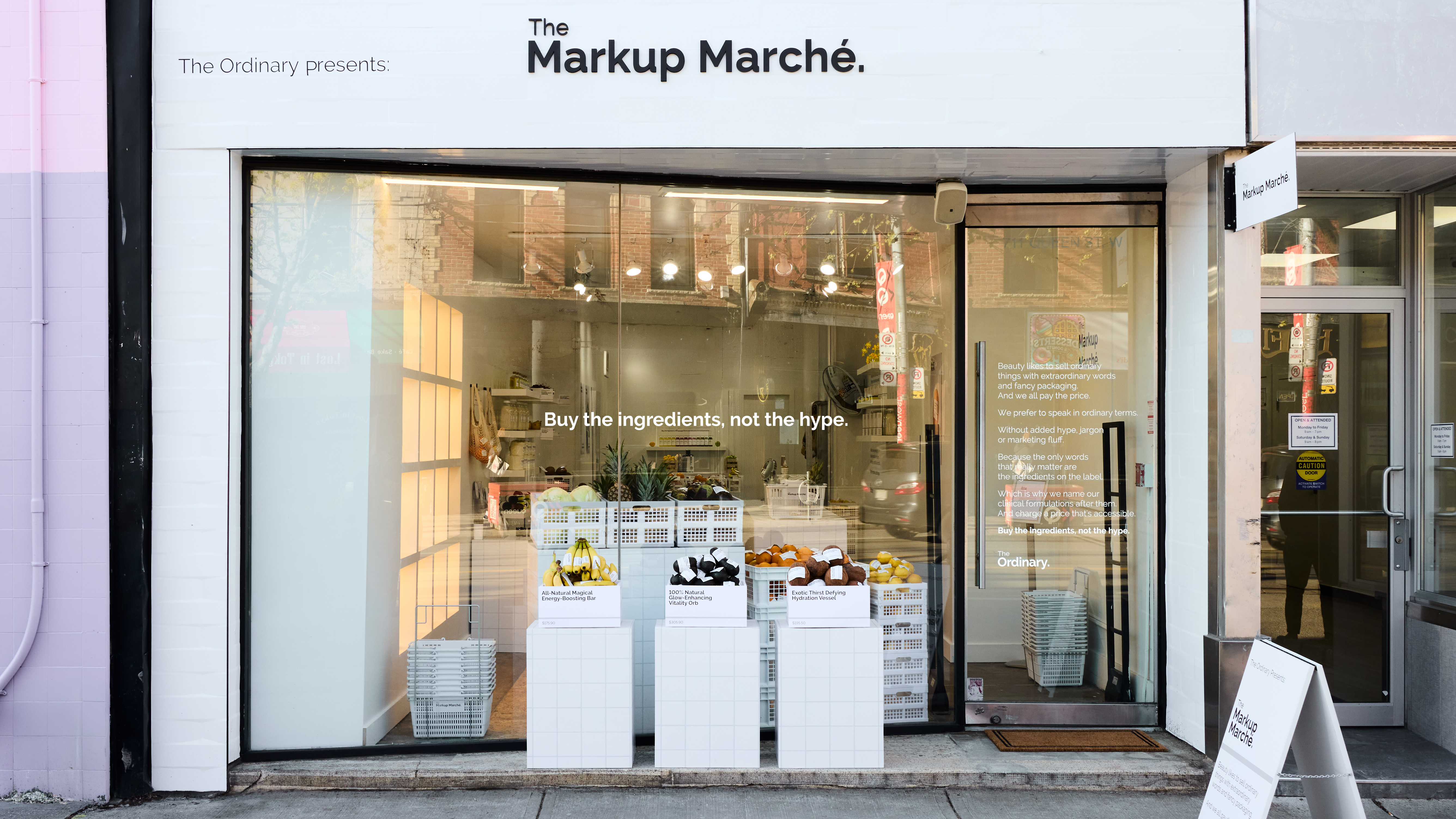
In an era defined by inflation, cost-of-living crises, and a growing skepticism toward corporate pricing, one skincare brand has decided to turn the mirror on the beauty industry itself. The Ordinary, a brand built on the pillars of clinical transparency and accessible pricing, recently launched a satirical pop-up installation in London titled the "Markup Marché." The premise is simple yet devastatingly effective: take the most mundane, everyday grocery items and apply the hyper-inflated, jargon-heavy marketing tactics commonly used by prestige beauty houses.
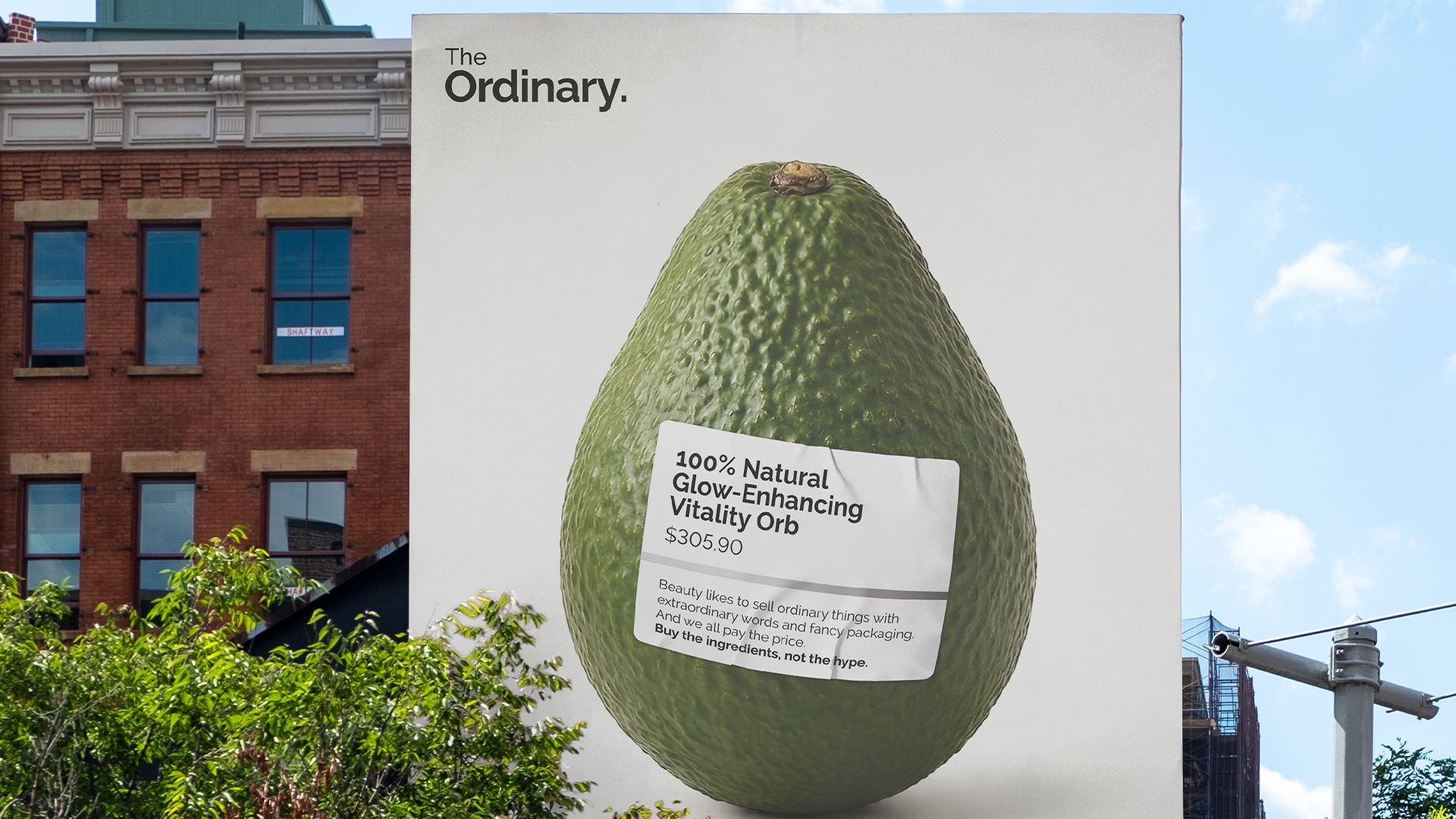
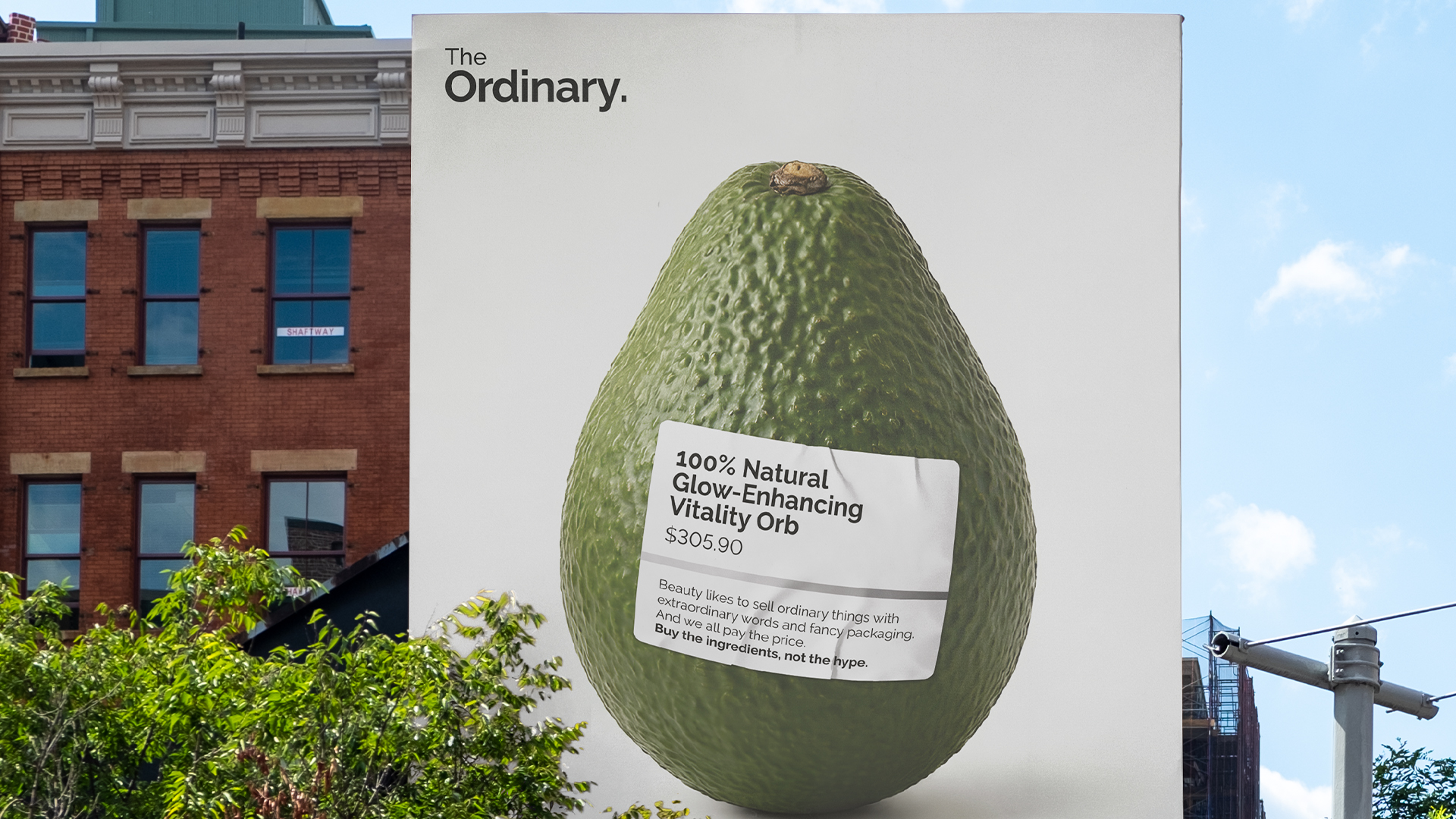

The result? Bananas priced at $175.90 and avocados—those ubiquitous staples of the modern brunch—retailing for a staggering $305.90. While the prices are intentionally comical, the underlying message is a serious indictment of the "luxury" cosmetic sector.
The Chronology of a Campaign: From Concept to Consumer Critique
The concept behind the Markup Marché was developed in collaboration with the renowned Uncommon Creative Studio. The project was not merely a pop-up store; it was a conceptual art piece designed to force consumers to confront the psychology of value.
The installation opened its doors to a public that was immediately struck by the juxtaposition of a sterile, high-end aesthetic applied to a greengrocer’s inventory. By stripping away the clinical, scientific, or "magical" claims that typically justify a $200 face cream, and instead pasting them onto a piece of fruit, The Ordinary forced a visceral reaction from its audience.
Throughout the duration of the event, visitors were invited to engage with "The Jargon Bar," a mock-juice stand that served standard refreshments rebranded with the nonsensical, buzzword-laden descriptions found on luxury serum bottles. The event culminated in a participatory experience where attendees could design their own "luxury" labels, further deconstructing the artifice of brand positioning.
The Anatomy of "Luxury" Pricing
To understand why a consumer might be psychologically predisposed to pay more for an item, one must look at the linguistics of luxury. The Ordinary’s campaign highlights how "posh-sounding" jargon creates an aura of exclusivity.
In the beauty world, a product is rarely just a moisturizer. It is a "bio-adaptive, radiance-enhancing, cellular-renewal complex." When these linguistic tricks are stripped of their context and applied to a banana—rechristened as an "All-Natural Magical Energy-Boosting Bar"—the absurdity becomes glaring. The experiment serves as a masterclass in semiotics, demonstrating that value is often not inherent in the product, but rather constructed through language, packaging, and the promise of transformation.
Supporting Data: The Psychology of the Premium Trap
The Ordinary’s stunt is backed by startling data regarding consumer behavior. It is a well-documented phenomenon in marketing science that packaging and framing significantly alter perceived value.
- The Magic Premium: Recent market research suggests that nearly 20% of UK consumers would be willing to pay an additional £20 for a product if it were marketed using "magical" or "transformative" language, regardless of the actual efficacy of the ingredients.
- The Packaging Tax: In the United States, data indicates that consumers are willing to pay up to 45% more for an identical product simply because it is presented in premium, high-quality packaging.
- The "Science" Shield: Consumer studies have shown that the mere inclusion of technical or scientific-sounding terminology—even if the terms are vague or scientifically illiterate—increases the likelihood of a purchase by 30% among non-specialist buyers.
These figures illustrate that the "Markup Marché" is not just a joke; it is a reflection of a systemic bias in how we shop. We are, as a society, trained to equate price with quality, a cognitive shortcut that brands have spent decades weaponizing.
Official Responses and the Industry Perspective
The reception to the campaign has been overwhelmingly positive, particularly from industry observers who have long criticized the lack of transparency in the beauty sector. Nils Leonard, Co-Founder of Uncommon Creative Studio, summarized the intent behind the initiative during the launch:
"We wanted to take the codes the beauty industry relies on—language, packaging, presentation—and apply them to the most familiar products possible. When you see those same tactics used on everyday items, it exposes just how powerful and sometimes absurd those signals of value can be."
While no major luxury conglomerates have issued a formal statement in defense of their pricing models, the silence is telling. The Ordinary has effectively "called out" the industry’s reliance on "empty word salad," creating a standard of transparency that their competitors struggle to match. By positioning themselves as the antidote to this cycle of inflation, The Ordinary has reinforced its brand identity as the "honest" alternative.
The Broader Implications: What Does This Mean for the Future?
The implications of this campaign extend far beyond the beauty aisle. As consumers become more financially literate and environmentally conscious, the tolerance for "empty" luxury is waning.
1. The Death of the "Luxury Tax"
Brands that rely on excessive markups justified by vague promises may find themselves in an increasingly precarious position. If a brand cannot clearly articulate the functional value of its product, the modern consumer is now more likely to view that "luxury" status as a red flag rather than a selling point.
2. The Rise of "Radical Transparency"
The success of The Ordinary’s business model—which focuses on ingredient-led, affordable products—suggests that transparency is becoming the new luxury. Consumers are beginning to prize the ability to understand exactly what they are buying over the feeling of being part of an exclusive club.
3. The Power of "Anti-Advertising"
The Markup Marché demonstrates that "anti-advertising"—campaigns that critique the industry they inhabit—is a powerful tool for brand loyalty. By mocking the very tactics that competitors use to charge a premium, The Ordinary builds a "tribe" of informed, cynical, and highly loyal followers.
Is Luxury Dead, or Just Evolving?
The question remains: does the existence of the Markup Marché mean the end of luxury goods? Not necessarily. True luxury—defined by craftsmanship, sustainable sourcing, and genuine technological innovation—still holds a place in the market. However, the "perceived luxury" that relies solely on marketing, status, and inflated pricing is under siege.
When a consumer looks at a $305 avocado, they are forced to laugh at the absurdity. That laughter is the first step toward breaking the spell. If the beauty industry continues to rely on vague promises and inflated price tags, they risk alienating a generation of consumers who no longer buy into the "magic."
Conclusion: A Call for Critical Consumption
The Ordinary has provided more than just a viral moment; they have provided a framework for critical consumption. The next time you find yourself browsing a luxury boutique or a high-end department store, take a moment to look past the gold-embossed packaging and the "radiance-enhancing" claims. Ask yourself: am I paying for the product, or am I paying for the narrative?
As we move forward in an economy that demands more accountability, the Markup Marché serves as a reminder that the most valuable commodity of all is not "glowing, vitality-enhanced skin," but rather the truth about what we are actually buying. The Ordinary has set a new benchmark for brand engagement: stop selling the dream, and start selling the reality. Whether the rest of the industry chooses to follow suit, or continues to sell $305 avocados, remains to be seen—but for now, the consumer is watching, and they are starting to ask the right questions.


 Muslim
 Siti Muinah