

By [Your Name/Journalistic Desk]
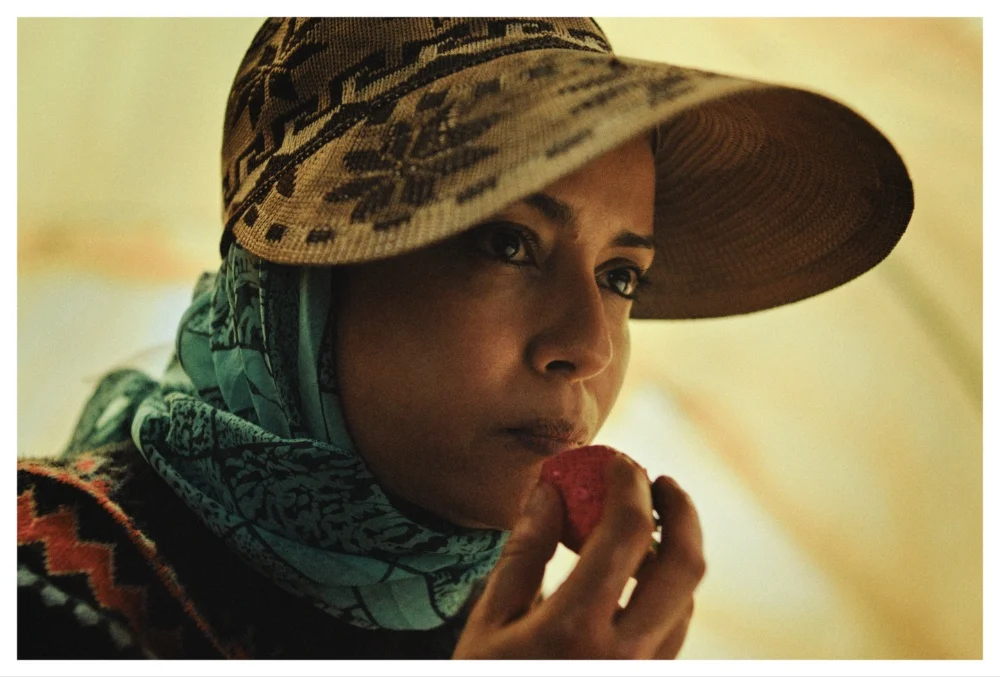
The Cannes Film Festival has long served as a global stage for narratives that challenge the status quo, and this year, the Un Certain Regard selection is anchored by a poignant and urgent work: Strawberries. Directed by the Casablanca-born, Paris-based filmmaker Laila Marrakchi, the film marks a significant thematic departure for a director previously known for her sharp, stylized examinations of Morocco’s affluent elite. With Strawberries, Marrakchi pivots to the grueling, often invisible reality of Moroccan seasonal laborers in Southern Spain, offering a cinematic testament to female agency, exploitation, and the shattering of the “European Dream.”
The Genesis of a Movement: From Investigation to Cinema
The journey toward Strawberries began not on a film set, but in the sprawling, plastic-covered greenhouses of Huelva, Andalusia. Marrakchi’s inspiration was sparked by a close friend, a journalist working on an investigative piece for The New York Times regarding the systemic exploitation of female migrant workers.
“My friend was assigned to do an article about this, and I went with her to Andalusia,” Marrakchi explains. “I really discovered another world. I was moved by the women I met—mothers who leave their families behind, hoping for a better life in Morocco after enduring back-breaking labor.”
What began as a research trip evolved into a profound artistic mission. Marrakchi realized that the story required more than a documentary lens; it needed the emotional resonance of narrative fiction to capture the internal world of the women who arrive in Spain seeking a second chance, only to find their illusions dismantled by structural abuse, economic coercion, and sexual harassment.
A New Chapter in Marrakchi’s Filmography
To understand the weight of Strawberries, one must consider the trajectory of Laila Marrakchi’s career. Her debut feature, Marock (2005), garnered international attention at Cannes for its vibrant, nuanced depiction of Casablanca’s bourgeois youth. She continued this exploration of social strata with Rock the Casbah (2013).
In the interim, Marrakchi expanded her craft into the high-stakes world of prestige television, directing episodes for Damien Chazelle’s Netflix musical drama The Eddy and the internationally acclaimed French intelligence thriller The Bureau (Le Bureau des Légendes). This experience in long-form, character-driven storytelling provided her with the tools to handle the delicate balance between the macro-issues of labor migration and the intimate, micro-struggles of her protagonist, Hasna.
“I had always wanted to make a film about this type of woman,” Marrakchi says. “Not a ‘miserable’ film, but something about their strengths. They don’t have any skills, they don’t have any resources, but they possess an incredible, steely capacity to survive.”
Chronology of Production: Navigating Reality and Fiction
The transition from the initial investigative spark to the finished film was a complex process of creative distillation.

- 2022–2023: The Investigative Phase: Marrakchi and her team spent months documenting the conditions in Huelva, interviewing laborers who had been subjected to inhumane living standards and systemic harassment.
- The Scripting Phase: Partnering with screenwriter Delphine Agut, Marrakchi made the conscious decision to pivot away from a strictly biographical approach. “It was really complicated, and I wasn’t making a documentary,” she notes. “We decided it was best to take some distance from what we had seen and read, and work with our imagination.”
- The Casting Strategy: A pivotal moment in the production occurred during the casting process. While Marrakchi briefly considered using actual farm workers to heighten the film’s realism, she ultimately opted for professional actors. The choice was driven by ethical considerations: “It’s a lot of responsibility when you work with non-actresses. After the film, what’s going to happen to them? I didn’t want to expose them further.”
- The Selection of Nisrin Erradi: The role of Hasna, the film’s central figure, required an actor capable of conveying both vulnerability and quiet defiance. Marrakchi found her lead in Nisrin Erradi, having been struck by her powerful performances in Everybody Loves Touda and Adam.
Supporting Data: The Shadow of Huelva
The reality underpinning Strawberries is well-documented, though often shielded from European consumer eyes. The Huelva region in Spain is the heart of Europe’s strawberry production, an industry that relies heavily on the "seasonal worker" model.
According to reports from human rights organizations and labor watchdogs, the migrant labor force—largely composed of women from Morocco and Eastern Europe—frequently faces:
- Wage Theft and Contract Violations: Many workers arrive under the impression of a fixed salary, only to find their earnings docked for food, housing, and transport.
- Inhumane Living Conditions: Workers are often housed in rudimentary, makeshift settlements without access to clean water or sanitation.
- Gender-Based Violence: The power dynamic between landowners and isolated female workers creates a high risk of sexual exploitation and intimidation.
Marrakchi’s film brings these statistics to life, transforming "migrant worker" from a political term into a human narrative.
Official Responses and Production Obstacles
The sensitivity of the subject matter meant that the production was not without its challenges. During the scouting phase in Spain, the team encountered significant resistance. As news of the film’s intent spread, local entities became increasingly guarded.
“People get scared when they see a camera,” Marrakchi admits. The pervasive fear of exposure regarding the exploitation of laborers made on-location filming in some parts of Andalusia impossible. Consequently, the team made the tactical decision to film the greenhouses in Morocco, utilizing their own production design to recreate the claustrophobic reality of the Spanish farms.
Implications: A Call for Global Accountability
Strawberries arrives at a time when the debate surrounding migration, labor rights, and the ethical footprint of the agricultural industry is at a fever pitch. By choosing to frame the story through the female prism, Marrakchi highlights the specific intersectional vulnerabilities these women face—not just as migrants, but as mothers and women working in a system that views them as expendable commodities.
The film does not attempt to offer a simple resolution to a global crisis. Instead, it offers a mirror. It asks the audience to consider the human cost of the produce that fills supermarket shelves across Europe.
Why It Matters
- Visibility for the Invisible: The film forces a confrontation with the "hidden" laborers of the European economy.
- The Strength of the Protagonist: By focusing on Hasna’s resistance rather than just her victimization, Marrakchi shifts the narrative from one of pity to one of empowerment.
- Artistic Diplomacy: By filming in Morocco, the production highlights the transnational nature of this industry, linking the economic desperation of the home country to the exploitative reality of the destination country.
As Strawberries makes its debut at Cannes, its impact is already being felt. It serves as a stark reminder that behind every economic headline lies a person—and behind every person, a story of immense courage that demands to be heard.
Through her lens, Laila Marrakchi has transformed the "strawberry" from a simple piece of fruit into a potent symbol of global inequality, and more importantly, of the indomitable spirit of those who refuse to be crushed by it. As the film begins its journey from the Croisette to international audiences, it is clear that Strawberries is not just a piece of cinema; it is a vital act of witness.











No comments yet. Be the first to join the conversation!