


The world of Virtual YouTubing (VTubing) has been rocked by the sudden and total dissolution of VShojo, one of the industry’s most prominent talent agencies. Once heralded as a pioneer of the "talent-first" model, the agency has effectively ceased operations following a cascade of severe financial allegations, most notably a charge by top-tier talent Ironmouse that the company failed to remit over $500,000 in charitable funds intended for the Immune Deficiency Foundation (IDF).
The fallout has been swift and absolute, resulting in the mass resignation of the agency’s roster and a public admission of failure from VShojo CEO Justin "GunRun" Ignacio. The collapse serves as a cautionary tale regarding the rapid growth, lack of fiscal oversight, and ethical responsibilities inherent in the burgeoning creator-economy agency model.
The Catalyst: Ironmouse’s Damning Revelation
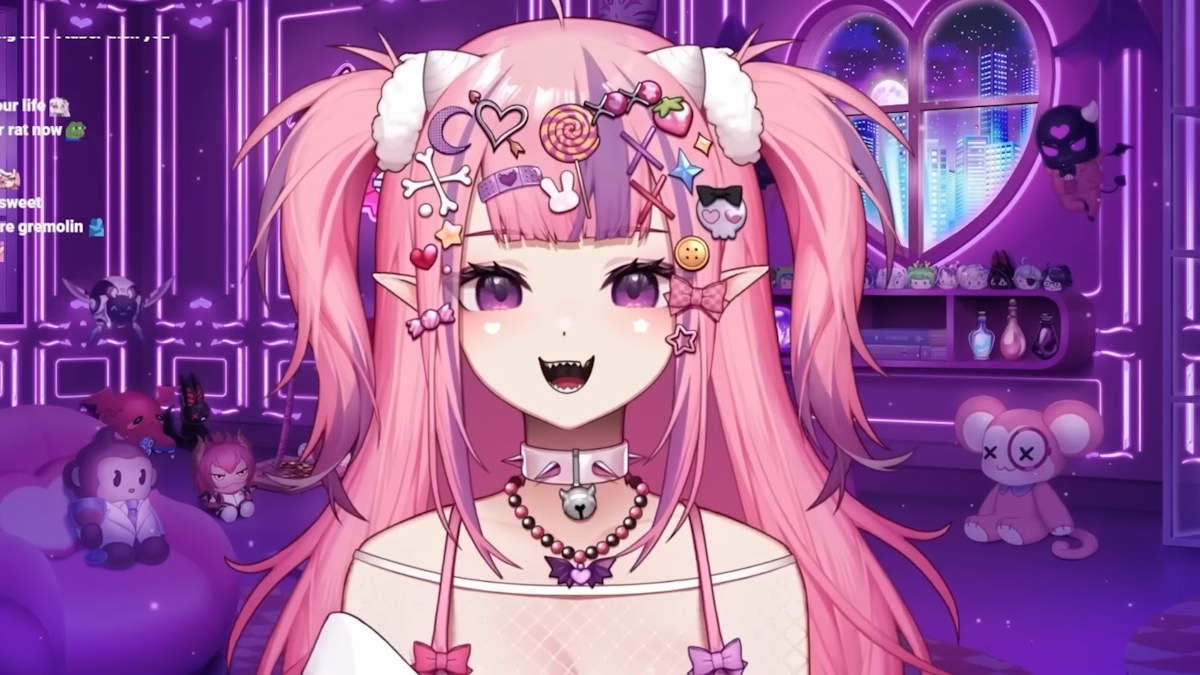
On July 21st, Ironmouse, widely recognized as one of the most influential VTubers in the Western sphere, uploaded an emotionally charged announcement detailing her departure from VShojo. Her testimony, delivered on the verge of tears, centered on two primary grievances: the withholding of significant personal earnings and, more critically, the misappropriation of charity funds.
Ironmouse, who has lived with Common Variable Immunodeficiency since 2017, has long used her platform to advocate for those suffering from similar conditions. Her fundraising efforts, often conducted alongside collaborator Connor "CDawgVA" Colquhoun, have raised millions for the IDF. According to Ironmouse, the company failed to transfer over $500,000 raised during her 2024 "Mouseathon" charity event.

"This entire situation has broken me," Ironmouse stated in her video. "I just wanted to do something good, and to give back to a community that helped me. But unfortunately, that’s not the case."
This revelation served as the match that ignited the powder keg. Following her statement, the dam broke, and a wave of current and former VShojo talent began to step forward with their own accounts of financial negligence, delayed payments, and administrative incompetence.
Chronology of a Corporate Implosion
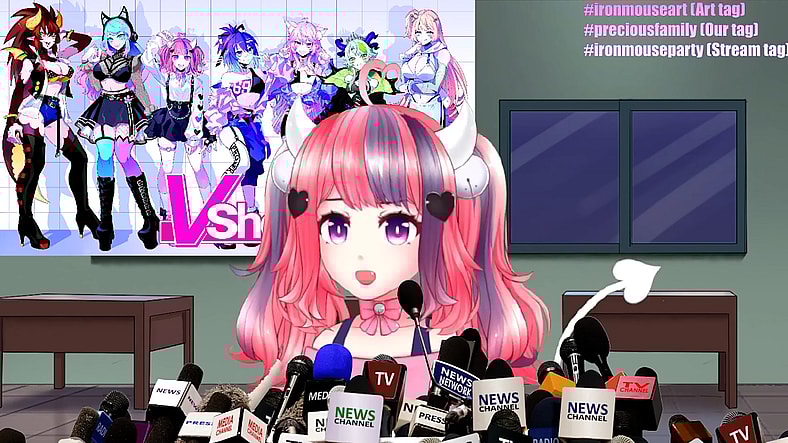
The demise of VShojo did not happen overnight, though it reached its terminal velocity within a single week.
- Pre-July 2024: Internal grumblings regarding delayed payments were reportedly common, though most talent remained quiet due to non-disclosure agreements and the hope that the company would rectify its fiscal path.
- July 11th: Zentreya, a core member of the agency, announced her departure. While she remained legally constrained at the time, her subsequent comments suggested she was aware of the rot within the company.
- July 21st: Ironmouse formally announces her departure, explicitly naming the failure to pay the IDF as a primary cause.
- July 22nd-23rd: The mass exodus begins. Streamers including KSon, Michi Mochievee, Amalee, Projekt Melody, Kuro, and Hime announce their resignations. Prospective signees like Piapi and Beri Bug confirm they have rejected offers to join the company.
- July 24th: VShojo CEO Justin Ignacio releases an official statement via X (formerly Twitter), admitting to "mismanaging the company into the situation you’re all witnessing" and announcing the permanent shutdown of the agency.
Supporting Data: A Systemic Failure
The sheer scale of the financial mismanagement is evidenced by the accounts of multiple talents. KSon, a prominent Japanese VTuber, revealed that she had not been paid since September 2024. Her conversations with Japanese CEO Koshi Makino highlighted a disconnect between the agency’s claims of success and the reality on the ground: Makino admitted he was being paid only half of his owed salary and that he was consistently misled by the American leadership regarding the company’s liquidity.

The ripple effects extended to the production side. Tori Orane, who had signed a contract seven months prior to the collapse, found her debut indefinitely delayed due to what the company claimed was a "lack of staff." Despite her offering to personally cover the costs of her own model and assets, the company remained stagnant, leaving her in professional limbo.
Furthermore, reports of toxic internal culture began to surface. Streamer Shibuya Kaho alleged that VShojo staff members were openly bragging about their income at the expense of the talents, and that sensitive information regarding the personal lives and identities of the VTubers was being leaked by internal staff.

Official Responses and Accountability
In his final address as CEO, Justin Ignacio attempted to contextualize the failure. He noted that VShojo had raised approximately $11 million to support its "talent-first" approach—a model that prioritized creator IP ownership and generous revenue splits.
"We wanted talent to own their IP, which we knew was a unique creator-first approach for an agency," Ignacio stated. "However, despite all our efforts, the business failed to generate the revenue we needed to sustain that model, and eventually, we ran out of money."

Regarding the charity funds, Ignacio acknowledged the failure, stating, "I acknowledge that some of the money spent by the company was raised in connection with talent activity, which I later learned was intended for a charitable initiative." He ultimately accepted full responsibility for the fundraising failures and the resulting consequences, though for the talent and the community, the apology was seen as too little, too late.
The Community Response: Solidarity in Crisis
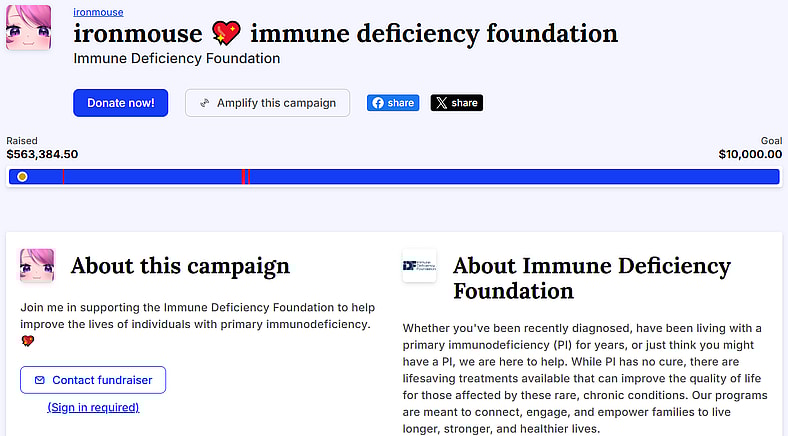
The reaction from the VTubing community and the broader internet was one of overwhelming support for the affected creators. Ironmouse’s call for donations to the IDF saw an unprecedented surge in support, with the original $10,000 goal being shattered to reach over $563,000 within days.
Top-tier creators, including MoistCr1tikal, helped amplify the message, ensuring the severity of the situation reached a global audience. The solidarity was perhaps best expressed by the actions of former talents like GEEGA and Zentreya, who publicly encouraged their own communities to redirect their support toward the IDF and away from the failing agency.
This collective action underscored a pivotal truth in the creator economy: the brand power resided with the individuals, not the agency. The public’s decision to rally behind the VTubers rather than the corporate entity effectively stripped VShojo of its remaining legitimacy.

Implications for the Future of VTubing Agencies
The collapse of VShojo represents a significant shift in the landscape of creator management. Several key implications have emerged:
1. The Death of the "Blind Trust" Model
For years, VTubers were encouraged to outsource their finances to agencies to protect their personal identities and privacy. VShojo’s failure has demonstrated that this convenience comes at a lethal risk. Future creators are likely to demand greater transparency, independent audits, and perhaps the use of third-party escrow services for charity funds and earnings to ensure they are not reliant on a single company’s moral or financial stability.

2. The Vulnerability of "Talent-First" Startups
While the goal of letting talent own their IP is laudable, VShojo’s collapse highlights the danger of scaling too quickly without a sustainable revenue model. The "growth at all costs" mentality, which led to the hiring of more talent than the company could support, proved to be the undoing of a system that was supposed to empower the very people it exploited.
3. Increased Scrutiny on Charity Integration
The mishandling of the IDF donations will likely lead to stricter regulations and industry standards regarding how charities interact with gaming agencies. Platforms like Tiltify and Twitch may implement more rigorous safeguards to ensure that funds raised in the name of a charity are directed exclusively to the beneficiary, bypassing the agency’s coffers entirely.
4. The Rise of Independent or Collective Models
As the industry moves forward, we may see a decline in centralized, high-overhead agencies in favor of smaller, more nimble management collectives or a return to total independence. The ability for creators to manage their own brands, coupled with the potential for direct community support, has proven to be a more resilient model than the corporate-heavy structure that VShojo attempted to build.
Conclusion
The dissolution of VShojo is a tragedy of lost trust and broken promises. It serves as a stark reminder that even in the virtual world, the realities of corporate finance and executive accountability remain firmly grounded in the physical. As the industry processes this collapse, the focus must shift to supporting the creators who were wronged and establishing a more ethical, transparent framework for the next generation of digital performers.

The "Mouseathon" success proves that the community is willing to step in when systems fail, but the long-term health of the VTubing ecosystem will require more than just reactive support—it will require a fundamental restructuring of how talent, money, and charity are managed in the digital age.









No comments yet. Be the first to join the conversation!