

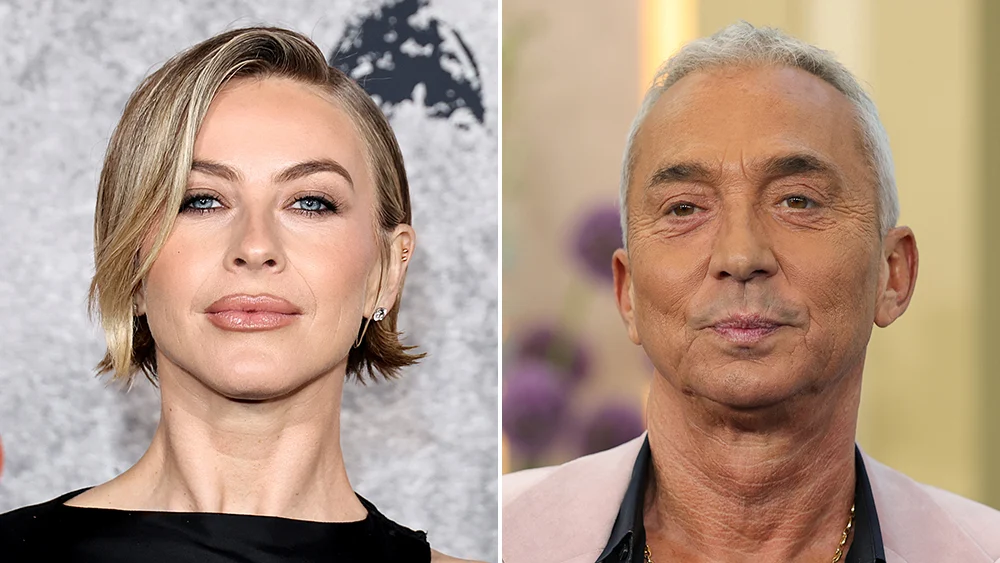
It is difficult to imagine the modern television landscape without the glitter, the spray tans, and the high-stakes waltzes of Dancing with the Stars (DWTS). As a cornerstone of ABC’s programming and a staple of reality competition television, the show has cemented its place in pop culture history. However, as the franchise prepares to celebrate its 35th season, those at the heart of the show are reminding audiences that the road to success was far from a graceful glide.
In a candid retrospective at the 2026 Disney Upfront, current co-host Julianne Hough and long-time judge Bruno Tonioli reflected on the show’s humble and highly uncertain beginnings, revealing that the ballroom sensation was once dismissed as a desperate gamble.
The Skeptics’ Room: A Concept Deemed "Crazy"
"I mean, this show got turned down so many times at the beginning," Julianne Hough recounted to People. "People were looking at the pitch and saying, ‘A ballroom dancing show? Like, what? Is that really a thing?’"
The skepticism was not merely a case of industry nerves; it was a fundamental misunderstanding of the format’s potential. In 2005, reality television was dominated by gritty competitions and survival-based formats. The idea of placing celebrities in sequins to learn the cha-cha and the foxtrot felt, to many network executives, like an antique relic of a bygone era.
Bruno Tonioli, who has served as a judge since the show’s inception alongside Carrie Ann Inaba and the late, legendary Len Goodman, recalls the internal atmosphere at ABC during the spring of 2005. "It was May 2005, and at the time… Andrea Wong was running ABC, and Bob Iger was working there as well," Tonioli noted. "I know the story. It is a long story. They told me the story. And everybody was saying, ‘This is never gonna work. They’re crazy.’"
Despite the overwhelming chorus of "no," Andrea Wong championed the vision. She recognized that there was an untapped audience for a show that combined celebrity spectacle with the technical discipline of dance. Her decision to greenlight the project proved to be one of the most significant programming gambles in network history.
Chronology: From Uncertain Premiere to Ratings Titan
The timeline of DWTS is a testament to the power of word-of-mouth and cultural resonance.
- May 2005: The concept is heavily debated at ABC, with many executives predicting a swift failure.
- Summer 2005: The premiere airs. Unlike many shows that require seasons to find their footing, DWTS captured the public’s imagination almost immediately.
- 2006: Within one year of its debut, the show had ascended to a level of popularity that shocked even its biggest proponents. Tonioli remembers the sudden shift: "Next year, we were up there with American Idol—I could not believe it."
- 2010s: The show becomes a reliable workhorse for ABC, weathering shifts in television consumption habits and the rise of streaming platforms.
- 2025: A massive resurgence occurs. The Season 34 finale achieves the highest ratings the show has seen in nearly a decade, defying the trend of linear television decline.
- 2026: Renewal for Season 35 is confirmed, alongside the announcement of a spin-off, Dancing with the Stars: The Next Pro.
The "Beating Heart" of the Franchise
When asked why the show has not only survived for two decades but currently finds itself in a state of renewed vitality, Hough and Tonioli point to a consistent philosophy.
"It just goes to show that when you stay in authenticity and integrity of what this show is—which is craftsmanship, just rooting for people to grow and succeed, and go on the journey of transformation, and keep that family experience—that’s timeless," Hough explained.
The "beating heart" of the show, as they describe it, is the transformation arc. Unlike other reality shows that focus on interpersonal drama or villainous edits, DWTS relies on the vulnerability of the human spirit. Watching a celebrity—often with no dance experience—struggle through the mechanics of a rumba, only to emerge weeks later with newfound confidence and grace, provides a narrative arc that resonates across generations.
Data and Demographics: Why the Youth Are Watching
The recent explosion in popularity, particularly regarding the Season 34 finale, is not an accident. Data analysts at ABC have noted a significant influx of younger viewers, a demographic that is historically difficult for traditional broadcast networks to capture.
The shift is attributed to a multi-platform approach, where viral clips of performances circulate on social media, turning technical feats into "water cooler" moments for Gen Z and Millennial audiences. The show’s ability to remain "authentic" while embracing modern digital marketing has turned the ballroom into a space where TikTok trends meet classic dance techniques.
Expanding the Empire: The Spinoff
The success of the core franchise has provided the capital and the confidence to expand the brand. The upcoming series, Dancing with the Stars: The Next Pro, represents a strategic evolution of the franchise. Hosted by Season 34 champion Robert Irwin, the show shifts the focus from celebrities to the dancers themselves.
The premise—a grueling, reality-style audition process where 12 aspiring professionals compete for a coveted spot as a pro dancer in Season 35—offers a behind-the-curtain look at the immense physical and mental toll required to succeed in the industry.
"It’s thrilling to see the next generation of dancers get the chance to be seen and visible for their craft at the highest level," Hough noted. "To see the level of talent, to see the dedication and the execution, and then to let them get their flowers and be a part of the biggest dance show in the world—that is what this is all about."
Implications for the Future of Network TV
The survival and subsequent thriving of Dancing with the Stars offers several key lessons for the entertainment industry:
- The Value of "Warm" Reality TV: In an era of cynical media, the "rooting for people" format remains a potent antidote to viewer fatigue.
- Adaptability without Sacrificing Core Identity: The show has updated its production value, casting, and digital strategy without abandoning the core premise of ballroom dance, proving that "timelessness" is a branding strategy, not a hindrance.
- The "Pro" Economy: By creating a spinoff focused on the professionals, the show is cultivating its own ecosystem, effectively turning its dancers into stars in their own right, which secures the longevity of the franchise.
As the production team gears up for the milestone 35th season, the mood is one of gratitude mixed with ambition. What was once considered a "crazy" idea that was turned down by nearly every executive in the room has become a bedrock of American television.
Julianne Hough and Bruno Tonioli stand as living links between the show’s shaky, doubted beginnings and its current, undeniable dominance. Their message is clear: if you focus on the craft, the transformation, and the humanity, the audience will follow—even when the experts say it’s impossible. As the lights dim on the 2026 Upfront and the stage is set for the future, one thing is certain: the ballroom is not closing its doors anytime soon. In fact, for Dancing with the Stars, the music is just getting started.











No comments yet. Be the first to join the conversation!