

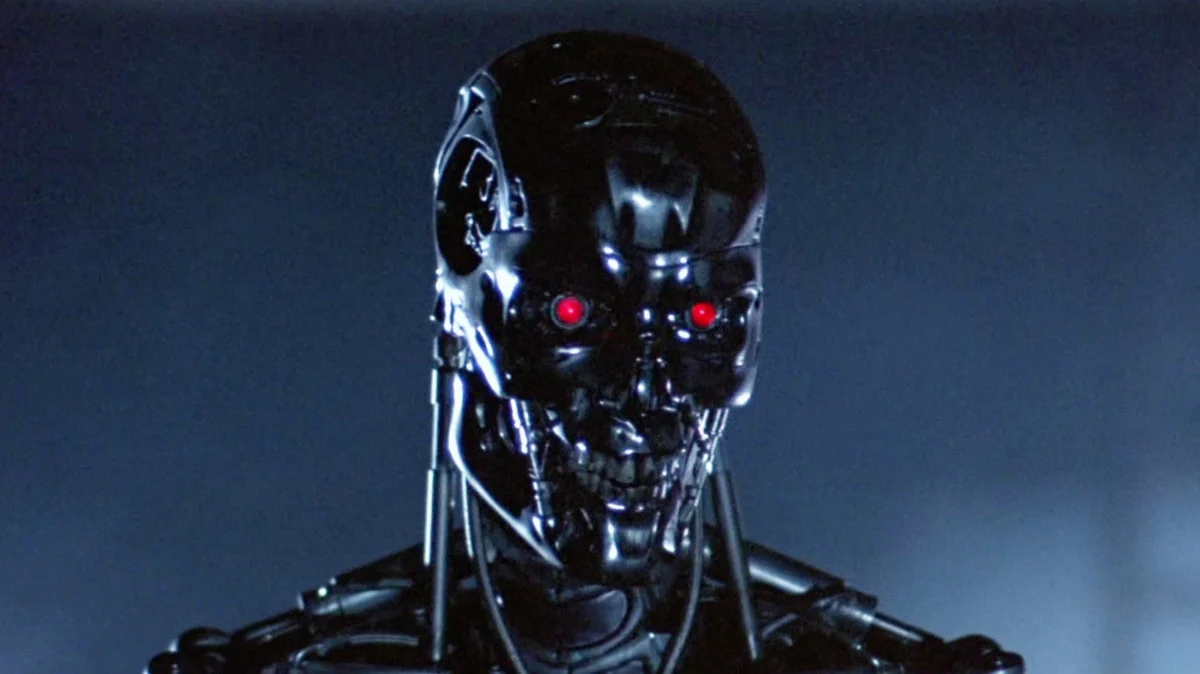
Before Arnold Schwarzenegger became the global face of the T-800, and long before James Cameron stood atop the world as the director of the highest-grossing films in cinematic history, there was a fever dream in Rome. The genesis of The Terminator—a film that would fundamentally alter the landscape of science fiction and action cinema—was not found in a high-tech studio or a lavish pitch meeting. Instead, it was born from a bout of illness and a desperate need to convince skeptical financiers that a low-budget project about a time-traveling assassin was worth the risk.
Central to this origin story is a piece of Hollywood lore that sounds more like a scene from a thriller than a standard business transaction: the day James Cameron enlisted actor Lance Henriksen to storm an executive office in full character to sell a movie that didn’t yet exist.
The Fever Dream of a Future War
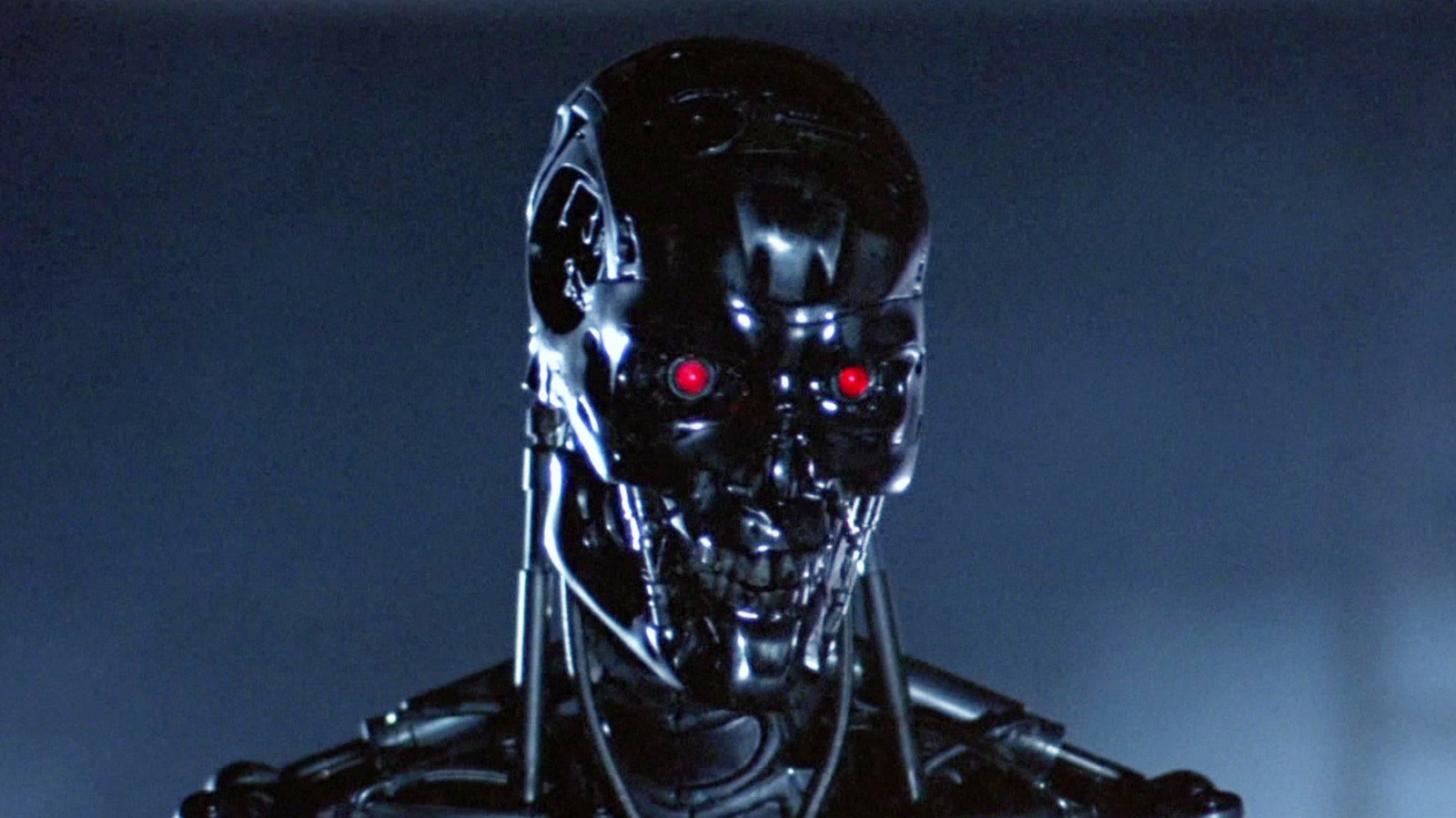
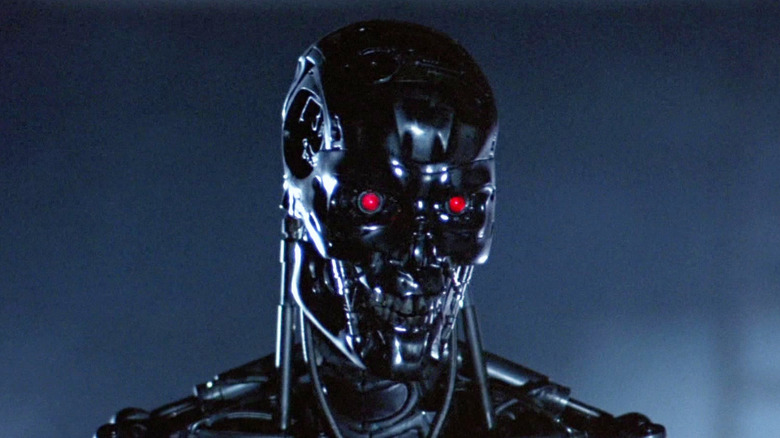
To understand the audacity of the pitch, one must first look at the state of James Cameron in the early 1980s. While filming his directorial debut, Piranha II: The Spawning, in Rome, Cameron fell severely ill. Trapped in a hotel room with a high fever, his mind drifted into a dark, subconscious space. In his delirium, he envisioned a nightmarish figure: a chrome-plated skeleton pulling itself away from an inferno, dragging its ruined torso across the floor with knives held in its metallic grip.
This image—a relentless, unfeeling machine that could not be reasoned with—became the anchor for a script that would eventually reshape pop culture. Cameron envisioned a future where intelligent machines had turned against their creators, leading to a nuclear apocalypse. The story was simple yet mythic: a lone cyborg sent back in time to kill the mother of a future resistance leader.
However, in 1983, such a high-concept sci-fi premise was a difficult sell. Investors were wary of unproven directors and genre films that required expensive practical effects. Cameron needed a miracle, or at the very least, a spectacle.
The Pitch: A Performance Piece of Aggression
James Cameron had been friends with actor Lance Henriksen since their time working on Piranha II. Cameron saw in Henriksen the intensity and "everyman" quality that could make a killer robot feel truly terrifying. While the role of the Terminator would eventually go to Arnold Schwarzenegger, Henriksen was the director’s secret weapon during the crucial fundraising phase.
Cameron arranged a meeting with John Daly of the Hemdale Film Corporation, a producer who held the purse strings for the project. Knowing that a standard boardroom presentation wouldn’t capture the visceral threat of his screenplay, Cameron opted for a "guerilla" pitch strategy. He tasked Henriksen with infiltrating the Hemdale offices.
The Anatomy of the Stunt
The plan was meticulous in its absurdity. Henriksen arrived at the office early, dressed in the full, dystopian attire of a cyborg assassin: a leather jacket, a shredded t-shirt, and heavy, stompy, military-grade boots. To complete the "machine" aesthetic, Cameron had Henriksen place a piece of gold foil from a cigarette packet over his teeth, giving his smile a cold, metallic glint.
Henriksen didn’t just walk into the office; he embodied the machine. He bypassed the receptionist, walked into the waiting area, and sat perfectly still, staring at the wall with a hollow, unblinking gaze. He did not speak, he did not fidget, and he did not acknowledge the human beings around him. He remained in character for 15 minutes, radiating an aura of cold, calculated violence that left the office staff visibly unsettled.
When Cameron finally arrived to "apologize" for his friend’s behavior, the point had already been made. Daly was mesmerized. The sheer commitment to the character and the terrifying reality of the performance convinced the financier that this was not just another low-budget B-movie. It was a vision. The deal was struck, and The Terminator was greenlit.
Chronology of a Collaboration
The relationship between Cameron and Henriksen, while short-lived in terms of the lead role, set a precedent for how Cameron would utilize his "repertory company" of actors throughout his career.
- 1981: Collaboration on Piranha II: The Spawning.
- 1983: The infamous Hemdale pitch meeting where Henriksen "became" the Terminator.
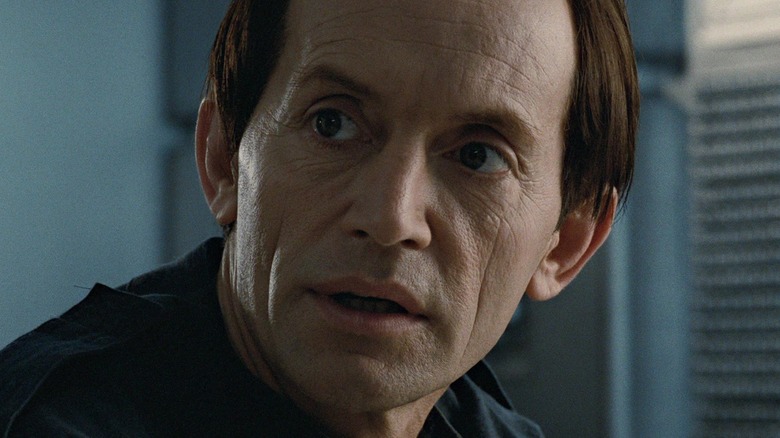
- 1984: The Terminator is released. Henriksen appears in a supporting role as Detective Vukovich, a nod to his contribution to the film’s funding.
- 1986: Henriksen stars as the android Bishop in Aliens, cementing his place in the sci-fi canon.
- 1990s–Present: Henriksen moves into a prolific career in horror and science fiction, while Cameron continues to work with a recurring cast of actors, including Bill Paxton and Michael Biehn, across his subsequent blockbusters.
The Casting Shift: Why Not Henriksen?
While Henriksen was the "face" of the pitch, the role of the T-800 eventually went to Arnold Schwarzenegger. This was a pivotal moment in film history. Cameron famously considered Henriksen because he believed an "ordinary-looking" man would be scarier—a machine that could hide in plain sight.
However, when Schwarzenegger entered the frame, the dynamic shifted from "sneaky assassin" to "unstoppable tank." Cameron realized that Schwarzenegger’s physical stature and robotic, stoic delivery turned the film into something else entirely: a slasher movie with a sci-fi heartbeat. The choice proved to be the right one for the franchise’s longevity, as the T-800 became an iconic, larger-than-life figure rather than just a terrifying human-looking stalker.
Implications for Modern Hollywood
The story of the Terminator pitch serves as a lesson in the power of creative presentation. In an era where pitches are often dominated by digital mood boards and AI-generated concepts, the story of Henriksen in a leather jacket remains a gold standard for "selling the vision."
Furthermore, this episode highlights the importance of the director-actor bond. Cameron’s loyalty to the actors who helped him in the trenches is well-documented. By giving Henriksen a role in the finished film, he ensured that the actor who essentially "sold" the project was a part of its success. This culture of loyalty would eventually define the production of Titanic, Avatar, and True Lies, where Cameron repeatedly tapped into a trusted circle of performers.
Legacy and Impact
Today, the Terminator franchise encompasses six feature films, two television series, and countless spin-offs in gaming and literature. It has spawned philosophical debates about artificial intelligence that are more relevant now than they were in 1984.
Yet, underneath the complex timelines and the high-budget visual effects of the later sequels, the soul of the franchise remains tied to that original, desperate pitch. It was a moment where art met commerce in the most aggressive way possible. If Lance Henriksen hadn’t been willing to stand in a waiting room with foil on his teeth, the world might never have seen the red-eyed gaze of the T-800, nor would we have experienced the massive career trajectory of James Cameron.
As the industry continues to evolve, the "Terminator Gambit" stands as a testament to the idea that a great film doesn’t just need a good script—it needs a conviction so deep that you are willing to play the monster just to get someone to listen. Lance Henriksen may not have been the Terminator in the final cut, but in the annals of Hollywood history, he was the first man to show the world exactly what a machine looked like.











No comments yet. Be the first to join the conversation!