Suro Senen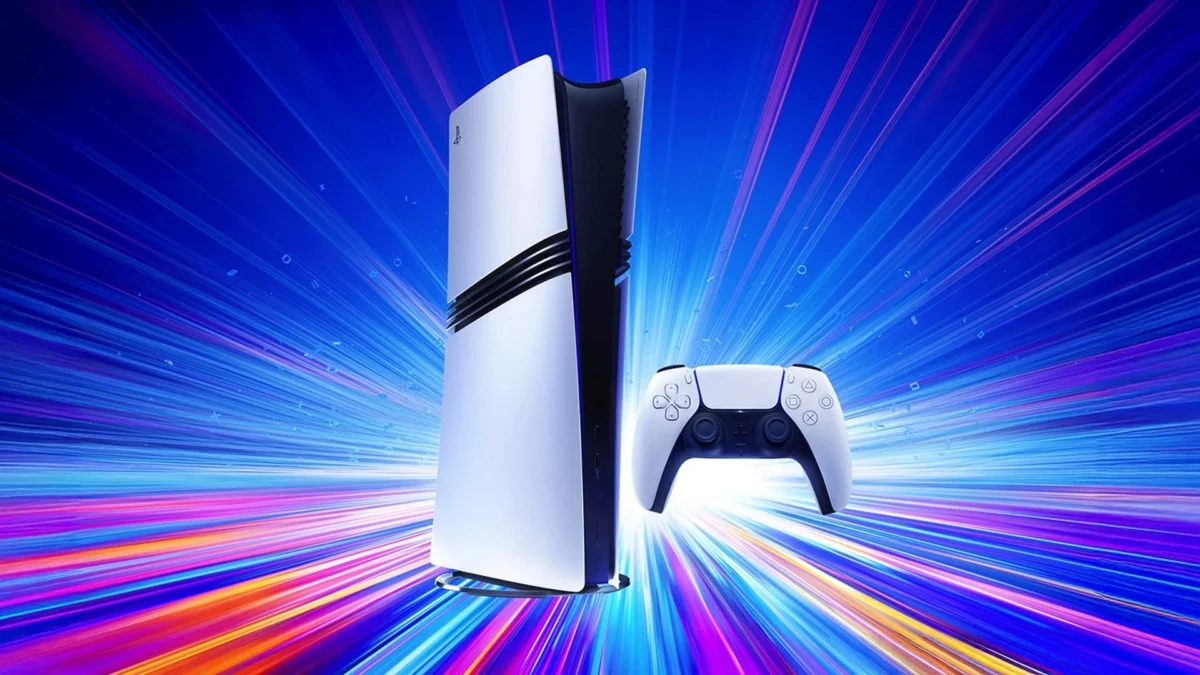
A significant shift in PlayStation’s approach to PC releases has been confirmed, with Sony now reportedly prioritizing its PlayStation 5 single-player exclusive titles for its own console ecosystem. This decision, emerging from an internal town hall meeting and detailed by industry insider Jason Schreier, marks a notable departure from the company’s previous strategy of bringing a selection of its critically acclaimed single-player games to PC platforms.
The confirmation arrives amidst a period of strategic recalibration for Sony, following closely on the heels of a widely reported price increase for the PlayStation Plus subscription service. While Sony has yet to issue a formal public statement, the information originating from Bloomberg journalist Jason Schreier, who obtained details from a PS Studios town hall led by chief Hermen Hulst, carries significant weight within the gaming industry. Schreier himself was an early reporter of Sony’s evolving PC porting plans earlier this year, and this latest development effectively solidifies those initial reports, drawing a definitive line under the company’s revised strategy. It is anticipated that Sony will maintain its reticence on the matter publicly, unless compelled to address it directly by shareholders or during rare, targeted media engagements.
The Shifting Landscape of PlayStation on PC
For a period, Sony embraced a more aggressive PC porting strategy, bringing titles like Horizon Zero Dawn, Days Gone, and God of War (2018) to PC storefronts like Steam. This approach was widely seen as a pragmatic move to capitalize on the larger PC market, extend the commercial lifespan of their console-first titles, and generate additional revenue streams. The rationale was clear: high development costs for blockbuster games could be partially offset by reaching a wider audience beyond the dedicated PlayStation user base, many of whom might never invest in a console.
However, recent financial reports and industry analysis suggest that the PC porting initiative, while initially generating buzz, has not consistently met Sony’s expectations in terms of profitability. PC sales have represented a relatively small fraction of PlayStation’s overall revenue, reportedly accounting for less than 2.5% in the last fiscal year. This underwhelming financial performance, coupled with the inherent complexities and costs associated with PC development and distribution, appears to have prompted a strategic re-evaluation.
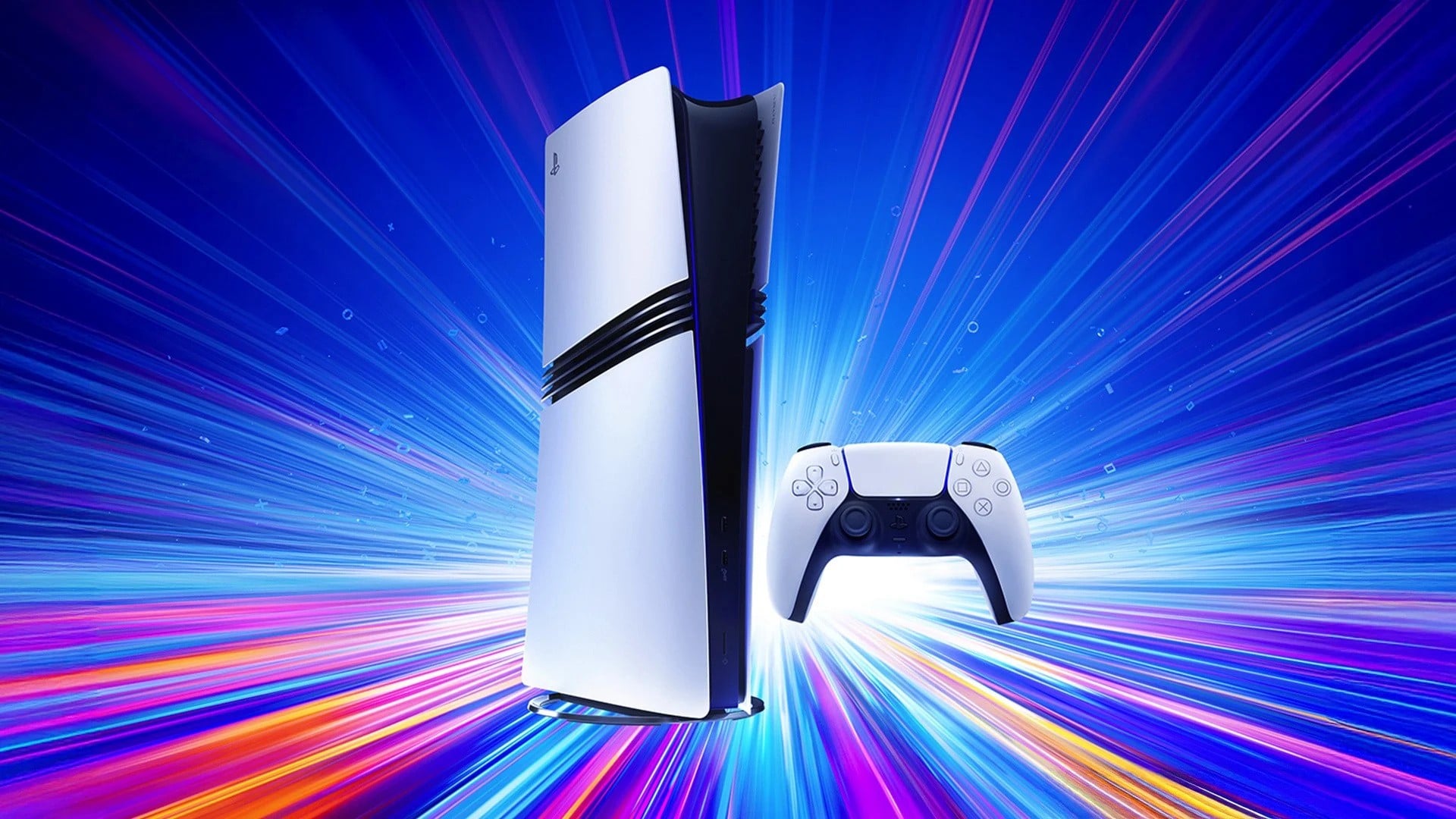
A Clarification of Sony’s New Direction
To fully understand the implications of this shift, it is crucial to delineate precisely what this new strategy entails. Sony will continue to release certain types of games on PC. This includes:
- Live Service Games: Titles designed for ongoing engagement and monetization, such as the upcoming Marathon and Marvel Tokon: Fighting Souls, are expected to maintain their cross-platform availability. These games often benefit from a broad player base from inception.
- Select Second-Party Projects: Games developed by external studios that are closely tied to the PlayStation brand, like Kena: Scars of Kosmora, may still see PC releases.
The primary impact of this new policy will be on Sony’s single-player, first-party blockbuster titles. Games such as the highly anticipated Marvel’s Wolverine and Intergalactic: The Heretic Prophet are now understood to be intended for a PlayStation console-exclusive release, at least initially. This shift is so significant that it has reportedly led to the recent cancellation of a PC port for Ghost of Yotei, a title that would have likely followed the previous trend.
The Rationale Behind the Reversal
Several key factors appear to be driving Sony’s decision to rein in its PC porting of single-player exclusives:
- Preserving Console Exclusivity as a Differentiator: The gaming industry has long recognized the power of exclusive content in driving hardware sales. A recent report by Circana indicated that exclusives remain the paramount consideration for consumers when choosing a gaming platform. Sony’s core business model relies heavily on the PlayStation ecosystem, and the allure of its flagship single-player experiences has been a cornerstone of its console sales strategy. Releasing these titles day-and-date on PC, or even with a significant delay, could dilute their perceived value as a reason to own a PlayStation.
- Financial Performance of Existing Ports: As mentioned, the financial returns from PC ports of single-player games have, by Sony’s assessment, not justified the investment and potential impact on console sales. While PC players might argue that delayed ports lose their initial impact, Sony’s perspective is that a concurrent PC release would have fundamentally undermined the appeal of its own hardware ecosystem.
- Focus on Core PlayStation Strengths: The PlayStation brand has historically been synonymous with high-quality, narrative-driven, single-player experiences. By reaffirming these titles as console exclusives, Sony is doubling down on its perceived strengths and catering to its core audience, who often prioritize the curated console experience.
- Escalating Development Costs: The cost of developing AAA games continues to skyrocket. Sony’s strategy may now be to focus its resources on maximizing the return from these significant investments within its primary hardware platform, rather than spreading them thinly across multiple platforms.
Industry Context and Player Sentiment
This strategic pivot by Sony is not occurring in a vacuum. The broader gaming industry is constantly evolving, with different publishers and developers adopting varied approaches to platform releases. Microsoft, for instance, has pursued a more aggressive cross-platform strategy with its Xbox Game Pass service, making its first-party titles available on both Xbox and PC simultaneously. This contrast highlights the distinct philosophies at play within the console manufacturing giants.

Player sentiment regarding Sony’s PC porting strategy has been divided. While many PC gamers welcome the opportunity to play PlayStation’s acclaimed titles on their preferred platform, a significant portion of the PlayStation fanbase has expressed concerns that a broader PC release could diminish the value of their console investment and the concept of exclusivity.
In a previous poll conducted by Push Square on this very topic, a substantial majority – approximately 71% – of respondents indicated that they agreed with Sony’s decision to scale back its PC porting program. This suggests that a notable segment of the PlayStation community views this move as a positive step for the console ecosystem.
Looking Ahead: The Future of PlayStation on PC
The confirmation of Sony’s renewed focus on single-player console exclusives marks a significant inflection point. While it may disappoint some PC enthusiasts eager for titles like Marvel’s Wolverine to appear on their systems, it also represents a clear and strategic affirmation of Sony’s commitment to the PlayStation hardware ecosystem.
For PlayStation owners, this means that the most anticipated narrative-driven experiences will likely remain a primary draw for purchasing and continuing to engage with their consoles. The emphasis on exclusivity aims to safeguard the value proposition of the PlayStation platform and ensure that its flagship titles are experienced first and foremost on their intended hardware.

The industry will be watching closely to see how this revised strategy impacts Sony’s overall market position, its relationship with both console and PC players, and the continued evolution of its exclusive content pipeline. While the era of broad PC porting for all single-player Sony exclusives may be drawing to a close, the company’s unwavering dedication to delivering high-quality, exclusive gaming experiences on PlayStation remains a central tenet of its identity.


 Lina Irawan
 Sagoh
Sagoh