

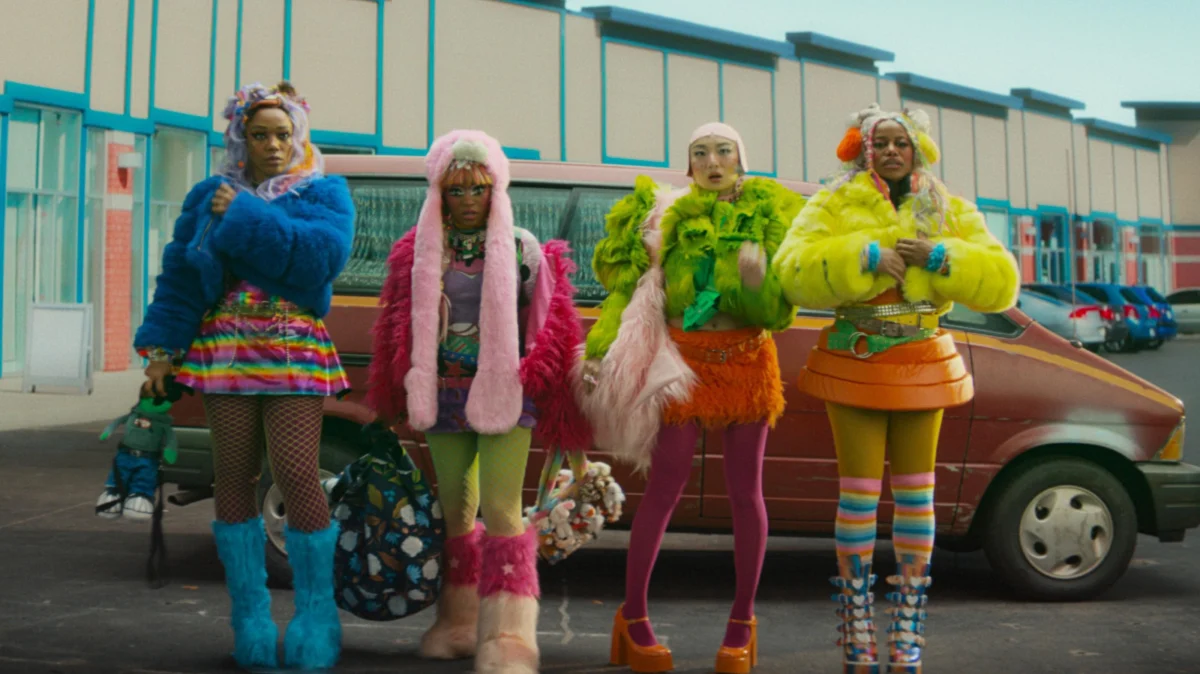
Boots Riley, the multi-hyphenate artist who pivoted from the revolutionary hip-hop of The Coup to the visionary landscape of modern cinema, has returned with his most ambitious project to date: I Love Boosters. Following the critical successes of his surrealist feature debut Sorry to Bother You and the whimsical, giant-sized television odyssey I’m a Virgo, Riley’s latest outing arrives in theaters on May 22, 2026. Distributed by NEON, the film is a neon-soaked, high-octane satire that functions as both a visual feast and a blistering critique of labor, creative exploitation, and the fabric of modern reality.
Main Facts: The Premise of Resistance
At its heart, I Love Boosters is a heist film that refuses to play by the rules of the genre. The narrative follows Corvette, played with a frantic, grounded intensity by Keke Palmer. A brilliant but disenfranchised clothing designer, Corvette finds herself squatting in an abandoned fast-food chicken franchise, a stark symbol of the economic precarity facing the modern working class.
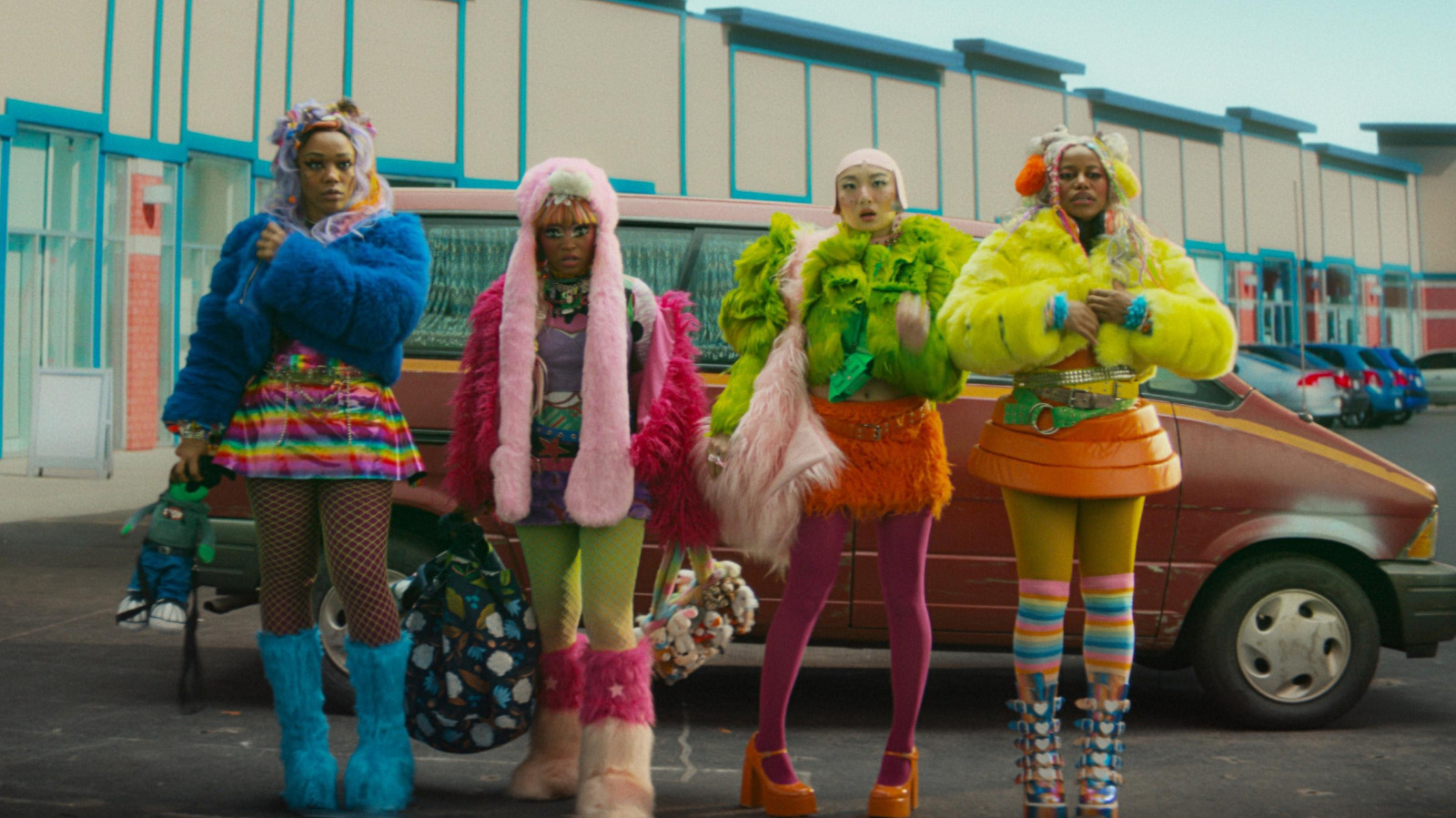
Corvette leads the "Velvet Gang," an ensemble of friends—including Naomi Ackie as Sade and Taylour Paige as Mariah—who specialize in high-end retail "boosting." Their target is the empire of megastar designer Christie Smith (Demi Moore). For Corvette, these heists are not merely about survival or material gain; they are personal acts of insurrection against a system that has stifled her dreams and commodified her labor.
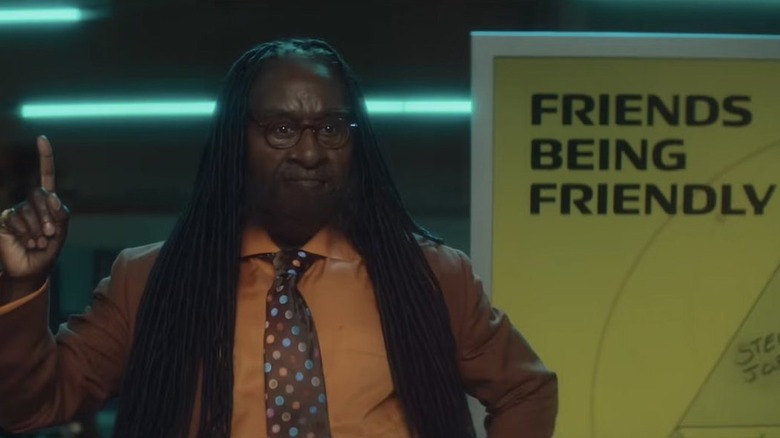
As the Velvet Gang scales their operations, they are drawn into a web of conspiracies that pull in an eclectic cast of characters: an aggrieved boutique employee (Eiza González), a sweatshop worker navigating the global supply chain (Poppy Liu), a predatory pyramid scheme architect played by an unrecognizable Don Cheadle, and a mysterious male model portrayed by LaKeith Stanfield.
Chronology of a Creative Evolution
To understand the significance of I Love Boosters, one must look at the trajectory of Riley’s career. His early work with The Coup, particularly albums like Kill My Landlord and Steal This Album, laid the ideological groundwork for his filmography. He has long been an artist who keeps his activism at the forefront of his creative output.
- The Early Years (Music & Activism): Riley utilized the sonic landscape of hip-hop to bridge the gap between radical theory and street-level reality.
- The Feature Breakthrough (2018): Sorry to Bother You served as a manifesto for the gig economy, introducing audiences to Riley’s signature blend of magical realism and biting social commentary.
- The Television Expansion (2023): I’m a Virgo saw Riley stretching his narrative muscles in a serialized format, exploring the life of a 13-foot-tall young man in Oakland.
- The Visual Maturity (2026): With I Love Boosters, Riley has moved beyond the "thinly veiled manifesto" phase. He has refined his craft, emerging as a visual stylist capable of balancing complex, genre-bending storytelling with mass-market appeal.
Supporting Data: An Innovation in Visual Language
The film’s aesthetic is arguably its strongest asset. Working alongside cinematographer Natasha Braier, production designer Christopher Glass, and costume designer Shirley Kurata, Riley has created a visual language that feels distinct from the current cinematic landscape.
The production utilized a wide range of techniques to achieve its "delirious" look:
- Analog Techniques: Rather than relying solely on CGI, the film incorporates extensive stop-motion animation.
- Practical Effects: Creature effects veteran Alec Gillis was tapped to design a monstrous entity that serves as a physical manifestation of the film’s surrealist themes.
- Cinematic Homage: The film draws inspiration from the "go-for-broke" energy of 1990s cult classics like Alex Winter’s Freaked, while simultaneously echoing the structural playfulness of Buster Keaton’s silent-era physical comedy.
The result is a film that feels like a fusion of Karl Marx’s economic theories and the kaleidoscopic, reality-bending fiction of Philip K. Dick. It is a dense, multilayered experience that demands the audience’s full attention, yet provides the sensory stimulation of a high-fashion music video.
Official Responses and Industry Reception
Industry insiders and critics have noted that I Love Boosters represents a significant departure in terms of Riley’s "Trojan Horse" approach to filmmaking. By disguising heavy ideological critiques within a high-energy comedy, Riley is attempting to reach audiences who might otherwise be alienated by didactic political cinema.
While some critics argue that the film’s pacing can be overwhelming, the consensus is that Riley has successfully "matured" his previous impulses. The climax of the film—a complex action sequence built using meticulously crafted miniatures—has been cited as a high-water mark for the director’s technical development.
However, the film is not without its detractors. Some have noted that the narrative structure occasionally buckles under the weight of its own concepts. As the film progresses into "quantum theory overdrive," it risks losing the tight tether of its early scenes. Yet, in an era of safe, repetitive blockbusters, this "imbalance" is viewed by many as a feature rather than a bug—a deliberate choice to reflect the chaotic, unsolvable nature of the real-world issues Riley explores.
Implications: The Future of Satirical Cinema
The release of I Love Boosters raises important questions about the role of the auteur in the current studio system. Can a director maintain a radical, anti-establishment voice while working within a major distribution framework like NEON?
Riley’s ability to create a "crowd-pleasing" movie that simultaneously challenges the audience’s worldview suggests a new path forward for socially conscious filmmakers. He has demonstrated that one does not need to sacrifice visual flair or narrative fun to deliver a message of substance.
Key Takeaways for the Audience
- Genre-Blending: The film proves that heist movies can be vehicles for profound social critique.
- Visual Range: Riley is establishing himself as a visual stylist of the same caliber as Wes Anderson or Michel Gondry, but with a grittier, more grounded perspective.
- The "Trojan Horse" Strategy: The movie is accessible to those who want a lighthearted comedy, but it offers layers of depth for those willing to engage with its subtext.
- Thematic Resonance: By tackling labor, wealth inequality, and the commodification of identity, the film remains strikingly relevant to the anxieties of the 2026 economic climate.
Final Verdict
I Love Boosters is a testament to the growth of Boots Riley as a filmmaker. While it may occasionally bite off more than it can chew, the sheer audacity of its ambition is refreshing. It is a loud, messy, and deeply intelligent film that refuses to offer easy answers or tidy resolutions. Instead, it invites the viewer to look "underneath the clothes"—to peel back the surface of consumer culture and confront the endless stories of the people who make the world function.
As the credits roll and the final, cheeky post-credits scene plays out, it becomes clear that Riley is not just making movies; he is building a cinematic lexicon for the future of protest. Whether the audience chooses to view it as a piece of "pretty" fashion or as a radical manifesto, the impact of the film is undeniable.
Rating: 8/10
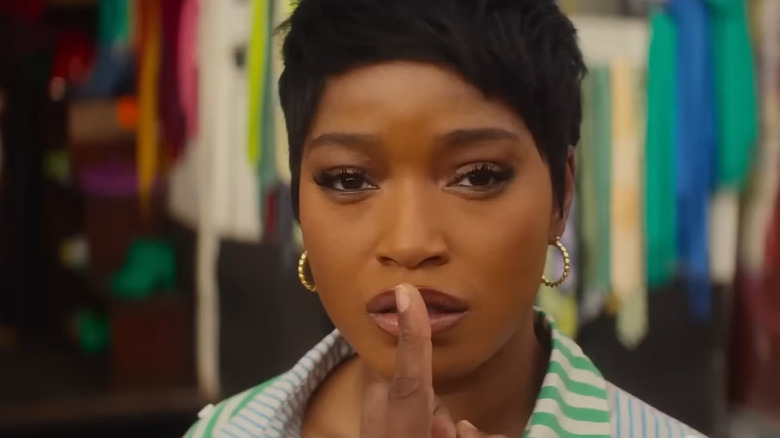
I Love Boosters opens in theaters nationwide on May 22, 2026.











No comments yet. Be the first to join the conversation!