

In the rapidly evolving landscape of video game development, few topics have sparked as much controversy and existential anxiety as the rise of generative artificial intelligence. As tools capable of producing high-fidelity art, textures, and assets become increasingly accessible, publishers and studios are being forced to define their ethical boundaries. The latest to draw a firm line in the sand is Brian Foote, CEO of Fireshine Games, the publisher behind the recent Steam sensation Far Far West.
In an industry currently grappling with the tension between technological efficiency and the preservation of human craftsmanship, Foote has declared that for his company, the use of generative AI in core asset creation is a "red line" that will not be crossed.
The Core Mandate: Defining the Boundaries of AI
The stance taken by Fireshine Games is not a blanket ban on all technological progress, but rather a surgical exclusion of generative AI from the creative pipeline. In an exclusive interview with GamesIndustry.biz, Foote clarified that while his organization recognizes the inevitability of software-assisted development, there is a fundamental difference between productivity tools and generative content.
"We don’t work with partners that are relying on generative AI or generative art, and I think that’s the red line we are very clear on," Foote stated.
However, the policy is nuanced. Recognizing that modern development is inextricably linked to advanced software, Foote distinguished between AI-driven creative generation and AI-assisted utility. "If AI means code completion or means using Copilot in Word, that’s an entirely different set of scenarios," he explained. "It will be very hard for anybody to say they’re not touching AI in some way, shape or form, but in terms of the core game creation, that is not something that we think players are interested in at this point in time, and not something that we think is healthy for the development community."
This distinction highlights a growing trend among mid-to-large-sized publishers: the desire to leverage AI for mundane, repetitive administrative tasks (coding assistance, documentation, organizational efficiency) while shielding the "soul" of the game—the art, the music, and the narrative—from algorithmic generation.
Chronology of a Growing Industry Trend
The debate surrounding generative AI in gaming is relatively young but has accelerated at a breakneck pace.
- 2022 – Early 2023: The emergence of sophisticated diffusion models like Midjourney and Stable Diffusion shocked the creative world. Early attempts to integrate these into game development were met with significant player backlash, particularly regarding copyright concerns and the devaluation of human artists.
- January 2024: The conversation moved from social media discourse to boardroom policy when Tim Bender, CEO of Hooded Horse (the publisher of the massive hit Manor Lords), issued a strict warning against the use of generative AI. Unlike Fireshine, Bender’s policy was even more uncompromising, advising developers to avoid AI even for "placeholder assets," citing the high risk that such assets might inadvertently find their way into the final, shipped product.
- May 2024: Fireshine Games reinforces this sentiment, signaling that the industry is beginning to bifurcate. On one side are companies embracing AI as a cost-cutting imperative; on the other are publishers like Fireshine and Hooded Horse who view the rejection of AI as a competitive advantage and a mark of creative integrity.
Supporting Data: The Success of Far Far West
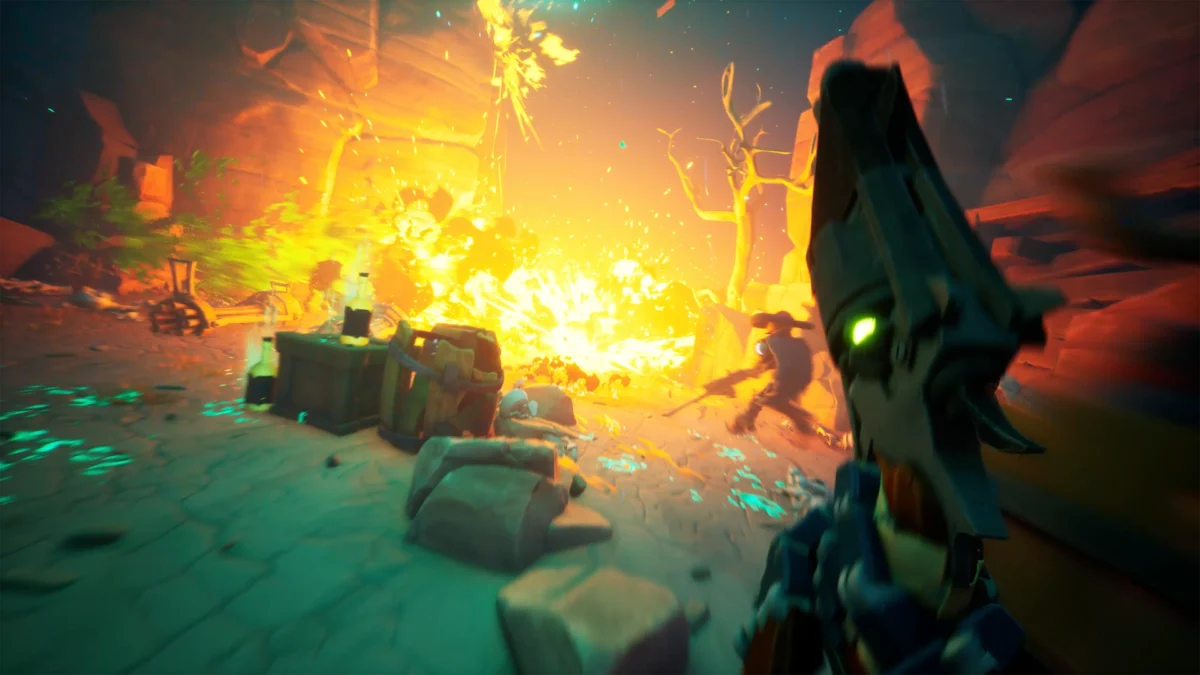
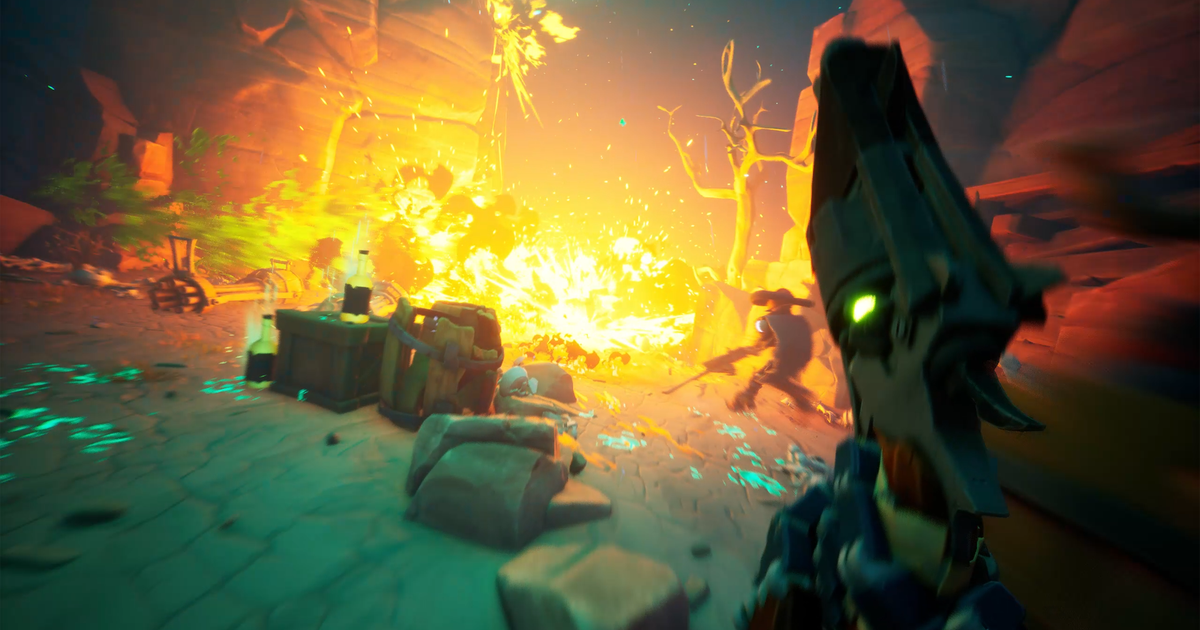
Fireshine’s moral stance carries extra weight given the recent, explosive success of Far Far West. Developed by the French studio Evil Raptor, the Western-themed co-op shooter has defied market expectations, proving that human-led, focused creative projects can still achieve massive commercial success in a crowded market.
The data is striking: within just two weeks of its launch into Early Access on April 28, Far Far West surpassed one million copies sold. This milestone serves as a vital case study for the publisher. By backing a project built entirely on human artistry and traditional workflows, Fireshine has effectively demonstrated that a "no-AI-assets" policy does not hinder the ability to create a viral, high-performing product.
This success story provides the publisher with the leverage to maintain their stance. When a company experiences such rapid growth, their internal policies become industry benchmarks. If the developer behind a million-selling game eschews AI, other studios are significantly more likely to follow suit to maintain their reputation among core gaming audiences.
Official Responses and the Philosophical Divide
The divide in the industry is largely philosophical. Supporters of AI integration argue that it democratizes development, allowing smaller teams to produce content that previously required triple-A budgets. They argue that "AI is just another tool," similar to how 3D modeling software or digital painting tablets were once viewed with skepticism.
However, the opposition—led by figures like Foote and Bender—focuses on two main pillars: legal liability and community sentiment.
- Legal Liability: As the legal landscape regarding AI copyright remains murky, publishers are wary of potential lawsuits. If a game is found to contain assets derived from copyrighted material via an AI model, the publisher could face significant litigation, leading to forced patches or complete removals of games from storefronts.
- Player Sentiment: There is a deep-seated resistance within the core gaming community toward AI. Many players perceive AI-generated content as "soulless," "cheap," or "lazy." By explicitly banning these assets, publishers are building goodwill with their audience, positioning themselves as protectors of the artistic process.
"As it stands, it’s something that we are firm on," Foote concluded. His comments suggest that for Fireshine, the risk of alienating the core player base outweighs any potential savings in time or budget that generative tools might offer.
Implications: What This Means for the Future of Gaming
The implications of Fireshine’s stance are profound for several stakeholders in the ecosystem.
For Independent Developers
Independent studios often operate on razor-thin margins. The temptation to use AI to generate hundreds of icons, textures, or dialogue lines is immense. However, if major publishers continue to adopt "no-AI" clauses in their publishing contracts, developers will face a hard choice: either forgo AI to secure a publishing deal, or risk being shut out of the traditional publishing ecosystem.
For the Art Community
This is a significant victory for the thousands of concept artists, environment artists, and animators who have feared displacement. By codifying a "red line," publishers like Fireshine are guaranteeing that, at least within their sphere of influence, the human hand remains a requirement for production. It validates the professional experience and unique vision that human creators bring to the table—nuances that current AI models struggle to replicate consistently.
For the Broader Industry
The industry is heading toward a "Provenance Labeling" era. Just as some games are marketed as "indie," "AAA," or "retro," we may soon see a "Human-Made" certification becoming a standard marketing term. As AI content floods the internet and social media, the scarcity of human-crafted content may actually increase its perceived value.
Conclusion: The Long Road Ahead
The "red line" drawn by Brian Foote and Fireshine Games is not merely a technical limitation; it is a declaration of intent. By separating the use of functional software (like coding assistants) from the act of creative generation, they have provided a blueprint for how companies can navigate the digital age without abandoning human artistry.
As Far Far West continues to climb the sales charts, its success serves as a lighthouse for other developers. It suggests that, in an era of infinite algorithmic possibility, the most valuable commodity in the video game industry remains the distinct, intentional work of human creators. While the debate over AI will undoubtedly continue to rage, the industry has clearly entered a phase where ethics, legal safety, and player perception are as important as the bottom line. For Fireshine Games, the message is clear: innovation is welcome, but not at the cost of the human heart that drives their games.











No comments yet. Be the first to join the conversation!