Nana Muazin
For decades, the "Sports Heaven" promised by linear cable networks like ESPN was the gold standard of entertainment. It was a centralized, reliable ecosystem where the primary hurdle to watching a game was simply knowing which channel number to punch into your remote. Today, that landscape has been radically dismantled. We live in an era of hyper-fragmentation, where the privilege of watching a high-stakes postseason game often requires juggling a dozen different apps, each with its own interface, subscription tier, and technical quirks.
Yet, as the 2025-26 NBA Playoffs reach their fever pitch, a surprising reality has emerged: the streaming experience, despite the logistical headache of fragmented rights, is evolving into something genuinely robust. While the economics of ditching cable remain questionable for many, the quality of digital sports delivery is finally catching up to the legacy broadcasts of yesteryear.
The New Reality of Rights Distribution
The 2025-26 NBA season marked a watershed moment in sports media, as the league’s distribution rights were split across an ambitious array of platforms. For the first time, fans have had to navigate the transition of premium postseason content onto Amazon’s Prime Video and NBC’s Peacock, alongside the traditional strongholds of ESPN and ABC.
This shift has not been without friction. Consumers who pay for expensive cable bundles are often frustrated to find they must reach for their wallets again to access "exclusive" streaming windows. However, there is a clear distinction in how these services are perceived. Amazon Prime, for instance, occupies a unique space in the consumer consciousness. Because the service is bundled with two-day retail shipping—a utility that has become a staple of modern household economics—the friction of adding "another streaming service" to watch a Conference Semifinal series is significantly lower than for a standalone entertainment platform.
A Chronology of Technical Growing Pains
The journey to high-fidelity live sports streaming has been paved with buffering wheels and delayed audio. Amazon’s initial forays into the NFL with Thursday Night Football served as a high-stakes trial by fire, allowing the tech giant to iron out the latency and synchronization issues that once plagued digital sports.
By the time the 2025 NBA Playoffs rolled around, these systems were largely battle-tested. With one notable exception—a distressing two-minute outage during a high-leverage overtime period in a Heat-Hornets game—the transition has been remarkably smooth. Sources within the production sphere confirm that the outage was the result of a physical production truck malfunction, a technical failure that would have impacted a traditional linear broadcast just as severely as it did the stream.
Peacock has followed a similar trajectory. Having built its infrastructure on the back of Sunday Night Football, the platform has successfully navigated the complexities of live, primetime NBA action. While an audio synchronization issue marred the opening of the Western Conference Finals, these are increasingly viewed as the "teething problems" of a new era rather than fundamental flaws in the delivery method.
Production Quality: The New "Best in Class"
If the goal of a sports broadcast is to immerse the viewer, the new guard of streaming platforms is setting an aggressive pace. Amazon’s 13,000-square-foot, two-story NBA studio is a marvel of modern broadcast engineering, featuring a regulation-sized half-court and an LED floor that makes traditional studio sets look antiquated by comparison.
The talent lineup has also elevated the viewing experience. The pairing of host Taylor Rooks and analyst Blake Griffin offers a fresh, dynamic perspective, while the presence of veteran announcer Ian Eagle—the familiar, steady voice of the Brooklyn Nets—provides a necessary tether to the sport’s roots. For fans, these high-production values justify the shift in delivery; the "game" is no longer just the action on the court, but the entire digital ecosystem surrounding it.
Official Responses and Industry Accountability
When technical issues do occur, the industry’s response has been one of defensive transparency. When questioned regarding the Western Conference Finals audio disruption, Peacock representatives maintained that their streaming framework is robust, pointing to the massive, concurrent audience numbers they handle weekly for the NFL as proof of scale.
Industry analysts note that this shift is not merely about consumer convenience; it is about data. Streaming allows networks to track engagement, viewership habits, and ad-delivery metrics with a granularity that cable providers could only dream of. The "hiccups" reported by viewers are increasingly being met with real-time adjustments, as backend engineers monitor stream health with a degree of precision that was impossible in the age of coaxial cables.
The Implications: Flexibility vs. Fragmentation
The shift toward streaming has profound implications for the domestic experience. In many modern households, the "living room TV" is no longer the sole arbiter of sports consumption. With the ability to stream games on tablets, mobile devices, and secondary screens, households now enjoy a level of flexibility that linear television simply cannot provide.
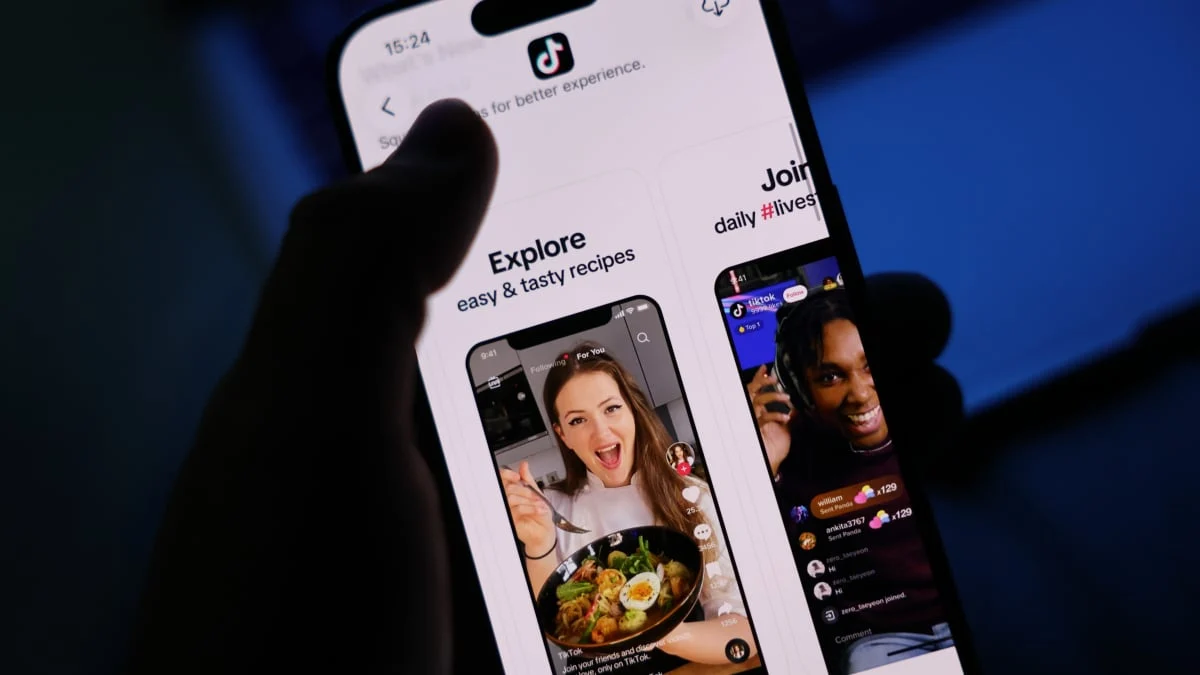
For the "cord-never" generation, the ability to authenticate a stream on a smart device is significantly less cumbersome than navigating the outdated, clunky interfaces of legacy cable apps like Optimum. However, the commercial landscape for venues remains complex. "Bar life," once the domain of a standard cable box, now requires a sophisticated subscription portfolio. Sports-centric venues are increasingly relying on services like EverPass, which aggregates Apple TV, ESPN+, NFL Sunday Ticket, and the various streaming-only regional sports networks into a single, manageable commercial package.
The Future of Sports Heaven
We have not yet reached a state of perfection. The fragmentation of sports content—where a fan might need four different subscriptions to follow a single team’s journey through the playoffs—is a legitimate consumer grievance. When a legend like Mike Breen is sidelined from calling certain games due to corporate rights silos, the fan experience suffers.
Furthermore, the industry is bracing for the next frontier of streaming: Netflix. Given the platform’s track record of "flix-ups" in other genres, the sports community remains wary of how they will handle the complexities of live, real-time athletic competition.
Despite these concerns, the 2025-26 NBA Playoffs serve as a proof-of-concept for the future. The reliability of streaming has matured, the production values have surpassed their cable predecessors, and the flexibility of digital delivery is changing the way we consume sports at home. While the "original sales pitch" of ESPN-led cable was about simplicity, the current era is about ubiquity. Whether you are falling asleep to the white noise of a West Coast tip-off or locked in on a primetime Game 7, the future of sports is no longer found in a channel guide—it is found in the palm of your hand.

 Layla Zulfa
 Lina Hope