

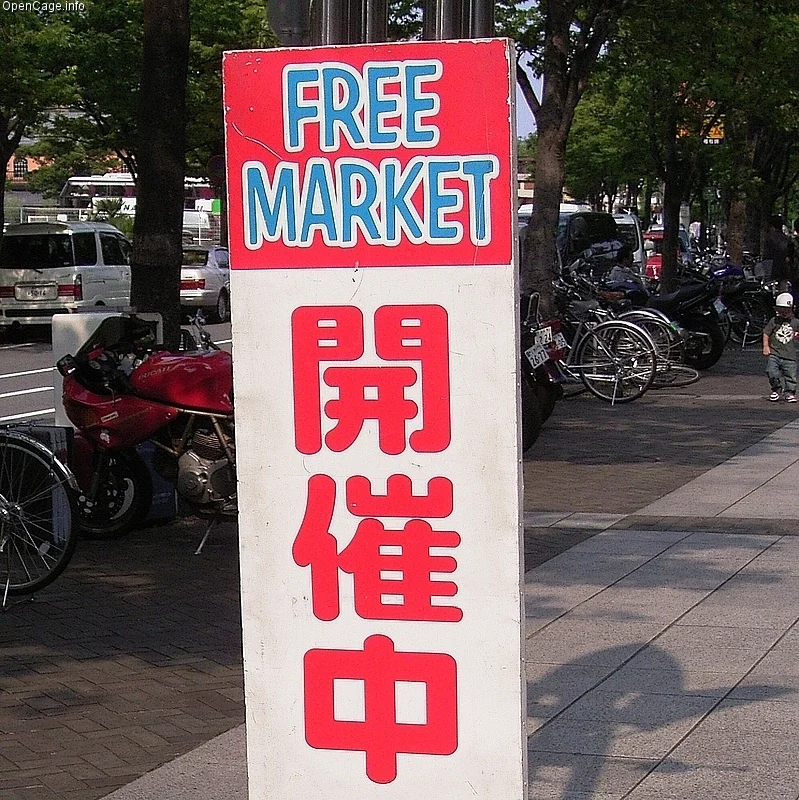
In the high-speed transit corridors between Tokyo and Kyoto, Nagoya is often unfairly relegated to a "stopover" city. Yet, for the discerning traveler, Nagoya harbors a secret that the more polished, tourist-heavy circuits of the Golden Route struggle to replicate: a living, breathing, and remarkably authentic antique marketplace. Held twice monthly on the sacred grounds of the Osu Kannon Temple, the Osu Kannon Antique Market offers a visceral window into Japan’s material history—a place where Edo-period woodblock prints, Meiji-era silks, and Showa-era ephemera sit side-by-side in a sprawling, open-air bazaar.
Main Facts: The Pulse of the Market
The Osu Kannon Antique Market (大須観音骨董市) is not a sanitized exhibition for tourists; it is a serious, working flea market that serves as a vital node in the regional economy of Aichi Prefecture. Every 18th and 28th of the month, the temple precinct transforms.
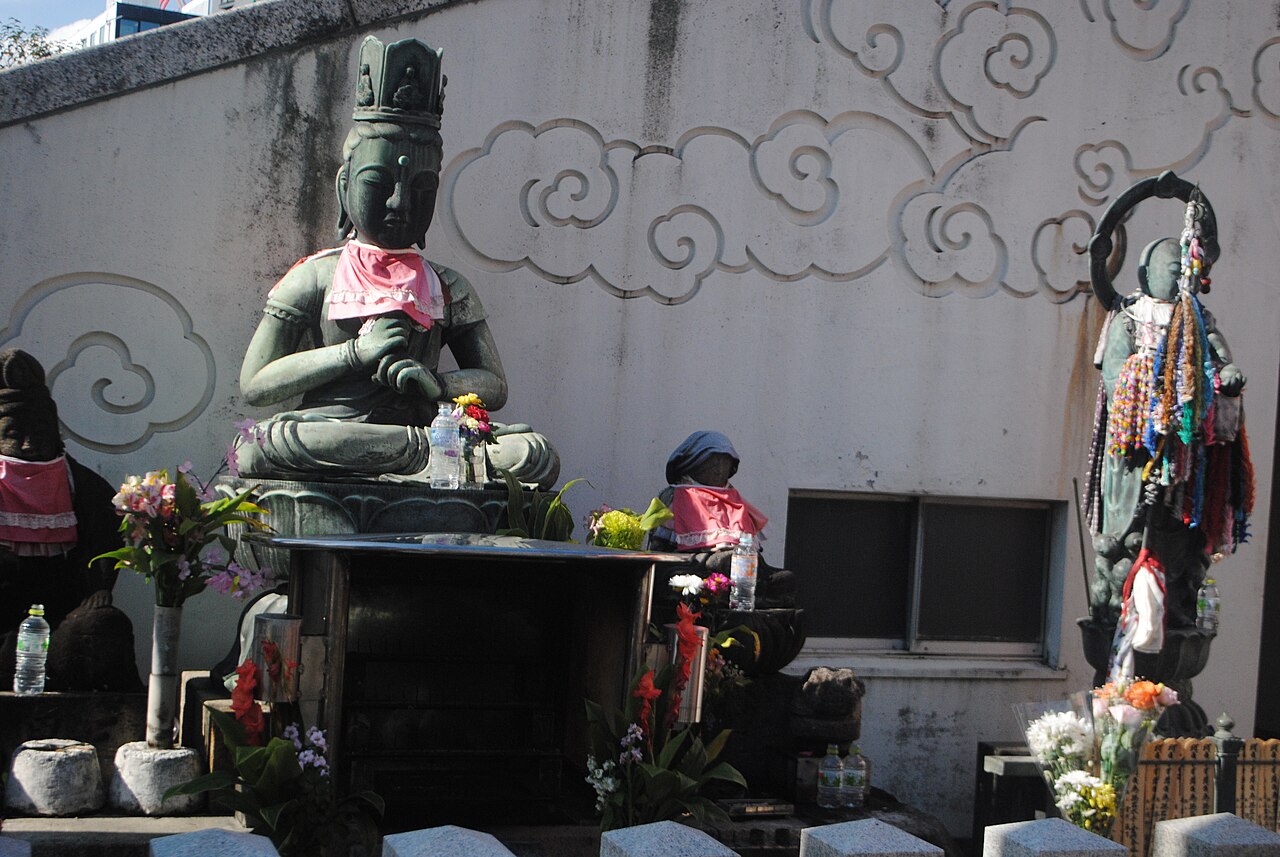
- Frequency: The 18th and 28th of every month.
- Scale: Typically 80 stalls on a weekday; upwards of 120+ stalls on weekends.
- Accessibility: Located in central Nagoya, minutes from the Osu Kannon subway station.
- Pricing: A spectrum ranging from ¥500 bargain trinkets to ¥500,000 blue-chip collector pieces.
- Audience: Predominantly local collectors and dealers. Foreign visitors are rare, offering a rare opportunity to experience a market without the "curated theater" found in more famous international tourist hubs.
The market functions as a living archive of Japan’s rapid modernization. One might find a rusted iron tea kettle (tetsubin) from a rural farmhouse beside a pristine collection of vinyl records from the 1970s. It is an egalitarian space where the serious collector of samurai armor and the casual browser looking for a unique souvenir navigate the same narrow aisles.
A Chronology of Continuity: The History of Osu Kannon
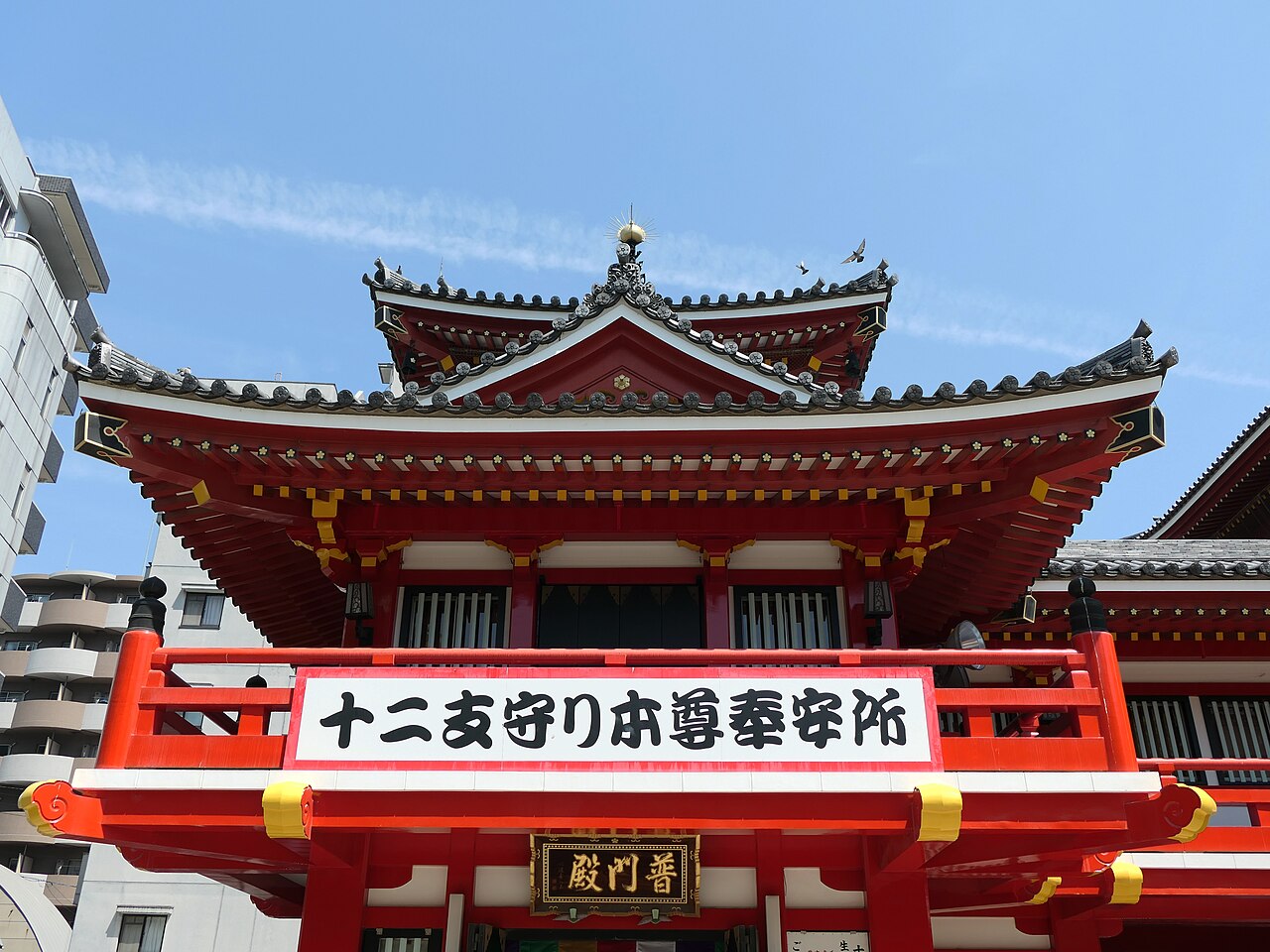
To understand the market, one must first respect the host. Osu Kannon (officially Kitano-san Shinpuku-ji Hōshō-in) is a Shingon-sect Buddhist temple with an institutional lineage dating back to 1333. Originally founded in the former Mino Province, the temple was relocated to its current Nagoya site in 1612 by order of the Shogun Tokugawa Ieyasu. This was no casual move; it was a deliberate urban planning masterstroke intended to anchor the southern commercial district of the fledgling Nagoya castle-town.
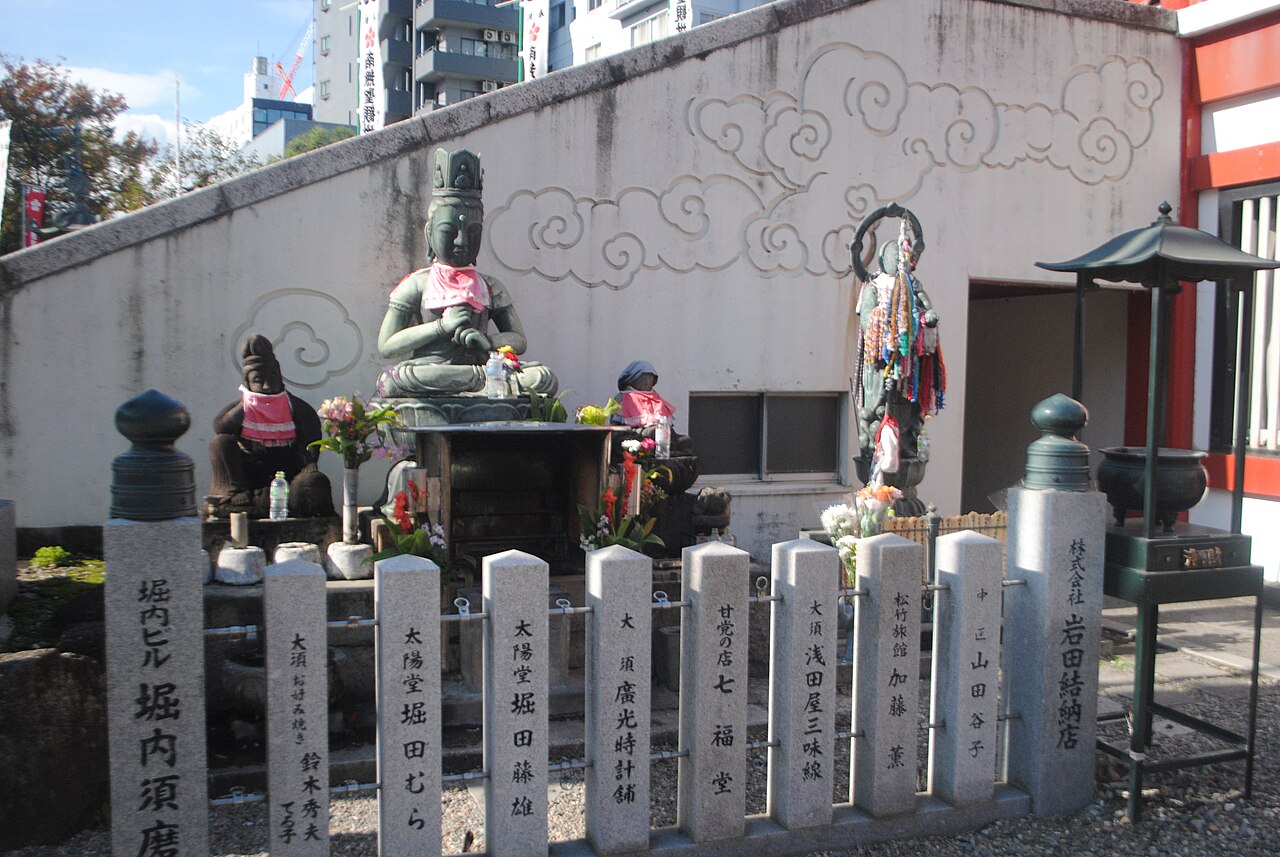
The temple is not merely a venue; it is a repository of national importance. It houses the Shinpukuji Bunko, an invaluable collection of manuscripts that includes one of the oldest surviving copies of the Kojiki—the foundational text of Japanese mythology—dated 1371. While the originals remain protected in the library, the site remains a focal point for scholars and the faithful alike. The current main hall, a 1970s reconstruction, stands as a testament to the city’s resilience following the destruction of the original temple during the air raids of World War II. When you shop the market, you are walking on ground that has been a center of trade and piety for over 400 years.
Supporting Data: Navigating the Antique Ecosystem
Shopping at Osu Kannon requires a shift in mindset. Unlike the retail environments of Tokyo’s Ginza or Nagoya’s own high-end department stores, this is an unauthenticated, raw-market environment.
The Art of the Deal
Haggling is an accepted, if subtle, component of the experience. It is not the aggressive, theatrical bargaining seen in other parts of Asia. Here, a respectful inquiry regarding a price—often followed by a polite request for a 10–15% discount—is the standard. Use the phrase "Kore wa ikura desu ka?" (How much is this?) to initiate the conversation. If a price tag is missing, the vendor will often write a figure on a notepad.
Financial Logistics
Cash is king. While some upscale dealers in the nearby permanent arcade may accept credit cards for high-value items, the market stalls are almost exclusively cash-based. Visitors should ensure they carry denominations of ¥5,000 and ¥1,000. For those caught short, the nearest ATM is located at the 7-Eleven approximately 200 meters from the temple’s east gate.
Authentication and Risk
There is no "market authority" certifying the items sold here. The responsibility for authentication lies entirely with the buyer. Serious collectors often bring their own magnifying loupes and rely on their knowledge of hakogaki (the inscriptions on wooden storage boxes) or maker’s marks. If you are browsing for joy rather than investment, the risk is minimal, but those seeking historical artifacts should treat every purchase as an exercise in "buyer beware."
Official Perspectives and Cultural Implications
From the perspective of local tourism boards and municipal planners, the Osu Kannon market represents a vital link between traditional heritage and contemporary urban life. Nagoya’s push to encourage longer stays for international visitors has highlighted Osu as a "gateway experience."
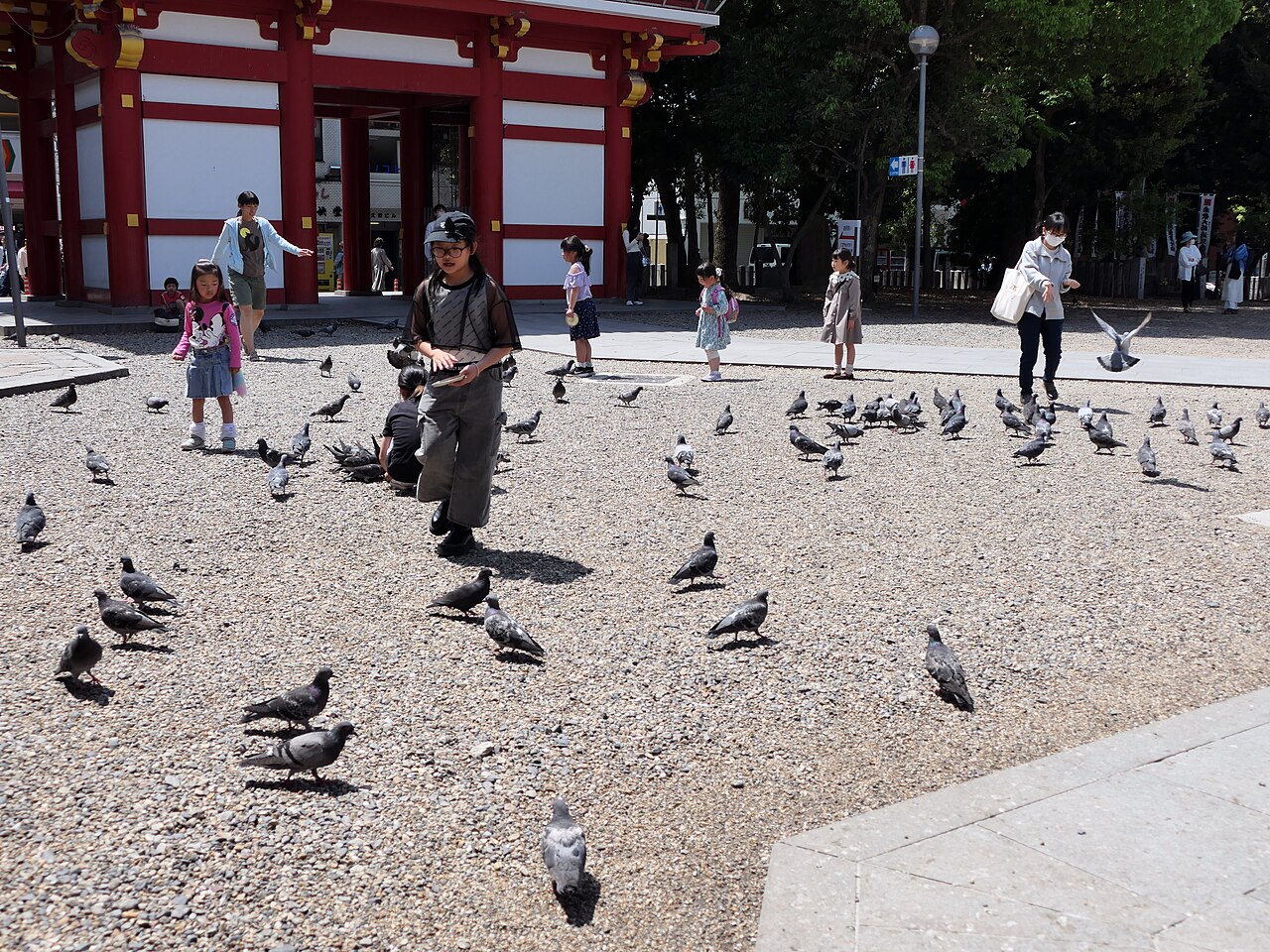
Unlike Kyoto, where markets are often crowded with international tour groups, the Nagoya circuit remains firmly under local control. This has profound implications for the visitor: the prices remain tethered to the local market rate rather than a "tourist premium." The market provides a rare look at the mottainai (waste-reduction) culture that has defined Japanese households for generations, where items are kept, repaired, and passed down through decades.
Furthermore, the market acts as a seasonal barometer. During Golden Week or Obon, the market remains active, serving as a social hub for the community. The juxtaposition of the somber, chanting rituals in the main hall of the temple with the boisterous, chaotic trade occurring just outside the gates creates a dynamic contrast—a synthesis of the sacred and the profane that defines the Japanese urban experience.
Strategic Integration: A Half-Day in Nagoya
For the traveler looking to maximize their time, the Osu market should be treated as the centerpiece of a larger exploration.
- Morning (09:00–11:00): Arrive at the market early. This is when the best items are displayed, and the atmosphere is at its most authentic.
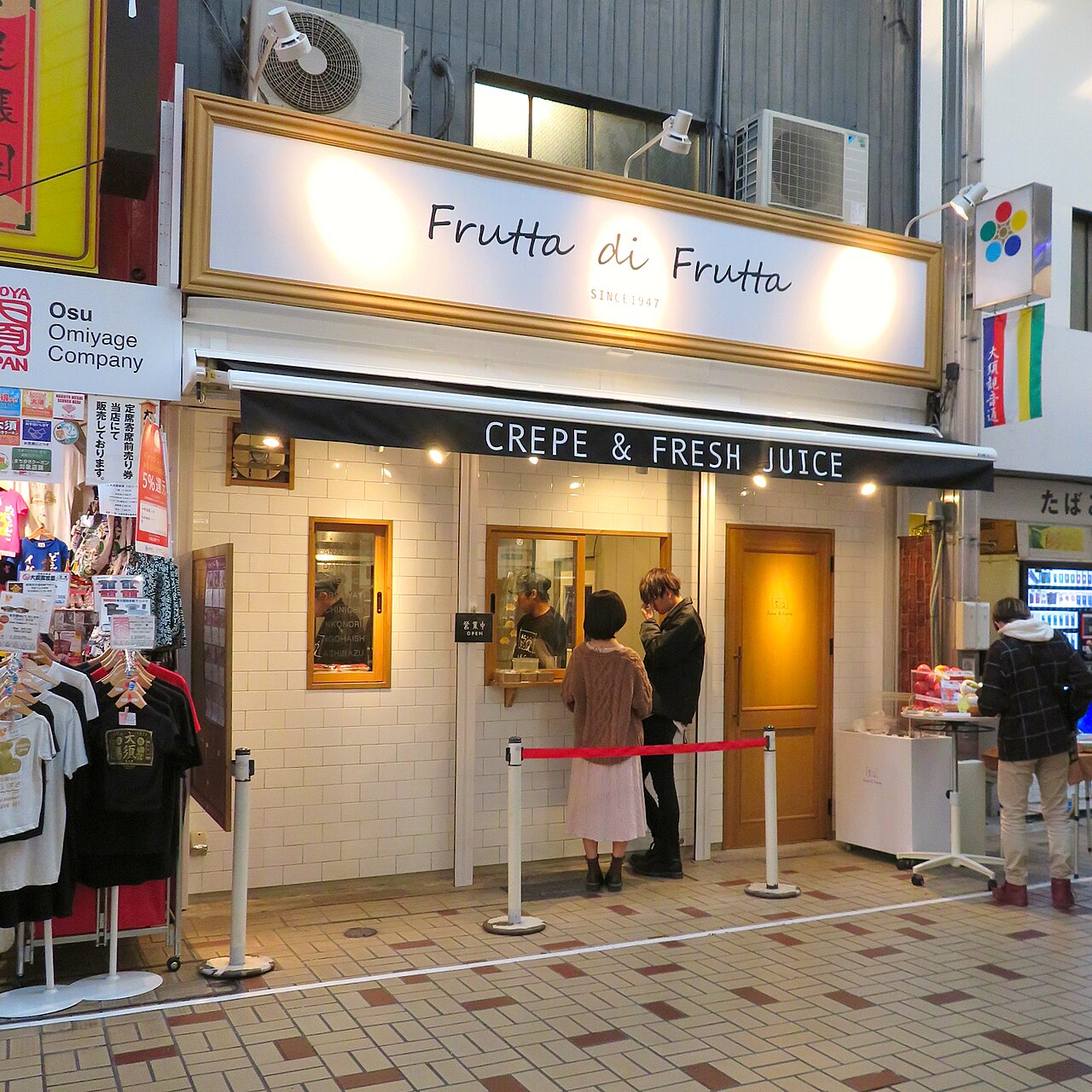
- Mid-Day (11:00–13:00): Explore the adjacent Osu Shopping District. This 1km-long network of covered arcades is the city’s "Electric Town" and retro-shopping hub. It is the perfect place to find second-hand kimonos, vintage electronics, and classic anime collectibles.
- Lunch (13:00–14:00): Indulge in Nagoya’s distinct culinary culture. Look for hitsumabushi (grilled eel) or miso katsu (pork cutlet with rich, dark miso sauce). The restaurants within the arcade offer some of the most authentic, no-frills dining in the prefecture.
- Afternoon (14:00+): If the market day is winding down, take the 15-minute walk or a short subway ride to the Nagoya City Science Museum or the Tokugawa Art Museum to round out the cultural context.
Summary: Is It Worth the Journey?
For the antique enthusiast, the Osu Kannon market is an unmissable destination. It is a rare opportunity to acquire high-quality Japanese artifacts at prices that haven’t been inflated by the international art market. For the kimono collector, it is a goldmine; the selection is robust, and the pricing is significantly more competitive than what one might encounter in the saturated stalls of Kyoto.
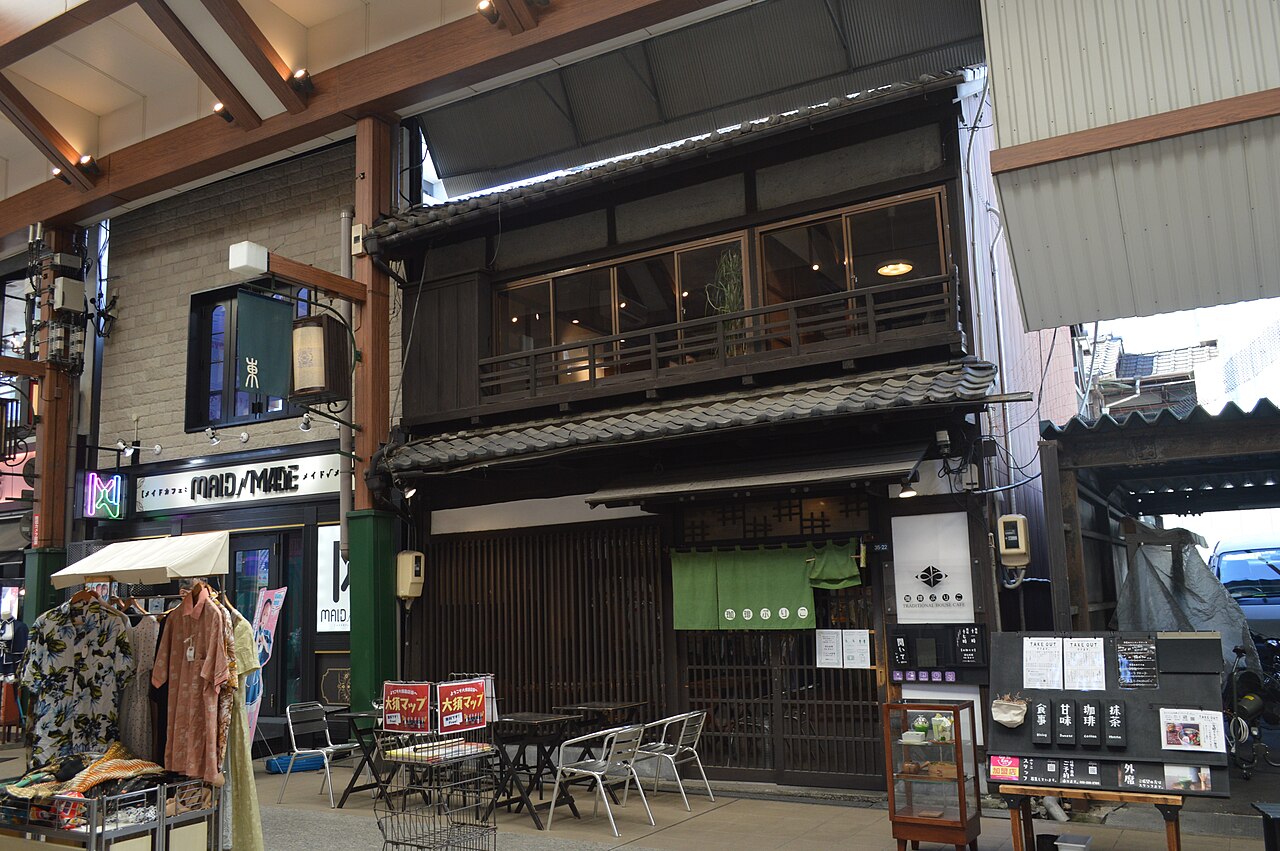
For the casual tourist, the market is a spectacle of daily life. Even if you walk away without a purchase, the visual density of the stalls, the rhythmic chanting of the monks in the background, and the surrounding labyrinth of the Osu arcade offer a sensory immersion that captures the heart of modern Nagoya.
In a world where travel is increasingly digitized and homogenized, the Osu Kannon Antique Market remains stubbornly, refreshingly analog. It is a place where history is not behind glass, but resting on a folding table, waiting for the right person to take it home. Whether you are hunting for a piece of the Edo period or simply looking to understand the soul of a city that refuses to be just a stopover, the Osu Kannon Market is, in every sense, a treasure worth finding.











