Siti Muinah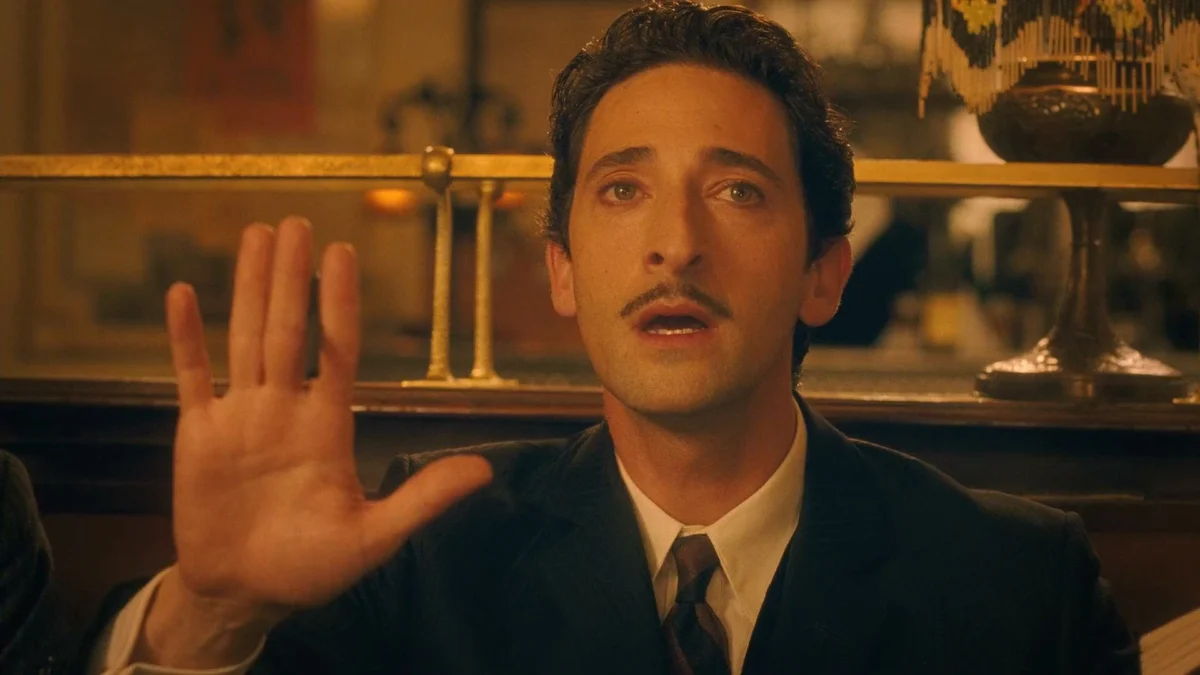
Published May 19, 2026, 7:00 PM EDT
By Corey Plante
I. Main Facts: Woody Allen’s Enchanting Exploration of Time and Longing
Fifteen years after its initial release, Woody Allen’s enchanting romantic fantasy, Midnight in Paris, continues to captivate audiences and provoke thought, standing as a testament to its enduring themes. Premiering at the Cannes Film Festival in May 2011 and released worldwide later that year, the film quickly distinguished itself not merely as a whimsical tale of time travel, but as a profound meditation on nostalgia, artistic aspiration, and the elusive nature of a "golden age."
Directed and written by Woody Allen, Midnight in Paris stars Owen Wilson as Gil Pender, a disaffected Hollywood screenwriter on vacation in Paris with his fiancée and her conservative parents. Gil, a hopeless romantic and aspiring novelist, feels increasingly alienated by the superficiality of his present life. His world dramatically shifts when, at the stroke of midnight, a vintage Peugeot limousine mysteriously transports him to 1920s Paris, the era he idolizes as the zenith of art and culture. There, he encounters a constellation of his literary and artistic heroes – F. Scott Fitzgerald, Ernest Hemingway, Gertrude Stein, Salvador Dalí, Pablo Picasso, and many more – living out the bohemian dream he has only imagined.
The film’s genius lies in its masterful use of time travel not as a conventional science fiction mechanic, but as a literary device. It serves as a conduit for Gil’s internal journey, allowing him to physically inhabit his idealized past, only to discover a more complex, and ultimately more truthful, understanding of both history and his own present. Its critical acclaim was widespread, culminating in an Academy Award for Best Original Screenplay for Allen, and it remains his highest-grossing film to date, demonstrating its broad appeal. This article revisits Midnight in Paris fifteen years later, delving into its narrative, thematic depth, and lasting implications in an ever-evolving world.
II. Chronology: From Conception to Enduring Legacy
The journey of Midnight in Paris from script to screen, and its subsequent cultural impact, offers a compelling chronology that underscores its significance.
A. Conception and Production: Allen’s Parisian Romance
Woody Allen has long harbored a cinematic love affair with European cities, particularly Paris, a backdrop for some of his most iconic narratives. Midnight in Paris emerged from this deep affection, tapping into a recurring motif in his work: the allure of a romanticized past and the inherent human tendency to yearn for what seems lost. Allen often explores characters grappling with existential anxieties, seeking meaning and connection amidst the chaos of modern life. Gil Pender perfectly embodies this archetype, a protagonist whose disillusionment with the present drives his fantastical escape.
The script itself is a testament to Allen’s distinctive voice, blending intellectual wit with heartfelt sentiment. His decision to cast Owen Wilson, known for his laid-back demeanor and comedic timing, as the neurotic yet charming Gil Pender was a stroke of brilliance. Wilson brought a vulnerability and earnestness to the role that grounded the fantastical elements of the story. Filming took place entirely in Paris, with Allen opting for natural light and intimate settings, shunning grand tourist vistas for the city’s more personal, evocative corners. This choice was crucial in crafting the film’s unique atmosphere, transforming Paris from a mere location into a living, breathing character itself. The production was relatively swift, a hallmark of Allen’s efficient filmmaking style, ensuring the whimsical narrative retained its spontaneity.
B. Release and Initial Reception (2011): A Festival Darling and Box Office Hit
Midnight in Paris debuted as the opening film of the 2011 Cannes Film Festival, immediately garnering enthusiastic reviews. Critics lauded Allen’s return to form, praising its charm, humor, and intellectual depth. Its reception at Cannes set the stage for its commercial success, a rarity for Allen’s later works. Released theatrically in the United States in May 2011, the film defied expectations, becoming a sleeper hit. It grossed over $151 million worldwide against a modest budget, making it Allen’s most successful film at the box office.
This commercial triumph was bolstered by widespread critical acclaim. Reviewers highlighted its innovative take on the time-travel genre, its witty dialogue, and the stellar ensemble cast, which included Corey Stoll’s gruff yet endearing Ernest Hemingway, Kathy Bates’s insightful Gertrude Stein, and Marion Cotillard’s ethereal Adriana. The film resonated particularly with audiences who shared Gil’s romantic sensibilities or felt a similar yearning for a perceived "better" past.
C. Narrative Progression: Gil’s Journey of Self-Discovery
The film’s narrative unfolds chronologically through Gil’s nightly escapades, each revealing a new layer of his internal conflict and the film’s overarching themes:
- Disillusionment and Idealization: Gil arrives in Paris with his materialistic fiancée, Inez (Rachel McAdams), and her parents, immediately feeling out of place. His romantic idealization of Paris and the 1920s Lost Generation clashes sharply with their pragmatic, often cynical, view of the city and life itself. This initial contrast establishes the central tension between Gil’s inner world and his external reality.
- The Midnight Portal: The mysterious appearance of the vintage car at midnight, transporting Gil to the 1920s, is the catalyst for his transformation. His initial encounters with Fitzgerald and Hemingway are pure wish fulfillment, as he drinks, socializes, and shares his novel with his idols.
- The Artistic Mentor: Gil finds a mentor in Gertrude Stein, who offers invaluable critiques of his novel, pushing him to develop his own voice rather than simply imitate his heroes. This relationship signifies his transition from a passive admirer to an active participant in the artistic process.
- The Muse and the Double-Slip: His burgeoning relationship with Adriana, Picasso’s muse, introduces a crucial turning point. Adriana, like Gil, is enamored with a past era – the Belle Époque of the 1890s. When they both travel back to her idealized past, the cycle of nostalgia is vividly demonstrated. Here, they encounter figures like Paul Gauguin and Edgar Degas, who, in turn, yearn for the Renaissance. This "double-slip" serves as the narrative’s climax, exposing the endless, self-defeating nature of longing for a "golden age" that always lies just beyond one’s grasp.
- Realization and Resolution: Confronted with Adriana’s decision to remain in the Belle Époque, Gil understands the futility of chasing an idealized past. He realizes that true happiness and artistic fulfillment stem from engaging with one’s own time, flaws and all. He breaks off his engagement with Inez, shedding the superficiality that plagued his modern life, and embraces the possibility of a genuine connection in the present. His final walk with a local Parisian woman, Gabrielle, through the rain-kissed streets, symbolizes his acceptance of the present and the beauty it holds.
D. Post-Release Legacy (15 Years Later): An Enduring Cultural Touchstone
Fifteen years on, Midnight in Paris has cemented its place as a beloved film and a significant entry in Woody Allen’s extensive filmography. Its themes of nostalgia, the pursuit of artistic authenticity, and the challenge of living in the present remain deeply relevant. In an age increasingly dominated by digital archives and curated online memories, the film’s critique of idealized pasts resonates perhaps even more strongly. It continues to be rewatched, discussed, and recommended, particularly for those grappling with creative blocks, existential ennui, or simply a deep affection for the City of Light. Its cultural footprint extends beyond cinema, inspiring travel, art appreciation, and philosophical discussions about the nature of happiness and historical perception.
III. Supporting Data: Thematic Depth and Artistic Craftsmanship
Beyond its charming premise, Midnight in Paris is rich with supporting data in its thematic explorations, character portrayals, and meticulous artistic choices.
A. Time Travel as a Literary Device: Beyond the Paradox
Unlike traditional sci-fi narratives where time travel often involves complex mechanics, paradoxes, and the potential to alter historical events, Midnight in Paris employs it purely as a psychological and literary conceit. The mechanism is intentionally vague – a magic car appearing at midnight. This ambiguity allows the focus to remain firmly on Gil’s emotional and intellectual journey. The past isn’t a timeline to be manipulated; it’s a mirror reflecting Gil’s anxieties and desires. This unique approach liberates the film from genre constraints, enabling it to function as a fable about personal growth rather than a scientific puzzle. It’s a dream made manifest, a tangible metaphor for Gil’s inner world, rather than a literal journey through history.
B. The "Golden Age" Fallacy: A Universal Delusion
The film’s most potent "dark truth" about time travel, and indeed about human nature, is its deconstruction of the "golden age" fallacy. Gil’s belief that the 1920s was the ultimate era of artistic genius is challenged by Adriana’s conviction that the Belle Époque (1890s) was superior. This recursive longing is then amplified when artists of the Belle Époque express their own desire to have lived during the Renaissance. This chain reaction brilliantly illustrates the concept of "golden age thinking" or "chronological snobbery," the tendency to believe that a past era was inherently better or purer than the present.
This phenomenon is deeply rooted in human psychology. It often stems from a romanticized view of history, where the imperfections and struggles of the past are glossed over, and only the celebrated achievements remain. The film argues that this longing is not merely harmless nostalgia; it’s a form of escapism, a struggle to live authentically in the present. As F. Scott Fitzgerald famously wrote in The Great Gatsby, "So we beat on, boats against the current, borne back ceaselessly into the past." Allen masterfully visualizes this profound insight, showing that true contentment lies not in chasing an idealized past, but in finding beauty and meaning in one’s own time.
C. Character Analysis: Archetypes and Authenticity
The film’s strength lies in its diverse cast of characters, both historical and fictional, who serve distinct narrative and thematic functions:
- Gil Pender (Owen Wilson): Gil’s arc is central. He begins as a dreamer trapped in a mundane reality, idealizing the past as an escape from his professional and personal dissatisfaction. Wilson’s performance is perhaps his most emotionally transparent, conveying Gil’s awkward charm, deep yearning, and eventual maturation with remarkable subtlety. He transforms from a passive observer of history into an active participant in his own life, shedding his illusions to embrace the present.
- The "Lost Generation" Figures: The historical figures are not mere caricatures but are imbued with personality and purpose. Corey Stoll’s Ernest Hemingway is a standout, capturing the writer’s iconic bravado, intensity, and underlying vulnerability. Tom Hiddleston’s F. Scott Fitzgerald is charmingly melancholic, while Alison Pill’s Zelda Fitzgerald is exuberantly volatile. Kathy Bates as Gertrude Stein provides intellectual gravitas and becomes Gil’s artistic confessor. These portrayals, while somewhat romanticized, retain enough of their historical essence to feel authentic within the film’s fantastical framework. They represent the vibrant, often tumultuous, spirit of the era.
- Adriana (Marion Cotillard): Adriana is more than a love interest; she is a mirror to Gil’s own romanticized view of the past. Her desire for the Belle Époque highlights the universality of "golden age" thinking, serving as a crucial catalyst for Gil’s ultimate realization. Cotillard imbues Adriana with an ethereal beauty and a deep-seated longing that makes her choices understandable, even if ultimately misguided from Gil’s perspective.
- The Antagonists (Inez and Paul Bates): Rachel McAdams’ Inez and Michael Sheen’s Paul Bates serve as foils to Gil’s romanticism. Inez embodies modern cynicism and materialism, while Paul is the ultimate pseudo-intellectual, constantly correcting others and reducing culture to a competitive display of knowledge. Sheen’s performance as the insufferable Paul is particularly memorable, providing much-needed comedic relief while also vocalizing the skeptical critiques of Gil’s worldview. They represent the unappealing aspects of the modern world that Gil initially seeks to escape.
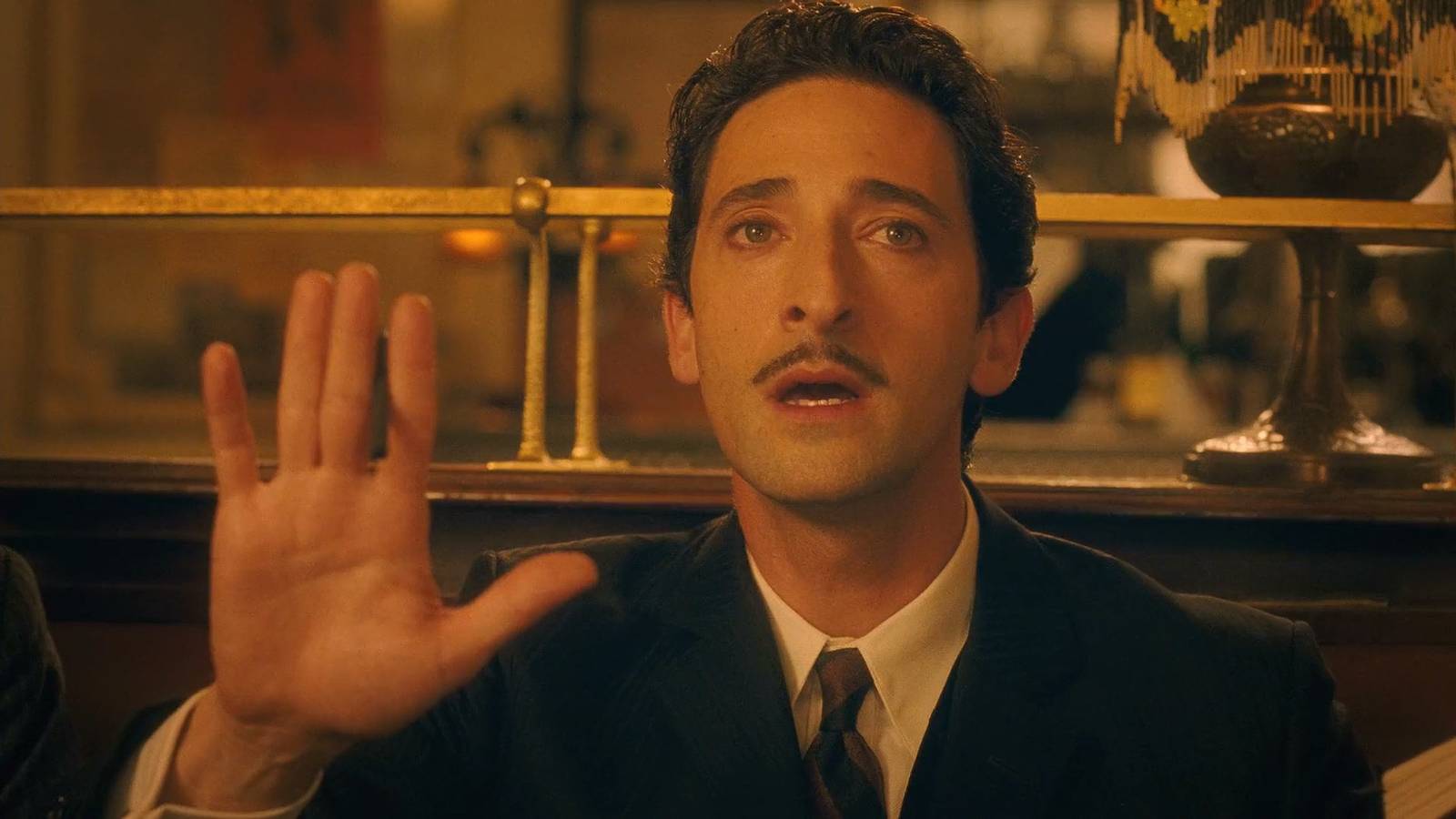
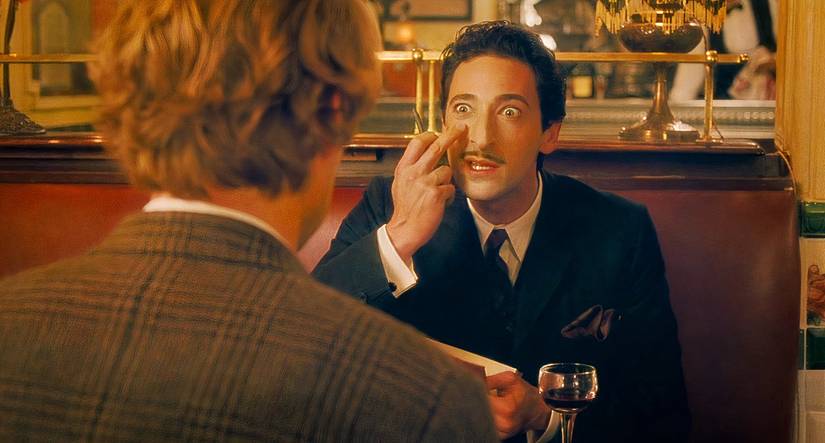
- Salvador Dalí (Adrien Brody): Adrien Brody’s brief but unforgettable cameo as Salvador Dalí is a masterclass in comedic character acting. His over-the-top portrayal of the surrealist painter, obsessed with rhinoceroses, adds a delightful touch of absurdity and demonstrates the film’s willingness to playfully engage with its historical figures.
D. Paris as a Character: An Intimate Portrait
Woody Allen’s cinematic depiction of Paris is arguably the film’s most captivating character. Rather than presenting a glossy, tourist-brochure version of the city, the film offers an intimate, almost dreamlike portrayal. The opening montage of quiet, rain-dappled streets, charming cafes, and hidden alleys sets the tone. The Eiffel Tower, when it appears, is framed casually, a sparkling backdrop rather than a grand spectacle. This approach fosters a sense of personal discovery, inviting the audience to experience Paris through Gil’s eyes – via leisurely strolls and unexpected encounters, not planned excursions. The cinematography, often warm and inviting, enhances this romantic vision, making the city feel both timeless and deeply personal. The musical score, featuring classic French tunes and jazz standards, further immerses the viewer in this romanticized atmosphere.

E. Literary and Artistic References: A Rich Tapestry
The film’s dialogue and visual storytelling are saturated with references to the literary and artistic movements of the 1920s and the Belle Époque. From Hemingway’s stoic pronouncements on writing and courage to Dalí’s surrealist musings, the film weaves a rich tapestry of cultural touchstones. These references are not merely decorative; they serve to authenticate Gil’s journey and provide intellectual texture to the narrative. The interactions between Gil and these historical figures are often humorous, insightful, and profoundly engaging, allowing the audience to glimpse the legendary personalities behind the iconic works.
IV. Official Responses: Acclaim, Awards, and Director’s Intent
Midnight in Paris garnered significant recognition, solidifying its status as one of Woody Allen’s most beloved and successful films.
A. Critical Acclaim: A Resounding Success
Upon its release, the film received overwhelmingly positive reviews. On Rotten Tomatoes, it holds an approval rating of 93% based on 220 reviews, with an average score of 7.8/10. The site’s critical consensus states, "It may not be as deep as some of his classics, but the romantic charm of Midnight in Paris indicates Woody Allen is in an uncommonly good mood." Metacritic assigned the film a weighted average score of 81 out of 100, based on 40 critics, indicating "universal acclaim."
Critics lauded its originality, wit, and Allen’s distinctive storytelling. Many praised Owen Wilson’s nuanced performance, calling it one of his best. The screenplay was particularly singled out for its cleverness and thematic depth. The New York Times described it as "a fizzy, funny, romantic fable," while Variety called it "a wonderfully whimsical romantic fantasy." The consensus was that Allen had delivered a film that was both entertaining and intellectually stimulating, a perfect blend of his comedic and philosophical sensibilities.
B. Awards and Nominations: An Oscar-Winning Screenplay
The film’s critical success translated into significant awards recognition. At the 84th Academy Awards, Woody Allen won the Oscar for Best Original Screenplay, marking his fourth Academy Award win. The film also received nominations for Best Picture, Best Director, and Best Art Direction. This recognition underscored the film’s artistic merit and its impact within the industry.
Beyond the Oscars, Midnight in Paris also earned Allen a Golden Globe Award for Best Screenplay and a Writers Guild of America Award for Best Original Screenplay. These accolades further affirmed the strength of its writing, which elegantly balanced comedic timing with profound thematic explorations.
C. Box Office Performance: Allen’s Highest Grosser
Midnight in Paris became a surprise commercial hit, grossing $56 million in North America and over $151 million worldwide. This made it Woody Allen’s highest-grossing film to date, surpassing previous successes like Hannah and Her Sisters. Its commercial triumph demonstrated that a thoughtfully crafted, character-driven film could still find a large audience, particularly when tapping into universal desires and presented with charm and wit. Its success was a testament to the film’s broad appeal, resonating with both art-house aficionados and mainstream viewers.
D. Director’s Intent and Legacy: Allen’s Perspective
Woody Allen, known for his somewhat self-deprecating view of his own work, has consistently stated that he aims to make films that entertain and, perhaps, provoke some thought. With Midnight in Paris, his intention was clearly to explore the allure of nostalgia and the human tendency to romanticize the past. He has often spoken about the idea of a "golden age" being a myth, a construct of the human mind to escape the imperfections of the present. The film serves as a charming yet pointed articulation of this philosophical stance.
In interviews, Allen has acknowledged the film’s personal resonance, reflecting his own fascination with history, literature, and the romantic mystique of Paris. While the broader legacy of Woody Allen has become complex and controversial in recent years, the film itself stands largely independent, celebrated for its artistic merits and universal themes, rather than being overshadowed by its creator’s personal life. Its enduring popularity reinforces its status as a standalone cinematic achievement, beloved by many for its unique vision.
V. Implications: The Enduring Message of Presence and Art
Fifteen years after its release, the implications of Midnight in Paris continue to resonate, offering profound insights into the human condition and the power of art.
A. The Enduring Message on Nostalgia: Embracing the Now
The film’s most significant implication is its nuanced, yet ultimately firm, stance on nostalgia. It’s not a condemnation of appreciating history or drawing inspiration from the past; rather, it’s a cautionary tale against the escapist nature of idealizing a bygone era to avoid engaging with the present. The endless cycle of "golden age" longing, vividly depicted through Gil and Adriana, reveals that such a pursuit is inherently futile. Every generation perceives the "real magic" as having existed just before their own, trapping individuals in a perpetual state of dissatisfaction.
In an increasingly digital world, where social media often curates an idealized version of past experiences (both personal and historical), Midnight in Paris‘s message is more relevant than ever. It encourages viewers to challenge their own romanticized perceptions, urging them to find beauty and meaning in their contemporary lives. The film subtly suggests that the present, with all its imperfections, is the only place where genuine connection and authentic creation can occur. Gil’s ultimate choice to live in his own time, accepting its challenges, is a powerful endorsement of presence over perpetual yearning.
B. Art as an Antidote to Despair: Finding Meaning in Creation
One of the film’s most profound lines comes from Gertrude Stein in a late scene: "We all fear death and question our place in the universe. The artist’s job is not to succumb to despair, but to find an antidote for the emptiness of existence." This statement encapsulates the film’s philosophical core and provides Gil with the clarity he needs. It implies that true artistic greatness doesn’t come from escaping reality or merely observing past masters, but from confronting life’s inherent difficulties and transforming that experience into something meaningful for others.
Gil’s journey as a writer is intrinsically linked to this revelation. Initially, he seeks validation and inspiration from his literary heroes, hoping their proximity will imbue him with greatness. By the end, he understands that his voice, his unique perspective on his own time, is what truly matters. Art, then, is presented not as a luxury or an intellectual exercise, but as a vital human endeavor – a means of making sense of the world, connecting with others, and offering solace in the face of existential dread. This implication elevates Midnight in Paris beyond a simple romantic comedy, positioning it as a thoughtful exploration of creativity’s purpose.
C. Legacy of the Film: A Timeless Fable
Midnight in Paris stands as one of Woody Allen’s most accessible and beloved films, a testament to its universal appeal and timeless themes. It serves as a gentle reminder that happiness isn’t found in a particular time or place, but within one’s own perspective and willingness to engage with the present. Its rewatchability is high, as viewers can rediscover its subtle humor, clever literary allusions, and profound message with each viewing.
Fifteen years later, my own romanticization of the 1920s has certainly matured. I’ve learned that while the myths of the Lost Generation evoke a certain allure, the human truths often obscure uglier realities – the struggles, the jealousies, the tragic ends. Hemingway himself was often miserable, and Fitzgerald died believing himself a failure. The film, in its quiet dismantling of Gil’s fantasy, helped to temper my own literary idealism, fostering a more grounded appreciation for the complexities of history and the lives of its figures.
Yet, despite this clear-eyed understanding, the human heart retains a sliver of that original longing. The idea of a magical escape, even if fleeting and ultimately illusory, remains powerfully seductive. So, even with the wisdom gained from a decade and a half, if a century-old car were to roll up at midnight in a rain-kissed Parisian square, offering a glimpse into a romanticized past, I’d probably still step inside. The film’s magic, much like the city it celebrates, continues to beckon, inviting us to dream while gently reminding us to live.
Midnight in Paris is available to stream on Tubi.


 Lina Irawan
 Sagoh
Sagoh