

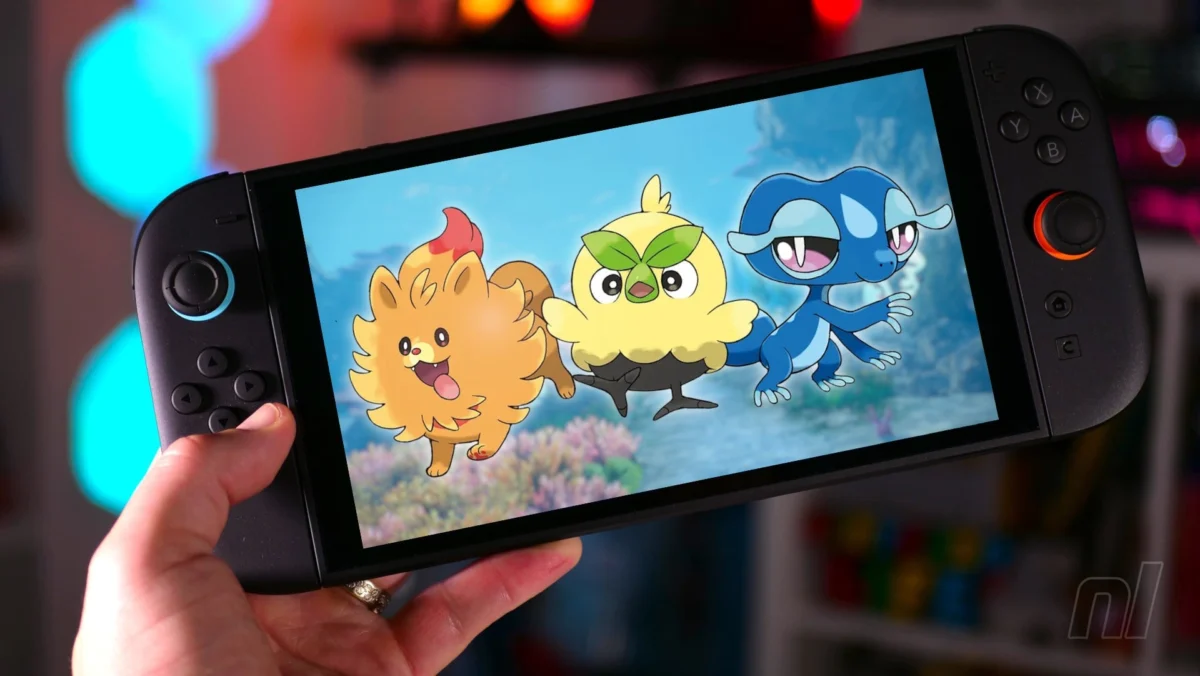
A recent listing on Amazon Germany for the upcoming Pokémon Winds and Waves has ignited a flurry of discussion among fans regarding potential pricing strategies for the Nintendo Switch 2’s next-generation Pokémon titles. While the listing suggests a retail price of €79.99, early speculation of an equivalent $80 USD price point is being met with skepticism, prompting a deeper dive into Nintendo’s recent pricing trends and regional cost differentials.
Main Facts: A Glimpse into Future Pokémon Pricing
The digital shelves of Amazon Germany have revealed a listing for what appears to be the next major installment in the Pokémon franchise, tentatively titled Pokémon Winds and Waves. This dual-release title, slated for a 2027 launch, has set pre-order prices at a significant €79.99. While the specific release date remains a placeholder of December 31st, 2027, it is the price point that has captured the attention of the Pokémon community.
This price, when converted and considered alongside the typical pricing discrepancies between European and North American markets, has led some fans to anticipate an $80 USD price tag for the game in the United States. However, a closer examination of recent Nintendo Switch 2 software pricing, particularly for first-party titles, suggests that such a direct conversion may not accurately reflect Nintendo of America’s pricing strategy.
Chronology: Nintendo’s Evolving Pricing Landscape for Switch 2
The Nintendo Switch 2 era has seen some notable shifts in pricing, with a few high-profile releases pushing the boundaries. When the console itself launched in June of last year, the introduction of Mario Kart World at an $80 USD price point was met with considerable debate. This price point, while initially alarming to some, has since been adopted by a select few other flagship titles. These include special "Switch 2 Editions" of games like Mario Party Jamboree and Kirby and the Forgotten Land, indicating a potential tiered pricing structure for premium releases.
Adding another layer to this evolving landscape, Nintendo of America has recently implemented a new strategy with the digital eShop. Starting with titles such as Yoshi and the Mysterious Book, the digital versions are now priced lower than their physical counterparts in the US market. This marks a departure from previous Nintendo console generations where physical editions typically held a slight premium. For instance, the upcoming Star Fox remake is listed at $49.99 for the physical version in the US, while its European counterpart is priced at €59.99. This divergence in pricing across regions and formats underscores the complexity of predicting future software costs.
Supporting Data: Deconstructing Regional Pricing and Expectations
The €79.99 price tag for Pokémon Winds and Waves on Amazon Germany, while substantial, aligns with a pattern of higher software prices for first-party titles in the Eurozone. It is crucial to contextualize this figure within the broader European market for Nintendo Switch 2 games.
As highlighted by prominent Pokémon news aggregator Joe "Serebii" Merrick, a price of €79.99 for first-party Switch 2 titles is not an anomaly for European consumers. In fact, Mario Kart World, which generated significant discussion for its $80 USD price in the US, retails for a considerable €89.99 in its physical form in Europe (with the digital version often aligning with the US digital price).
Beyond Mario Kart World, many other major first-party releases on the Switch 2 platform in Europe are priced at or around €80. This includes titles such as Donkey Kong Bananza, Pokémon Pokopia, and the various "NS2 Editions" of The Legend of Zelda: Breath of the Wild. This established pricing tier suggests that €79.99 for Pokémon Winds and Waves falls within the expected range for a significant new release in the region.

However, the context of the mainline Pokémon series warrants closer scrutiny. The recently released Pokémon Legends: Z-A – Nintendo Switch 2 Edition launched at a comparatively lower price point of €69.99. This discrepancy suggests that Winds and Waves could indeed represent a price increase for the core Pokémon RPG experience, a move that would naturally generate more concern among fans who have grown accustomed to a certain price ceiling for the series.
Official Responses and Industry Trends: The Shifting Sands of Console and Software Costs
While there has been no official comment from Nintendo regarding the specific pricing of Pokémon Winds and Waves, the company did announce significant price adjustments for the Nintendo Switch 2 console itself earlier in May. These global price hikes are set to take effect in September. In the United States, the console’s price will increase by $50, bringing it to $499.99. European consumers will see an additional €30 added to the Switch 2’s price, raising it to €499.99.
This broader trend of increasing hardware costs inevitably fuels speculation about accompanying software price adjustments. The economic climate, characterized by inflationary pressures and rising production costs, could provide justification for Nintendo to re-evaluate its software pricing strategies across the board. The potential for a higher price point for the next generation of mainline Pokémon games is a possibility that cannot be entirely dismissed, especially given the franchise’s immense popularity and consistent sales performance.
Implications: What This Means for Pokémon Fans and the Future of Gaming Prices
The listing of Pokémon Winds and Waves at €79.99 on Amazon Germany, while not a definitive indicator of the US price, serves as a valuable data point in understanding Nintendo’s evolving pricing strategies for the Switch 2 generation. The consistent €80 price point for many major first-party titles in Europe suggests that this is becoming the new standard for premium releases in that region.
For US consumers, the possibility of an $80 price tag for Pokémon Winds and Waves remains a point of contention. While it aligns with the price of Mario Kart World and a handful of other special editions, it would represent a significant increase for the mainline Pokémon RPG series, which has historically been priced slightly lower.
The recent console price hikes further amplify these concerns. As hardware becomes more expensive, the pressure to maintain profitability through software sales increases. This could lead to a more widespread adoption of higher price points for new game releases across the industry, not just within Nintendo’s ecosystem.
Ultimately, the final MSRP for Pokémon Winds and Waves in different regions will be a key indicator of Nintendo’s commitment to its established pricing models versus its willingness to adapt to current economic realities and market expectations. Fans will be keenly watching for official announcements, seeking clarity on whether this €79.99 listing signifies an upward trend for the beloved Pokémon franchise or simply a reflection of established European market pricing. The potential MSRP bump over Pokémon Legends: Z-A will undoubtedly be a significant talking point for the community as the release of Winds and Waves draws nearer.












No comments yet. Be the first to join the conversation!