Layla Zulfa
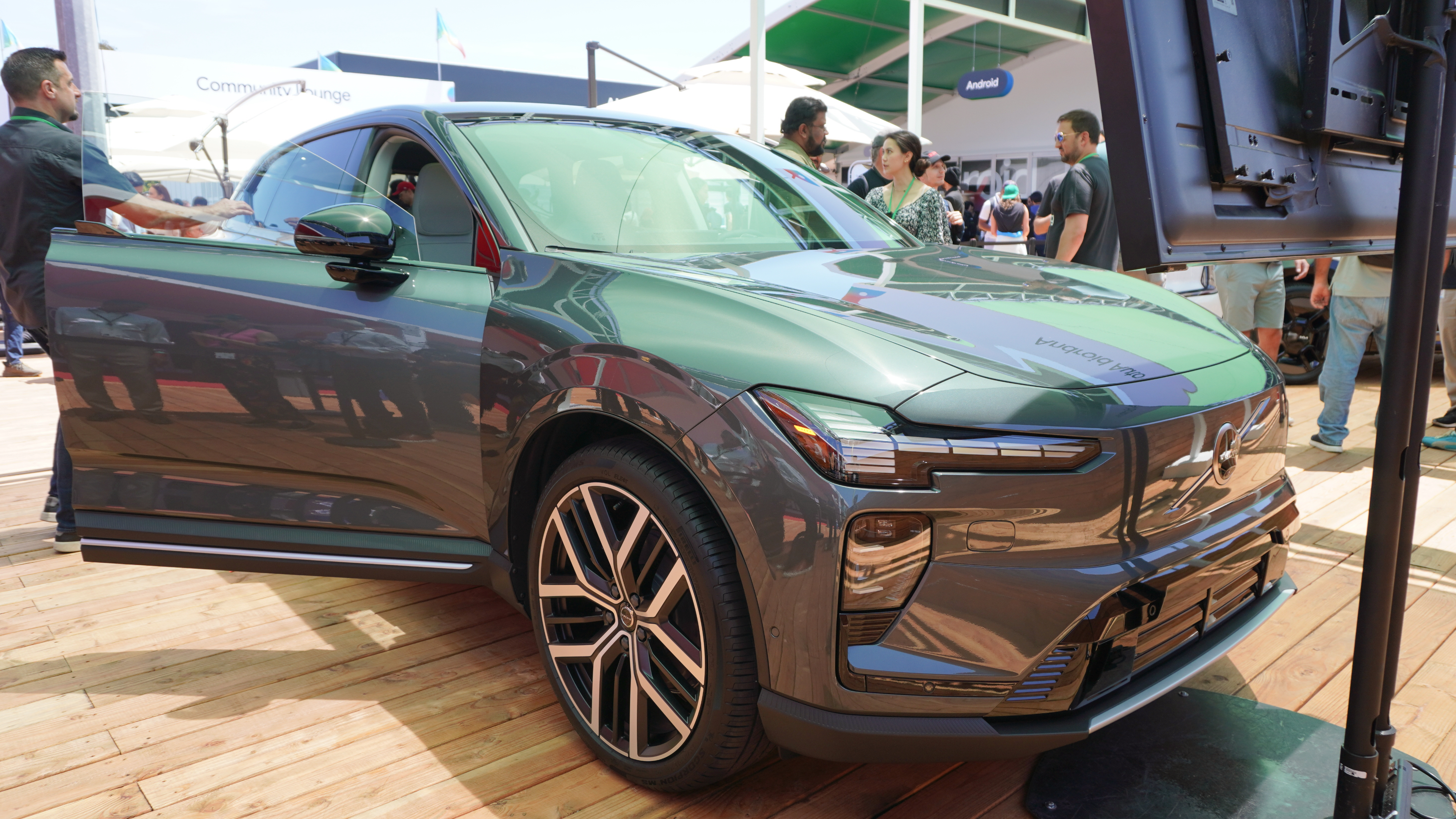
The modern automobile is undergoing a radical metamorphosis. For decades, the car was a mechanical vessel designed solely to transport passengers from point A to point B. In recent years, that identity has shifted toward the "connected vehicle," but even then, the interface often felt like a mere smartphone extension—a secondary screen tethered to a handset. Following the latest announcements at the Android Show and a hands-on experience at Google I/O 2026, it is clear that we have reached a tipping point. The next generation of Android Auto and the "Cars with Google built-in" ecosystem are no longer just interfaces; they are becoming intelligent, agentic partners that fundamentally redefine the driving experience.
When comparing the current trajectory of Google’s automotive vision against the traditional standards set by Apple’s CarPlay, the difference is becoming stark. While CarPlay has long provided a stable, user-friendly mirror of the iPhone, Google’s latest developments suggest a leap forward that feels more sophisticated, immersive, and proactive.
The Evolution of the In-Car Interface
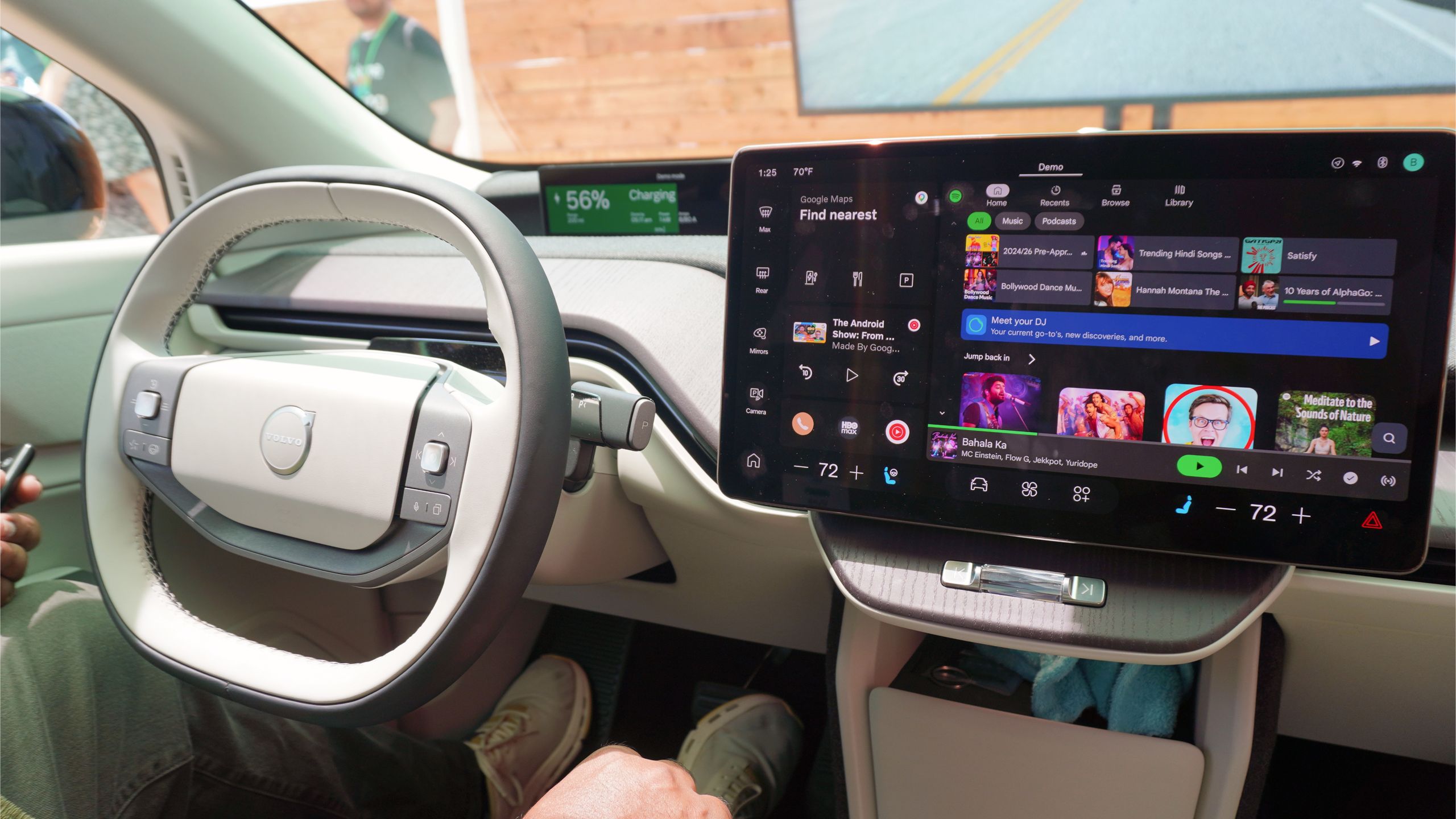
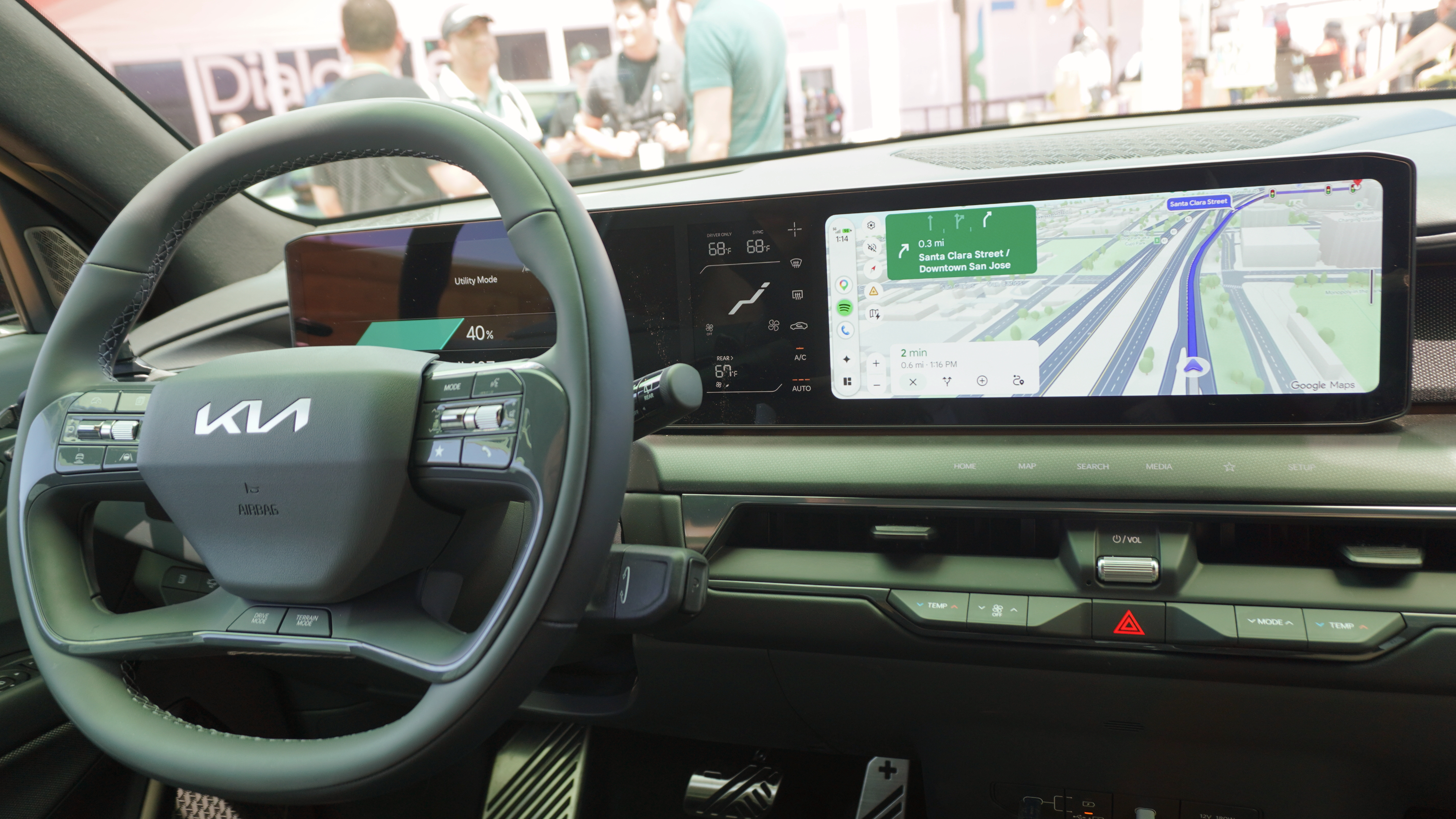
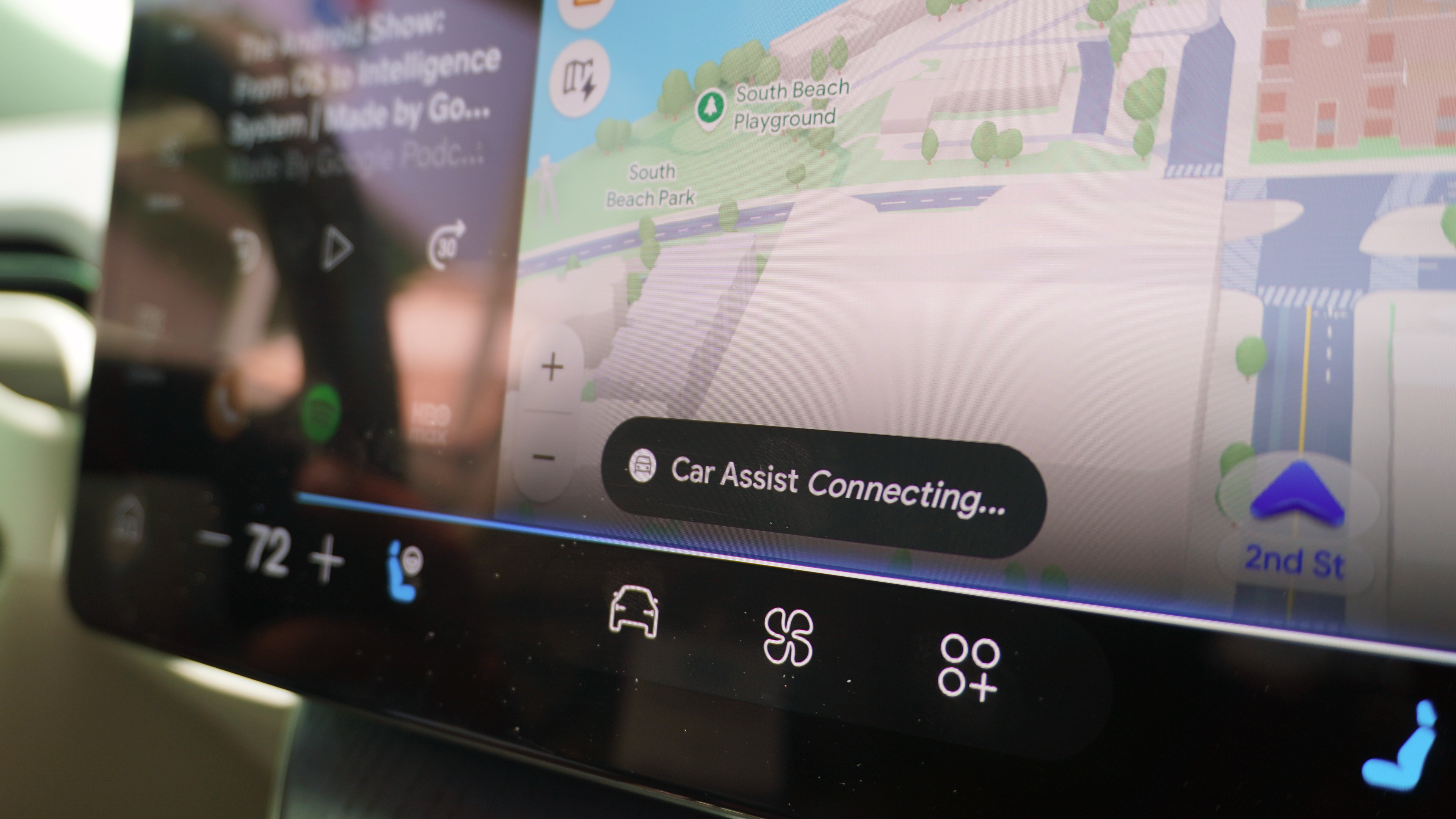
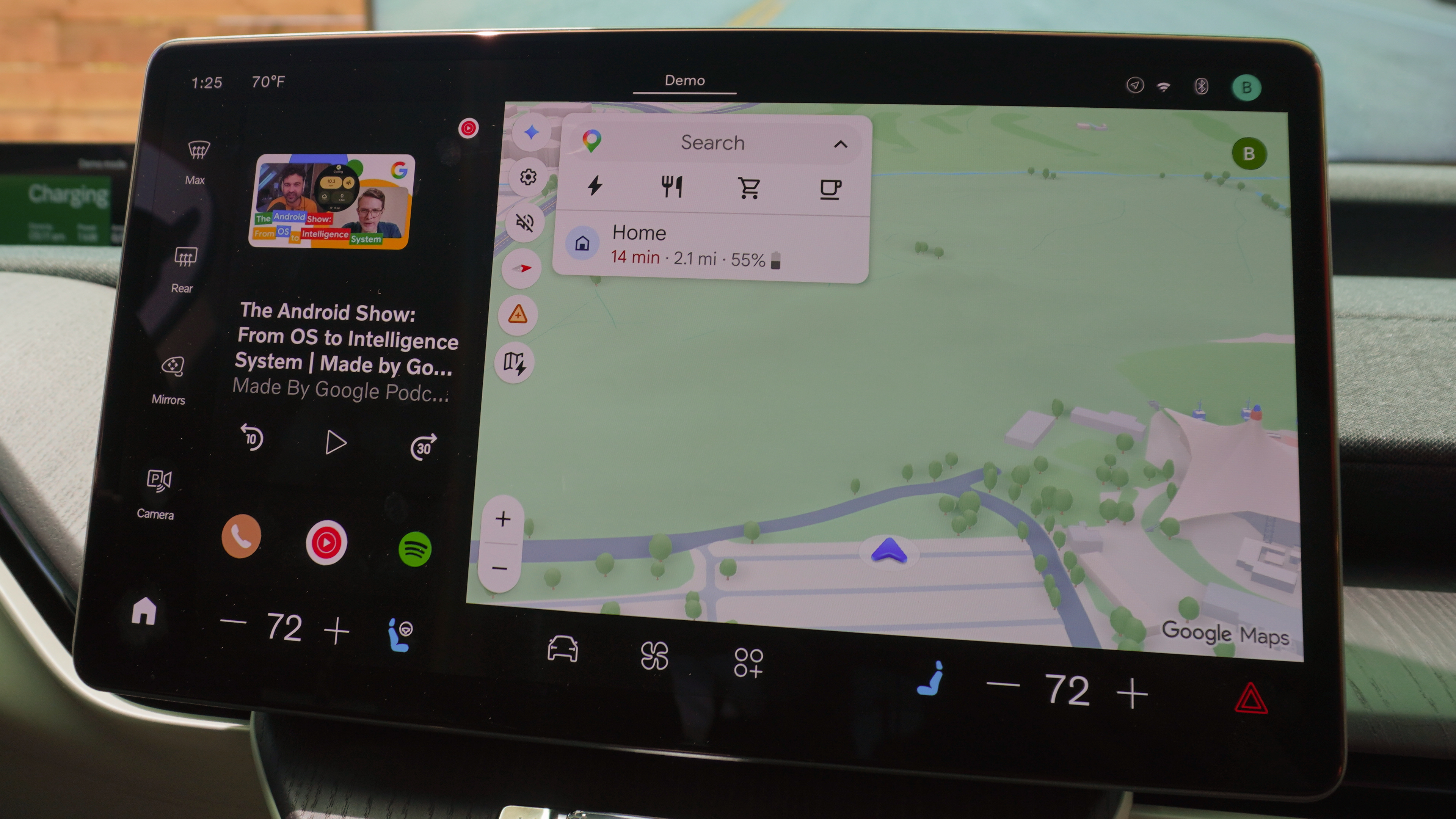
The transformation begins with a massive overhaul of Google Maps, the most significant update to the platform in over a decade. The introduction of "Immersive Navigation" marks a shift from flat, top-down routing to a highly detailed, 3D environment. By leveraging real-time data to display lanes, traffic lights, and stop signs with unprecedented clarity, the system reduces the cognitive load on the driver. In complex urban environments, this added spatial awareness is a tangible safety and convenience improvement.
Complementing this is the integration of the Material 3 Expressive design language. This new UI framework is not just an aesthetic update; it is a functional one. The multi-widget layout allows for granular, "at-a-glance" information consumption. By organizing navigation, media controls, and notifications into a cohesive, responsive grid, Google has minimized the time a driver needs to spend staring at the display, ensuring the eyes remain where they belong: on the road.
Chronology of an Automotive Revolution
The journey to this point has been methodical. Since the introduction of Android Automotive OS in 2020, Google has worked to move beyond the limitations of phone-tethered projection.
- 2020: The debut of "Cars with Google built-in," allowing vehicles to run a native version of Android, bypassing the need for a connected phone.
- 2024-2025: The integration of deeper vehicle sensor data, allowing the OS to communicate directly with hardware like climate control and EV battery management systems.
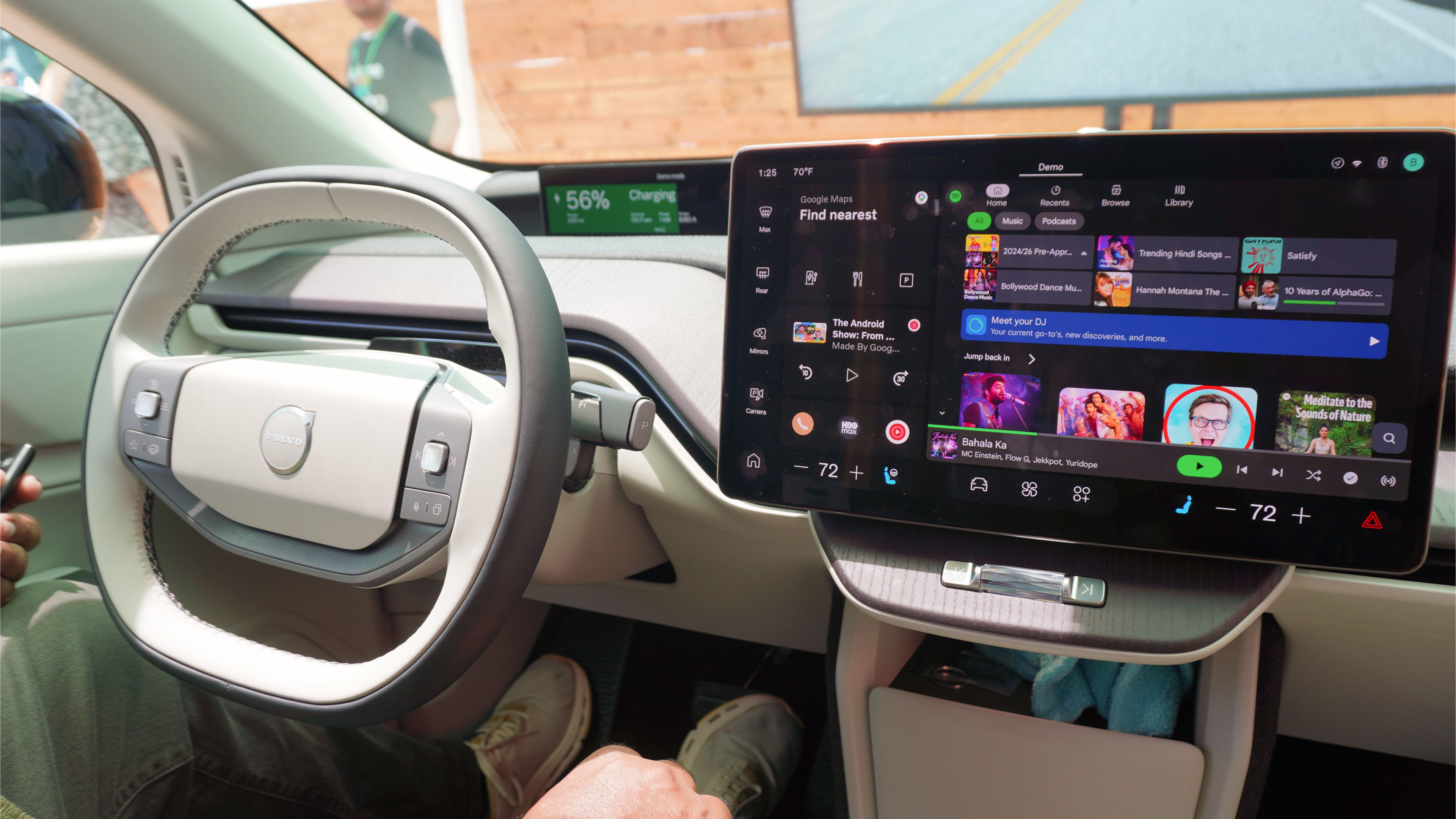
- 2026 (Google I/O): The official unveiling of agentic AI integration via Gemini, alongside the rollout of the Material 3 Expressive design and high-fidelity video support for parked vehicles.
This chronology highlights a clear strategy: first, build a stable OS; second, integrate it with the vehicle’s physical hardware; and third, layer on generative AI to create a proactive assistant.
The Power of the Agentic Assistant: Gemini in the Driver’s Seat
The most profound shift in the 2026 update is the deployment of Gemini, Google’s flagship AI, directly into the automotive environment. Unlike previous voice assistants that could only perform simple tasks like "play music" or "call mom," this new iteration is agentic.
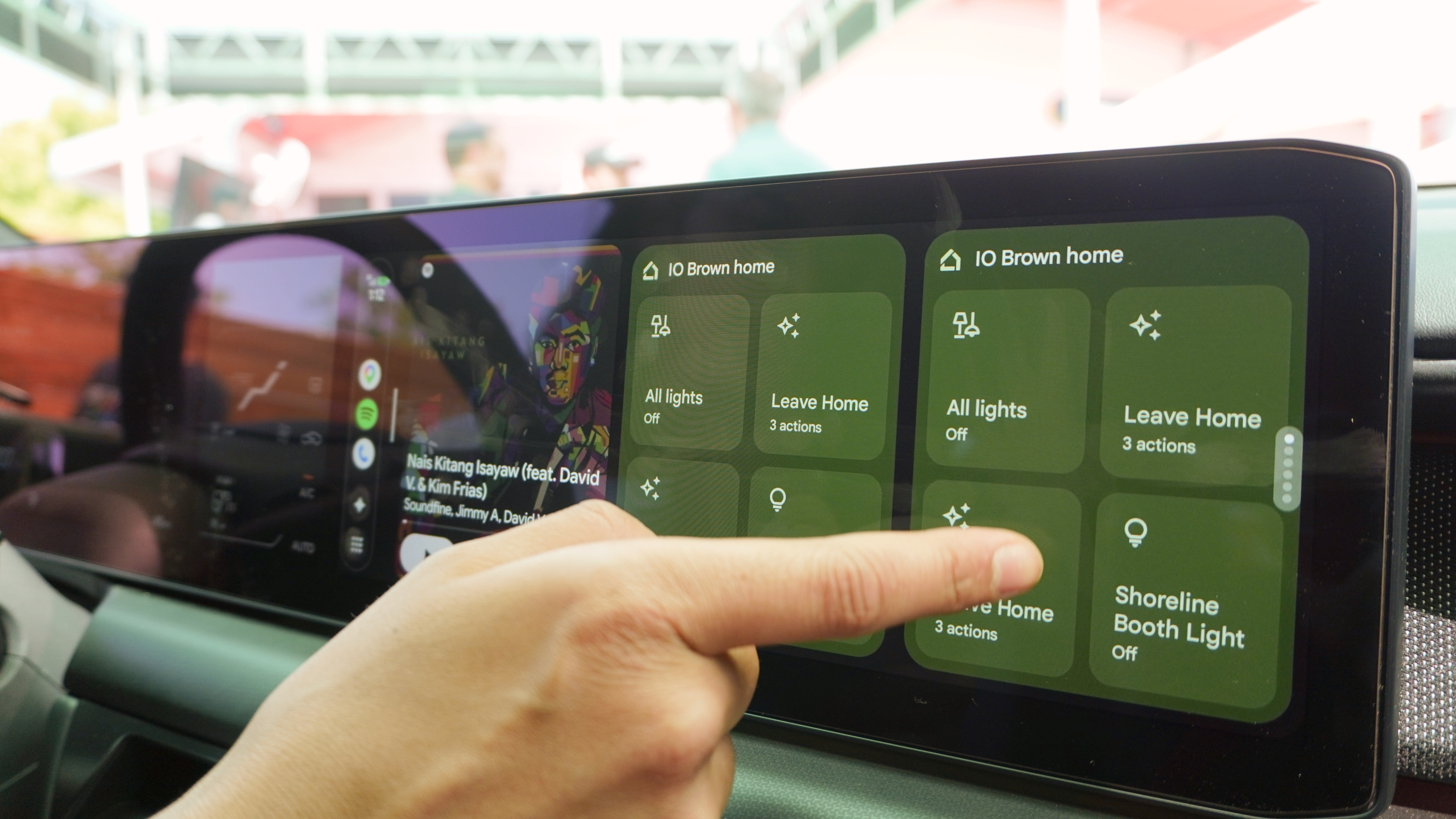
What does "agentic" mean in a car? It means the AI can take action on your behalf across multiple domains. For example, during testing, the system demonstrated the ability to interface with third-party services like DoorDash to coordinate a meal delivery for the moment the driver arrives home. It can also manage smart home devices, allowing you to adjust your thermostat or turn on porch lights as you pull into the driveway.
Furthermore, Gemini’s ability to tap into the car’s onboard sensors is a game-changer. It doesn’t just show you a map; it understands the car’s position in the physical world. If you ask for help navigating a complex intersection, Gemini can utilize the car’s external cameras to identify specific landmarks or advise on the optimal lane for an upcoming turn. During a demonstration in a simulated San Francisco drive, the system identified a specific skyscraper via the car’s front-facing cameras in seconds, showcasing a level of contextual awareness that was previously impossible.
Turning the Car into a Living Space: The Entertainment Shift
The average driver spends a significant portion of their life in a state of stasis—trapped in traffic or waiting for an EV to reach a full charge at a station. Recognizing this, Google has transformed the center console into a high-end entertainment hub.
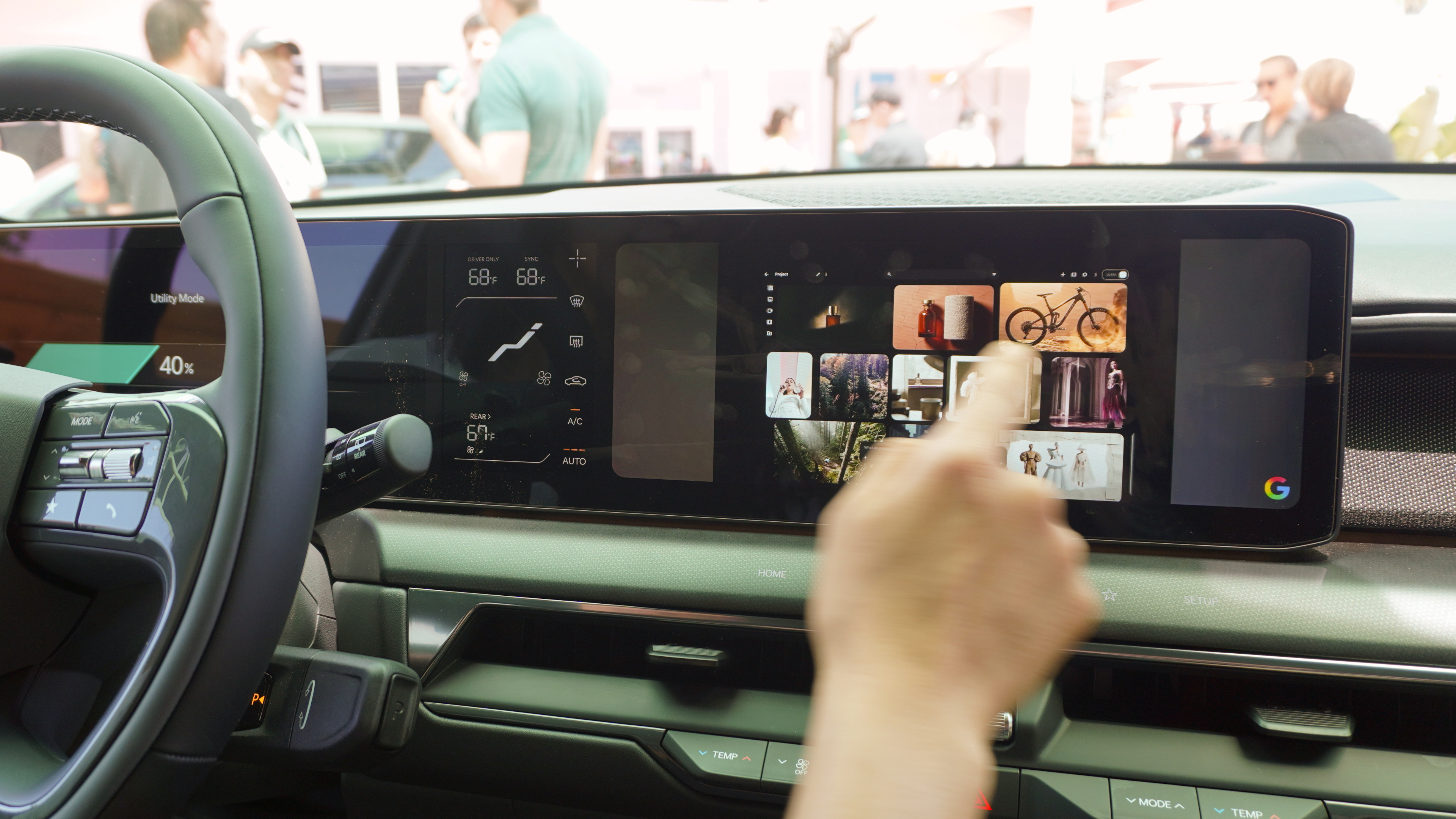
The introduction of support for full-HD video at 60 FPS, coupled with immersive Dolby Atmos surround sound, turns the vehicle into a private theater. Whether one is watching a YouTube video podcast or streaming a movie, the quality is theater-grade. Crucially, this system is governed by strict safety protocols: the full visual experience is only enabled when the car is in "Park." Once the vehicle enters "Drive," the video feed instantly suppresses, transitioning to an audio-only overlay to prevent driver distraction.
Implications for the Industry
The implications of this move are massive for both the automotive and tech industries. By moving toward a native operating system, Google is effectively competing with legacy car manufacturers’ proprietary software—software that has historically been criticized for being clunky, unintuitive, and difficult to update.
Why "Cars with Google built-in" Wins
The traditional phone-tethered model (Android Auto or CarPlay) has always acted as a "mask" over subpar manufacturer software. While this provided a better user experience, it was always limited by the bridge between the phone and the car. By contrast, "Cars with Google built-in" allows the software to become the heart of the vehicle. It has full access to the car’s CAN bus (the internal communications network), meaning it can control the sunroof, ambient lighting, and climate settings without the user needing to navigate through confusing, multi-layered dashboard menus.
The Challenge for Apple
Apple’s CarPlay has long been the gold standard for simplicity. However, the next generation of CarPlay is under pressure to match this level of hardware integration. As we look toward WWDC 2026, the industry is waiting to see how Apple will respond to the "agentic" capabilities Google has just showcased. If Apple cannot provide a similar level of vehicle-system integration and AI-driven agency, it risks falling behind in the race to define the "software-defined vehicle."
Supporting Data and User Benefits
The integration of these features addresses three primary pain points for the modern driver:
- Cognitive Overload: 3D navigation and voice-controlled vehicle settings allow the driver to focus on the road rather than the screen.
- Productivity and Utility: Agentic AI allows for real-world tasks—like ordering food or managing the home—to be handled without taking hands off the wheel.
- Downtime Optimization: With EV adoption rising, the ability to engage in high-quality entertainment during charging stops makes the "electrification" transition significantly more pleasant for the average consumer.
Conclusion: The Road Ahead
We are witnessing the end of the "dumb car" era. The integration of Gemini, coupled with a highly refined, expressive UI, signals that the car is becoming the most sophisticated device in our personal ecosystem. For users, this means a more personalized, efficient, and enjoyable commute.
For the automotive industry, the message is clear: the value of a car is no longer just in its horsepower or its chassis, but in the intelligence of the software that governs its cabin. As Google continues to iterate on this vision, the gap between traditional car software and a truly "smart" experience is widening. All eyes are now on the competition to see if they can catch up to this new standard of automotive intelligence. The dashboard of the future isn’t just a screen; it’s an assistant, a navigator, and an entertainer, all rolled into one.

 Muslim
 Suro Senen