

In this week’s comprehensive look at the world of arts, literature, and media, we traverse a landscape ranging from the deep, investigative mysteries of classic fantasy illustration to the cutting-edge debates surrounding artificial intelligence in filmmaking. As we analyze the latest award nominations, critical reviews of high-profile authors, and the intersection of history and modern technology, we find a community that is as intellectually curious as it is protective of its creative heritage.
I. Unlocking the Archives: The Mystery of "The Mad Poet"
The world of fantasy illustration is often defined by its visual legacy, but even the most iconic works can harbor secrets. Michael Jackson, the webmaster for MichaelWhelan.com, has issued a call to action for the fandom at large to help solve a long-standing bibliographic puzzle: the publishing origins of Michael Whelan’s evocative painting, The Mad Poet.
The Investigation
Commissioned in 1977, the piece was intended to accompany a Robert E. Howard poem. Whelan’s team suspects that the work was commissioned by Armand Eisen at The Morning Star Press, yet rigorous searches of existing records have failed to confirm exactly where the painting first appeared in print.
The Whelan team has provided an extensive background dossier in their latest newsletter, titled "Descent into Madness," detailing the known clues. For historians and fans, the mission is clear: uncover the original publication context of this fan-favorite image. Anyone with relevant photos, personal recollections, or archival leads is encouraged to reach out to the MichaelWhelan.com team.
II. The 2026 Novellapalooza: Award Season Trends
The literary landscape for 2026 is heating up as Chapter Adventure provides a definitive roundup of the 15 novellas currently dominating the ballots for the Locus, Nebula, and Hugo Awards.
A Diverse Literary Palette
This year’s nominations represent a departure from traditional genre silos. The list includes:

- Cozy Sci-Fi: Stories featuring robot-run restaurants.
- Gothic Retellings: Fairy tales that delve into dark, atmospheric folklore.
- Speculative Thrillers: Murder mysteries set in the cold vacuum of space.
- Climate Allegories: Narratives told from the unique perspective of geological features.
The Buzz: "Automatic Noodle"
Leading the charge is Annalee Newitz’s Automatic Noodle, which has secured nominations across all three major award ballots. Set in a near-future San Francisco, the story follows a group of deactivated service robots who find themselves in an abandoned ghost kitchen. Faced with the pressure of a post-war economy, these machines attempt to survive by crafting the city’s finest hand-pulled noodles. The novella serves as a commentary on community, autonomy, and the struggle to exist in a world built without considering the needs of the marginalized.
III. Historical Fiction and the Walter Scott Prize
The 2026 shortlist for the prestigious Walter Scott Prize for Historical Fiction was unveiled on April 16. As the industry continues to value the intersection of rigorous research and narrative craft, this year’s selection highlights the continued vitality of the historical novel. The prize, known for honoring works that demonstrate the same level of literary ambition as Sir Walter Scott himself, remains a barometer for quality in the field of historical storytelling.
IV. Critical Reflections: The "Greatest" Sci-Fi Masterpieces
Collider recently released a ranking of the "10 Greatest Sci-Fi Book Masterpieces," sparking spirited debate among enthusiasts. Among the list, Joe Haldeman’s 1974 classic, The Forever War, stands out as a critical focal point.
Analysis: War as a Bureaucratic Absurdity
Haldeman’s work, written by a Vietnam veteran, functions as both a quintessential sci-fi novel and a bitter memoir. Its brilliance lies in the utilization of time dilation—not merely as a narrative gimmick, but as a mechanism for profound character alienation. As the protagonist moves through deployments that span centuries, he becomes a relic of a society he no longer recognizes.
Critics argue that The Forever War succeeds by stripping away the veneer of genre heroism, replacing it with the moral exhaustion and bureaucratic absurdity inherent in modern warfare. It remains a masterclass in using speculative elements to explore the visceral trauma of the human condition.
V. The Tyson Controversy: Engaging with Science Fiction
Neil deGrasse Tyson’s latest book, Take Me to Your Leader, has faced a sharp critique from Alec Nevala-Lee in the New York Times. The core of the criticism lies in Tyson’s dismissive approach to the genre of science fiction.

The Critique
Tyson posits that media representations of aliens—usually bipedal humanoids—are the result of practical costume limitations. However, Nevala-Lee points out that Tyson ignores the vast, imaginative expanse of written science fiction, which is entirely unconstrained by practical set design. By failing to engage with works like Hal Clement’s Mission of Gravity—which features complex, non-humanoid life—Tyson exposes a lack of genuine interest in the genre. The reviewer suggests that Tyson’s failure to approach science fiction on its own terms diminishes the value of his own exploration into the scientific plausibility of extraterrestrial life.
VI. Academy Inclusion Standards: A Clarification
The intersection of film and policy has been a lightning rod for debate, particularly regarding the Academy of Motion Picture Arts and Sciences’ "Representation and Inclusion Standards."
Facts vs. Misinformation
Contrary to recent claims circulating on social media, the Academy’s standards do not act as a barrier to quality. Data confirms that every Best Picture winner in the Academy’s 98-year history—from Wings in 1929 to recent winners—would have cleared the current inclusion requirements.
The standards, which require a film to meet two out of four criteria (spanning on-screen representation, creative team composition, distribution apprenticeships, and in-house executive diversity), are designed to be flexible. They do not force creative changes but rather encourage broad-based hiring and development practices that have historically been present in successful cinema.
VII. Robotics in Reality: The "Robowar" Phenomenon
In a fascinating convergence of fiction and reality, the Detroit "Robowar" event has captured the public imagination. Founded by Art Cartwright of Global Empowerment Ministries, the event features human-piloted mechs battling behind bullet-proof glass.
Cultural Context
While the technology serves as a bridge to workforce development in the local robotics industry, the spectacle is deeply rooted in the cultural history of the genre. From Richard Matheson’s 1956 story Steel to the 2011 film Real Steel, the idea of fighting machines has long been a staple of science fiction. The Detroit events serve as a living, breathing realization of these long-held tropes, grounding speculative fantasy in the industrial heart of America.

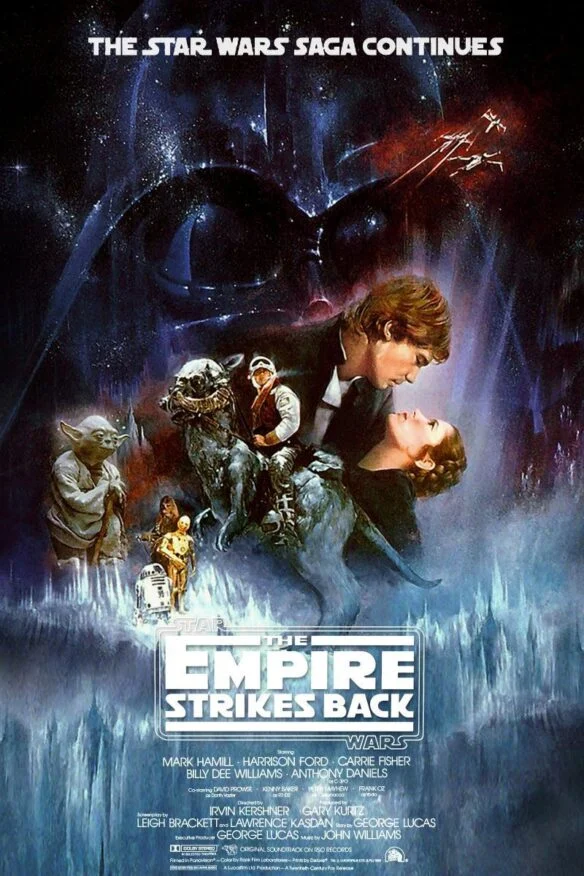
VIII. Retrospective: The Legacy of The Empire Strikes Back
As we look back at cinema history, Paul Weimer’s recent reflection on The Empire Strikes Back (1980) provides a poignant reminder of why the film remains a touchstone of the genre.
Why Empire Reigns
Weimer notes that while the original Star Wars carries the weight of novelty, Empire is the superior script. It is leaner, more controlled, and willing to push its protagonists into a "low point" rarely seen in franchise filmmaking. The introduction of Yoda, the revelation regarding Luke’s parentage, and the shift in character dynamics between Han and Leia redefined the narrative structure of the "Hero’s Journey." By successfully navigating the "difficult middle" of a trilogy, Empire remains the gold standard for sequels.
IX. Odds and Ends: Treasure and Oddities
- Historical Discovery: In a moment of historical irony, a metal detectorist in Nottinghamshire discovered a gold signet ring belonging to the 17th-century Sheriff of Nottingham, valued at $11,000.
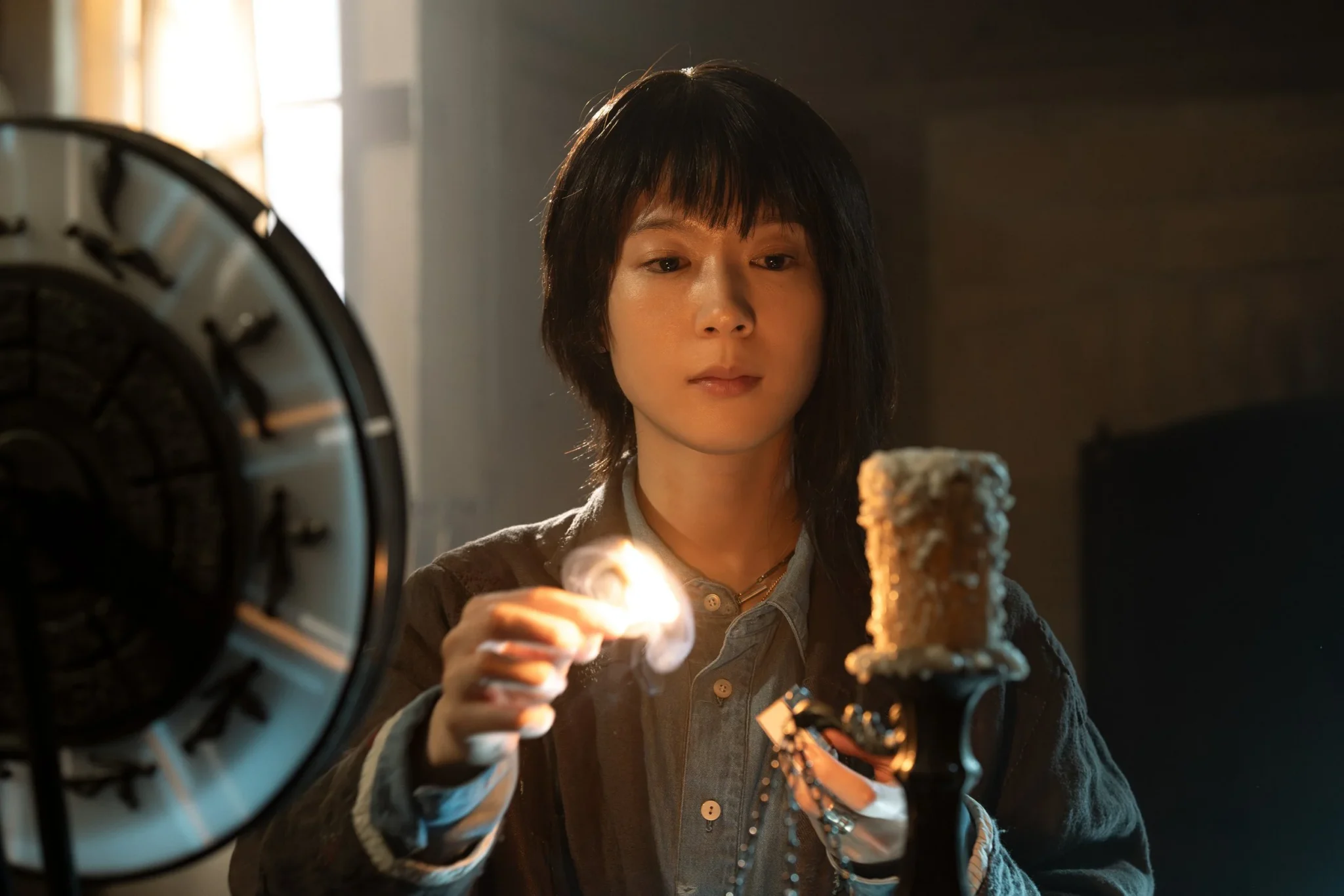
- International Cinema: The South Korean monster film Hope, directed by Na Hong-jin, has garnered attention for its juxtaposition of "bad" CGI with "brilliant" action choreography, proving that genre-bending remains as vital as ever in the global market.
- Consumer Trends: For those looking to add a touch of genre flair to their daily lives, the "Hero Mode Wallet" has emerged as a novel product, utilizing vegan leather to turn standard identification photos into comic-book-style masks.
Thanks to our contributors: Steven French, Mike Kennedy, Andrew Porter, Cora Buhlert, Mike Jackson, John King Tarpinian, Cat Eldridge, Jonathan Cowie, Chris Barkley, Mark Roth-Whitworth, and Kathy Sullivan for their assistance in compiling this week’s news.









No comments yet. Be the first to join the conversation!