

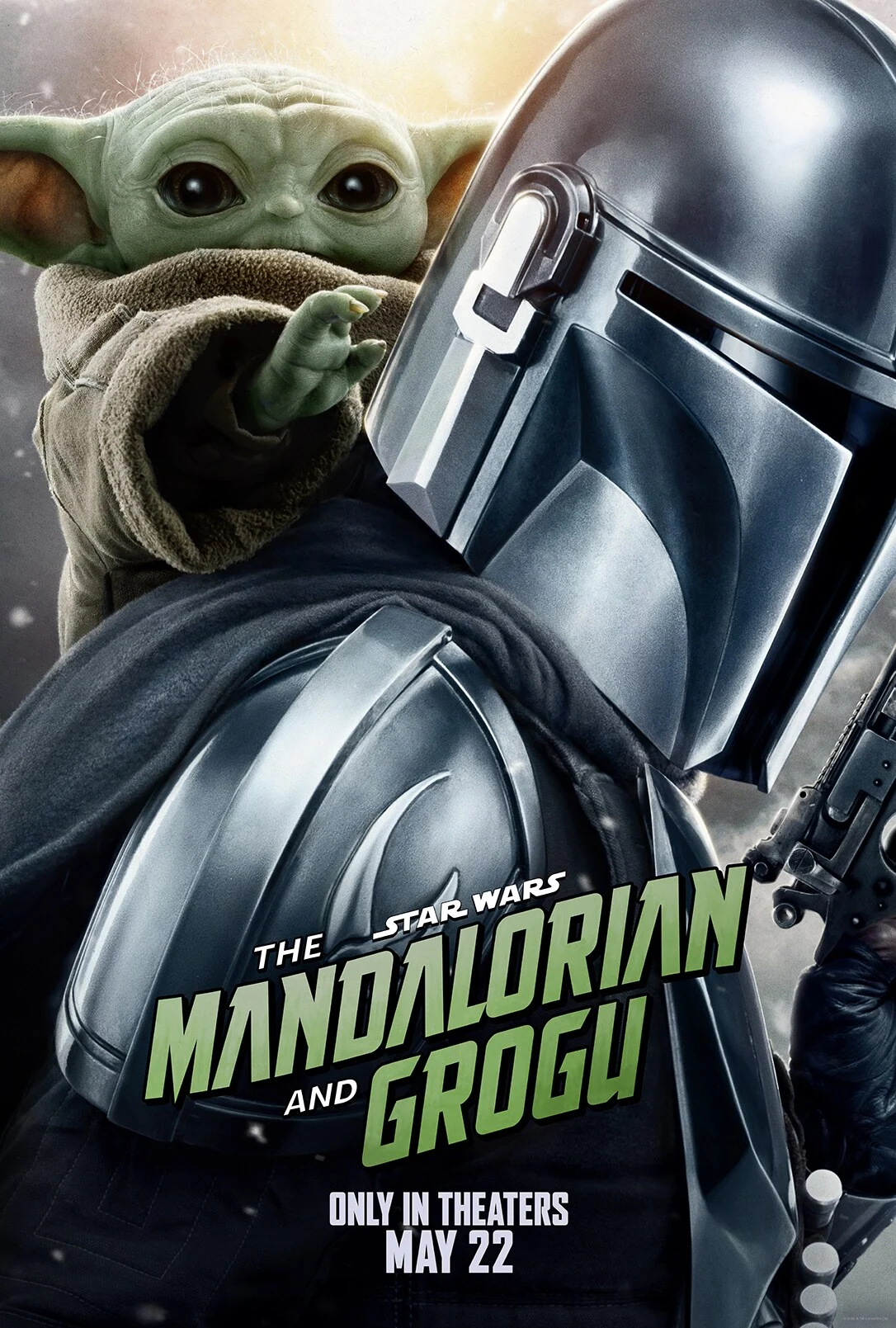
As the galaxy turns its collective gaze toward May 22, 2026, the anticipation for Lucasfilm’s The Mandalorian and Grogu has reached a fever pitch. The film promises to be the next major milestone in a saga that spans millennia, defined by the iconic T-visor helmets, the impenetrable sheen of beskar steel, and the relentless, jetpack-fueled spirit of the Mandalorians. Yet, behind the spectacle of the armor lies a history as jagged and complex as the planet Mandalore itself—a story of civil wars, political rebirths, and an unyielding commitment to a Creed that has survived the rise and fall of galactic empires.
The Foundation of a Warrior Culture
The identity of the Mandalorian people is inextricable from their homeworld in the Outer Rim. Once a lush, vibrant world, Mandalore was stripped of its natural beauty by centuries of internecine conflict. This environmental catastrophe forced the civilization to retreat into massive, climate-controlled domed cities, the most prominent being the capital of Sundari.
The early history of the Mandalorians is characterized by a reverence for strength and the natural world, most notably exemplified by the Mythosaur. These gargantuan, dragon-like beasts once dominated the landscape until they were tamed by the legendary Mandalore the Great. The creature’s skull became the enduring sigil of the Mandalorian people, a symbol of defiance and power that continues to adorn the armor of warriors like Boba Fett.
The Darksaber: A Symbol of Unity and Division
Central to the Mandalorian narrative is the Darksaber. Forged by Tarre Vizsla, the first Mandalorian to be inducted into the Jedi Order, the blade represents a unique intersection of two typically warring traditions. With its beskar hilt and angular, obsidian-colored blade, the weapon became more than a tool of war; it became a symbol of leadership. Whoever wields the Darksaber in combat is theoretically entitled to rule the fractured clans, a principle that has both unified the people and served as a catalyst for generations of bloodshed.
Chronology of a Fractured People
To understand the current state of the galaxy, one must look at the historical trajectory of Mandalore, a path marked by radical shifts in governance and ideology.
The Era of the New Mandalorians
Following centuries of warfare, a movement emerged during the Age of the Republic known as the "New Mandalorians." Led by House Kryze, this faction sought to abandon the warrior path in favor of pacifism and diplomacy. Duchess Satine Kryze became the face of this movement, attempting to lead Mandalore as a neutral power during the height of the Clone Wars. However, this shift was met with violent resistance from traditionalist splinter groups like Death Watch, who viewed the abandonment of their martial heritage as a betrayal of their identity.
The Shadow of the Clone Wars and the Rise of Maul
The Clone Wars brought the internal struggle for Mandalore to a boiling point. The Death Watch, seeking to restore the "warrior way," briefly aligned themselves with outside forces, only to be subverted by the former Sith apprentice, Maul. In a brutal coup, Maul executed Pre Vizsla, seized the Darksaber, and usurped the throne. This act of violence effectively ended Satine’s reign and plunged the planet into a devastating conflict known as the Siege of Mandalore, led by Bo-Katan Kryze and former Jedi Ahsoka Tano.
The Imperial Purge: The Night of a Thousand Tears
The transition from the Republic to the Galactic Empire signaled the darkest chapter in Mandalorian history. Recognizing that the Mandalorians would never truly submit, the Empire, under the direction of Moff Gideon, initiated a scorched-earth campaign. On the "Night of a Thousand Tears," Imperial forces utilized fusion weapons to bombard the planet, turning the surface into a crystallized wasteland. This purge effectively shattered the Mandalorian clans, forcing survivors to scatter into the deepest reaches of the galaxy, living in the shadows of the very Empire that sought to erase them.
The Creed: "This is the Way"
In the aftermath of the Purge, the Children of the Watch—a group once considered extremist zealots—emerged as the primary keepers of the ancient traditions. Their adherence to the "Way" requires members to never remove their helmets in the presence of others, a practice that fosters a profound sense of communal identity in an age of exile.
The Path of Din Djarin
The emergence of the foundling Din Djarin, and his connection to the mysterious, Force-sensitive child Grogu, bridged the gap between the isolated clans and the broader galactic struggle. Through his encounters with the Imperial Remnant, Din Djarin inadvertently claimed the Darksaber, setting off a chain of events that would see the reclamation of Mandalore.
The Reclamation
The recent reconciliation between Din Djarin and Bo-Katan Kryze represents a turning point. Upon bathing in the Living Waters beneath the ruins of the mines of Mandalore, Bo-Katan witnessed the impossible: a living Mythosaur. This event served as a spiritual validation for the reunification of the clans. With the Great Forge relit and the people beginning to return to their ancestral home, the culture is entering a period of reconstruction that will be the focal point of the upcoming 2026 film.
Supporting Data: The Cost of Beskar
The Mandalorian culture is defined by its material and technological resilience. The beskar alloy—a rare, lightsaber-resistant metal—is the cornerstone of their defensive capabilities. Data from the Imperial era suggests that the Empire’s desperation to control this resource drove much of their aggression.
| Era | Primary Leader | Status of Mandalore | Status of Darksaber |
|---|---|---|---|
| Old Republic | Tarre Vizsla | Prospering | Held by Vizsla |
| Clone Wars | Duchess Satine | Pacifist/Neutral | Held by Pre Vizsla/Maul |
| Imperial Era | Moff Gideon | Occupied/Purged | Held by Gideon |
| New Republic | Bo-Katan Kryze | Reclaiming | Held by Bo-Katan |
Official Perspectives and Implications
Lucasfilm has maintained a strategic silence regarding the specific plot details of The Mandalorian and Grogu, though the implications of the title are clear: the bond between the hunter and the child has become the heart of the franchise.
"The story of Mandalore is a story of cycles," noted one industry analyst. "The film represents a shift from the ‘lost’ era of the post-Purge years to a ‘reconstruction’ era. We are looking at a society that has lost its surface, its leadership, and its unity, now attempting to rebuild under the shadow of a new, post-Imperial reality."
The implications for the Star Wars galaxy are significant. As Mandalore potentially re-emerges as a sovereign power, the political landscape of the New Republic—already fragile—will be forced to reckon with a restored, militant, yet increasingly unified warrior culture. The film is not merely an action-adventure; it is a political drama about the cost of peace and the weight of tradition.
Conclusion: A Future Forged in Steel
As we approach the release of The Mandalorian and Grogu in May 2026, the legacy of the Mandalorians remains more relevant than ever. From the ancient halls of Tarre Vizsla to the scarred, glass-covered surface of their homeworld, the story of the Mandalorians is a testament to the idea that a culture is not defined by its geography, but by its resolve.
Whether one follows the strict dogma of the Children of the Watch or the more pragmatic leadership of Bo-Katan, the Mandalorian people have proven that their armor is not just made of beskar—it is made of survival. Fans are encouraged to secure their tickets via Fandango as the countdown begins for what promises to be the most definitive chapter in Mandalorian history to date. This is the Way.










No comments yet. Be the first to join the conversation!