Sagoh
Sagoh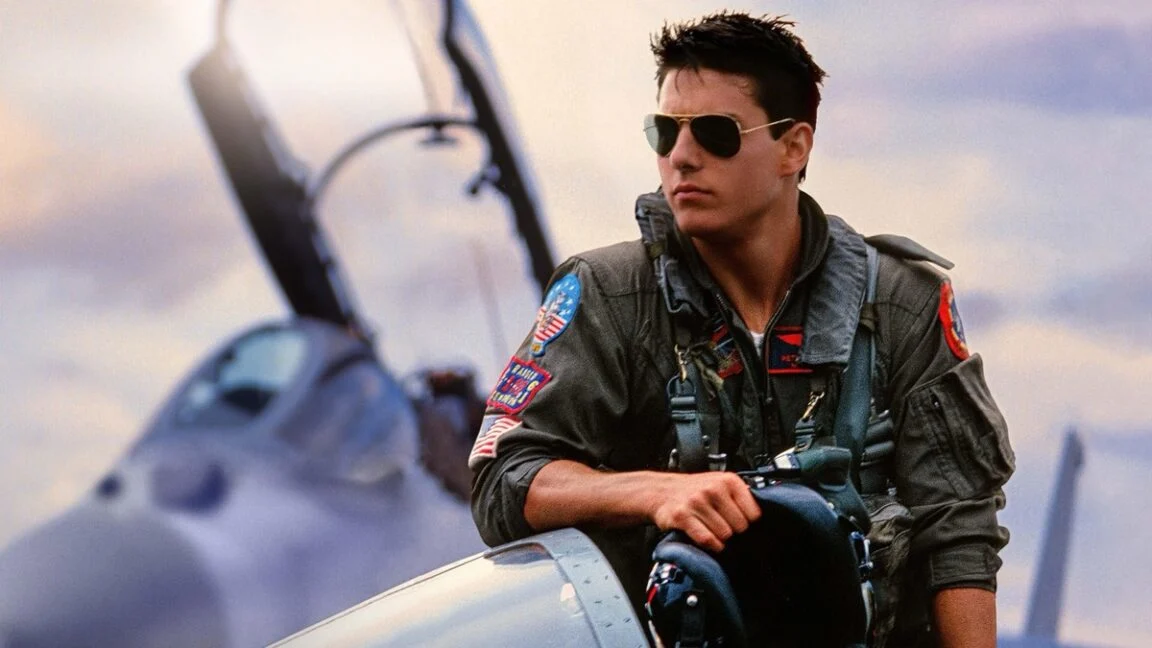
Forty years after its release, Tony Scott’s Top Gun remains a cultural monolith. When it premiered in 1986, critics were largely dismissive, characterizing the film as a two-hour music video fueled by Reagan-era machismo, synth-pop, and high-octane aerial cinematography. Yet, audiences flocked to theaters, propelling the film to a $358 million global gross—the highest of that year.
Four decades later, Top Gun is recognized as more than just a blockbuster; it is a masterclass in visual storytelling and a singular phenomenon in military recruitment. From its humble origins in a magazine feature to the critical and commercial triumph of the 2022 sequel, Top Gun: Maverick, the franchise has etched itself into the American psyche. But beneath the aviator sunglasses and the "danger zone" bravado, what has made this specific vision of the US Navy so enduringly powerful?
The Genesis: From "Fightertown" to the Big Screen
The journey of Top Gun began not in a writer’s room, but in the pages of the May 1983 issue of California magazine. An article titled "Top Guns" by Ehud Yonay detailed the intense, adrenaline-fueled lives of fighter pilots stationed at the Naval Air Station Miramar in San Diego, colloquially known as "Fightertown USA." The piece was accompanied by striking aerial photography that captured the grace and lethality of the F-14 Tomcat.
Producers Jerry Bruckheimer and Don Simpson, known for their keen eye for high-concept commercial projects, recognized the cinematic potential of the article. They hired screenwriters Jim Cash and Jack Epps Jr. to translate the reportage into a screenplay. The duo went to great lengths to ensure a modicum of authenticity, with Epps attending declassified classes at the academy and even securing a ride-along in an F-14 to experience the G-forces firsthand.
The final piece of the puzzle was finding a director who could capture the visceral energy of flight. Tony Scott, a relative newcomer at the time whose only major feature was the 1983 vampire film The Hunger, was selected. Scott’s background in high-end commercials—specifically a striking spot for Saab featuring a car racing against a Swedish Saab 37 Viggen fighter jet—convinced the producers he was the right man to translate the speed and majesty of aviation to the silver screen.
Chronology of an Icon
The film’s narrative is deceptively simple: Pete "Maverick" Mitchell (Tom Cruise), a gifted but reckless pilot, is sent to the Navy’s elite Fighter Weapons School. Along with his radar intercept officer, Goose (Anthony Andrews), Maverick navigates professional rivalries, personal tragedy, and a high-stakes romance.
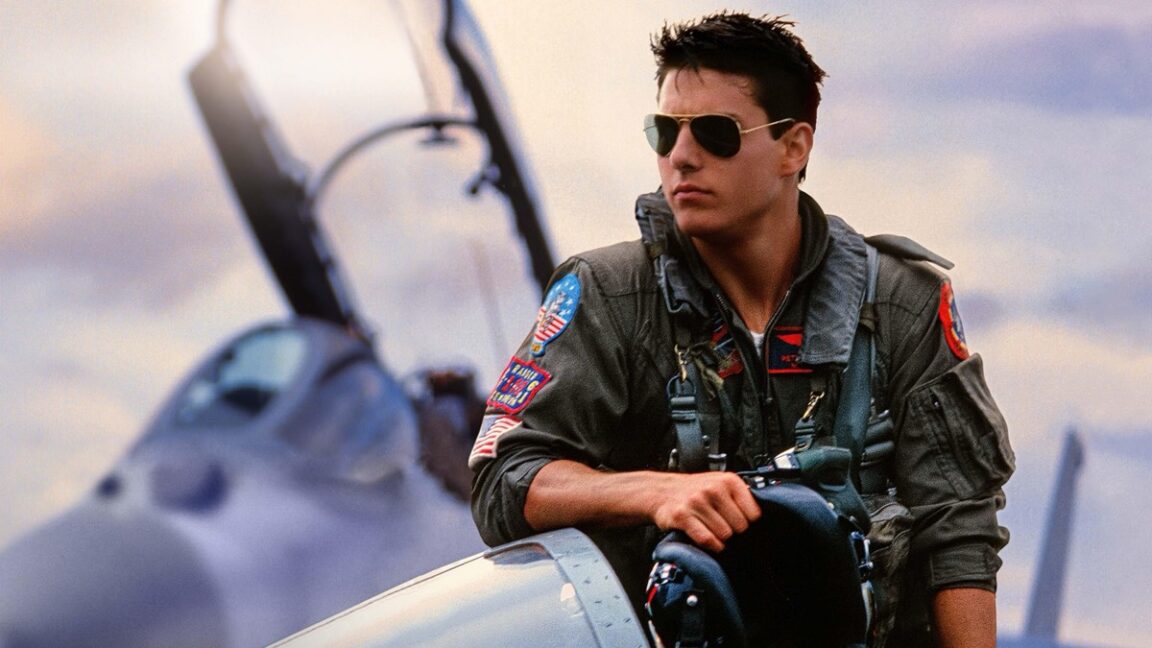
The opening sequence sets the tone: Maverick and Goose engage hostile MiG-28s (portrayed by Northrop F-5s) over the Indian Ocean. When his wingman, Cougar, loses his nerve, Maverick defies orders to shepherd him to safety, establishing the core tension of the film—Maverick’s brilliant flying versus his insubordinate ego.
The subsequent training at "Top Gun" introduces his foil, the cold, calculating Tom "Iceman" Kazansky (Val Kilmer). The rivalry between the two is the film’s emotional anchor, eventually culminating in a tragic accident: during a training exercise, Maverick and Goose experience a catastrophic engine flame-out. While both eject, Goose strikes the canopy and dies. This mid-film pivot transforms the story from a cocky sports-movie-in-the-sky into a meditation on grief and redemption. Maverick’s eventual return to the cockpit to save the day in a final aerial skirmish serves as the classic hero’s journey, cementing his transition from a liability to a legend.
The Technicality of the "Danger Zone"
The secret to Top Gun’s longevity is undoubtedly its production value. Tony Scott’s decision to shoot the aerial sequences from a Learjet, combined with cameras mounted directly onto the F-14s, provided a sense of intimacy and speed that CGI-heavy modern films often struggle to replicate. Because standard anamorphic lenses were too bulky for the F-14 cockpits, Scott shot the entire film using Super-8 cameras, giving the movie its distinctive, grainy, golden-hour aesthetic.
The US Navy’s cooperation was unprecedented. The production was granted access to aircraft, carriers, and crews, with much of the flight deck footage capturing actual, un-staged operations. This commitment to reality had a cost. Aerobatic pilot Art Scholl, who was responsible for filming some of the most complex aerial maneuvers, was killed during a production spin-test when his plane crashed into the Pacific Ocean. The film is dedicated to his memory, a silent testament to the dangers the crew faced to bring the vision to life.
Official Responses and Recruitment Implications
The relationship between the US Navy and the Top Gun franchise is widely cited as the most successful military-entertainment partnership in history. While the film is rife with technical errors and violations of military protocol—a fact often pointed out by real-life pilots—the aesthetic power of the film is undeniable.
During the film’s initial run in 1986, the Navy set up recruiting booths in major cinemas, leading to a reported 500% increase in enlistment interest among young men who wanted to become naval aviators. This influence was not entirely positive; the Department of Defense Inspector General famously cited the film’s "party-hard" culture as a contributing factor to the 1991 Tailhook scandal, where systemic misconduct and harassment were uncovered within the Navy’s aviation community.

Despite the controversy, the Navy’s recruitment strategy has consistently leaned into the brand. When Top Gun: Maverick was released in 2022, the service again leveraged the excitement, noting that the film’s portrayal of professional excellence and camaraderie continued to resonate with prospective recruits.
A Critical Look: The "Dated" Reality
Viewed through a modern lens, Top Gun is a complicated artifact. The performance of Tom Cruise, while iconic, is arguably shallow compared to his later, more nuanced work in films like Magnolia or Edge of Tomorrow. The dialogue is often uninspired, and the romantic subplot involving Charlie (Kelly McGillis) remains a point of contention.
Charlie, initially written as an aerobics instructor, was transformed into an astrophysicist and civilian contractor at the Navy’s behest to avoid the optics of fraternization. Yet, the film’s depiction of their romance remains problematic. The infamous bar scene, in which officers sing "You’ve Lost That Lovin’ Feeling" and Maverick pursues Charlie into a private restroom, is uncomfortable to watch in the 2020s. It reflects a mid-80s "boys will be boys" mentality that has not aged well, contrasting sharply with the more balanced, professional portrayal of female pilots in the 2022 sequel.
Implications for Future Cinema
What, then, is the legacy of Top Gun? It remains the ultimate recruitment tool, not just for the Navy, but for the concept of the American blockbuster. It proved that style could sustain a film when the substance was thin. It established the "high-concept" action movie as the standard for summer cinema.
As we look back from 2026, the film serves as a time capsule. It captures a moment when the Cold War was the definitive backdrop for American heroism and when the roar of a jet engine could represent the height of cinematic achievement. While the technology of the cockpit has changed, and the social norms surrounding the military have evolved, the "need for speed" remains a potent, if simplified, metaphor for the drive to be the best.
For those seeking true insight into the life of a modern aviator, documentaries like the National Geographic series Top Guns: The Next Generation offer a more accurate, albeit less "Hollywood," perspective. But for pure, unadulterated spectacle, Top Gun remains in a league of its own. It is a reminder that while movies may change, the human desire for a hero who can push the limits of the sky is as persistent as the sound of a sonic boom.


 Azzam Bilal Chamdy
 Suro Senen