

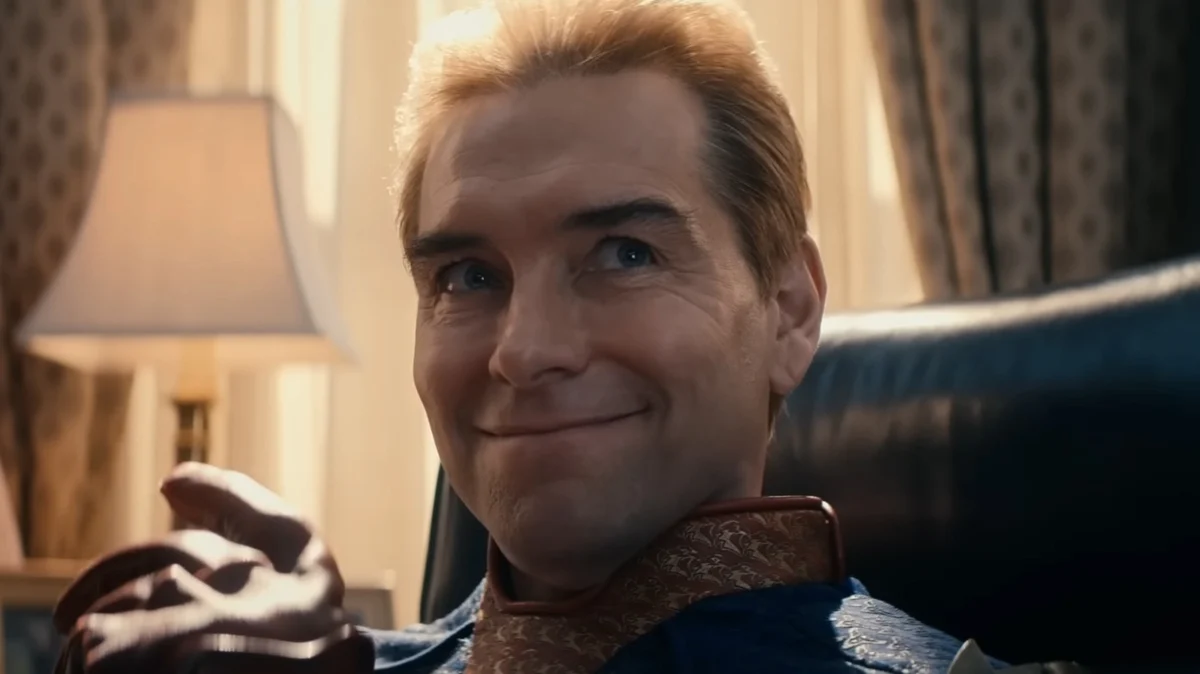
As the dust settles on the final chapter of Amazon Prime Video’s flagship satirical superhero series, The Boys, one narrative has become undeniably clear: the show is exiting the cultural zeitgeist at the absolute height of its popularity. Despite a season defined by polarizing fan discourse, intense online scrutiny, and the looming finality of its conclusion, the raw data paints a picture of a massive, engaged, and expanding global audience.
While some prestige dramas fade into obscurity or suffer from "fatigue" as they reach their final episodes, The Boys has defied the typical lifecycle of streaming television, cementing itself as one of the most significant pillars of the modern streaming era.
The Raw Data: A Statistical Powerhouse
According to metrics reported by The Hollywood Reporter, Season 5 of The Boys has achieved an average of 57 million viewers per episode globally. This figure is not merely a benchmark for the series; it represents a record-breaking apex for the show, which has been a staple of Amazon’s original programming since its debut.
To contextualize this, these numbers were harvested over a mere five-week period. Furthermore, the show has officially cracked the top 10 most-watched seasons for any Prime Video original series in history. Perhaps most impressively, the series has driven the largest three-week ratings surge ever recorded for a single show or movie on the Amazon platform.
Amazon defines these metrics by counting any account that watches at least a few minutes of an episode. While some critics argue that such a metric is "loose," the consistency of the surge suggests a high level of viewer retention. In an era where streaming churn is a primary concern for platforms like Disney+—which recently saw a significant viewership decline with Daredevil: Born Again Season 2—The Boys stands as a rare success story of a long-running franchise that continues to bring in new subscribers and keep existing ones glued to the screen.
A Chronology of Conflict and Consumption
The journey of The Boys from its inception to its final curtain call has been anything but linear. Based on the visceral, biting comic book series by Garth Ennis and Darick Robertson, the show began as a subversive commentary on the oversaturation of the superhero genre. Interestingly, the source material was originally conceived as a satirical take on the Justice League, though legal and creative shifts eventually led to the creation of The Seven.
The Evolution of the Narrative:
- The Early Years (Seasons 1–2): The show established its identity as a gritty, "anti-hero" procedural, slowly building a cult following that appreciated its dark humor and violent deconstruction of corporate-owned heroes.
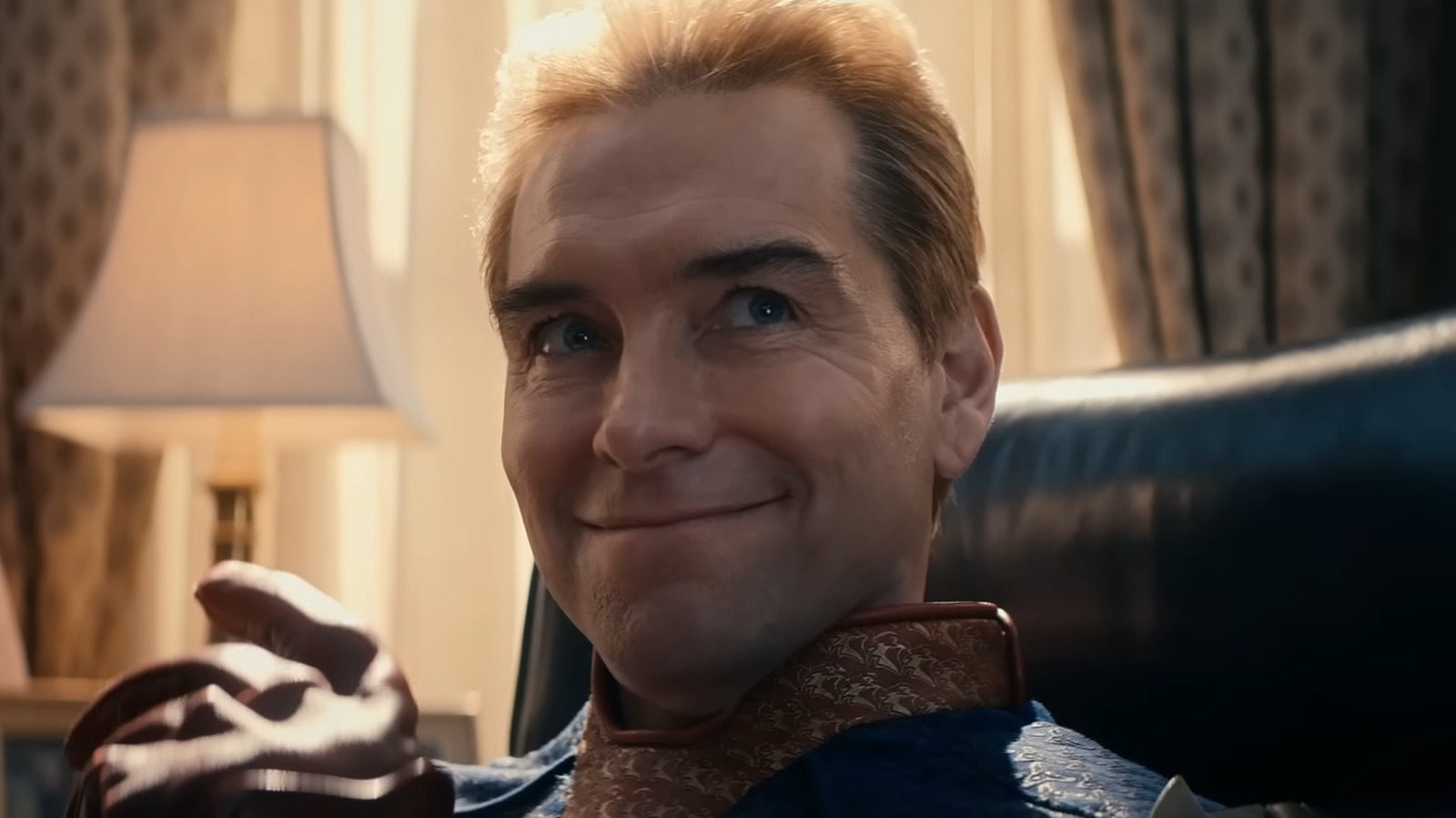
- The Expansion (Seasons 3–4): As the series gained mainstream traction, the stakes were raised. The character of Homelander (played with terrifying intensity by Antony Starr) transitioned from a secondary antagonist to a full-blown fascist allegory, causing the show to become a lightning rod for political and social commentary.
- The Final Stretch (Season 5): As we head toward the series finale, the tone has become increasingly cynical and high-stakes. While some fans have criticized individual episodes—notably Episode 4, which some segments of the fanbase dismissed as "filler"—the viewership data suggests that the controversy has acted as a catalyst for engagement rather than a deterrent.
The "Online vs. Reality" Gap: Erik Kripke’s Perspective
One of the most compelling aspects of the Season 5 rollout has been the dissonance between "Twitter discourse" and actual viewership data. The internet has been rife with debates regarding the pacing of the final season, with some long-term fans expressing fatigue over the repetitive nature of the conflict between Billy Butcher (Karl Urban) and Homelander.
However, showrunner Erik Kripke has addressed this disconnect with remarkable candor. In a recent interview, Kripke admitted that he once found the "pit in his stomach" caused by social media criticism to be all-consuming. His perspective shifted dramatically once he viewed the hard data.
"I’ve gone through a journey when I first started to read everything—like on social media or online—and it starts to feel like that’s the whole universe," Kripke told The Hollywood Reporter. "But it’s actually not reflecting what’s happening out in the world. And once I saw [the numbers], I calmed right down."
This serves as a masterclass in modern showrunning: understanding that the "very loud, opinionated" online minority does not represent the silent, massive majority of the global audience. By ignoring the echo chamber, Kripke and his team have maintained a creative vision that, while divisive, has clearly resonated with the public.
Implications for the Future of the Franchise
The success of The Boys has significant implications for both the future of the franchise and Amazon’s broader strategy for Prime Video.
The End of an Era, The Birth of a Universe
The conclusion of the flagship series does not signal the death of the brand. Amazon is actively looking to expand the "Boys" universe, even as the main story wraps up. The upcoming prequel/spin-off series, Vought Rising, is already in development, featuring fan-favorite characters Stormfront (Aya Cash) and Soldier Boy (Jensen Ackles).
However, the path forward is not without its hurdles. The cancellation of Gen V—despite its critical acclaim—has left many fans confused. Kripke’s decision to conclude the Gen V narrative arc in a specific, limited fashion rather than pursuing a third season highlights the pressure on streamers to curate content that provides a clear, high-impact return on investment.
The "Game of Thrones" Factor
The looming question remains: Will the series finale stick the landing? The history of television is littered with shows that, despite massive viewership, failed to satisfy their audience at the finish line. Comparisons to Game of Thrones are inevitable. If the finale of The Boys leaves fans feeling betrayed or unsatisfied, the legacy of these massive viewership numbers could be tarnished by a sour ending.
Conversely, if Kripke delivers a conclusion that balances the cynical, nihilistic tone of the series with a satisfying resolution for the characters of Butcher and Homelander, The Boys will be remembered as the definitive superhero show of its generation.
Conclusion: Why We Can’t Look Away
Why does The Boys continue to command such massive numbers? The answer likely lies in its reflection of the modern world. In a time of intense political polarization, corporate greed, and the blurring of lines between celebrity and power, The Boys offers a cathartic, albeit brutal, mirror to our reality.
Whether viewers are tuning in to see the ultimate downfall of Homelander or simply to witness the next creative explosion of violence, they are tuning in. As the final episodes approach, the data confirms one undeniable truth: The Boys didn’t just survive its final season; it dominated it. For Amazon, the challenge now lies in capturing that same lightning in a bottle for the next phase of the Vought-centric universe. Until then, the world continues to watch, proving that even as the show nears its end, its influence is only just reaching its peak.











No comments yet. Be the first to join the conversation!