

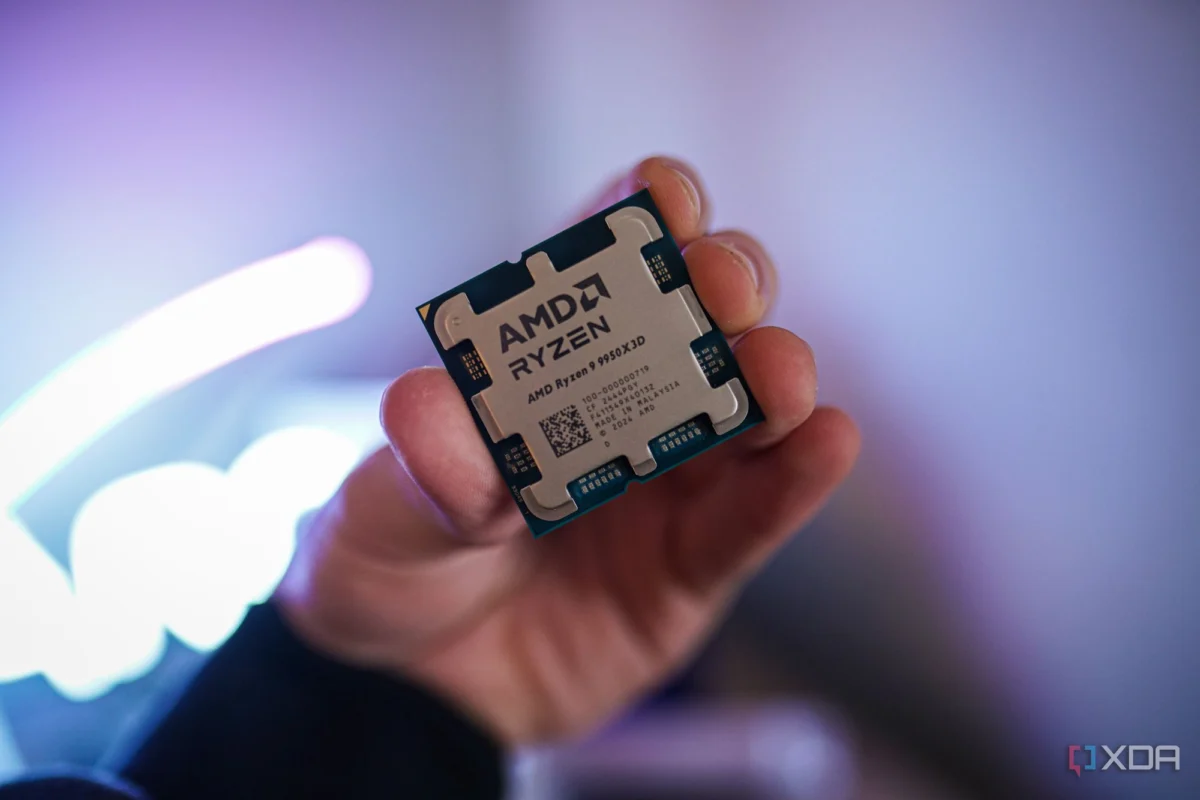
In the high-stakes world of PC building, the pursuit of "maximum performance" often leads enthusiasts down a rabbit hole of diminishing returns. After you have painstakingly selected your CPU and GPU, the final frontier is almost always the memory kit. It is tempting to look at a standard DDR5-6000 kit and feel that a faster DDR5-7200 or even DDR5-8000 module is the only way to avoid leaving performance on the table. When you have invested heavily in a premium processor like the AMD Ryzen 7 9800X3D or the 9950X3D, settling for anything less than the highest frequency on the spec sheet feels, to many, like a compromise.
However, after years of benchmarking and real-world testing with AMD’s X3D architecture—spanning from the legendary 5800X3D to the latest 9800X3D—the reality is far more nuanced. These chips do not demand the same aggressive memory tuning as their standard Ryzen counterparts. While enabling XMP or EXPO profiles remains essential, the obsession with bleeding-edge RAM speed often results in spending significant capital for performance gains that are statistically invisible in real-world gaming scenarios.
Main Facts: The Cache Revolution
The technical foundation for this phenomenon is AMD’s 3D V-Cache technology. Traditional CPUs rely heavily on the system memory (RAM) to fetch instructions and data that are not currently stored in the internal CPU caches (L1, L2, and L3). Because RAM is significantly slower than the processor, this "round trip" to the memory creates a bottleneck.
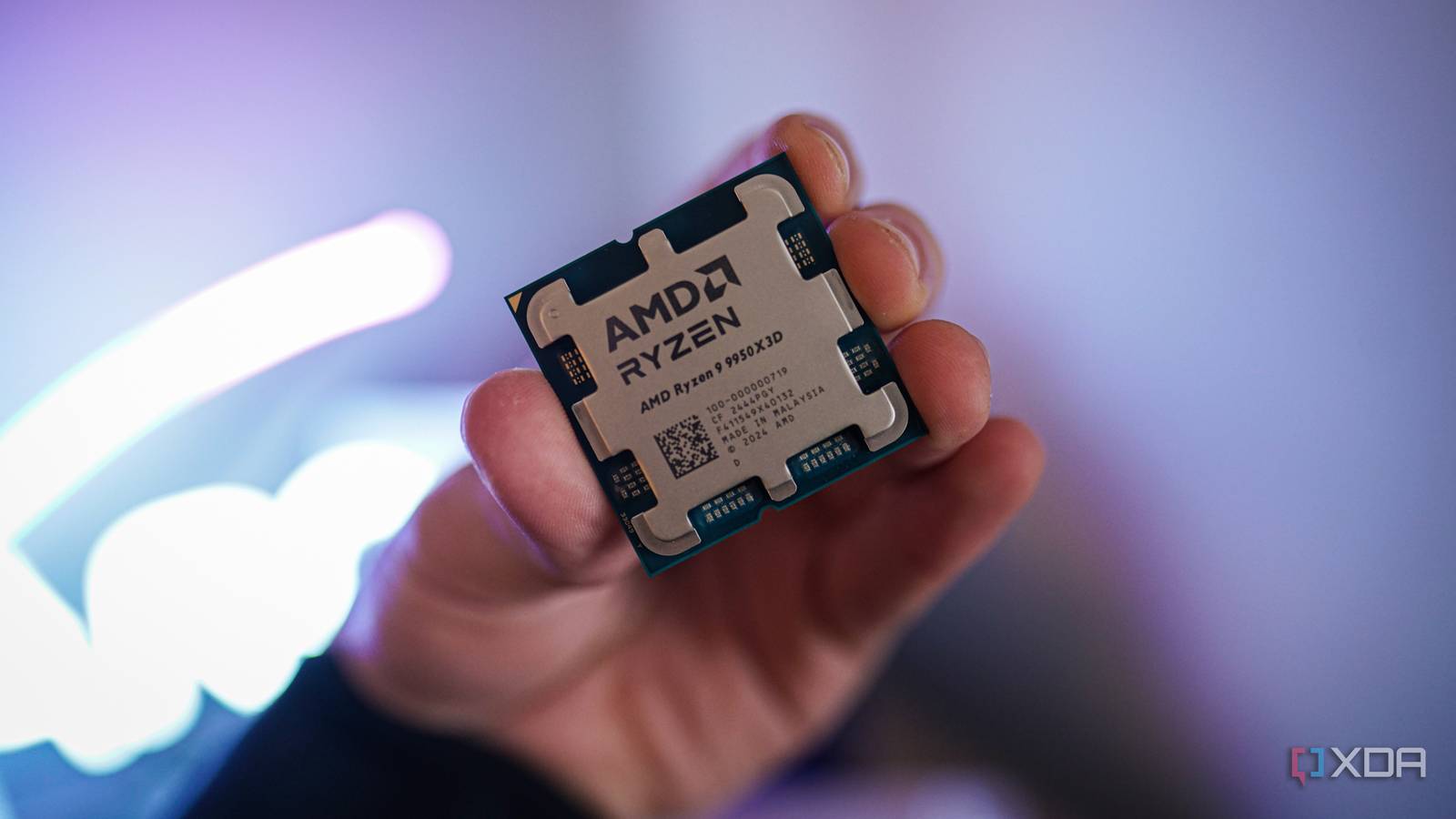
X3D processors utilize a stacked L3 cache, providing a massive reservoir of high-speed memory directly on the processor die. This cache acts as a buffer; because the CPU can find the data it needs within its own cache more frequently, it doesn’t have to reach out to the slower system RAM nearly as often. Consequently, the CPU becomes significantly less sensitive to the latency and frequency of your RAM kit. Once you reach the "sweet spot"—the architectural balance point recommended by AMD—additional speed offers negligible benefits.
A Chronological Look at Memory Scaling
The evolution of memory sensitivity in Ryzen processors is a story of architectural refinement.
- The Pre-X3D Era (2017–2021): Early Ryzen iterations (Zen 1 through Zen 3) were notoriously sensitive to memory speeds. Because of the "Infinity Fabric" architecture, tying the memory clock to the internal bus speed was critical. Enthusiasts saw tangible gains in frame rates by jumping from 2666MHz to 3600MHz, as the processor’s internal communications were directly throttled by the RAM’s performance.
- The 5800X3D Breakthrough (2022): When the 5800X3D launched, it fundamentally changed the game. Many users, myself included, found that even when forced to run memory at lower-than-rated speeds (e.g., 3200MT/s instead of 3600MT/s) due to motherboard instability or compatibility issues, the gaming performance remained virtually identical to faster configurations. The cache was doing the heavy lifting.
- The DDR5 Transition (2023–Present): With the shift to AM5 and DDR5, the conversation shifted to DDR5-6000. While the industry pushed for higher frequencies, the Zen 4 and Zen 5 architectures maintained the "sweet spot" at 6000MT/s. Despite the marketing push for 7200MHz+ kits, real-world benchmarks show that the 3D V-Cache effectively masks the latency differences that would otherwise cripple a standard processor.
Supporting Data: Why You Are Likely GPU-Bound
A critical factor that many system builders overlook is the "bottleneck location." In the vast majority of gaming scenarios—especially at 1440p or 4K resolutions—the limiting factor is not the CPU, but the GPU.

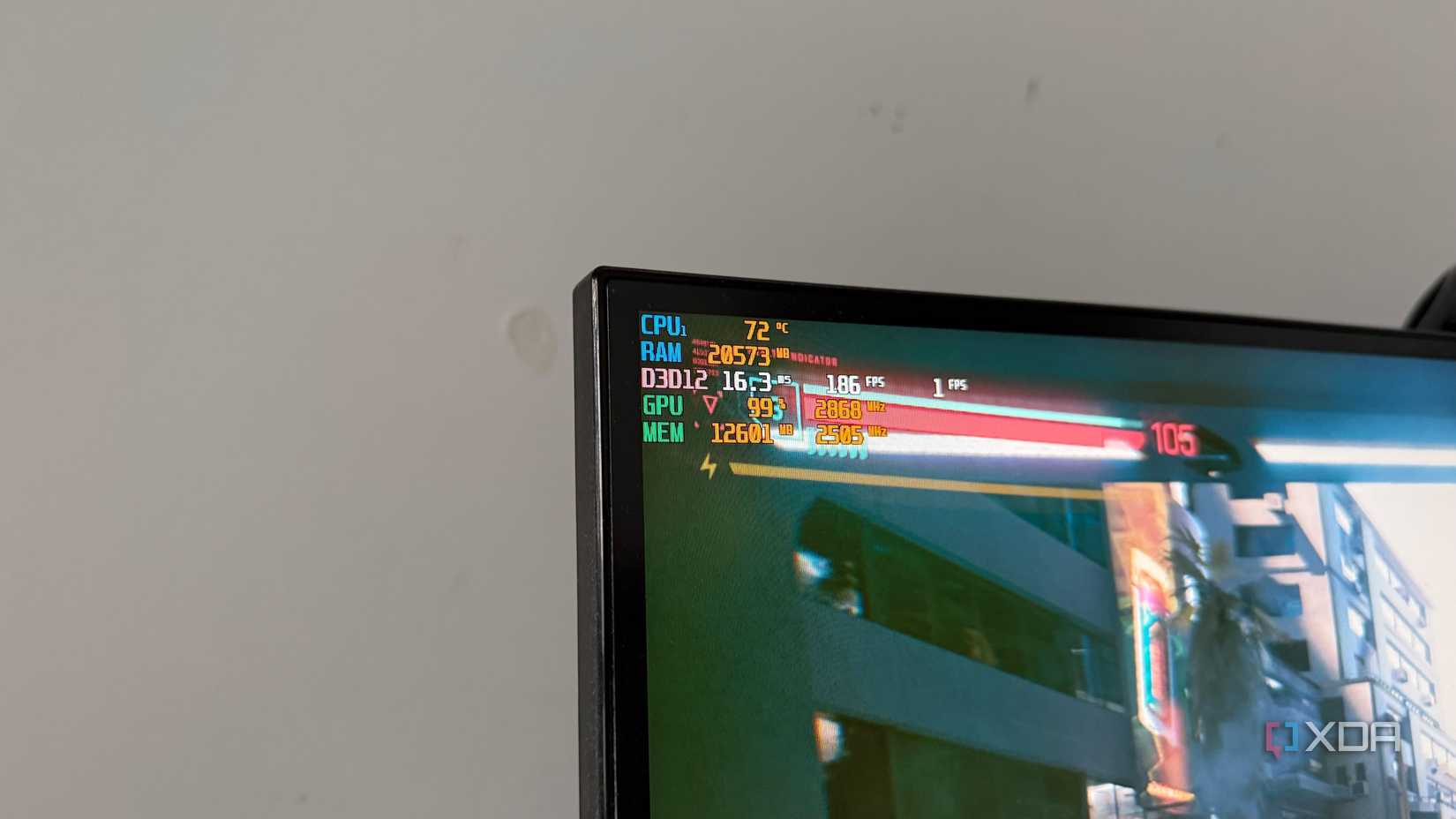
Even if you are running an RTX 5090, your GPU is tasked with rendering complex textures, lighting, and shadows. Unless you are playing at 1080p with a top-tier card to intentionally stress the CPU, your system is almost certainly "GPU-bound." When the GPU is at 99% usage, the speed of your RAM becomes irrelevant because the CPU is already waiting for the GPU to finish its current frame.
Furthermore, even in CPU-bound scenarios, the performance gap between a mid-tier DDR5-6000 CL30 kit and an expensive DDR5-8000 CL38 kit is often in the margin of error. In most modern titles, we are talking about a difference of perhaps 1-3 FPS—a variance you would never notice without a frame-counter overlay.
Official Manufacturer Stances and Industry Trends
While memory manufacturers naturally market higher-frequency kits as "performance upgrades," the silicon architects at AMD have been remarkably consistent. AMD’s official guidance for the Ryzen 9000 series suggests that DDR5-6000 remains the optimal frequency for the memory controller.
Pushing beyond this threshold often forces the system to run the memory controller in a 1:2 ratio, which can actually increase latency and decrease system stability. While there are some enthusiast-grade motherboards and memory kits that can maintain a 1:1 ratio at higher speeds, the silicon lottery plays a massive role. The extra cost of "binned" high-speed RAM is often better invested elsewhere—such as a higher-capacity SSD, a better power supply, or even upgrading your GPU tier.
Implications for the Modern Gamer
The implications for the average consumer are clear: Value over vanity.
1. Competitive vs. Casual Gaming
If you are a professional e-sports athlete competing in titles like Valorant or Counter-Strike 2 at 1080p, faster RAM can provide a marginal benefit by tightening 1% lows and improving frame consistency. In these specific, high-refresh-rate scenarios, the latency of a CL28 or CL30 kit can be a deciding factor. However, for 95% of the gaming population, these gains are academic.
2. The Cost-to-Performance Ratio
We are currently in a market where the price of high-end DDR5 memory has fluctuated wildly. Burning your budget on a 7200MHz kit often means compromising on your GPU or display. If you are choosing between a mid-range GPU with "extreme" RAM and a higher-tier GPU with "sweet-spot" RAM, the latter will provide a drastically better gaming experience every single time.
3. Stability and Peace of Mind
The X3D series is known for its incredible efficiency and performance, but it can be finicky with memory training at extreme speeds. By sticking to the recommended DDR5-6000 CL30 standard, you are far more likely to have a "set it and forget it" experience. You avoid the headache of BIOS updates, manual voltage adjustments, and the dreaded random crashes associated with pushing memory controllers beyond their comfort zone.
Conclusion: Stick to the Sweet Spot
In the final analysis, the "RAM speed obsession" is a remnant of an older era of computing. With the advent of massive L3 caches, our CPUs have become smarter, more self-sufficient, and less reliant on the raw speed of system memory.
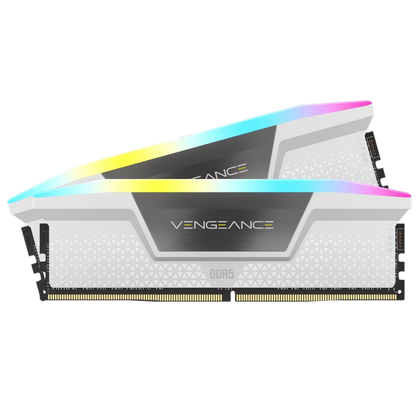
If you are currently building a system with a Ryzen 7 9800X3D, do yourself a favor: look for a high-quality, stable DDR5-6000 CL30 kit. It provides the perfect balance of latency and frequency, respects the architectural design of your CPU, and keeps money in your pocket that is better spent on the components that actually drive your frame rates—like your graphics card. Don’t be fooled by the marketing numbers on the box; in the world of X3D gaming, the "sweet spot" is the only place you need to be.












No comments yet. Be the first to join the conversation!