

In a candid assessment of the current state of the global technology and gaming sectors, Take-Two Interactive CEO Strauss Zelnick has issued a provocative critique of how major corporations are framing the recent wave of mass layoffs. In a wide-ranging interview with GamesIndustry.biz, Zelnick argued that the industry’s narrative—often citing the integration of Artificial Intelligence (AI) as a primary catalyst for staff reductions—is fundamentally dishonest. Instead, he characterizes the recent period of downsizing as a painful, necessary "post-pandemic correction" caused by corporate mismanagement and reckless over-hiring.
The Core Argument: A Correction, Not an AI Revolution
For years, the technology sector enjoyed a period of unprecedented growth fueled by the global shift to remote work, digital entertainment, and e-commerce during the COVID-19 pandemic. As demand surged, tech conglomerates scrambled to expand their workforces, often without a long-term strategic plan for sustainability. When the dust settled and the world returned to a semblance of normalcy, many of these companies found themselves bloated and inefficient.
According to Zelnick, the decision to pin these mass layoffs on the rise of generative AI is a convenient smokescreen. "The big tech companies who laid off thousands of people and said it was because of AI were not telling the truth," Zelnick stated. "It was because they overhired in the pandemic and they were sloppy about it and they haven’t addressed their headcount issues."
By framing layoffs as a byproduct of "AI efficiency," these companies arguably hope to appease shareholders who are eager for the potential cost-cutting benefits of automation. However, Zelnick posits that this narrative ignores the reality of poor corporate governance that defined the 2020–2022 hiring frenzy.
The Chronology of a Shifted Narrative
To understand Zelnick’s perspective, one must look at the timeline of the gaming and tech industry’s recent turbulence:
- 2020–2021 (The Pandemic Boom): Tech companies, including those in gaming, saw record revenues as lockdowns forced consumers indoors. Hiring reached all-time highs as companies prepared for a "new normal" of exponential digital growth.
- 2022 (The Slowdown): Inflation, rising interest rates, and the reopening of global economies led to a decline in digital engagement. Revenue growth stagnated, leaving companies with payrolls that were unsustainable in a cooling market.
- 2023 (The AI Pivot): With the meteoric rise of generative AI tools like ChatGPT, corporations began incorporating "AI efficiency" into their quarterly reports. Layoff announcements began to be explicitly linked to the potential for AI to automate tasks ranging from software coding to quality assurance (QA).
- 2024 (The Current Climate): The industry is now grappling with the fallout. Zelnick’s recent comments represent a vocal opposition to the trend of using emerging technology as a scapegoat for historical financial mismanagement.
The Role of Technology in Creative Development
While Zelnick is skeptical of the "AI-driven layoffs" narrative, he is far from being a Luddite. In fact, he prefers the term "technology" over "AI," arguing that the latter has become a buzzword that is misused and misunderstood. He maintains that technology is an enabler, not a replacement for human creativity.
"For those who believe you’ll press a button and make a competitive game, good luck," Zelnick noted. "Technology doesn’t do that. Technology doesn’t create. Technology enables human beings to create."
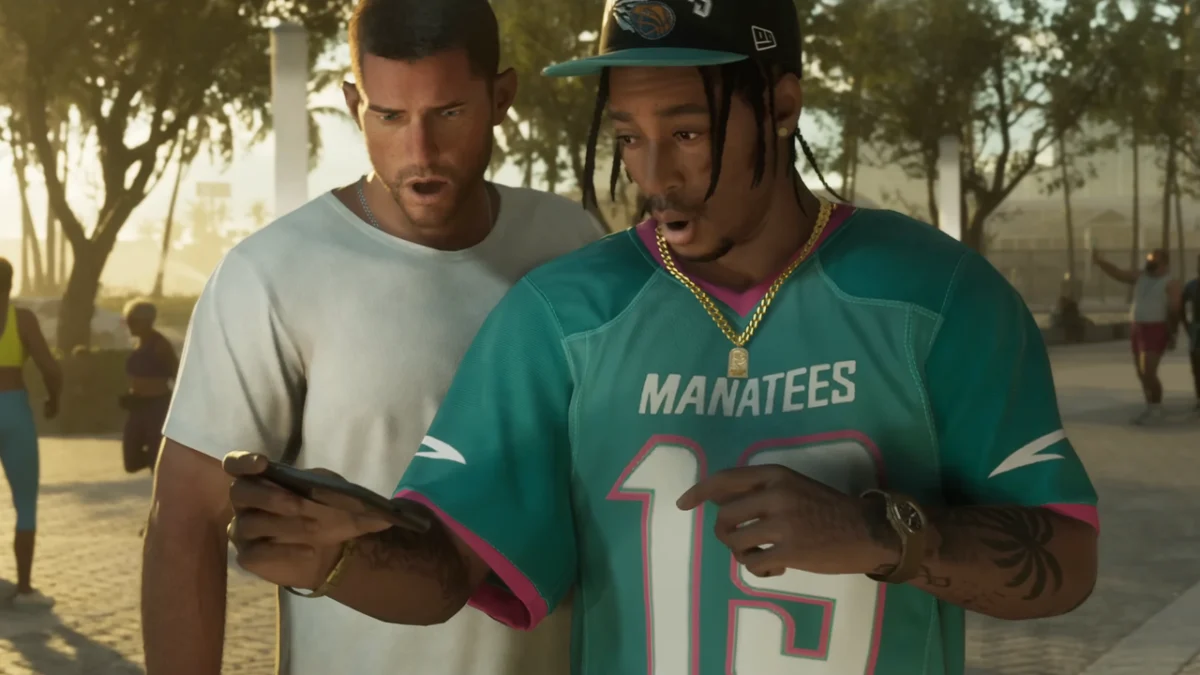
This stance is consistent with Take-Two’s own internal philosophy, particularly regarding the development of their flagship titles, such as the highly anticipated Grand Theft Auto 6. Despite the industry’s rush to integrate generative AI into assets and NPC behavior, Take-Two has maintained that its high-end projects are "handcrafted." The company’s refusal to lean on generative shortcuts highlights a growing divide between firms that view AI as a replacement for human labor and those that view it as a sophisticated tool for human creators to leverage.
Challenging the "SaaS Apocalypse"
Zelnick also addressed the broader market sentiment surrounding Software-as-a-Service (SaaS) companies. Many market analysts have recently suggested that AI could render current SaaS business models obsolete by providing similar services at a fraction of the cost or with zero overhead.
Zelnick flatly rejects this doom-and-gloom outlook. He characterized the market’s current belief that "all SaaS companies will go out of business because of AI" as "completely incorrect." He argues that the market is currently overreacting to the novelty of AI, much like it has overreacted to technological shifts in the past.
"And if the market weren’t incorrect now and then, how could you invest in it? You’d never have an opportunity," he reasoned. This perspective highlights Zelnick’s confidence in the endurance of traditional business models, provided they remain focused on high-quality product delivery rather than chasing ephemeral trends.
Implications for the Workforce
The implications of Zelnick’s comments are significant for the gaming industry’s labor force. If the narrative of "AI-driven layoffs" is, as he claims, a fabrication, then the pressure on employees to justify their roles against the threat of automation may be based on a false premise.
However, this does not mean that the workforce is entirely safe. If layoffs are truly the result of "sloppy" over-hiring during the pandemic, the industry may still face a period of correction as companies continue to seek operational efficiency. The key difference, however, is that employees are not losing their jobs because they are being replaced by code, but because their companies failed to manage their growth trajectories during an economic anomaly.
Furthermore, Zelnick’s insistence that "Technology is not going to take people’s jobs" serves as a counter-weight to the fear-mongering that has permeated industry discourse. By centering the conversation on human capability, he is attempting to reset the expectations for what software tools can and cannot achieve in the development pipeline.
The Future of Take-Two Interactive
As Take-Two looks toward the future, the company appears to be doubling down on its strategy of "quality over quantity." By avoiding the temptation to replace human creative processes with generative models, the firm is positioning itself as a bastion of traditional, human-led game design.
While other companies might continue to cite AI as a reason for trimming their workforces, Take-Two’s leadership is signaling that they prefer to own their mistakes—such as over-hiring—rather than blaming the rapid evolution of technology. This transparent approach could prove to be a significant competitive advantage. In a market where trust between developers and management has been strained by years of layoffs, Zelnick’s refusal to hide behind the "AI excuse" may resonate with both his employees and his investors.
Conclusion: A Call for Accountability
Strauss Zelnick’s critique serves as a necessary reality check for an industry caught in a whirlwind of technological hype and economic instability. By stripping away the veneer of AI-led disruption, he has forced a conversation about the fundamental responsibilities of corporate leadership.
The transition from a pandemic-fueled boom to a post-pandemic correction has been painful for thousands of workers. Zelnick’s assertion that this pain is the result of human error—not technological evolution—is a sobering reminder that for all the talk of artificial intelligence, the most impactful decisions in the gaming industry are still being made by very human, and very fallible, executives. As the industry moves forward, the question remains: will other leaders follow Zelnick’s example and take accountability for their past hiring practices, or will the "AI scapegoat" continue to be the narrative of choice?










No comments yet. Be the first to join the conversation!