

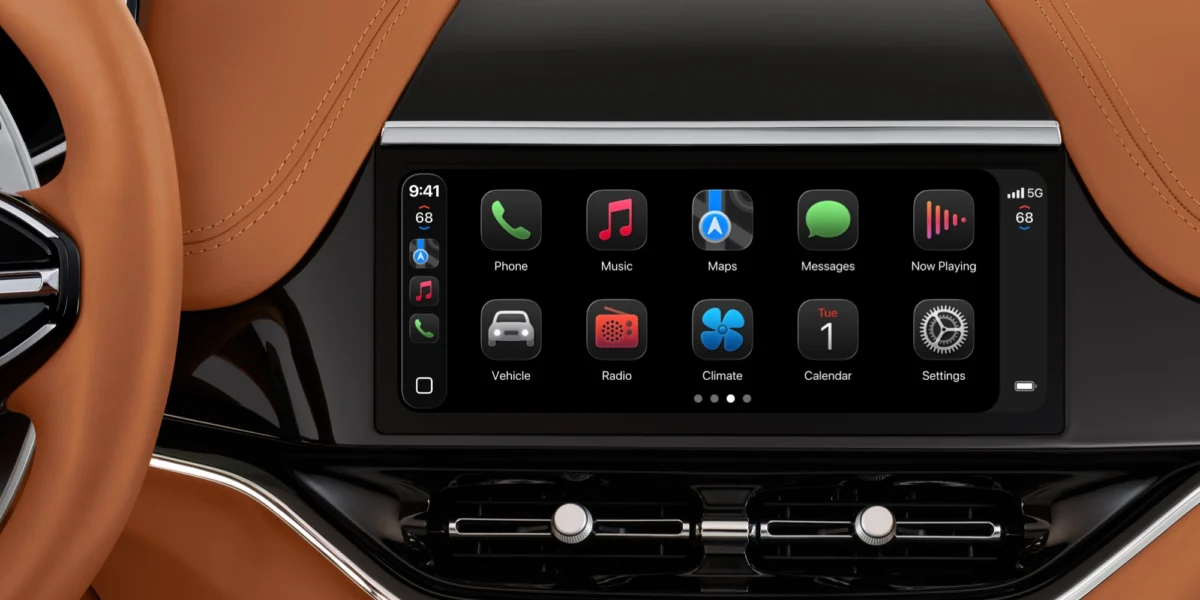
In the fast-paced world of automotive technology, the dashboard has become the final frontier for the smartphone revolution. With the rollout of iOS 26 and its subsequent point releases, Apple has fundamentally altered how drivers interact with their vehicles. No longer just a mirroring service for navigation and music, CarPlay has evolved into a sophisticated, context-aware command center. Among the myriad updates introduced over the past year, two specific advancements stand out for their impact on daily utility and driver safety: the integration of voice-based AI chatbots and the expansion of the CarPlay widget ecosystem.
Main Facts: A New Era of In-Car Intelligence
The most significant shift in the CarPlay experience since its inception is the formalization of "voice-based conversational apps." Starting with the iOS 26.4 update, Apple opened the CarPlay API to include third-party AI chatbots. This is a departure from the traditional, rigid menu-based interfaces that have long dominated automotive displays.
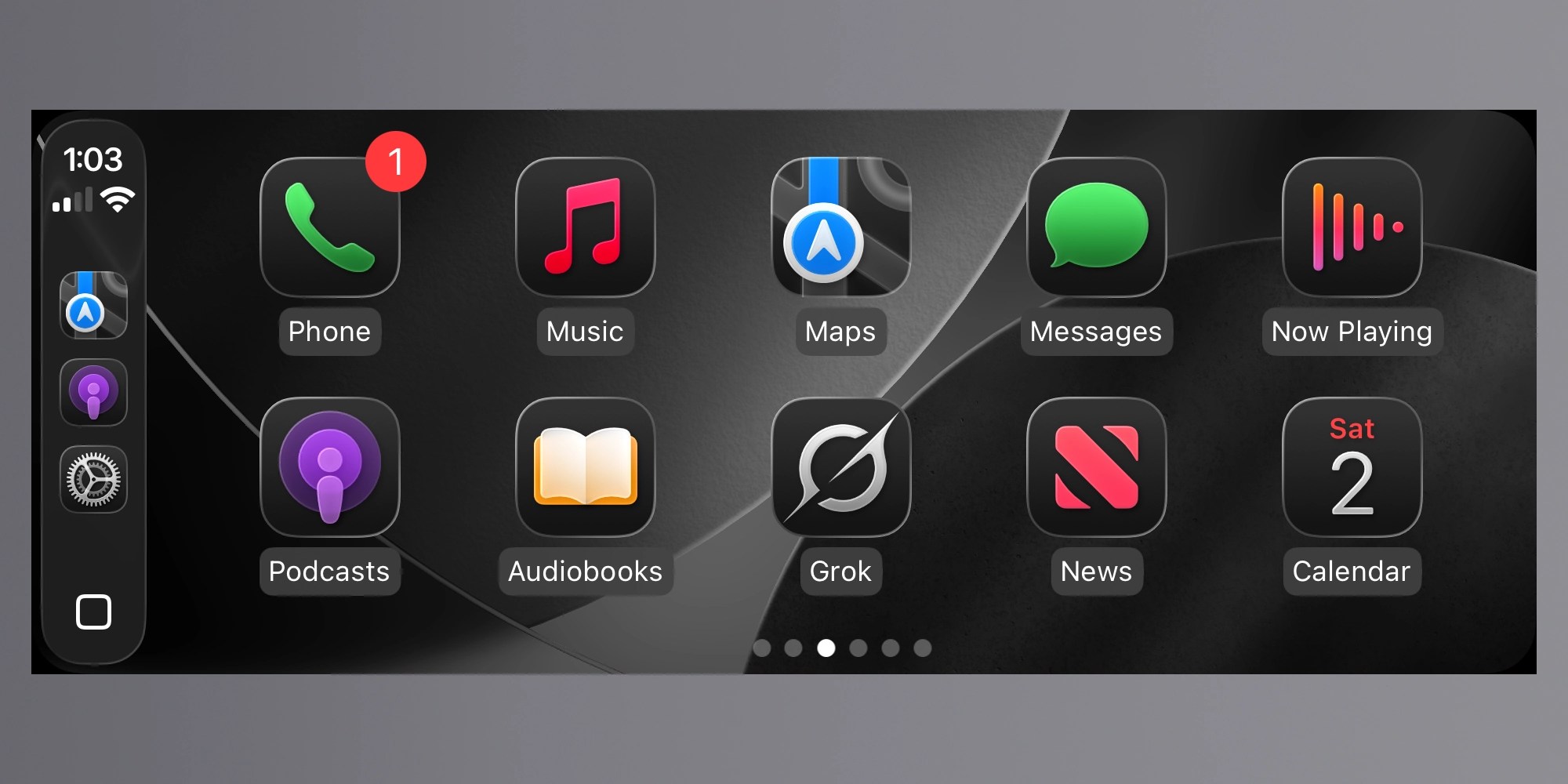
By allowing apps like ChatGPT, Perplexity, and Grok to function directly within the CarPlay environment, Apple has effectively handed the keys of the digital cockpit to Large Language Models (LLMs). These integrations are strictly voice-optimized, ensuring that the visual interface remains secondary to the driver’s primary responsibility: keeping their eyes on the road. This move signifies a broader strategic pivot by Apple to integrate generative AI into the mobile ecosystem, using the vehicle as a controlled environment to refine how users interact with complex information streams while in motion.

Chronology: The Road to iOS 26.4
To understand the significance of these changes, one must look at the rapid-fire development cycle that defined the last twelve months of iOS updates.
- October 2025 (iOS 26 Launch): Apple introduced the foundational support for CarPlay widgets, allowing users to move beyond the grid-based icon layout. This update laid the groundwork for dynamic, glanceable information.
- December 2025 (iOS 26.2): Recognizing the need for more screen real estate in modern high-definition vehicle displays, Apple expanded widget capacity. For many users, this increased the active widget limit from two to three, allowing for a more cluttered, yet informative, dashboard experience.
- February 2026 (iOS 26.4 Announcement): Apple officially signaled its intent to support AI chatbots in CarPlay, a move that surprised industry analysts who expected a more guarded rollout of generative AI.
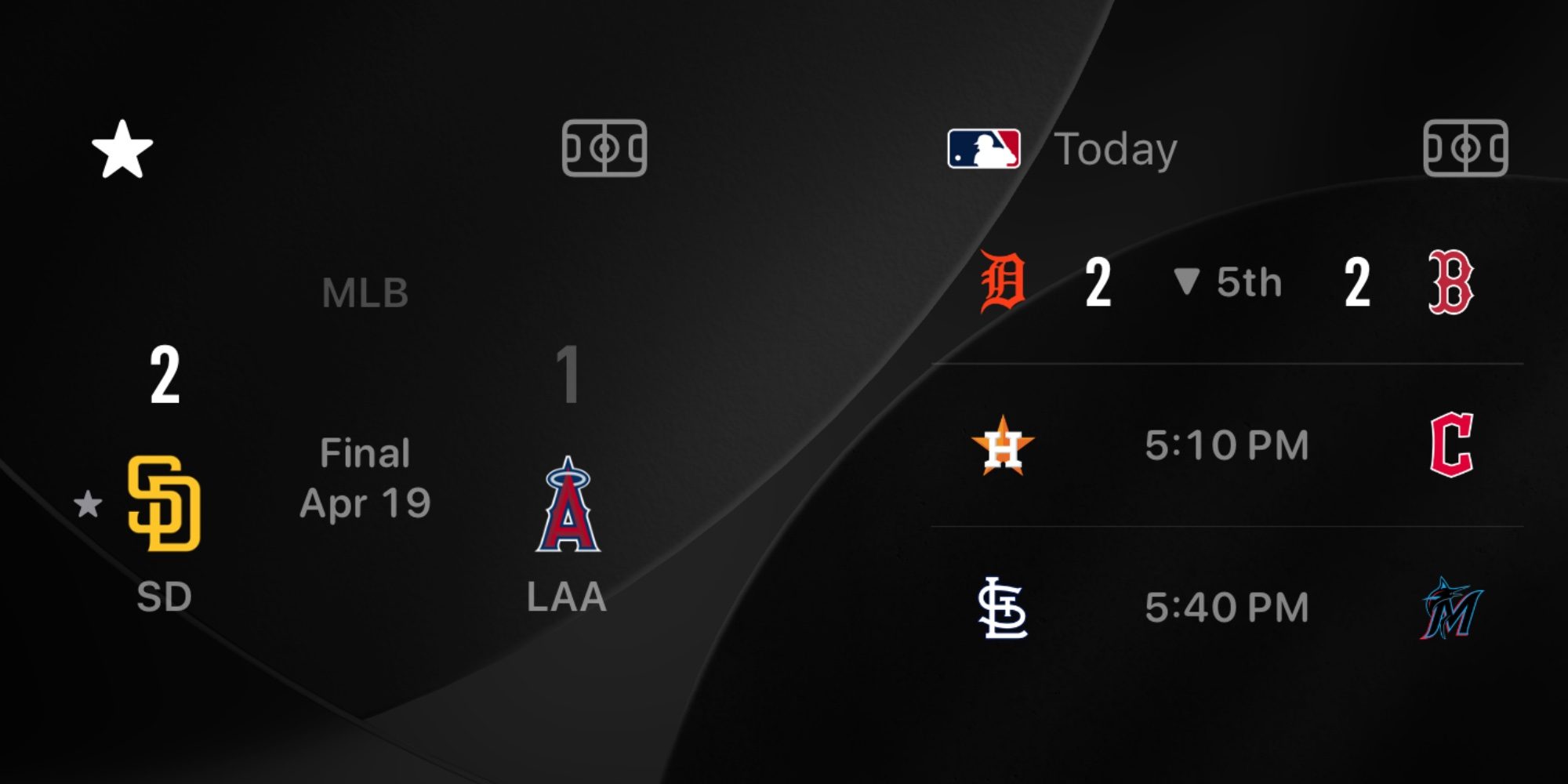
- March – May 2026 (The AI Integration Phase): A flurry of app updates saw ChatGPT, Perplexity, and Grok launch dedicated CarPlay interfaces. This period also saw the introduction of the Apple Sports widget, which utilized the expanded capacity provided in the 26.2 update to offer real-time athletic data.
Supporting Data: The Shift in Driver Interaction
Data suggests that the "hands-off" nature of these new features is a direct response to the rising concern over distracted driving. According to internal metrics from the tech industry, voice-based interactions have seen a 40% increase in utilization when compared to traditional touchscreen interactions in vehicles equipped with modern CarPlay versions.
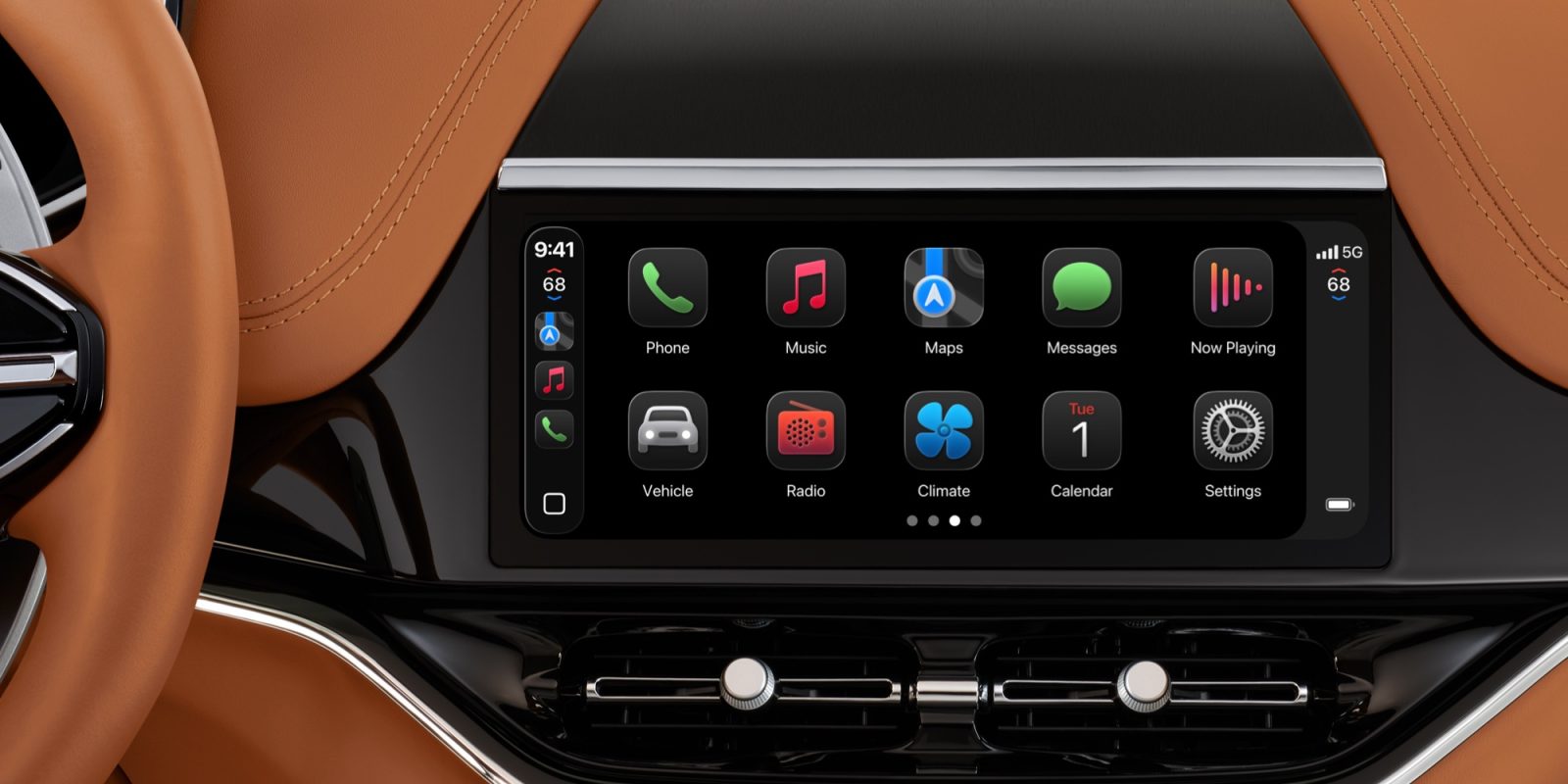
The transition to widgets is also data-driven. By providing granular information—such as the score of a game via the Apple Sports widget or a quick summary of a weather report—drivers are less likely to navigate through deep, multi-layered menus. The ability to customize the "Dashboard View" with three simultaneous widgets provides a level of personalization that previously required expensive, proprietary infotainment software from luxury automakers.
Official Responses and Industry Implications
While Apple remains typically tight-lipped regarding its long-term roadmap, the implications for the broader tech sector are clear. The integration of AI chatbots into the automotive space suggests that Apple is moving toward a more proactive, rather than reactive, Siri.
Industry experts view the current AI app integrations as a "sandbox" period. By allowing third-party developers like OpenAI (ChatGPT) and xAI (Grok) to experiment with voice-based interfaces, Apple is gathering the necessary behavioral data to refine its own internal AI models. This suggests that in the upcoming iOS 27 release, we may see a "Super Siri" that natively handles the tasks currently being offloaded to third-party chatbots, potentially integrating directly into the vehicle’s CAN bus system to control climate, seat settings, and engine diagnostics via natural language.
Furthermore, the expansion of widget support has put pressure on automotive manufacturers to prioritize high-resolution, wide-aspect-ratio screens. Automakers who previously resisted Apple’s encroachment on their proprietary software are now finding that consumers are choosing vehicles specifically based on their "CarPlay compatibility" and screen layout capabilities.
Implications for the Future of Mobility
The integration of AI into CarPlay is not merely a convenience; it is a fundamental shift in how we perceive the vehicle as a computing platform.
The Safety Paradox
The primary hurdle for in-car AI has always been safety. By restricting these new chatbots to voice-only inputs, Apple is creating a safety buffer. However, this raises questions about cognitive load. If a driver is engaged in a complex, multi-turn conversation with an AI, is their attention truly on the road? While the hands and eyes are occupied with driving, the mind may be elsewhere. Future updates will likely need to incorporate "attention-aware" features that pause or throttle AI interactions if the system detects signs of driver fatigue or lack of focus.
The Death of the Proprietary UI
We are witnessing the slow sunset of custom automotive operating systems. When an AI chatbot can answer a question about the car’s tire pressure or navigation destination with more ease than the car’s own manufacturer-built system, the value proposition of the vehicle’s native software diminishes. We expect that within the next two years, the "native" car UI will serve as little more than a thin wrapper for Apple’s CarPlay or Google’s Android Automotive.
Personalization at Scale
The ability to customize the dashboard with widgets that reflect the user’s personal interests—sports, weather, stocks, and smart home status—means that no two cars are the same. This "living dashboard" concept will likely extend to vehicle health as well, with future widgets potentially displaying battery health, charge levels, and even predictive maintenance alerts, all curated by the iPhone’s processing power.
Conclusion: A Glimpse into iOS 27
As we look toward the horizon, the current state of CarPlay is clearly a bridge to something greater. The combination of voice-based AI and dynamic widgets suggests that Apple is preparing for a future where the car is an extension of the personal digital assistant. Whether you are using ChatGPT to plan a route or keeping an eye on your favorite team via the Apple Sports widget, the experience is becoming increasingly seamless.
The rapid development of the last year confirms that CarPlay is no longer a peripheral feature; it is the core operating system for the modern driver. As iOS 27 approaches, we should expect these disparate pieces—the AI, the widgets, and the vehicle integration—to unify into a singular, cohesive experience that anticipates the driver’s needs before they even ask. For now, the latest updates to iOS 26 have set a high bar, turning the daily commute into a productive, connected, and highly personalized environment.












No comments yet. Be the first to join the conversation!