

By Kevin Dunsmore
May 21, 2026
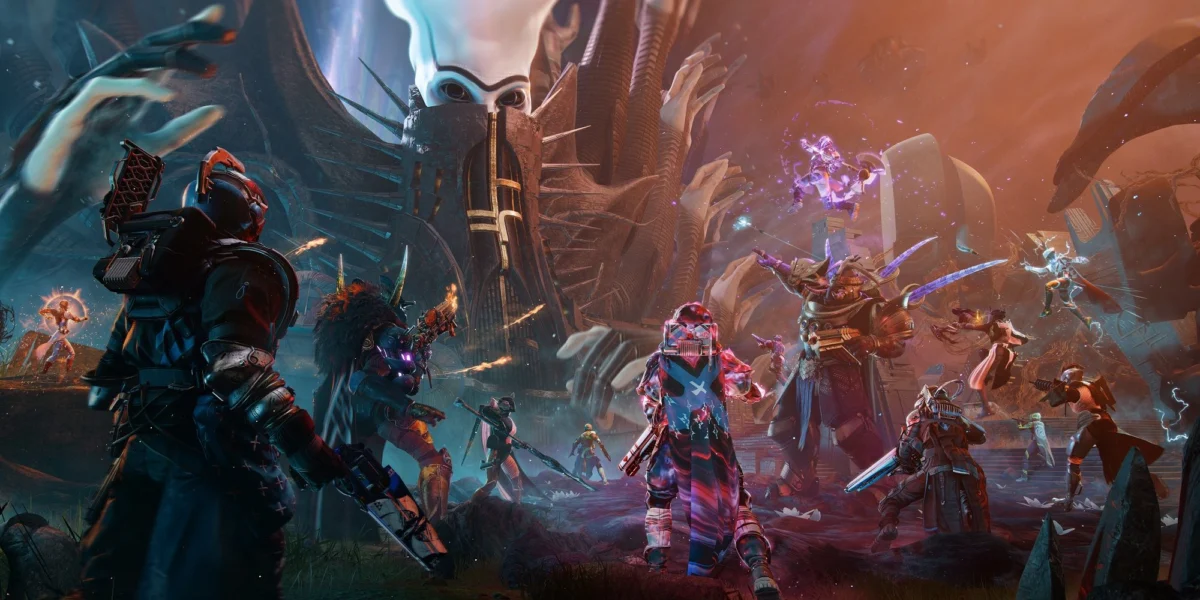
In an industry-shaking announcement that marks the conclusion of a nearly decade-long saga, Bungie has officially confirmed that Destiny 2 will cease receiving new content updates following its final scheduled patch on June 9, 2026. This decision signals the end of the Destiny franchise’s most ambitious chapter, closing the book on a live-service experiment that fundamentally altered the landscape of modern gaming.
The End of an Era: A Nine-Year Odyssey
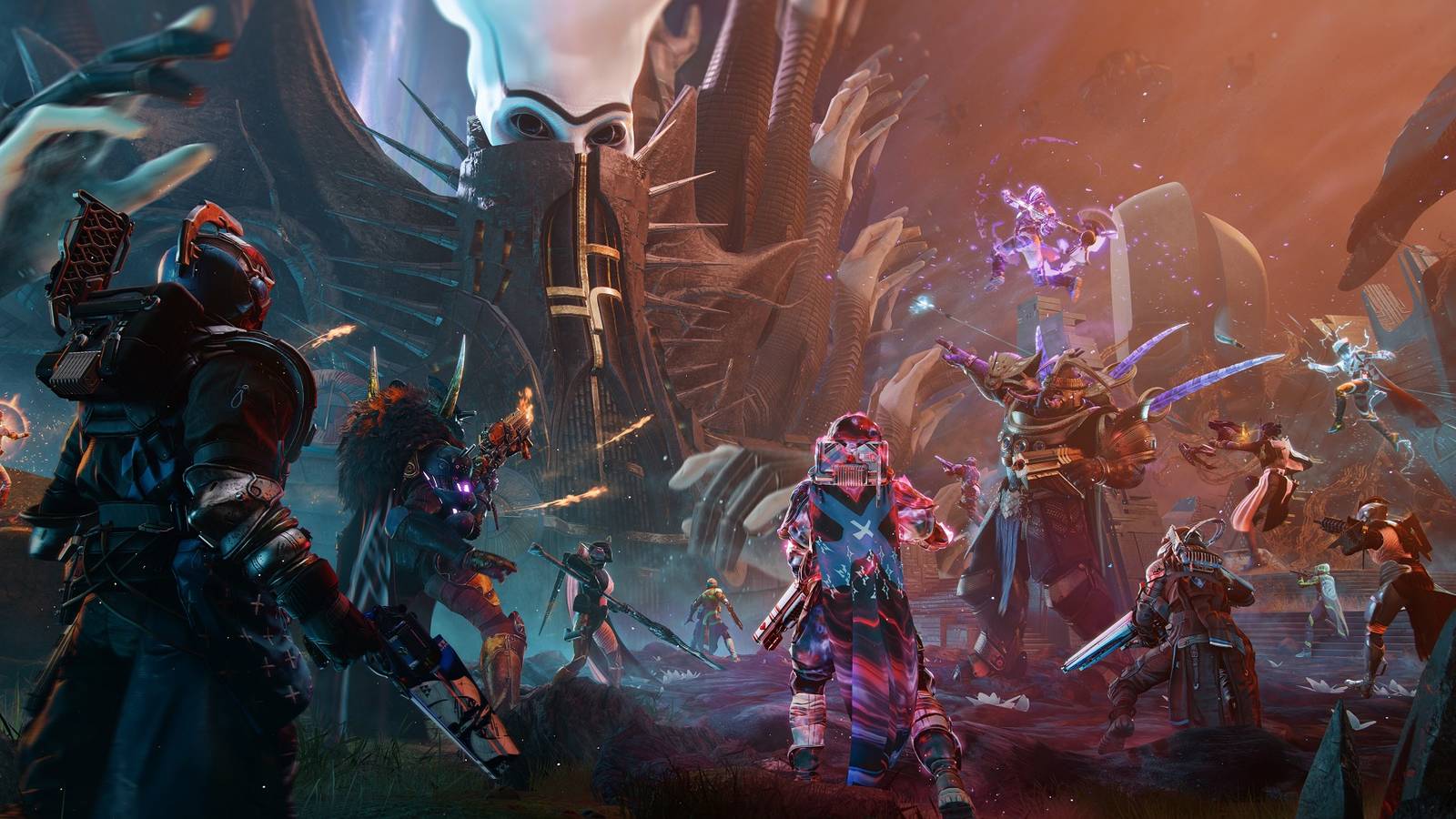
Since its launch in 2017, Destiny 2 has served as the backbone of Bungie’s identity. Born from the ashes of the original Destiny and designed as the centerpiece of a multi-year partnership with Activision, the game was intended to be a permanent, evolving home for millions of players. Across nearly nine years of operation—and twelve years if one considers the franchise’s inception—the game has navigated a volatile journey defined by extreme peaks and valleys.
The community has experienced the soaring heights of narrative and mechanical excellence in expansions such as The Taken King, Forsaken, The Witch Queen, and the culminative The Final Shape. Conversely, the franchise struggled through significant periods of stagnation and controversy, most notably during the contentious releases of Beyond Light, Lightfall, The Edge of Fate, and the widely criticized Renegades. As the game began to show its age, it became increasingly clear that the aging engine and the crushing weight of technical debt were limiting the studio’s vision, leading to this inevitable sunset.
A Chronology of Conflict and Content
To understand why Destiny 2 has reached this point, one must look at the trajectory of the game’s lifecycle. The transition from a boxed-product model to a "Games as a Service" (GaaS) juggernaut was, at the time, revolutionary. However, the sheer volume of content, the constant need for "power creep," and the complexity of maintaining the game’s architecture proved to be an insurmountable hurdle.
- 2017–2019: The Formative Years. The initial launch and the subsequent revitalization brought by Forsaken established Destiny 2 as a premier looter-shooter.
- 2020–2022: The Pivot to Seasonality. With the introduction of the Seasonal model, the narrative became more cohesive, leading into the highly acclaimed The Witch Queen.
- 2023–2025: The Technical Threshold. As the game expanded, it began to "come apart at the seams." The shift toward the Fate Saga—comprised of The Edge of Fate and Renegades—failed to capture the same momentum as previous expansions, leading to a noticeable decline in active player retention.
- 2026: The Final Sunset. With Bungie focusing its internal resources on the struggling Marathon and the incubation of new, unannounced projects, the decision to wind down Destiny 2 was finalized to allow the studio to pivot toward its future.
One Last Hurrah: The June 9 Update
Rather than simply flicking a switch to turn off the servers, Bungie has promised a send-off intended to celebrate the community’s long-standing dedication. The June 9 update is described by the developers as a "love letter" to the player base.
Restoring the Legacy
Perhaps the most requested feature in the game’s history is making a return. Bungie confirmed that the original Director UI, which was replaced last year by the widely panned "Portal" interface, will return in a refreshed, modern state. This will allow players to navigate the Sol system with the clarity and efficiency they enjoyed for years.
Gameplay and Mechanical Overhauls
The final update will not just be a static maintenance patch. It includes:

- A New Pantheon: A permanent, high-difficulty challenge mode featuring a rotating slate of iconic bosses from the game’s history.
- Loot Refinement: Raid and dungeon rewards, as well as destination-specific gear, are receiving a stat and perk overhaul to ensure they remain viable and relevant.
- Ability Tuning: A comprehensive balance pass on all subclasses and Exotic armor pieces to ensure a "final state" that feels powerful and balanced.
- Sparrow Racing League (SRL): The fan-favorite mode returns as a permanent fixture, finally fulfilling a long-standing request from the community.
The Economy of the End
While development support ends, the game’s storefront remains. Microtransactions will continue, and the Eververse will remain operational. However, Bungie has pledged to expand the availability of cosmetic items that can be purchased with Bright Dust—the game’s earnable currency—effectively allowing players to unlock more content through gameplay during this final phase.
Official Responses and Studio Strategy
Bungie’s internal communication has remained tight-lipped regarding the "what’s next." In their official statement, the studio noted: "From all of us here at Bungie, we cannot thank you enough for joining us on this journey throughout the Sol system. You’ll still find us starside for years to come."
This phrasing leaves the door open for speculation. While there is no official word on Destiny 3, the ending of the Fate Saga left several narrative threads hanging that seem perfectly positioned for a sequel or a brand-new IP set within the same universe. The "Monument of Triumph," a new feature arriving with the final update, is designed to deliver small, concluding character beats that will tie up loose ends for iconic figures like Zavala, Ikora, and the remaining Vanguard.
Implications for the Industry
The sunsetting of Destiny 2 represents a cautionary tale for the live-service model. Even the most successful games, bolstered by years of content and a dedicated player base, are not immune to the pressures of technical fatigue and shifting market demands.
The Shift to "Incubation"
Bungie’s focus has clearly moved toward "incubating our next games." With the recent struggles of Marathon—which has faced a staggering drop-off in its player base—Bungie finds itself at a crossroads. The company must prove that it can build new, sustainable experiences that don’t rely on the same outdated architectural foundations that eventually crippled Destiny 2.
Community Impact
For the players, the end of Destiny 2 is a bittersweet moment. For many, this game was more than just a shooter; it was a digital social space, a collection of memories, and a routine that lasted nearly a decade. The transition to the final update will likely see a surge in "final raids" and community gatherings, as players look to commemorate their time spent in the game’s vast, beautiful, and often frustrating world.
Conclusion: A Future Beyond the Traveler
As the sun sets on the City, the industry watches to see if Bungie can recapture the lightning in a bottle that defined Destiny. The game may be coming to an end, but the technical and narrative lessons learned by the studio will likely form the DNA of their next major project. Whether that is a return to the Destiny universe or an entirely new venture, the departure of Destiny 2 is not just the end of a product—it is the closing of a chapter that defined a generation of console and PC gaming.
Players have until June 9 to experience the final adjustments and prepare for the quiet that will eventually fall over the Tower. As Bungie transitions into this new, uncertain era, the community remains in a state of mourning, yet hopeful that the next star on the horizon will be just as bright.











No comments yet. Be the first to join the conversation!