Sagoh
Sagoh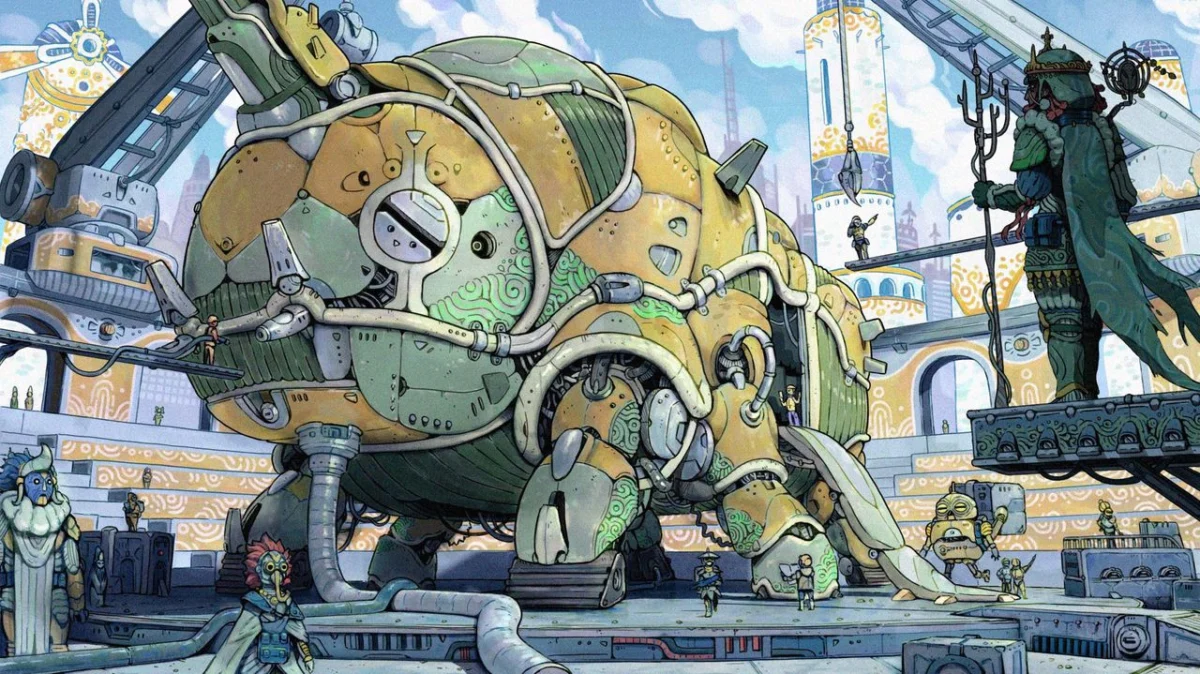
The invisible architecture of video games—the strokes of a pen, the smudge of a digital brush, and the meticulous storyboards that define a narrative—often remains hidden behind the finished, polished product. While players marvel at the final rendering of an open world or the fluid animation of a protagonist, the foundational artistry that birthed these elements frequently goes uncredited. To bridge this gap, the Academy of Interactive Arts & Sciences (AIAS), in collaboration with iam8bit and fortyseven communications, has officially unveiled the selections for the 2026 Game Maker’s Sketchbook.
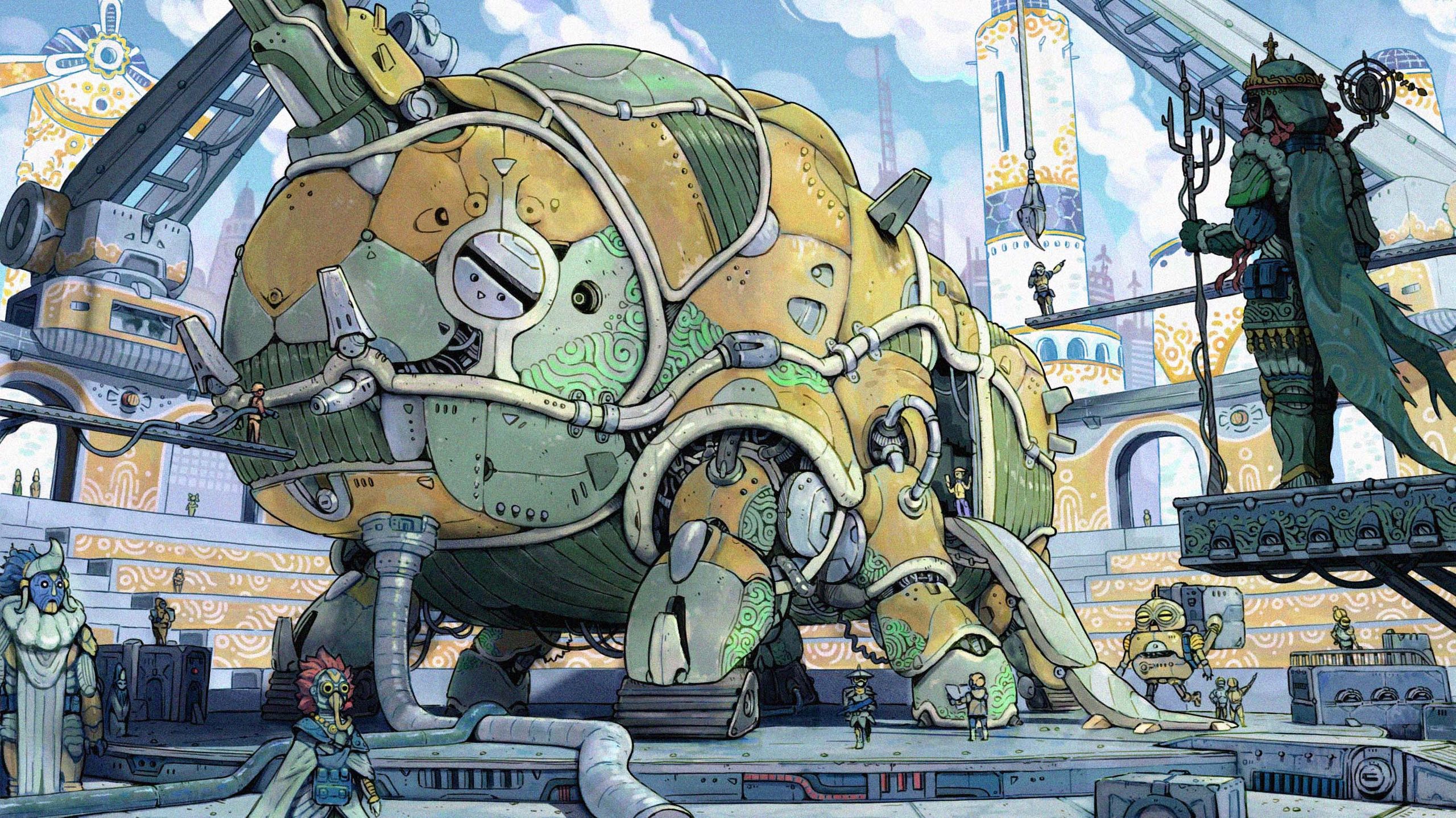
Now in its fifth year, this annual showcase serves as a vital retrospective, pulling back the curtain on the creative process to honor the unsung heroes of game development. From the haunting concept paintings that establish a game’s atmosphere to the granular iconography of user interfaces, the showcase highlights the vast, often overlooked breadth of talent within the industry.
The 2026 Selection: A Celebration of Creative Diversity
The 2026 collection is a global tapestry of creative labor, featuring contributions from some of the most respected names in the industry. The lineup includes works from giants like Capcom, Xbox Game Studios (Double Fine Productions), and Gearbox Software (2K Games), alongside visionary contributions from independent studios such as Warhorse Studios, ustwo games, and We Are Muesli.
The curation process this year was particularly rigorous, aiming to categorize the nebulous nature of early-stage development into six distinct pillars: Character Art, Curiosities, Environment Art, Iconography, Impact, and Storyboard.
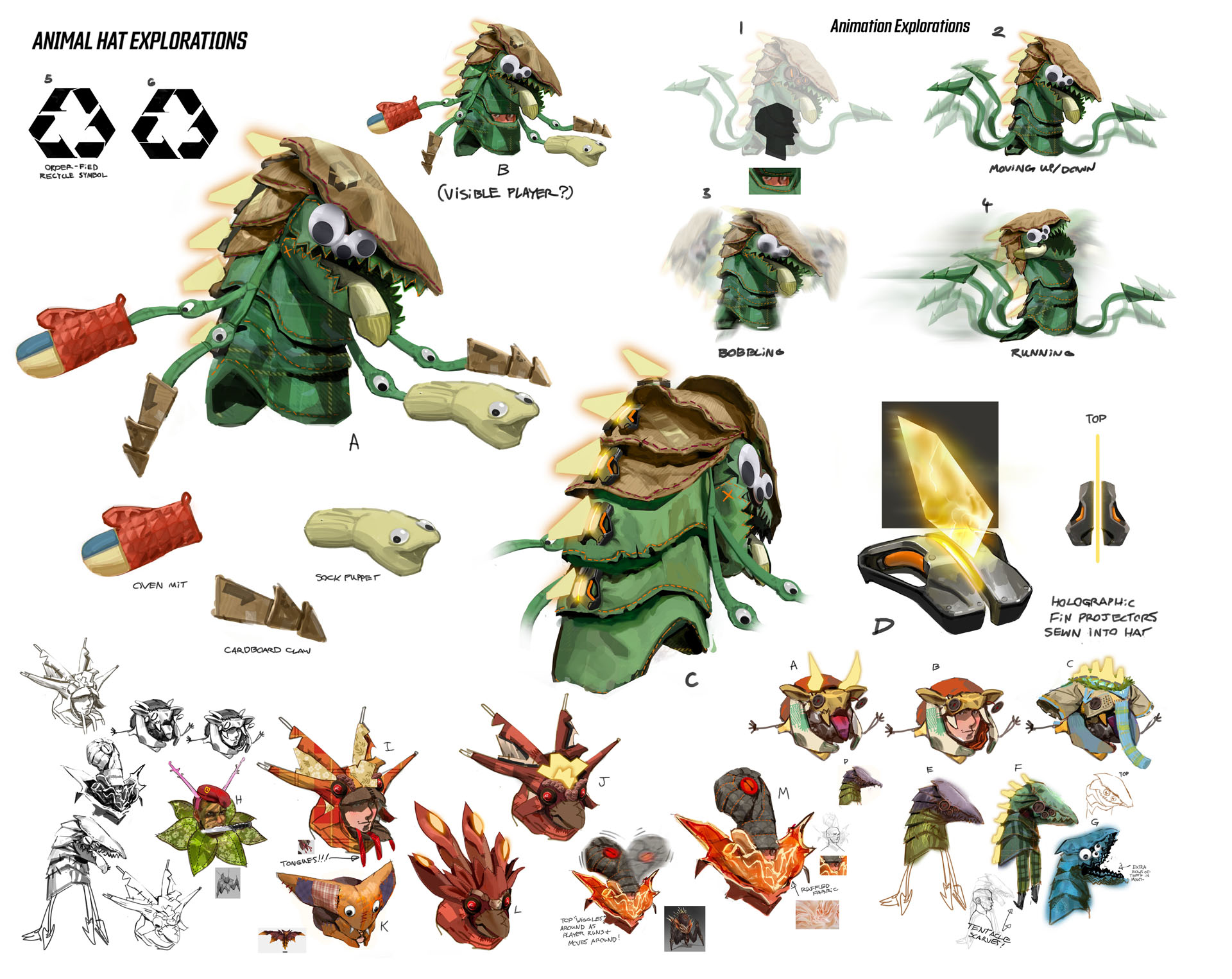
Character Art: Shaping the Soul of the Game
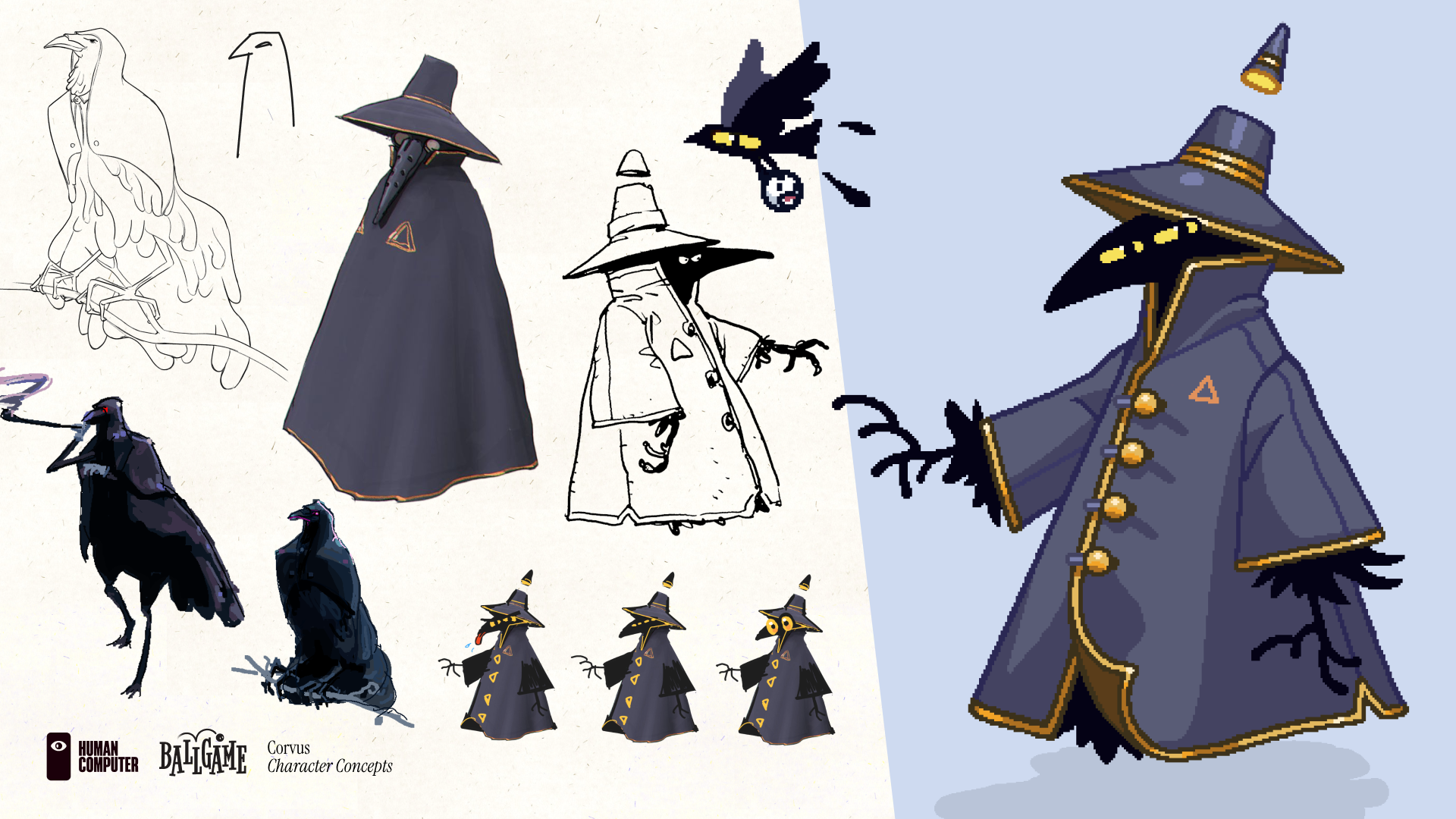
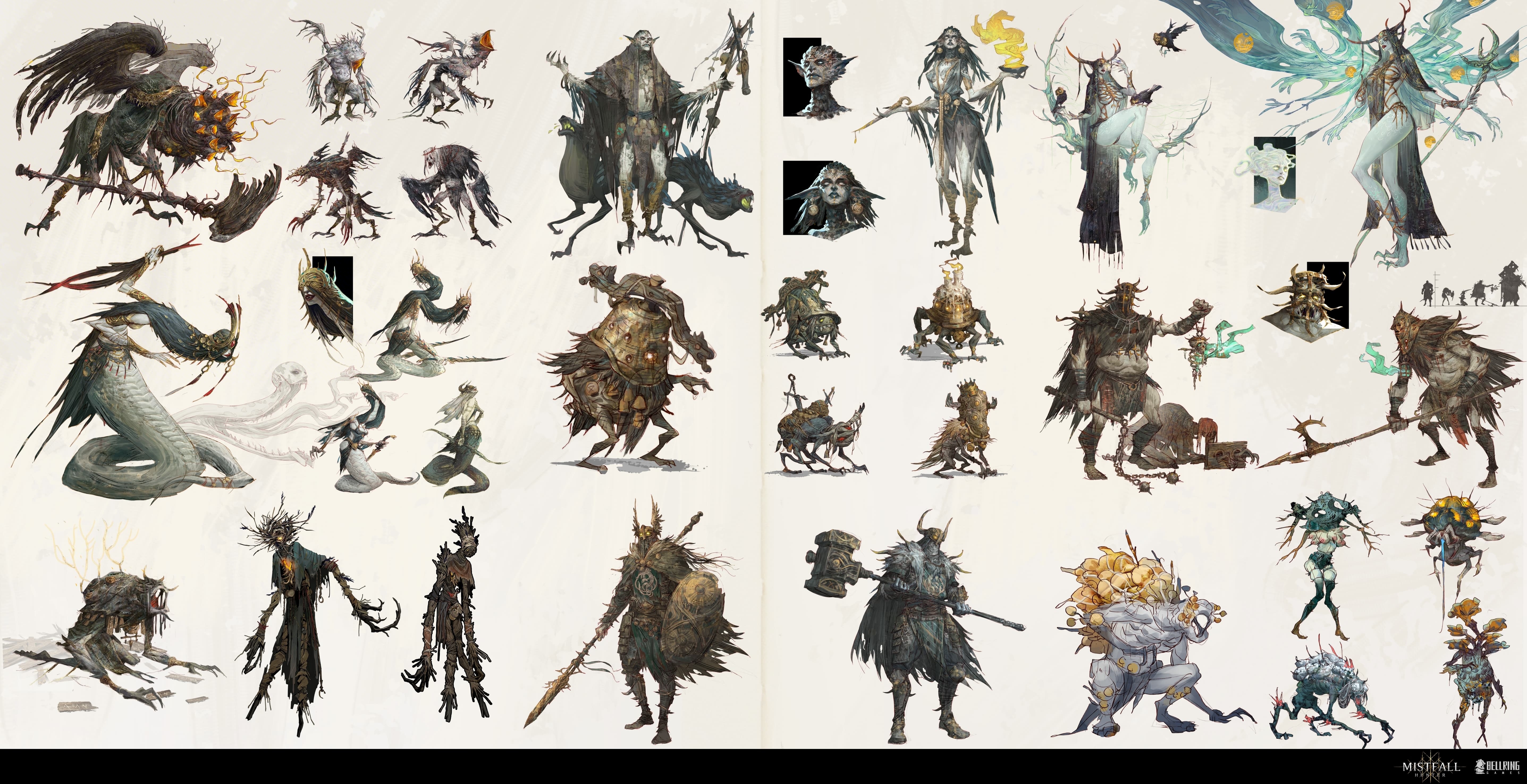
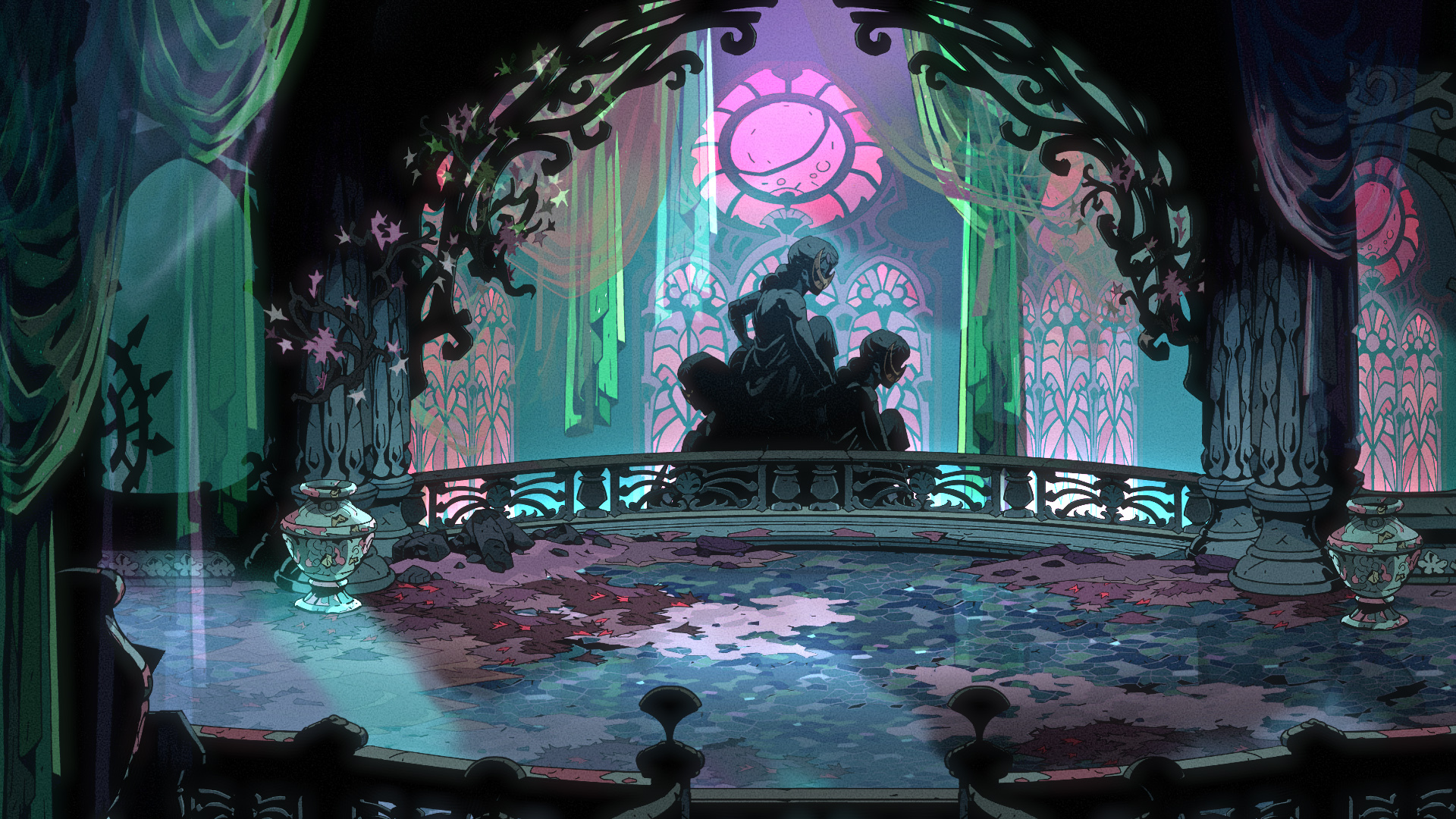
The "Character Art" category features works that define the visual identity of a game’s cast. Highlights include the character studies for Corvus (Ballgame), the intricate, foreboding enemy designs for Mistfall Hunter (Bellring Games), and the whimsical yet detailed "Thresher Hat" explorations for the highly anticipated Borderlands 4 (Gearbox Software). These selections demonstrate how character design is not merely about aesthetic appeal, but about establishing the biomechanical and cultural rules of a digital world.
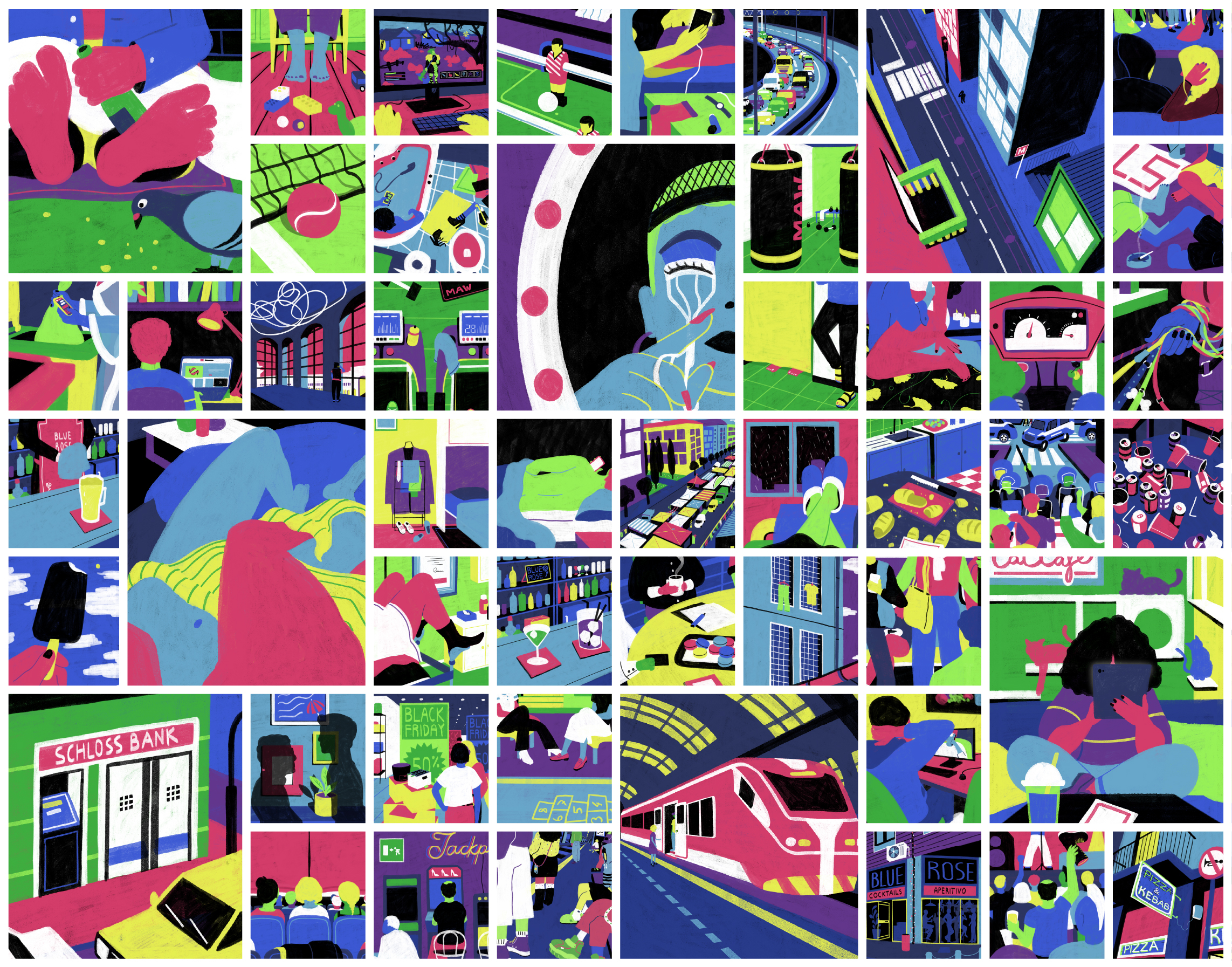
Environment Art: Constructing Worlds
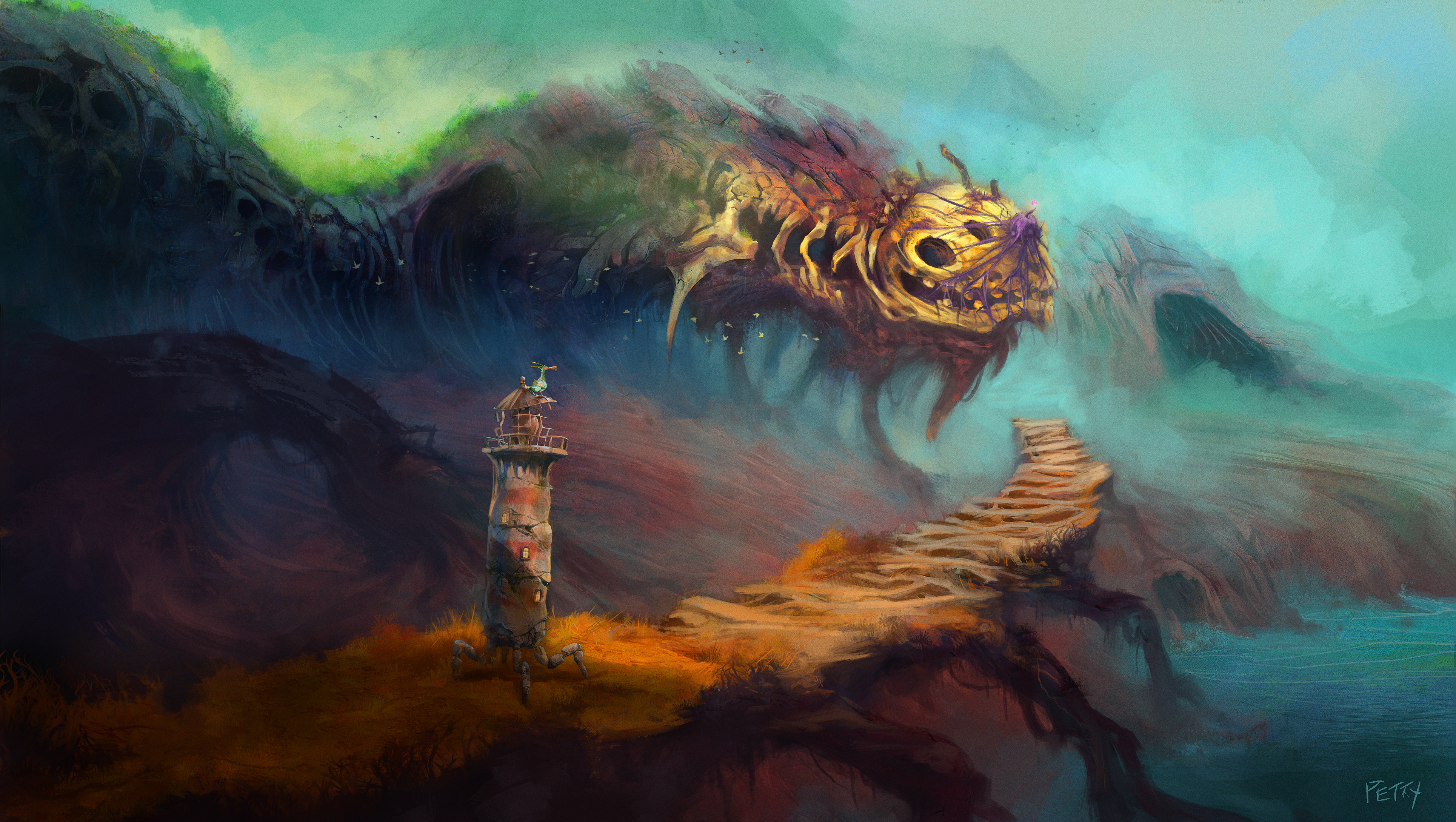
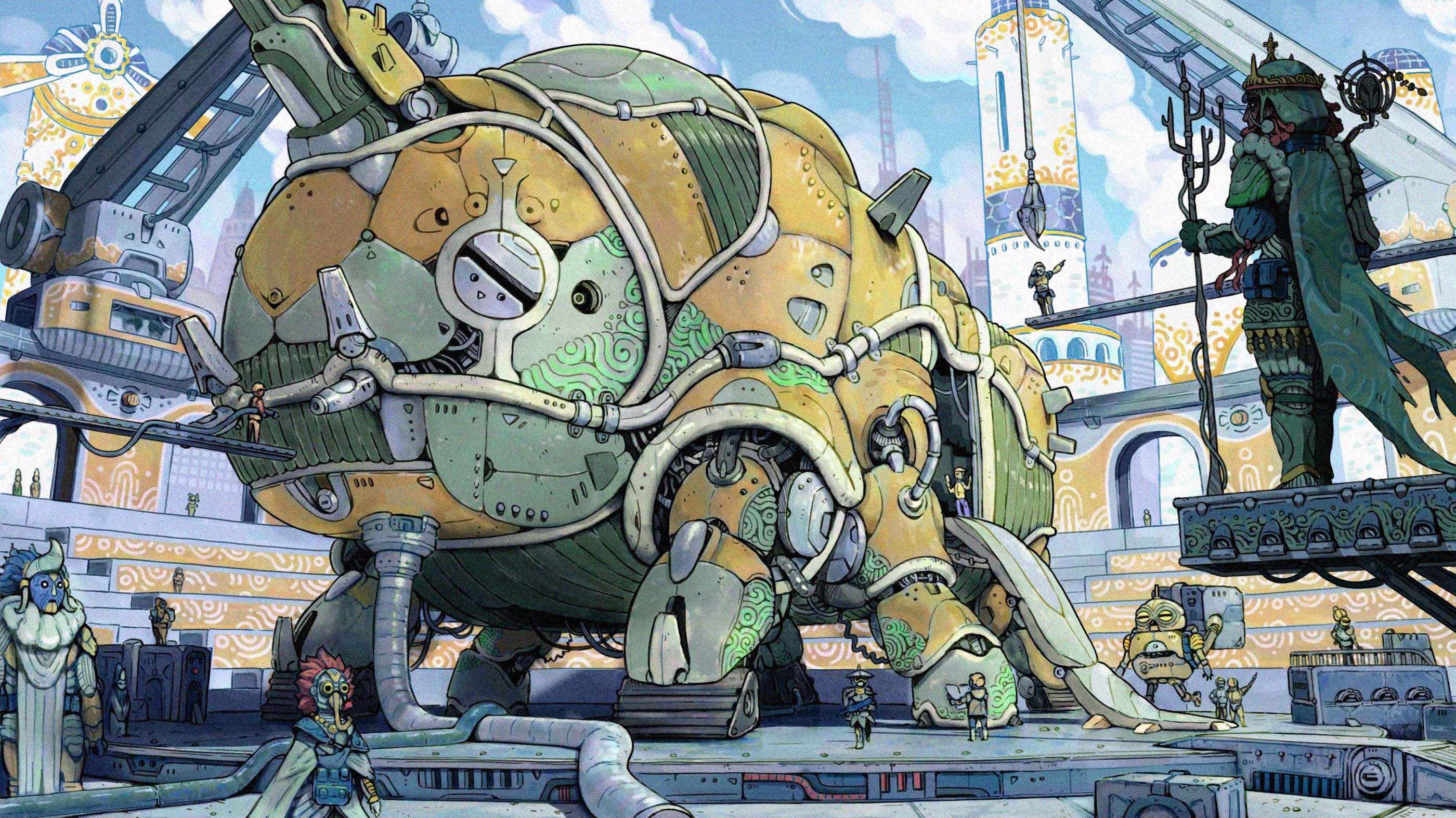
In the realm of "Environment Art," the showcase highlights the architectural and world-building prowess of developers. Double Fine’s Lee Petty is featured for his work on the "Skull Bridge" from Keeper, showcasing how negative space and structural design can dictate a player’s path and emotional state. Similarly, the "Absolum" environment art from DotEmu and the evocative "Muziris" concept from Speculative Agency illustrate the sheer scale of effort required to craft immersive, cohesive environments.
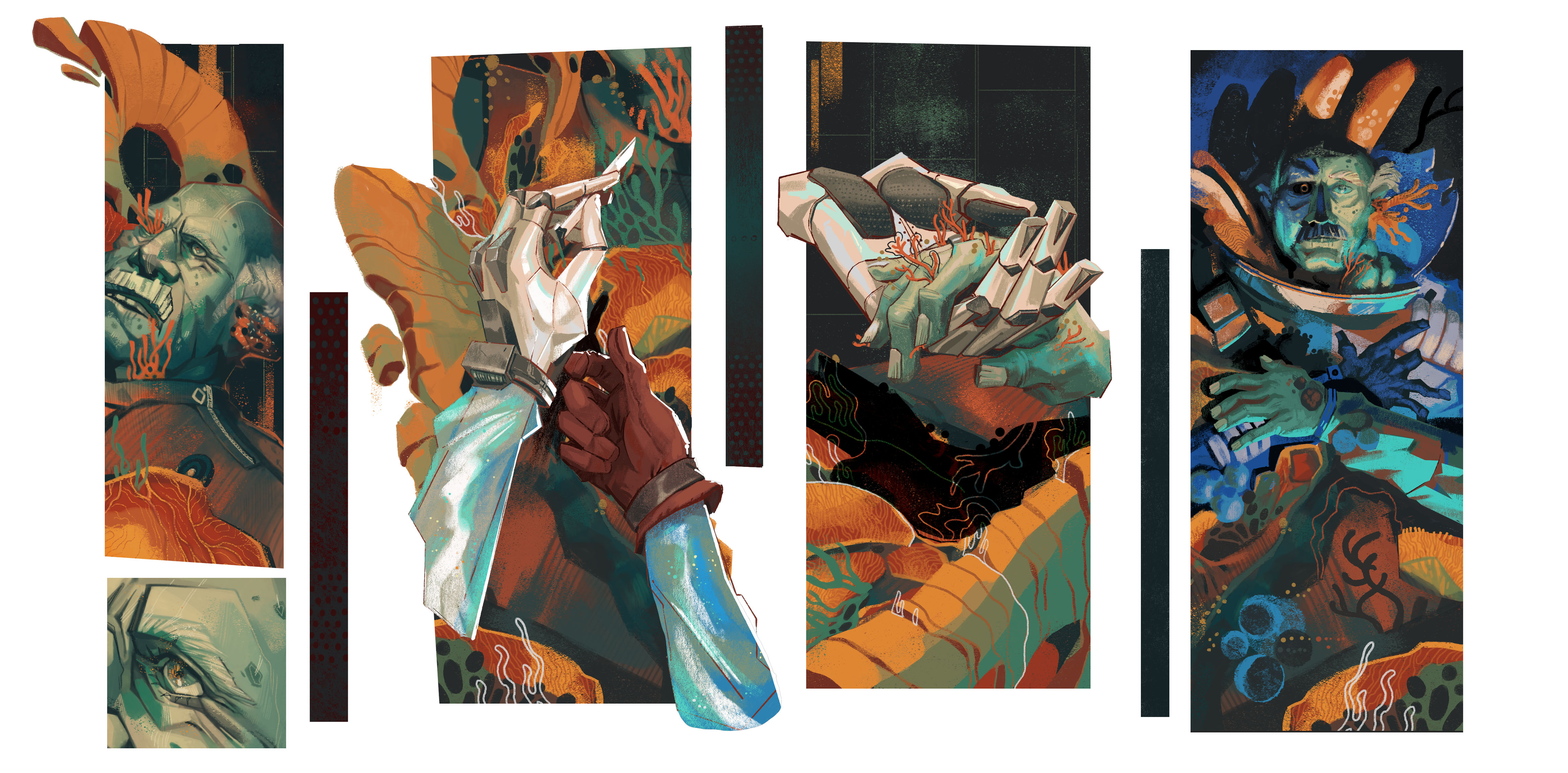
Storyboards and Iconography: The Language of Narrative
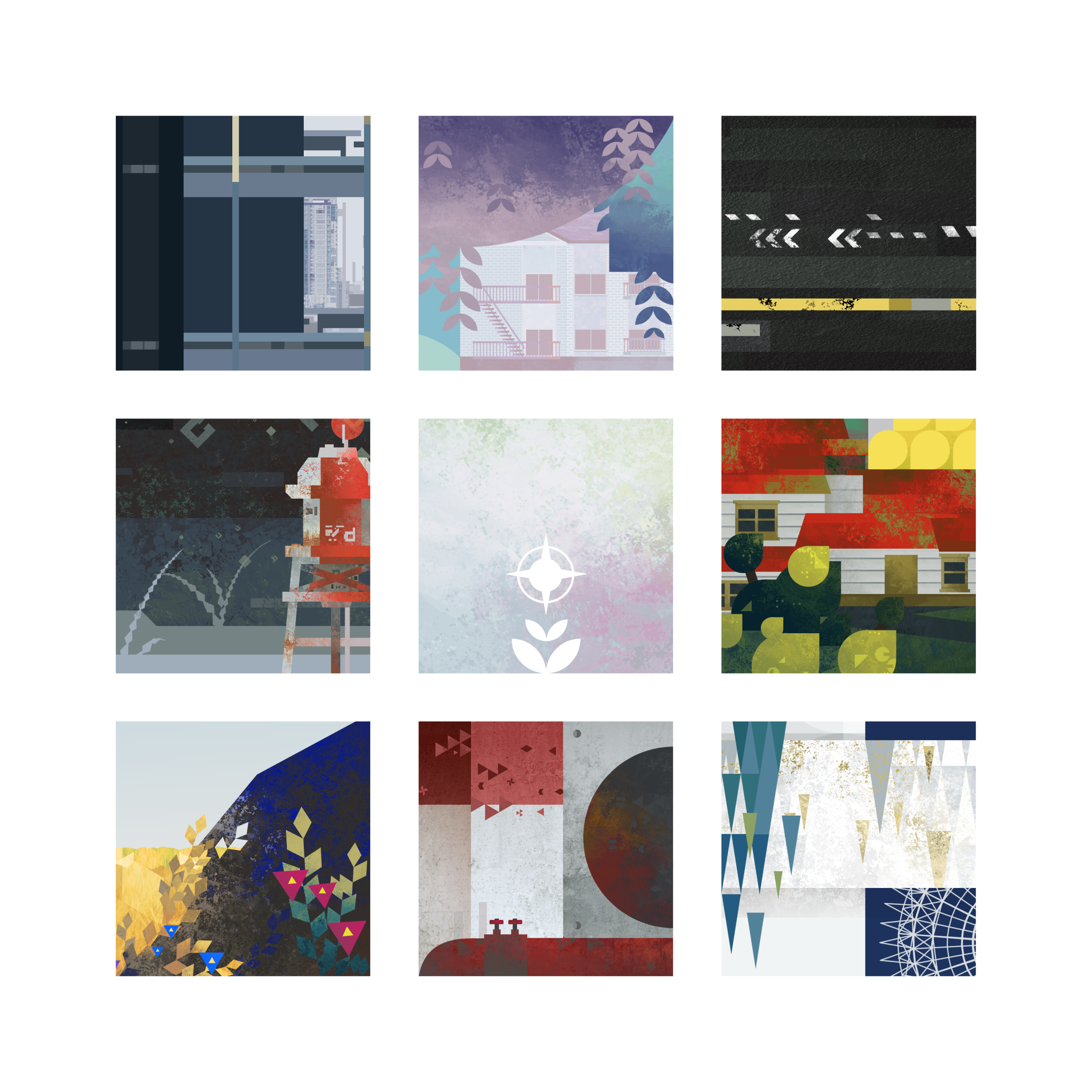
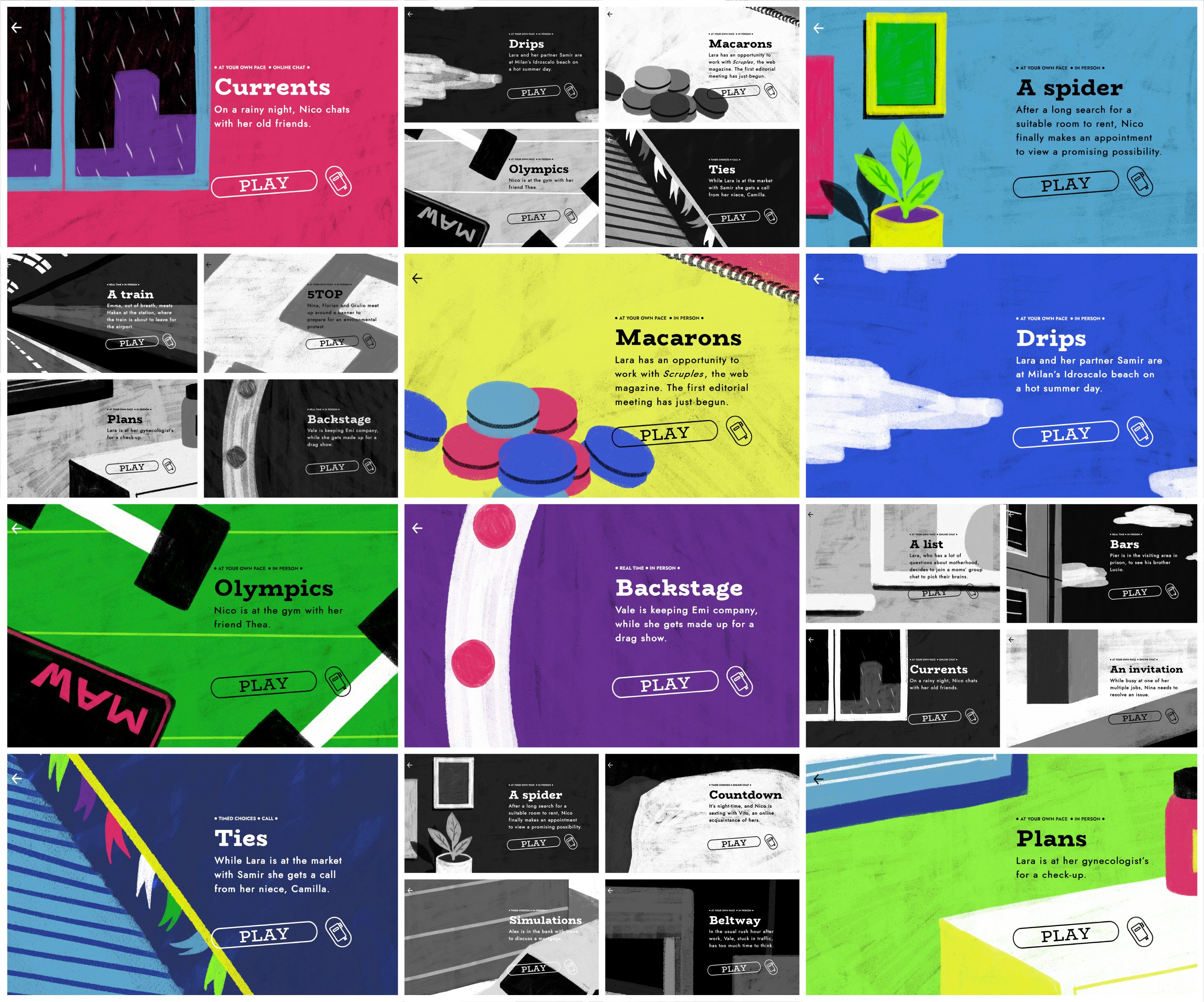
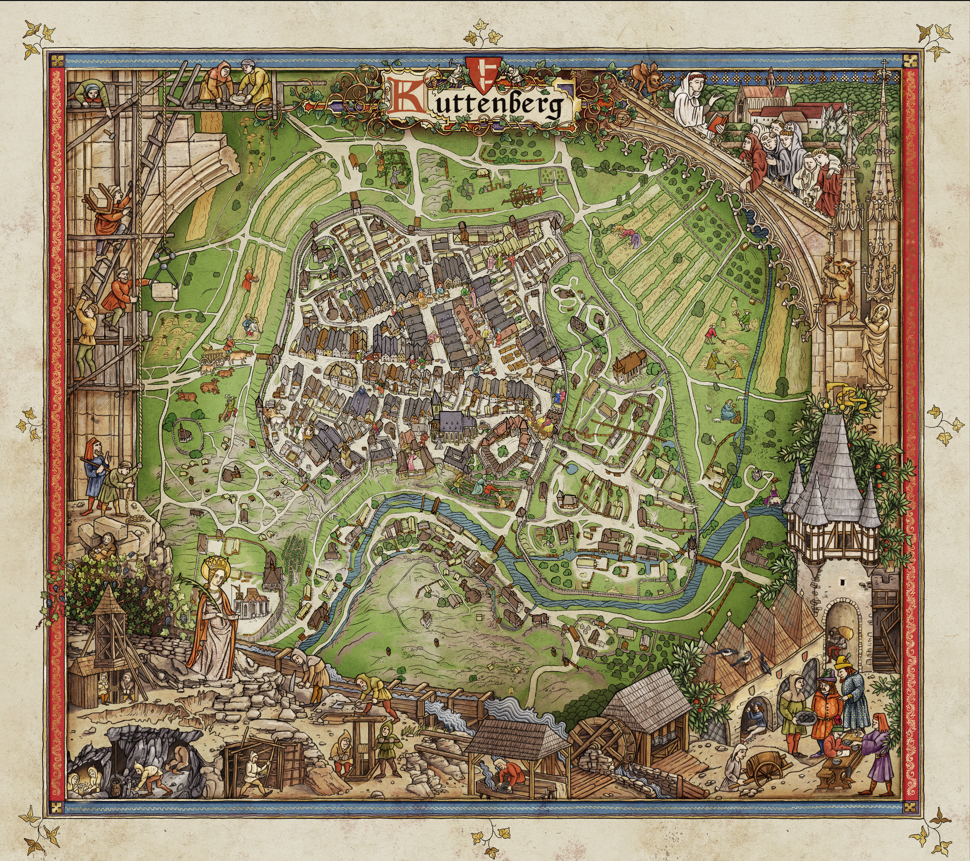
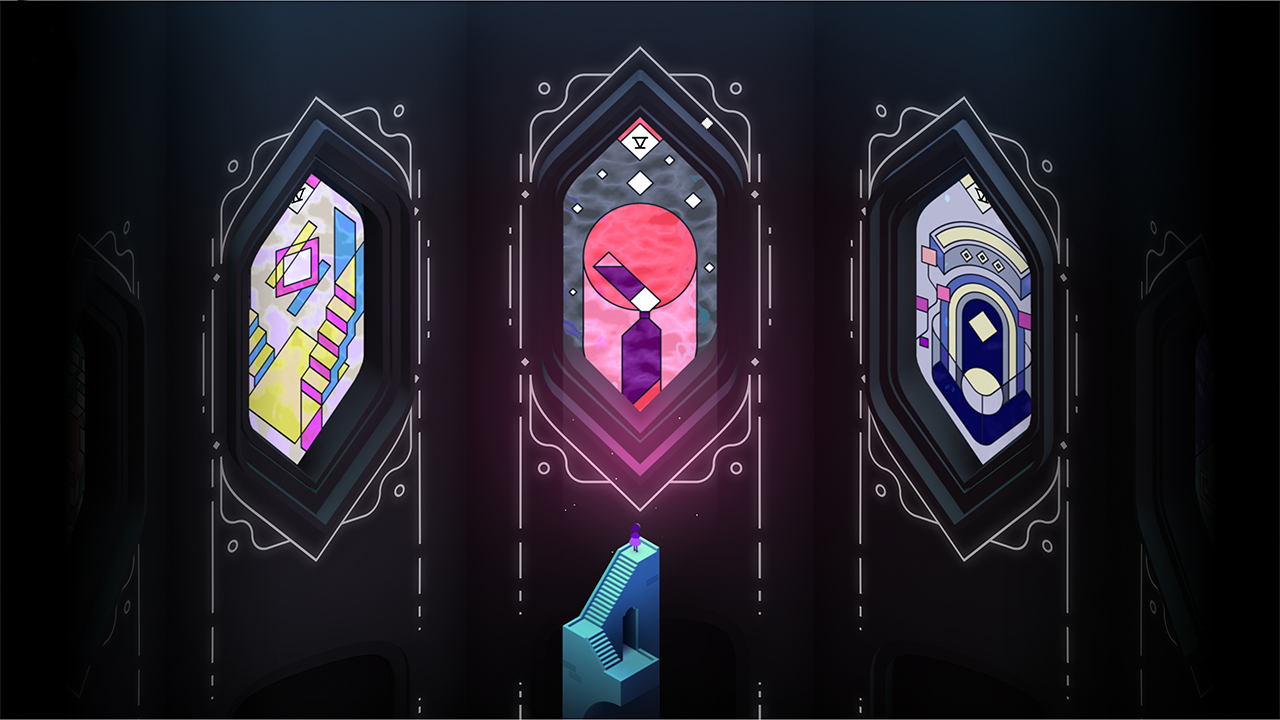
The "Storyboard" and "Iconography" sections provide a glimpse into the logistical backbone of game development. For projects like Borderlands 4 and Capcom’s PRAGMATA, the storyboards serve as the visual screenplay, ensuring that high-octane sequences remain coherent. Meanwhile, the inclusion of Monument Valley 3’s "Chapter Select" and Kingdom Come: Deliverance II’s "Kuttenberg Map" proves that iconography is essential for narrative immersion, acting as the quiet interface between the player and the game’s logic.
A Chronology of Artistic Recognition
The journey of the Game Maker’s Sketchbook began five years ago as a modest initiative to preserve game art in an era where digital assets are often ephemeral. Over the past half-decade, the project has evolved from a niche digital gallery into a marquee event within the industry’s summer calendar.
- Year 1-2 (The Foundational Phase): The initial showcases focused primarily on concept art, aiming to prove that game design was a fine art worthy of gallery status.
- Year 3 (The Expansion): The introduction of the "Curiosities" category allowed for the inclusion of non-traditional game assets, such as album covers and experimental sketches, broadening the scope of what constitutes "game art."
- Year 4 (The Impact Era): The focus shifted toward the social and narrative impact of art, highlighting how visual design can influence themes of empathy, mental health, and cultural representation.
- Year 5 (2026 – The Present): This year marks a maturation of the showcase, featuring a more globalized selection of studios and a deeper emphasis on the technical tools that empower artists to create these works.
Supporting Data and Philanthropic Impact
The significance of the Game Maker’s Sketchbook extends beyond mere exhibition. By offering high-quality, limited-edition prints for sale through the iam8bit store, the organizers have successfully turned artistic appreciation into tangible support for the industry’s future.

Proceeds from the 2026 prints will directly benefit nonprofit initiatives led by Day of the Devs and the AIAS Foundation. These organizations are critical to the health of the industry, providing scholarships for emerging artists, mentoring underrepresented voices, and ensuring that the next generation of game makers has access to the tools and networks necessary to succeed. The purchase window remains open until June 25, providing a narrow opportunity for fans to own a piece of gaming history while contributing to these vital causes.
Official Perspectives: Why the Sketchbook Matters
The sentiment from the participating developers is uniform: the Sketchbook is a necessary antidote to the industry’s tendency to prioritize the "finished" product over the "human" process.
"The art that doesn’t make the final cut is often as beautiful as the art that does," noted one representative from a participating studio. By elevating these sketches, the AIAS is effectively documenting the "evolution of an idea." This is not just a collection of pretty pictures; it is a clinical look at the trial-and-error process that defines modern software development.
The exhibition at Summer Game Fest: Play Days in Los Angeles (June 6-8) serves as the primary stage for this year’s collection. By placing these pieces in the same venue where major industry announcements are made, the Sketchbook reminds executives, journalists, and players alike that every feature announcement and trailer reveal is the result of thousands of hours of individual, artistic labor.
Implications for the Future of Game Design
The inclusion of categories like "Curiosities" and "Impact" signals a shift in how the industry views itself. We are no longer merely discussing the "best graphics" or "highest fidelity." We are now engaging in a discourse about the cultural value of game design.

- The Human Element vs. Automation: In an era where generative AI and automated art tools are threatening to homogenize digital creativity, the Game Maker’s Sketchbook serves as a defiant celebration of the "human touch." The visible brushstrokes, the notes in the margins of a storyboard, and the imperfections in a hand-drawn map are now more valuable than ever as indicators of intentional, human-led design.
- Archival Importance: By formalizing the collection of these assets, the AIAS is creating a permanent archive of the 2020s gaming zeitgeist. Future historians will look back at these sketchbooks to understand how we arrived at the aesthetic standards of the mid-2020s.
- Career Development: For the individual artists featured, the recognition provides more than just prestige. It validates their specific contributions, helping to establish individual brands within a corporate-dominated industry. It is a tool for professional visibility that can lead to better opportunities, higher salaries, and greater creative autonomy.
Final Thoughts: The Art Behind the Code
The 2026 Game Maker’s Sketchbook is a timely reminder that video games are not just technical achievements; they are, first and foremost, works of art. Whether it is the visceral, hand-drawn intensity of a storyboard for a triple-A title like Borderlands or the quiet, thoughtful iconography of a mobile hit like Monument Valley 3, these pieces tell a story of collaboration, passion, and immense technical skill.
For those interested in the industry’s evolution, the Game Maker Sketchbook website offers a deep dive into the specific techniques and stories behind this year’s selections. As we look toward the future of game development, it is clear that the most important tools aren’t just the software packages or the high-powered hardware—they are the hands, minds, and pencils of the artists who dare to dream up the worlds we inhabit.
As you navigate your next digital adventure, take a moment to consider the sketches that came before the code. Behind every pixel is a person, and behind every person is a story waiting to be told. The 2026 Game Maker’s Sketchbook ensures that those stories are not lost to the digital ether, but are instead preserved for posterity, celebrating the enduring power of human imagination in a machine-driven world.

 Neng Nana
 Reynand Wu