

In the realm of contemporary design, there is a profound satisfaction found in the elevation of the overlooked. For years, galleries have challenged artists to reimagine the utilitarian objects that populate our daily lives—transforming vintage envelopes, coffee coasters, and humble matchboxes into unique canvases for creative expression. This tradition of "constrained creativity" finds its latest and most luminous iteration in DUDD LITE, a sprawling, collaborative exhibition that turns its gaze toward the most modest of household staples: the nightlight.
Currently on view at The Future Perfect through June 26, DUDD LITE is a joint venture between the innovative design collective Dudd Haus and the renowned gallery The Future Perfect. The exhibition serves as a masterclass in material exploration, showcasing over 130 bespoke nightlights that occupy the delicate, fascinating space between pure sculpture and functional home appliance.
The Genesis of a Luminous Project
The story of DUDD LITE began with a simple, provocative question: Can an object designed solely for safety and low-level utility be transformed into a vessel for high-concept art?

Dudd Haus, known for their experimental approach to home goods, sought to democratize the gallery experience while simultaneously pushing established artists and emerging designers to work within a specific set of parameters. By choosing the nightlight—a device typically hidden in hallways or tucked behind furniture—they forced participants to grapple with light as a medium and intimacy as a design requirement.
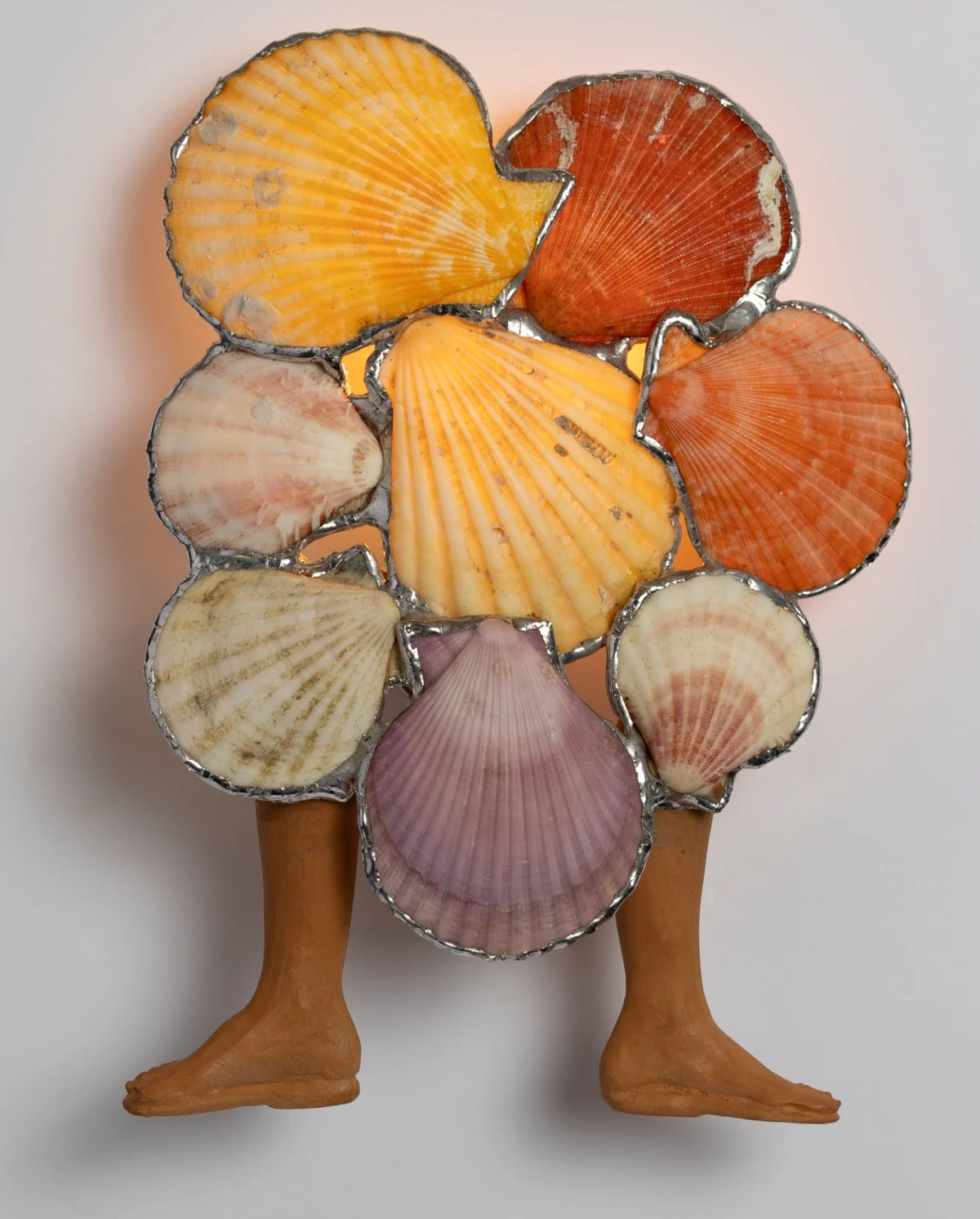
The selection process was exhaustive. Following a widely publicized open call that attracted nearly 400 submissions from across the globe, the curators had the daunting task of narrowing the field to the 130 pieces now occupying the gallery space. The result is a vibrant, eclectic, and at times surreal collection that spans a dizzying array of materials, including stained glass, reclaimed wood, delicate sea shells, industrial ceramics, and even raw cotton.
A Chronology of the Exhibition’s Development
To understand the magnitude of DUDD LITE, one must look at the timeline of its assembly, which reveals a deliberate effort to foster a community of makers:

- Early 2026 (Phase 1: The Open Call): Dudd Haus launched a digital campaign inviting artists to submit proposals. The prompt was loose, emphasizing the intersection of "domestic comfort" and "sculptural form." The response was immediate, with submissions arriving from a diverse range of disciplines, including architecture, fine art, and industrial design.
- March 2026 (Phase 2: The Curation): The curatorial team at The Future Perfect worked alongside Dudd Haus to evaluate the entries. Criteria focused on the innovative use of light diffusion, the tactile quality of the materials, and how the "nightlight" function was integrated—or subverted—by the design.
- April 2026 (Phase 3: Fabrication): Selected artists spent six weeks refining their prototypes. This period saw a surge of material experimentation as creators struggled with the practicalities of wiring, heat dissipation, and safety standards, all while maintaining their aesthetic vision.
- May 2026 (Phase 4: Installation): The final pieces were delivered to The Future Perfect. The installation was designed to mimic a constellation of small, disparate light sources, creating an immersive, ethereal atmosphere that feels like a dreamscape.
- June 2026 (The Exhibition Window): The show opened to the public, with a series of talks planned throughout the month to discuss the future of domestic lighting and the role of the "small object" in the luxury design market.
Materiality and Form: The Anatomy of the Collection
What makes DUDD LITE so compelling is the diversity of the participants’ interpretations. The nightlight is no longer just a plug-in bulb; it is a manifestation of the artist’s personal philosophy.
Consider, for example, James Burial’s Doom n’ Bloom. This sculptural wood piece leans into organic, chaotic forms, suggesting that even in the darkest hours, growth and complexity persist. Conversely, Nicholas Holmes’ Fire Light utilizes stained glass, a medium historically reserved for grand cathedrals, to create a miniature, glowing jewel that projects warmth into the room.
Then there is the playful subversion of the everyday, as seen in Mikei Huang’s Wavy Night Dancer. Drawing inspiration from the ubiquitous inflatable "tube men" found at car dealerships, Huang’s piece injects a sense of humor and kinetic energy into the bedroom. It is a stark contrast to the more meditative, textured works like Mark Dineen’s Rite Lite, which uses woven fibers to create a soft, diffused glow that feels like a tactile embrace.

The collection also touches upon the surreal and the literal. Chris Wolston’s Legs for Days integrates sea shells and figurative anatomy, challenging the viewer to consider the body as a source of light. Meanwhile, the piece titled Extension Cord Germination by the design collective Normalcy captures the aesthetic of growth and industrial tangle, reminding us that our homes are essentially networks of energy.
Data and Demographics: Who is Participating?
The exhibition provides an interesting case study in the current state of independent design. Analysis of the 130 featured works reveals:
- Material Breakdown: Approximately 40% of the pieces utilize sustainable or reclaimed materials, signaling a growing consciousness in the design world regarding the ecological footprint of consumer goods.
- Geographic Reach: Participants hail from 14 different countries, highlighting the global nature of the digital open call process.
- Professional Background: While 60% of the participants come from professional design or architecture backgrounds, a significant 40% represent self-taught makers or fine artists who had never previously created a functional household product.
- Price Point Distribution: The works range from accessible, limited-edition designs to one-of-a-kind sculptural commissions, allowing the gallery to engage both seasoned collectors and first-time art buyers.
Official Responses and Curatorial Intent
Representatives from Dudd Haus have described the exhibition as a "rebellion against the beige." In an official statement, the collective noted: "We spend so much of our lives curating our homes, yet we often leave the functional details to mass-market production. DUDD LITE is about reclaiming those small, necessary moments of illumination and making them expressions of joy."

The Future Perfect has championed the show as a testament to the gallery’s commitment to "the art of the possible." By hosting DUDD LITE, the gallery is signaling a shift toward more accessible, small-scale works that allow collectors to engage with the creative process without the barrier of massive, furniture-sized investments.
Critics have praised the exhibition for its lack of pretension. By focusing on the nightlight, the artists have stripped away the ego often associated with "Fine Art," allowing for a more playful, experimental atmosphere where the audience can genuinely engage with the objects on display.
Implications for the Future of Domestic Design
The success of DUDD LITE carries significant implications for the future of the design industry.

First, it validates the "open call" model as a powerful tool for discovering talent. By lowering the barrier to entry, Dudd Haus was able to surface unique voices that traditional gallery representation might have missed. This may signal a permanent change in how high-end galleries source new talent, moving away from exclusive networks toward more inclusive, submission-based structures.
Second, the exhibition highlights the growing desire for "whimsical utility." In an era of increasing digital saturation and screen-based fatigue, there is a tangible hunger for physical objects that offer comfort, light, and a sense of wonder. The nightlight is a low-stakes object that nevertheless has a high impact on the mood of a living space.
Finally, DUDD LITE suggests that the line between fine art and industrial design is continuing to blur. When a nightlight is treated with the same reverence as a sculpture, it forces us to re-evaluate what we deem "art." Is it the prestige of the artist, the material cost, or the emotional resonance that defines an object’s value? The participants of DUDD LITE argue that it is the latter.

As visitors walk through the installation at The Future Perfect, they are not just looking at lamps; they are looking at a snapshot of contemporary creativity. Each nightlight, in its own small, glowing way, acts as a beacon of human ingenuity, reminding us that even the most mundane corner of our lives can be transformed into something extraordinary.
DUDD LITE is more than just an exhibition; it is an invitation to look at our homes—and the objects that populate them—with fresh eyes. It is a reminder that beauty is not reserved for the pedestal; it is meant to be plugged in, turned on, and shared in the quietest hours of the night.









No comments yet. Be the first to join the conversation!