

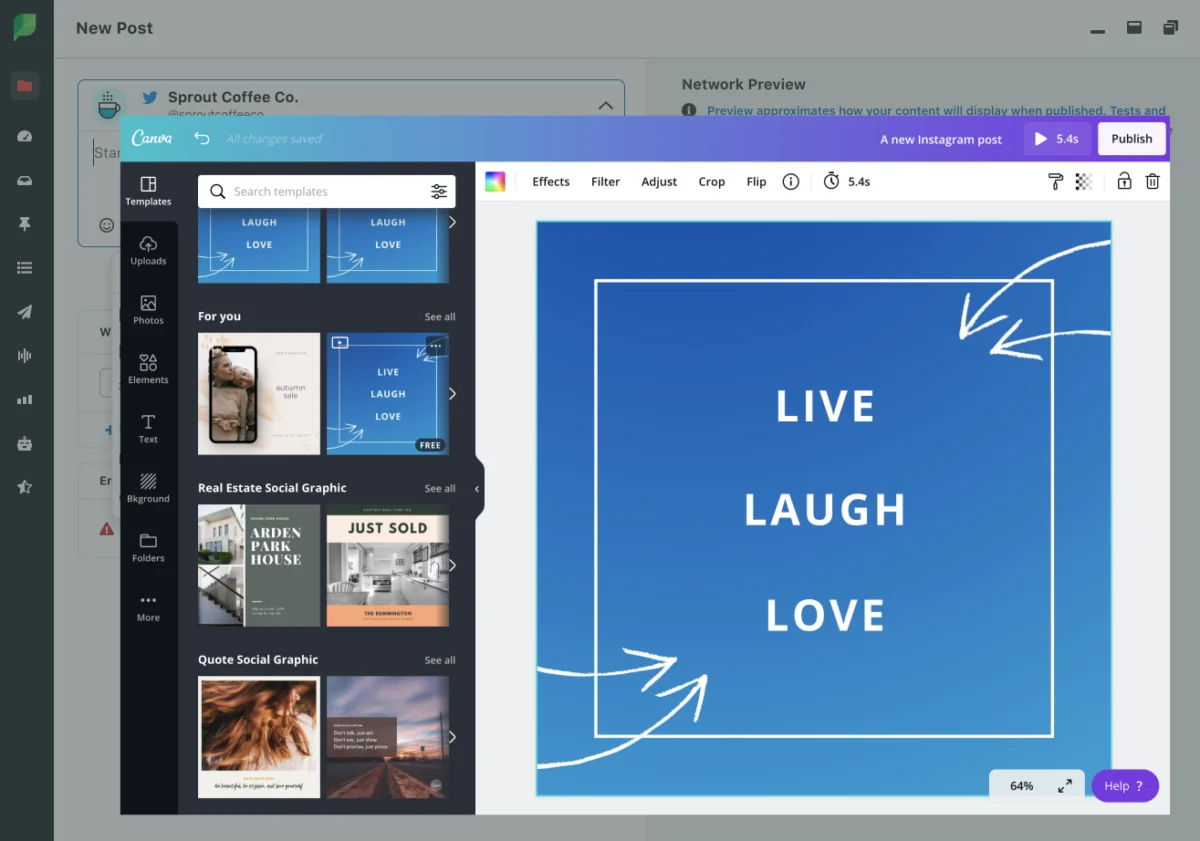
For many social media teams, the journey begins in the "native stack." Because the apps are free, familiar, and accessible, marketers often start by managing Facebook, Instagram, LinkedIn, TikTok, and X through their individual interfaces. It is a logical starting point for startups and solopreneurs. However, as organizations scale, this decentralized approach—characterized by constant logging in, manual data entry, and fragmented workflows—inevitably creates a ceiling on productivity.
Today, the industry is seeing a significant shift. As social media evolves from a brand awareness channel into a critical driver of business intelligence and revenue, the limitations of native tools are becoming a liability. Companies like Sprout Social are leading this transition with unified platforms like "Essentials," a solution designed to replace the chaotic manual stack with a streamlined, data-backed command center.
The Evolution of Social Media Management: From Manual to Unified
The Early Days: The "Native-Only" Era
In the infancy of social media, the primary goal was presence. Posting sporadically was sufficient, and "reporting" often meant looking at a simple like count on a profile page. The workflow was simple: open an app, upload a photo, write a caption, and hit publish.
The Complexity Tipping Point
As brands began to prioritize social as a pillar of their marketing strategy, the requirements grew exponentially. A modern social campaign now requires:

- Omnichannel consistency: Ensuring the brand voice is uniform across visual and written formats.
- Strategic scheduling: Moving away from "posting when you feel like it" toward data-driven, optimal engagement windows.
- Proving ROI: Connecting social activity to website clicks, lead generation, and ultimately, the bottom line.
When a team manages five or more profiles natively, the operational tax becomes staggering. The "context switching"—constantly toggling between browser tabs, re-authenticating credentials, and adjusting creative assets for different platforms—drains the mental energy that should be reserved for high-level strategy and creative development.
The Anatomy of the Efficiency Gap: Why Native Tools Fail at Scale
The friction experienced by growing teams is not just a nuisance; it is a systemic inefficiency that hampers growth.
1. The Friction of Context Switching
Each social network maintains its own distinct ecosystem. When a marketer manages multiple platforms natively, they are essentially performing the same task in five different ways. This creates a "logistics bottleneck." Every minute spent navigating login screens or re-uploading assets to separate platforms is a minute stolen from the core business objectives: creative brainstorming, audience research, and campaign optimization.
2. The Data Fragmentation Crisis
Native analytics are designed to keep you on their platform, not to help you run a business. When an executive asks, "How did social impact our bottom line this quarter?" the native-only marketer is forced to perform manual labor. They must pull CSVs from LinkedIn, screenshots from Instagram, and notes from TikTok, then stitch them together in a spreadsheet. This process is not only prone to human error but also leads to "version control" issues where different stakeholders have different interpretations of the data.
3. The "Brand Drift" Problem
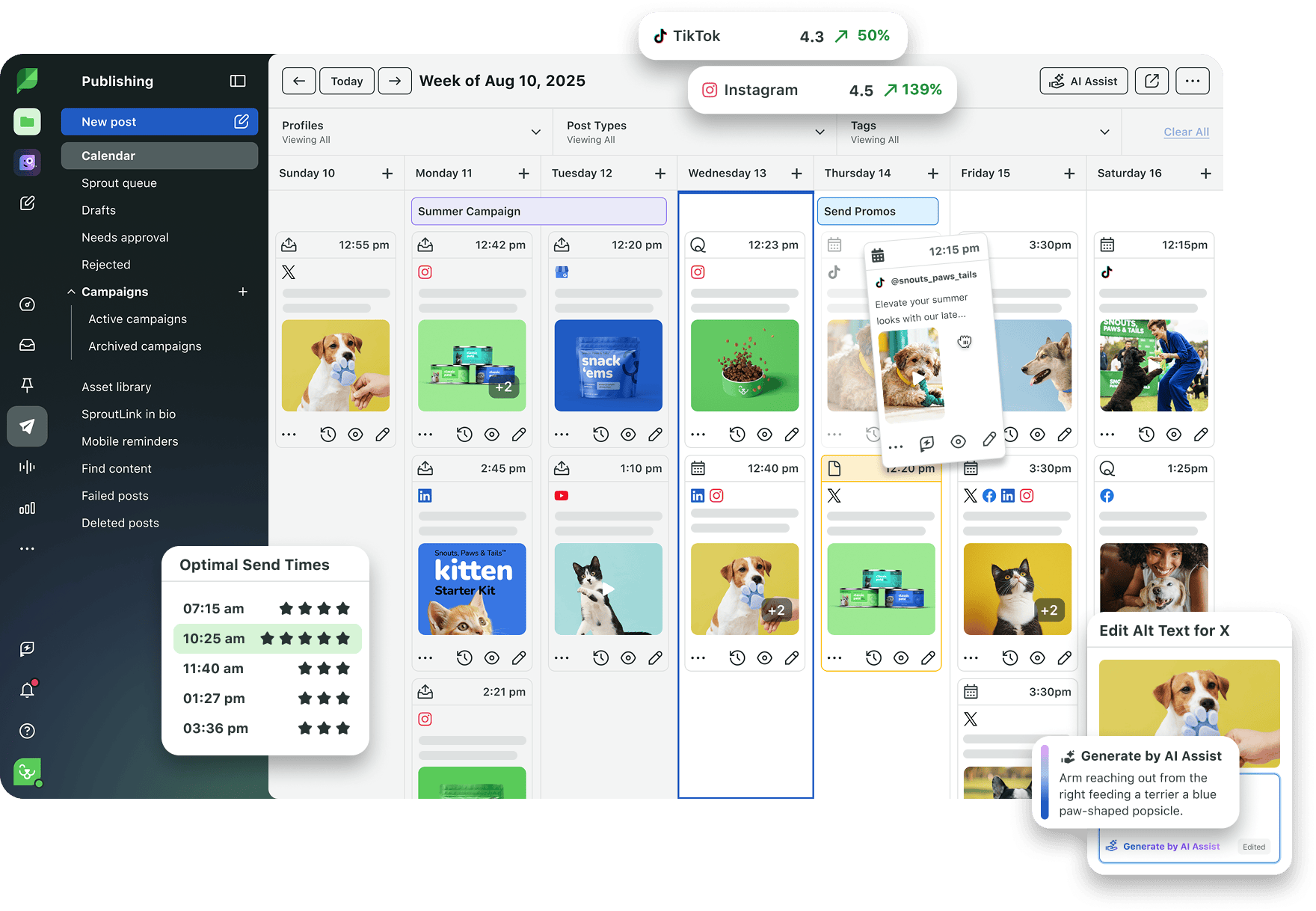
When creative assets and copy are managed in disparate silos, consistency suffers. Without a unified calendar or a centralized asset library, it is easy for a brand’s voice to shift unintentionally. If a team member schedules a post on LinkedIn while another manages the Instagram presence without a shared view, the result is often a fragmented brand identity that confuses the consumer.
The Unified Solution: Introducing Sprout Social Essentials
Sprout Social Essentials represents a strategic pivot for small-to-mid-sized businesses. It acts as a "single source of truth," consolidating the entire social lifecycle—planning, publishing, and reporting—into one dashboard.
Core Capabilities
- Centralized Calendar: A visual, drag-and-drop interface that allows teams to see the entire social schedule across all platforms at a glance.
- Advanced Publishing: Users can draft a core piece of content and then customize it for each platform (e.g., adding hashtags for Instagram or tagging specific handles on LinkedIn) without leaving the interface.
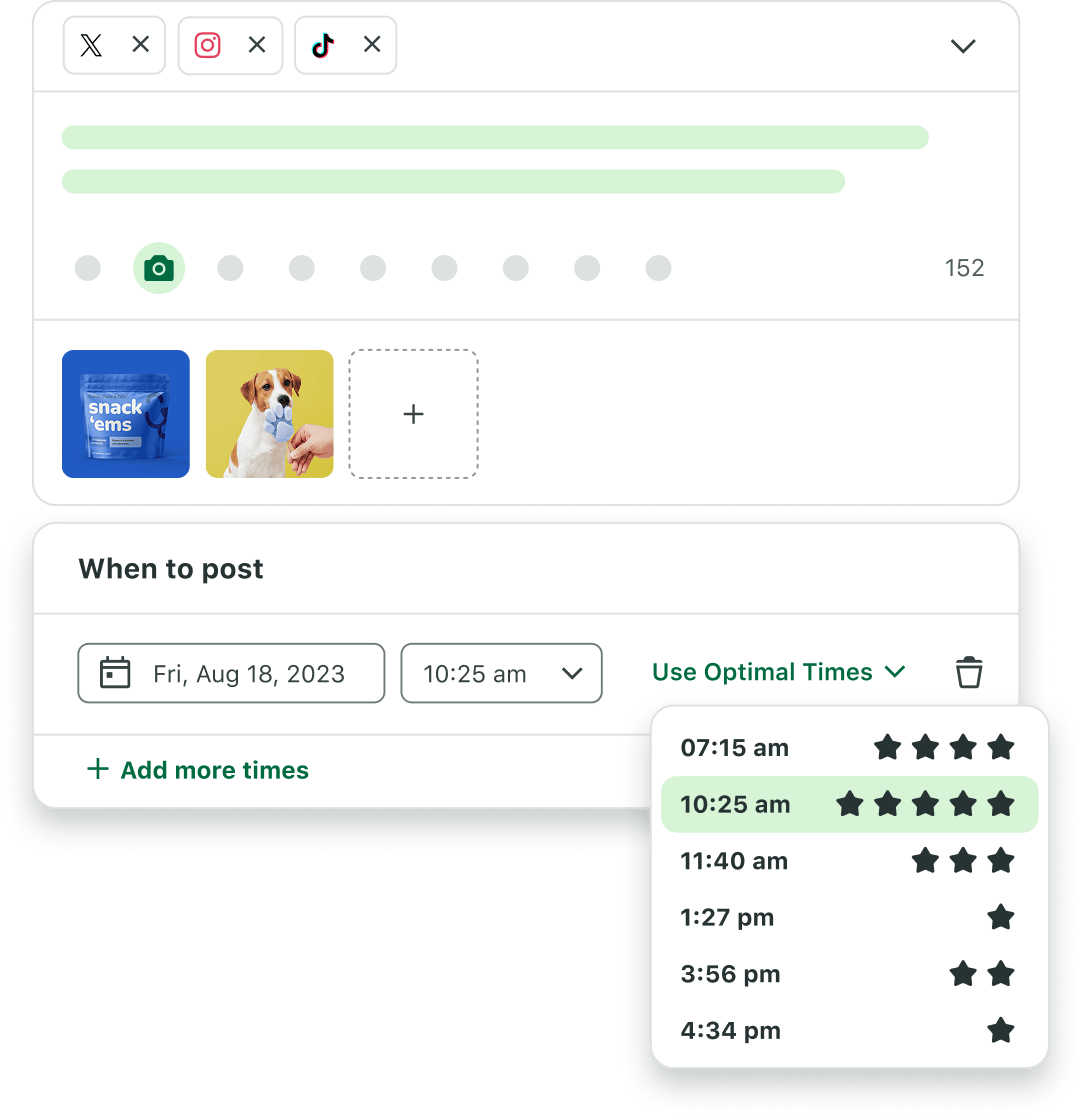
- AI-Powered Optimization: Utilizing technology like ViralPost®, the platform analyzes audience engagement patterns to suggest the exact moment a post should go live to maximize reach, moving scheduling from a guessing game to a science.
Supporting Data: The ROI of Consolidation
The impact of shifting from native tools to a platform like Sprout Social Essentials is measurable. According to user reports and industry benchmarks, the time savings are profound.
- Reclaiming Productivity: If a brand posts 12 times a week across five networks, that is roughly 3,000 posts annually. If an integrated tool saves even two minutes per post in manual navigation, uploading, and formatting, the team reclaims over 100 hours per year—more than two full work weeks.
- Engagement Lift: Teams that move from "instinct-based" scheduling to AI-driven optimal send times frequently report a significant uptick in reach—sometimes as high as 60%—without increasing their content output.
- Reporting Velocity: What used to take hours of manual data aggregation can now be generated in minutes. Because the platform pulls data into a unified, shareable report, the focus of the meeting shifts from "where did these numbers come from?" to "what do these insights mean for our next campaign?"
Implications for Modern Marketing Teams
The move to a unified platform is not merely a change in software; it is a change in the culture of a marketing department.

Professionalization of the Social Role
When a team spends less time on administrative logistics, they can spend more time on high-level initiatives. This elevates the role of the social media manager from "content poster" to "strategic growth partner." It allows for more rigorous A/B testing, deeper audience segmentation, and a more sophisticated approach to the marketing funnel.
Data-Driven Decision Making
The biggest implication for leadership is the ability to tie social performance to real business outcomes. With consolidated reporting, stakeholders can see exactly which platforms are driving the most traffic to the website or generating the highest engagement rates. This allows for more informed budget allocation—knowing where to invest resources and where to cut back.
Scalability and Future-Proofing
As the landscape of social media continues to fragment—with new platforms emerging and algorithms changing constantly—the ability to adapt quickly is vital. A unified platform provides the infrastructure to pivot. Whether a brand needs to add a new channel or launch a new global campaign, the centralized workflow remains stable.
How to Know You’ve Outgrown the Native Stack
If you are currently evaluating your team’s efficiency, consider these five warning signs that you have outgrown native tools:
- The "Logistics Trap": You spend more time copying, pasting, and logging in than you do on creative strategy.
- The Reporting Wall: You are unable to answer high-level business questions (e.g., "What is the total ROI of our social activity?") without spending hours in Excel.
- The Manual Tax: Creating a monthly report is a dreaded, multi-hour task rather than a quick, automated check-in.
- Brand Drift: Your content feels inconsistent because your team lacks a shared calendar and unified asset repository.
- The Guesswork Phase: You are still choosing your posting times based on gut instinct or competitors’ patterns rather than audience-specific data.
Conclusion: Investing in Scalability
The most successful brands are those that treat social media not as an afterthought, but as a core business function. By removing the friction of a decentralized "native stack," teams can shift their focus from the mechanics of publishing to the art of community building and brand storytelling.
For small-to-mid-sized businesses, the cost of $79 per seat/month for a tool like Sprout Social Essentials is often dwarfed by the value of the time recovered and the strategic clarity gained. In an era where digital presence is the first touchpoint for most customers, the tools you use to manage that presence aren’t just an expense—they are an investment in the growth of your business.
For those ready to move beyond the native stack, a 30-day trial can serve as the litmus test for whether your team is ready to scale. The question is no longer whether you can afford a social media management platform, but rather, can you afford the cost of remaining stuck in the manual grind?











No comments yet. Be the first to join the conversation!