Dwi Wanna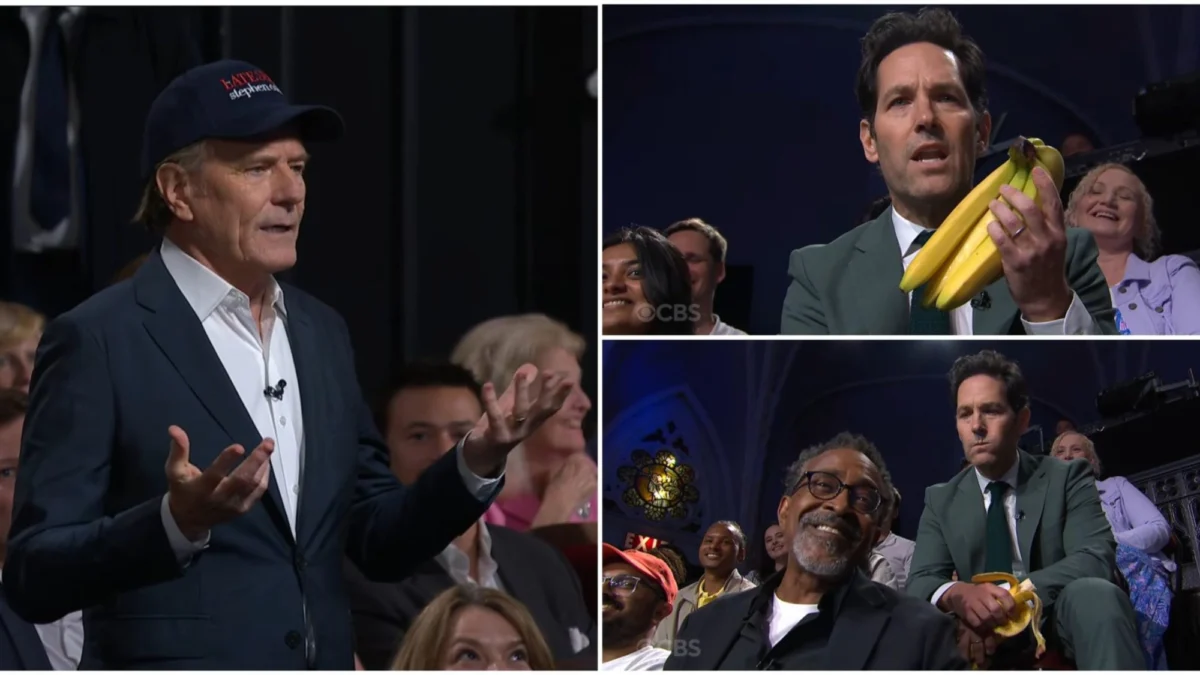
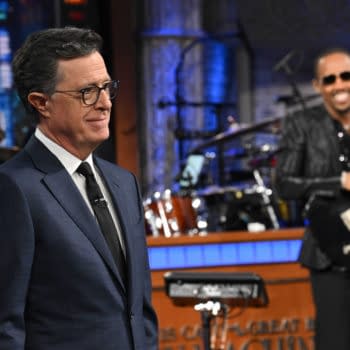
The landscape of American late-night television underwent a seismic shift on May 21, 2026, as Stephen Colbert delivered his final monologue for CBS’s The Late Show with Stephen Colbert. After an influential 11-year run that saw the program navigate some of the most volatile political and cultural periods in modern history, the comedian concluded his tenure with a blend of characteristic wit, profound reflection, and a star-studded farewell that underscored his enduring impact on the medium.
The Final Monologue: A Star-Studded Interruption
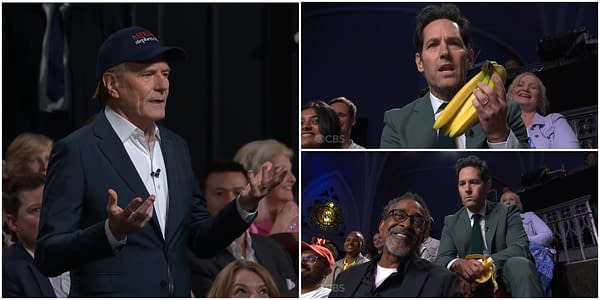
If Stephen Colbert harbored any hopes of a quiet, reflective final monologue, those expectations were quickly dismantled. In a classic late-night comedic bit, the solemnity of the occasion was punctured by the unexpected arrivals of three Hollywood heavyweights: Bryan Cranston, Paul Rudd, and Tim Meadows.
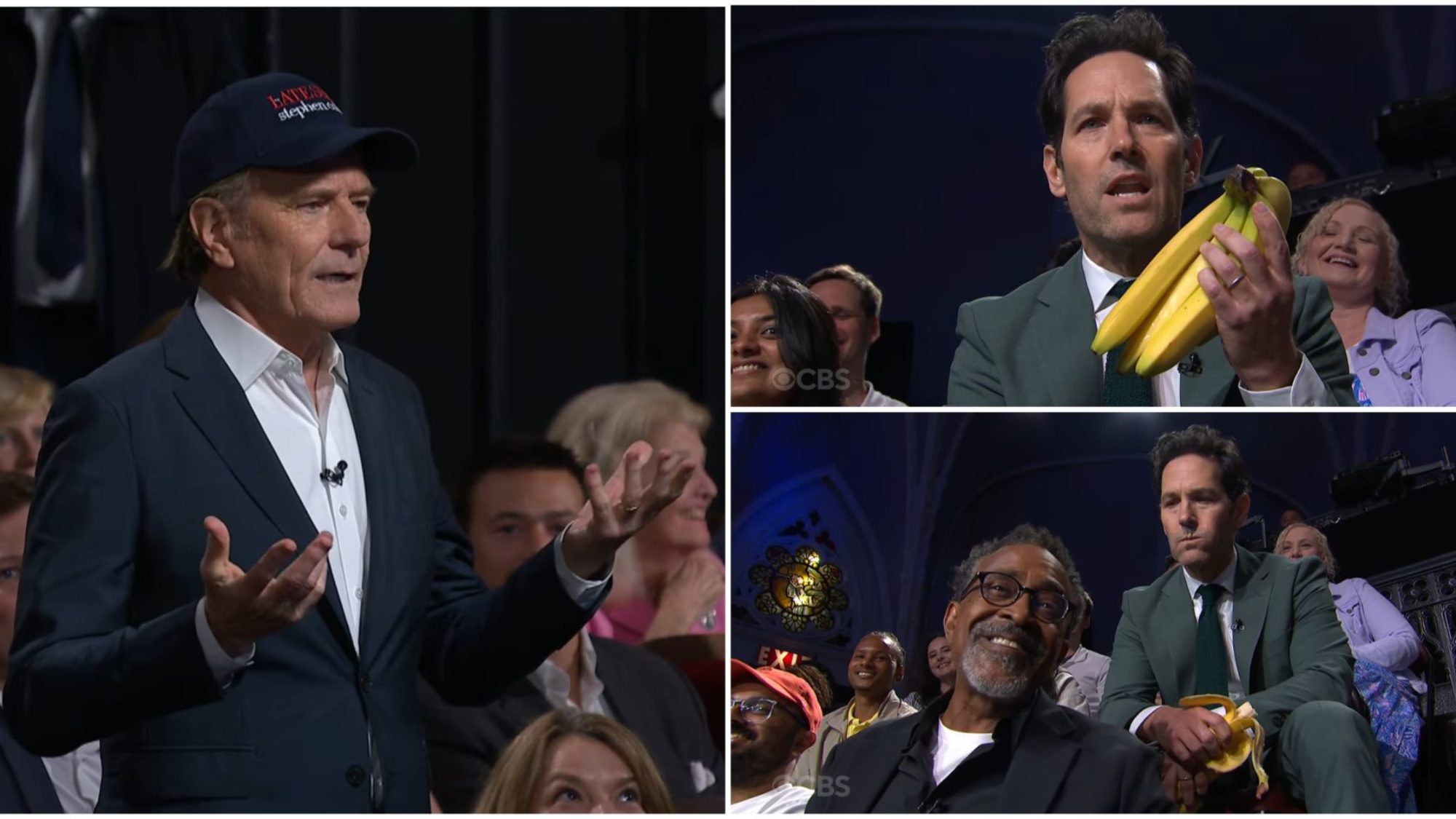
Each actor "crashed" the stage under the guise of feeling slighted that they had not been selected as the final guest for the historic broadcast. The ensuing segment served as a masterclass in improvisational comedy, with the three stars vying for the spotlight—and eventually having their "hearts broken" upon realizing that the production would not be indulging in the typical tropes of a "special" final episode. The segment, which quickly went viral, served as a microcosm of Colbert’s ability to weave celebrity culture into the fabric of his intellectual, news-driven discourse.
A Legacy of "Feeling the News"
To understand the significance of this finale, one must revisit the foundational ethos Colbert established at the very beginning of his CBS tenure. During his opening remarks, Colbert reflected on the transition from his satirical roots on The Colbert Report to his role as a traditional late-night host.
"On night one of The Colbert Report, I said, ‘Anyone can read the news to you. I promise to feel the news at you,’" Colbert reminded his audience. "And I realized pretty soon in this job that our job over here was different. We were here to feel the news with you."
This "reciprocal emotional relationship"—a term explicitly defined by his bandleader, Jon Batiste (referenced as "Lewis" in the broadcast)—became the bedrock of the show’s success. Colbert’s approach was never just about the punchline; it was about the communal experience of processing national trauma, political anxiety, and cultural milestones alongside his audience. Over 11 years, he moved from being a performer to a moderator of the American conscience, turning the late-night desk into a space for catharsis.

Chronology: 11 Years of Evolution
The trajectory of The Late Show with Stephen Colbert is a timeline of modern American media.
- 2015: Colbert takes over the reins from David Letterman, bringing a high-concept, intellectual edge to the Ed Sullivan Theater.
- 2016–2020: The show experiences a massive ratings surge as it becomes the premier destination for sharp, nightly critiques of the Trump administration. Colbert’s "monologue-first" approach becomes the industry standard.
- 2020: The COVID-19 pandemic forces a radical pivot. Filming from home, Colbert strips the show of its studio artifice, engaging in deeply personal, often vulnerable conversations that arguably deepen his bond with his audience.
- 2021–2025: The show stabilizes into a reliable, ratings-dominant force, cementing its place as the leader in the late-night landscape.
- May 21, 2026: The final episode airs, featuring an homage to the history of the medium and a final, emotional sign-off to his loyal viewership.
The Pantheon of Late-Night History
In a poignant segment designed to honor the lineage of the genre, the production team unveiled a tribute featuring a veritable "who’s who" of late-night television. The montage was a sweeping historical survey, showcasing giants such as Johnny Carson, Jack Parr, Steve Allen, and Jack Benny, alongside modern titans including Jon Stewart, Jimmy Kimmel, Seth Meyers, John Oliver, and Conan O’Brien.
This inclusion was not merely an aesthetic choice; it was a symbolic passing of the torch. By positioning himself within this continuum, Colbert acknowledged that his show was but one chapter in a much longer narrative of American broadcast history. The presence of trailblazers like Joan Rivers and Dick Cavett alongside current stars like Samantha Bee and Trevor Noah emphasized the evolution of the talk show format from variety-based entertainment to a primary source of cultural commentary.
Official Responses and Industry Impact
The industry reaction to Colbert’s departure has been one of universal reverence. CBS executives noted that The Late Show remained a pillar of the network’s identity throughout his tenure, maintaining profitability and critical relevance even as the broader linear television market faced existential threats from streaming and social media.
"Stephen didn’t just host a show; he curated a nightly conversation," said one industry analyst. "His ability to synthesize complex, often divisive, news cycles into digestible, humorous, and deeply human segments set the bar for the entire genre."
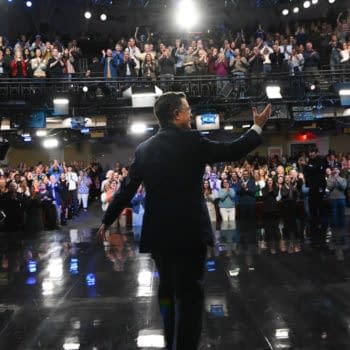
Colbert’s own response to the end of this chapter remained humble. During his final address to the studio audience, he stated, "We love doing this show for you, but what we really, really love is doing this show with you." He concluded with the same phrase he has used for over a decade: "Have a good show. Thanks for being here, and let’s do it, y’all."
Implications for the Future of Late-Night
The conclusion of Colbert’s run raises significant questions about the future of the late-night talk show. As audiences increasingly shift toward on-demand digital content, the "monologue-and-interview" format faces a crisis of relevance.
Colbert’s success was predicated on his ability to foster a parasocial connection that felt genuine, even through a screen. His departure leaves a void in the late-night hierarchy that will be difficult to fill. With the rise of TikTok-style short-form content and the fragmentation of the television audience, the "appointment viewing" model that sustained The Late Show for over a decade may be entering its twilight.
Furthermore, the industry is closely watching to see how CBS will fill the vacancy. The challenge lies in finding a personality who can balance the traditional requirements of the role—celebrity interviews, musical performances, and sketch comedy—with the kind of social and political relevance that audiences have come to expect in the post-Colbert era.
A Final Reflection
Stephen Colbert’s tenure at The Late Show will be remembered as a bridge between the traditional era of broadcast television and the modern, digital-first landscape. He successfully transitioned from a character-based satirist to a legitimate late-night institution, proving that there is still a place for thoughtful, sustained discourse in the often-chaotic world of late-night entertainment.

As the lights dim in the Ed Sullivan Theater for the last time under his stewardship, the legacy remains clear: Colbert did not just read the news; he ensured that his audience was never alone in the experience. Whether it was the comedic interference of Cranston and Rudd or the somber weight of his final farewell, his show remained a testament to the power of shared human connection in a fragmented world.
While the curtain has fallen on this specific iteration of The Late Show, the influence of the man who redefined it will undoubtedly continue to shape the next generation of late-night hosts. As Colbert steps away from the desk, he leaves behind a medium that is more self-aware, more emotionally resonant, and more deeply connected to its audience than it was when he first walked onto that stage 11 years ago.

 Sagoh
Sagoh
 Ammar Sabilarrohman