

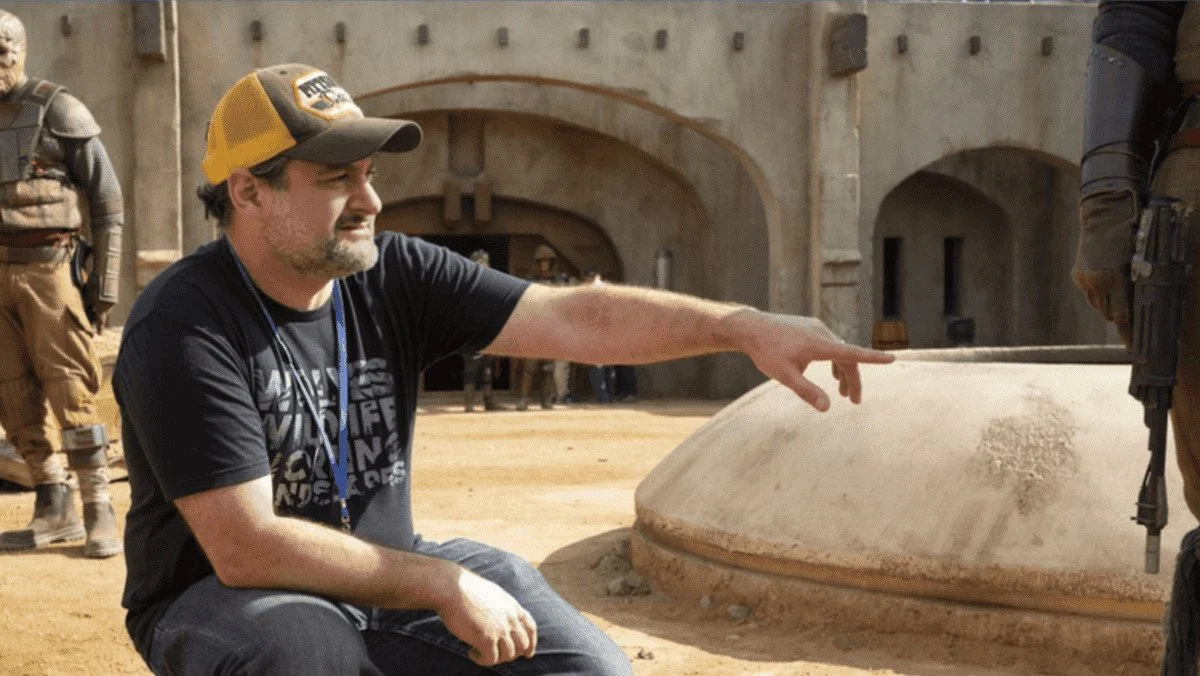
When a new Star Wars feature film arrives in theaters, the cultural expectation is almost a Pavlovian response: fans immediately begin scanning the background for iconic silhouettes, lightsaber hums, or the familiar cadence of legacy characters. In an era where the “cameo culture” has become a cornerstone of major franchise storytelling—from the MCU to the sprawling reaches of the Star Wars galaxy—the absence of high-profile guest stars can feel like a departure from the norm.
However, The Mandalorian and Grogu, the recent cinematic transition for Din Djarin and his Force-sensitive companion, subverts these expectations entirely. Rather than relying on fan-service injections of legacy characters, the production opted for a series of “deep-cut” cameos that serve as a love letter to the people who actually built the Star Wars television universe.
Main Facts: A Meta-Narrative Approach
The primary surprise in The Mandalorian and Grogu is not a long-lost Jedi or a surprise Sith return, but a meta-commentary on the creative process itself. As the film reaches its explosive climax—specifically during the New Republic’s tactical strike on the Hutt fortress on Nal Hutta—the cockpit view of the X-wing pilots reveals a “who’s who” of the Lucasfilm creative team.
Rather than utilizing stunt performers or nameless background extras, the production team placed the architects of the series directly into the flight suits. This creative choice serves to honor the individuals who have spent years expanding the Star Wars lore through streaming television, effectively embedding them into the cinematic history of the franchise.

Chronology: The Sequence of Appearances
The cameos are strategically placed during the film’s high-stakes third act. Following the intense battle against The Twins and their hired bounty hunters—a sequence that highlights the synergy between Din Djarin, Grogu, and their Anzellan allies—the narrative shifts to the intervention of the New Republic.
- The Aerial Assault: As the New Republic squadron descends upon Nal Hutta to dismantle the Hutt fortress, the pilots are revealed to be the series’ primary directors and executive producers. This sequence serves as the film’s most overt nod to the behind-the-scenes talent.
- The Shakari Salt Bar: Earlier in the film, during the sequence where Din Djarin causes significant chaos in a local watering hole on Shakari, eagle-eyed viewers can spot Dave Filoni. His appearance acts as a grounding element, a “where’s Waldo” of sorts for the dedicated fanbase.
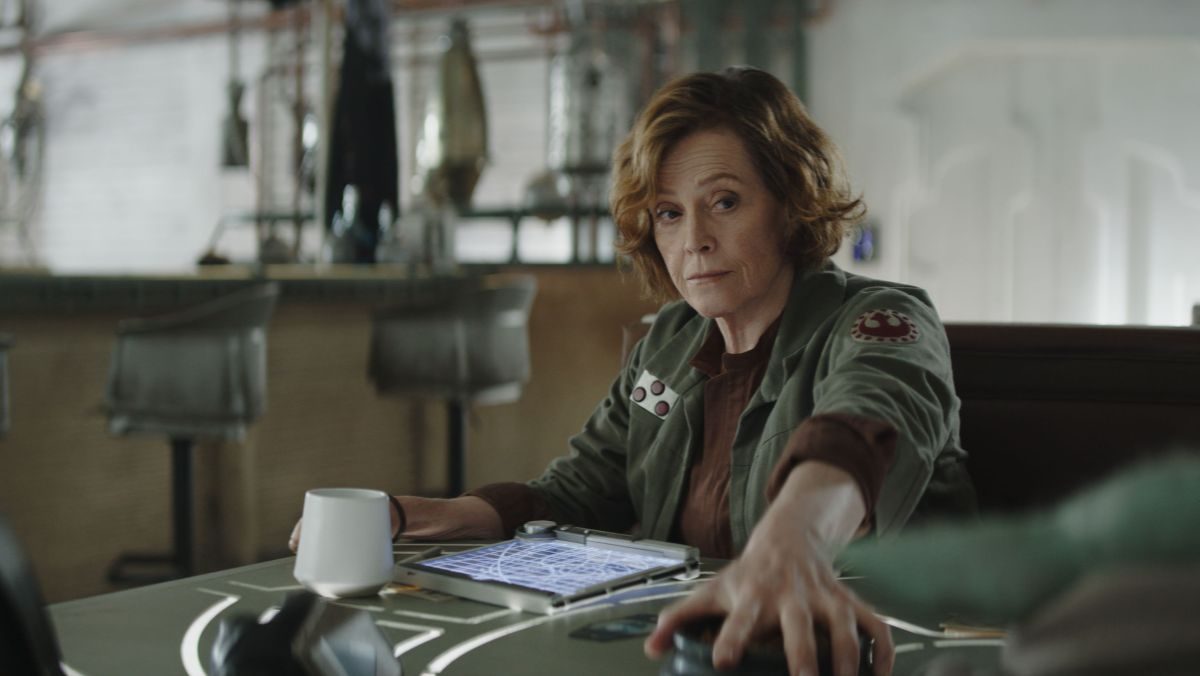
- The Carson Teva Return: Finally, the return of Paul Sun-Hyung Lee as Captain Carson Teva provides the bridge between the television series and the film. His presence is the only traditional “character” cameo of significance, reinforcing the continuity of the New Republic’s military efforts across various media.
Supporting Data: The Architects in the Cockpit
The list of individuals appearing in the cockpit of the New Republic X-wings is a comprehensive roster of the talent that has defined the “Mando-verse.”
- Doug Chiang: As the Senior Vice President and Executive Design Director at Lucasfilm, Chiang is arguably the visual architect of the modern Star Wars era. His presence is a nod to the production design that keeps the Star Wars aesthetic consistent.
- Deborah Chow: Known for her pivotal work on The Mandalorian and the Obi-Wan Kenobi series, Chow’s inclusion highlights the cross-pollination of directorial talent within the Lucasfilm ecosystem.
- Lee Isaac Chung: His contributions to the series have been instrumental in defining the tone of the show, and his placement in the flight suit acknowledges the cinematic quality he brought to the small screen.
- Rick Famuyiwa: As a key director and producer, Famuyiwa’s involvement has been central to the show’s success, making his appearance in the cockpit a fitting tribute to his long-standing influence on the series’ trajectory.
- Dave Filoni: The man synonymous with modern Star Wars animation and live-action expansion, Filoni’s dual appearances in the film act as a thematic bookmark, signifying his total immersion in the project.
Official Responses and Creative Intent
In discussions regarding the production of The Mandalorian and Grogu, the creative team has emphasized the desire for a “contained” experience. By avoiding the temptation to cram the film with cameos from legacy characters like Luke Skywalker or Ahsoka Tano, the filmmakers were able to maintain a focused, character-driven narrative.
The inclusion of these specific cameos was reportedly a collaborative decision among the production leads. The intention was twofold: to provide a fun, “Easter egg” experience for the most dedicated fans, and to pay tribute to the collaborative nature of the Star Wars creative team. By placing these individuals in the roles of the New Republic pilots, the film acknowledges that the defense of the galaxy is a collective effort, both on and off the screen.

Implications: The Future of the "Mando-Verse"
The decision to keep The Mandalorian and Grogu as a self-contained story has significant implications for the future of the Star Wars franchise.
A Move Toward Focused Storytelling
By resisting the urge to turn the movie into an Avengers-style crossover, Lucasfilm has signaled a shift in strategy. The film proves that Star Wars can succeed by focusing on intimate, high-stakes stories rather than constant, large-scale event cameos. This “right-sized” approach suggests that future films may prioritize the narrative arc of the protagonist over the inclusion of broad-spectrum fan service.
The New Republic "Bingo Card"
The return of Paul Sun-Hyung Lee’s Captain Carson Teva is particularly telling. Having appeared in The Mandalorian, The Book of Boba Fett, and Ahsoka, Teva has become the connective tissue of this era. His inclusion here confirms that he will likely be a primary player in the upcoming New Republic-focused film being developed by Dave Filoni. The “bingo card” of his appearances is essentially a map of where the Star Wars narrative is heading next.
Validating the Television Model
The meta-cameos serve as a validation of the television model that The Mandalorian pioneered. By honoring the directors who brought the series to life, Lucasfilm is reinforcing the idea that the quality of their streaming content is equivalent to their theatrical output. It bridges the gap between the two mediums, suggesting that the “TV directors” are now fully integrated into the “movie-making” elite of the franchise.
Conclusion: The Quiet Strength of Intent
The Mandalorian and Grogu succeeds not because of who it brings into the frame, but because of how it treats the frame itself. By choosing to spotlight the creators rather than the characters, the production has created a unique piece of Star Wars history that honors the labor and vision behind the scenes.
While some fans may have hoped for a surprise appearance by a high-profile legacy character, the reality of the film is far more rewarding. It is a story that knows its own size, respects its own history, and understands that the true heroes of the Star Wars galaxy are the ones who show up to do the work—whether they are defending a planet from the Hutts or directing a sequence in a virtual production volume.
As The Mandalorian and Grogu continues its theatrical run, it stands as a testament to the fact that sometimes, the best surprises are the ones that remind us who is really at the controls. With the New Republic’s role expanding and the future of the galaxy-at-large shifting, these small, meta-nods provide the perfect foundation for whatever comes next. The galaxy is indeed big, but for now, it is the focused, personal touch that keeps the Star Wars flame burning bright.










No comments yet. Be the first to join the conversation!