

The Minato Mirai district of Yokohama is globally recognized for its hyper-modern skyline, a glittering assemblage of glass and steel that defines the Japanese port city. Yet, for those seeking the true heartbeat of this metropolis, one must look toward the water. Jutting out into the bay like a sentinel of commerce and culture is the Yokohama Hammerhead, a facility that has redefined the concept of a waterfront destination since its grand opening in 2019.
Situated on the historic Shinko Pier, the Hammerhead is far more than a retail complex; it is an architectural and functional hybrid. As the first facility in Japan to seamlessly integrate an international cruise ship terminal, a high-end luxury hotel, and a curated selection of premier dining and artisanal retail outlets, it stands as a testament to Yokohama’s dual identity as both a gateway to the world and a sanctuary of local tradition.
Main Facts: A Landmark on the Water
The Hammerhead complex is uniquely positioned, surrounded by the sea on three sides. This geography provides more than just a scenic vista—it creates a dynamic, living environment. It is not uncommon for visitors to enjoy a gourmet meal while a towering international cruise liner docks just meters away, serving as a visceral reminder of the pier’s primary function as a transit hub.

At the far end of the pier stands the namesake "Hammerhead Crane." This historic piece of industrial heritage, the first port crane in Japan (installed in 1914), remains a stoic, iron-clad guardian of the harbor. As dusk falls, the second-floor terraces of the complex offer a front-row seat to one of the most spectacular light shows in the country. Watching the sun dip behind the iconic Cosmo Clock 21 Ferris wheel and the shimmering high-rises of the district creates a cinematic atmosphere that transforms a casual evening into a landmark event.
Chronology: From Industrial Roots to Modern Oasis
The transformation of Shinko Pier into the Hammerhead hub is the latest chapter in a long history of maritime development.
- 1914: The original Hammerhead Crane is installed, symbolizing the modernization of the Port of Yokohama.
- Late 20th Century: The Shinko area evolves from a purely industrial zone into a focal point for urban tourism and waterfront regeneration.
- 2019: The Yokohama Hammerhead officially opens its doors. The project represents a masterclass in urban planning, integrating maritime logistics with consumer-facing hospitality.
- 2020–2024: The complex establishes itself as a hub for culinary excellence, successfully weathering the global tourism downturn by cultivating a dedicated local following through high-quality, artisanal partnerships.
- 2026: The arrival of Michelin-pedigree concepts, such as Baan Phadthai, cements the pier’s status as a serious gastronomic destination rather than a mere tourist stop.
Supporting Data: A Curated Culinary Landscape
The success of the Hammerhead lies in its intentional curation. Each establishment is chosen to offer a specific, high-quality experience that mirrors the pier’s maritime elegance.

The Michelin Debut: Baan Phadthai
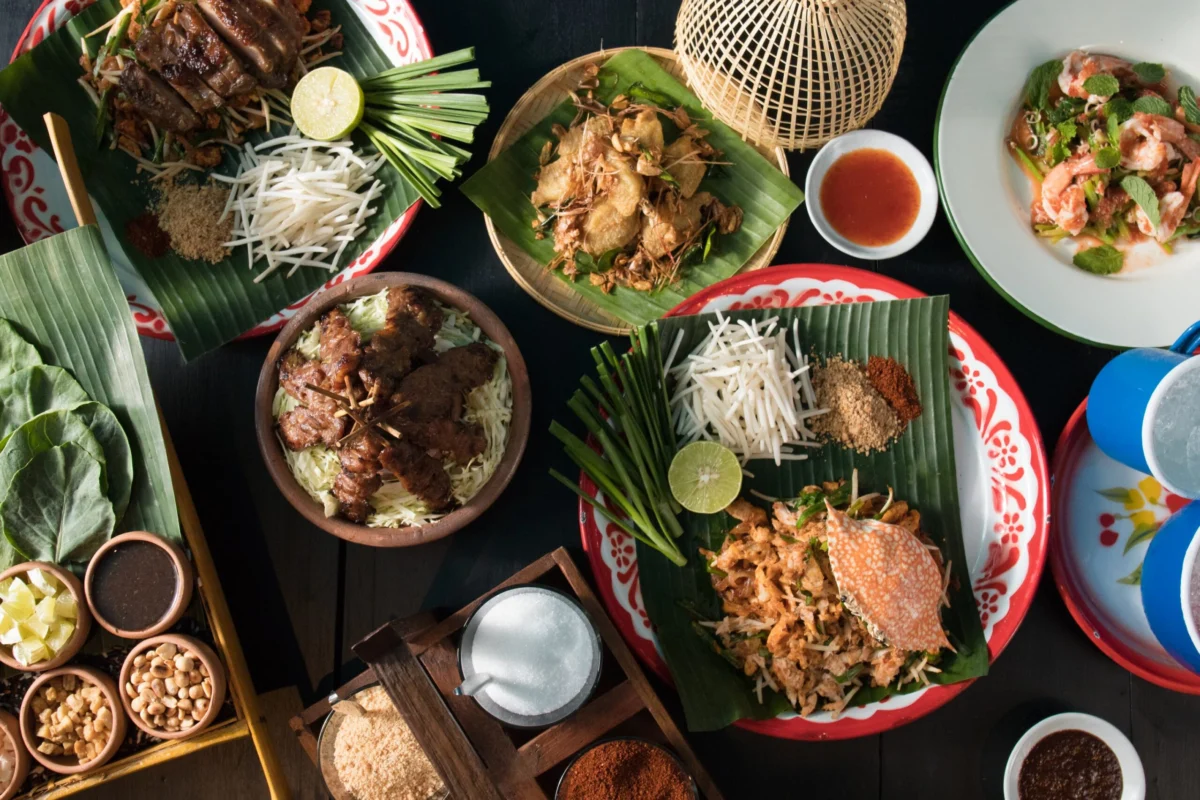
Perhaps the most significant addition to the local culinary scene is the debut of Baan Phadthai. Originating in Bangkok, this institution has secured the Michelin Bib Gourmand every year since the inaugural 2018 Michelin Guide Thailand. The Yokohama branch successfully replicates the brand’s vibrant, shophouse aesthetic—characterized by deep blue hues and vintage Thai décor—while adapting it for the Japanese palate.
Their signature dish, the blue swimmer crab pad Thai, is a marvel of culinary engineering, featuring a secret sauce composed of 18 distinct ingredients. The presentation is equally calculated, with the crab shell serving as a sculptural element. The restaurant’s terrace, which is dog-friendly, provides an airy, sea-breezy environment that complements the aromatic profile of authentic Thai spices.
Coastal Flavors and Artisanal Spirits: Quays Pacific Grill
For those seeking a broader range of options, Quays Pacific Grill serves as the complex’s cornerstone for coastal dining. The restaurant distinguishes itself through its "triple-threat" approach: it operates an on-site craft brewery, a gin distillery, and a coffee roastery. This vertical integration of food and beverage production allows for a level of freshness and customization rarely found in multi-story dining complexes. The menu focuses on bold, Pacific-rim seafood, designed to pair perfectly with the house-made IPAs and botanical-forward gins.

The Refinement of Tradition: Soba Sumire
In contrast to the vibrant spice of Thai cuisine, Soba Sumire offers a masterclass in Japanese restraint. The establishment adheres to strict traditional techniques, utilizing a precise buckwheat-to-wheat flour ratio to ensure the perfect noodle texture. The complexity of the dish is found in the dashi, crafted from two-year-aged thick-cut bonito sourced from Kagoshima. The menu invites diners to linger, pairing delicate appetizers with premium sake or shochu, and utilizing accents like yuzu and sansho pepper to elevate the simple, honest ingredients.
Official Responses and Strategic Vision
The management of Yokohama Hammerhead has frequently stated that the goal of the facility is to create a "bridge between the sea and the city." By inviting world-class chefs and traditional artisans into the same space, they are attempting to move beyond the "mall" concept.
In a recent press briefing, a spokesperson for the Hammerhead management team remarked, "Our intention was never to create another retail center. We wanted to build a stage. When a guest sits on our terrace, they are not just eating dinner; they are participating in the rhythm of the port. The presence of the Hammerhead Crane reminds us of our industrial soul, while the modern culinary experiences remind us of our future."

The facility’s commitment to quality is evident in their selection process for tenants. Every restaurant, from the sweet-centric Kamakura Beniya to the high-end Soba Sumire, is required to demonstrate a commitment to both local sourcing and international excellence.
Implications: The Future of Waterfront Regeneration
The success of the Yokohama Hammerhead carries significant implications for urban development in Japan. It serves as a blueprint for how port cities can revitalize aging infrastructure. By preserving the historic crane and the working nature of the pier, the developers avoided the "soullessness" that often plagues new waterfront developments.
The integration of the Kurumicco Factory by Kamakura Beniya—which allows visitors to observe the manufacturing process of their iconic walnut-caramel pastries—adds an educational layer to the visitor experience. This "factory-to-table" model is a burgeoning trend in Japanese tourism, where consumers increasingly demand transparency and a connection to the craft behind the product.

As Yokohama continues to expand its reach as a primary cruise terminal, the Hammerhead is perfectly positioned to serve as the city’s "front door." The implications for local businesses are clear: when an area focuses on a cohesive, high-quality narrative—in this case, the union of maritime industry and culinary artistry—it creates a "destination" status that attracts both international travelers and domestic foodies.
Conclusion: A Must-Visit Destination
Whether you are a connoisseur of Thai spice, a seeker of artisanal craft beer, or someone looking for a quiet moment to watch the ships pass by, the Yokohama Hammerhead offers a sensory experience that is difficult to replicate. It is a space where the past and future of Yokohama coexist, anchored by the salty breeze of the Pacific and the refined tastes of a city that knows how to reinvent itself.
Visitor Information
For those planning a visit, the Hammerhead is easily accessible from the heart of Minato Mirai.

- Location: 2-14-1 Shinko, Naka-ku, Yokohama, Kanagawa 231-0001
- Official Website: https://www.hammerhead.co.jp/
- Operating Hours: The Information Counter is open daily from 10:00 a.m. to 8:00 p.m.
- Inquiries: 045-211-8080
The Hammerhead is not just a place to shop or eat; it is a place to witness the enduring vitality of Japan’s most iconic port. As the city continues to evolve, this pier remains a fixed point of elegance, a reminder that the best experiences in Yokohama are found where the land ends and the horizon begins.












No comments yet. Be the first to join the conversation!