

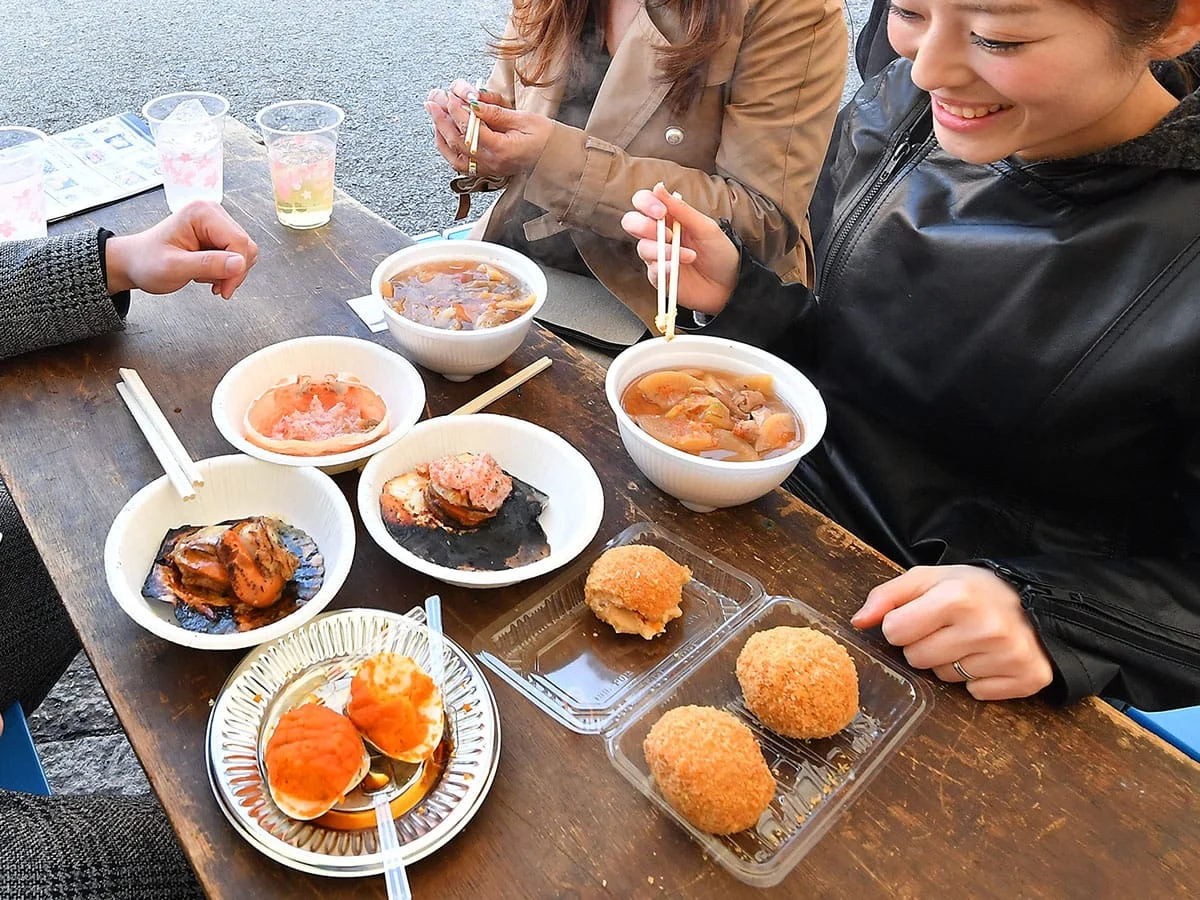
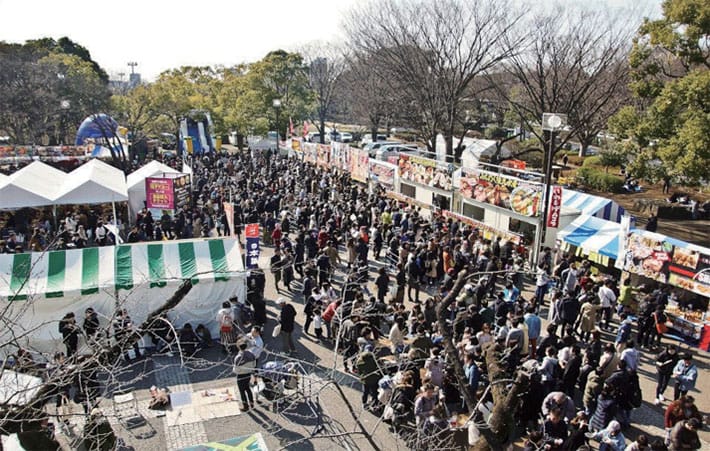
After a protracted four-year hiatus necessitated by the global COVID-19 pandemic, one of Tokyo’s most anticipated gastronomic celebrations is finally making its triumphant return. The 4th annual Sakana & Japan Festival 2023 is scheduled to transform Yoyogi Park in Shibuya Ward into a vibrant culinary hub from February 23rd to February 26th. For seafood enthusiasts, local residents, and international travelers alike, this event represents more than just a food fair—it is a long-awaited homecoming for the Japanese fishing industry and a celebration of the nation’s diverse maritime heritage.
Main Facts: A Sea of Flavors in the Heart of Shibuya
The Sakana & Japan Festival serves as the sister event to the renowned Japan Fisherman’s Festival, which is traditionally hosted at Hibiya Park in Chiyoda Ward every November. While the Hibiya event holds the title of the largest fish-focused food festival in the country, the Yoyogi iteration is uniquely positioned to offer an intimate, high-energy environment in the heart of Tokyo’s most bustling district.
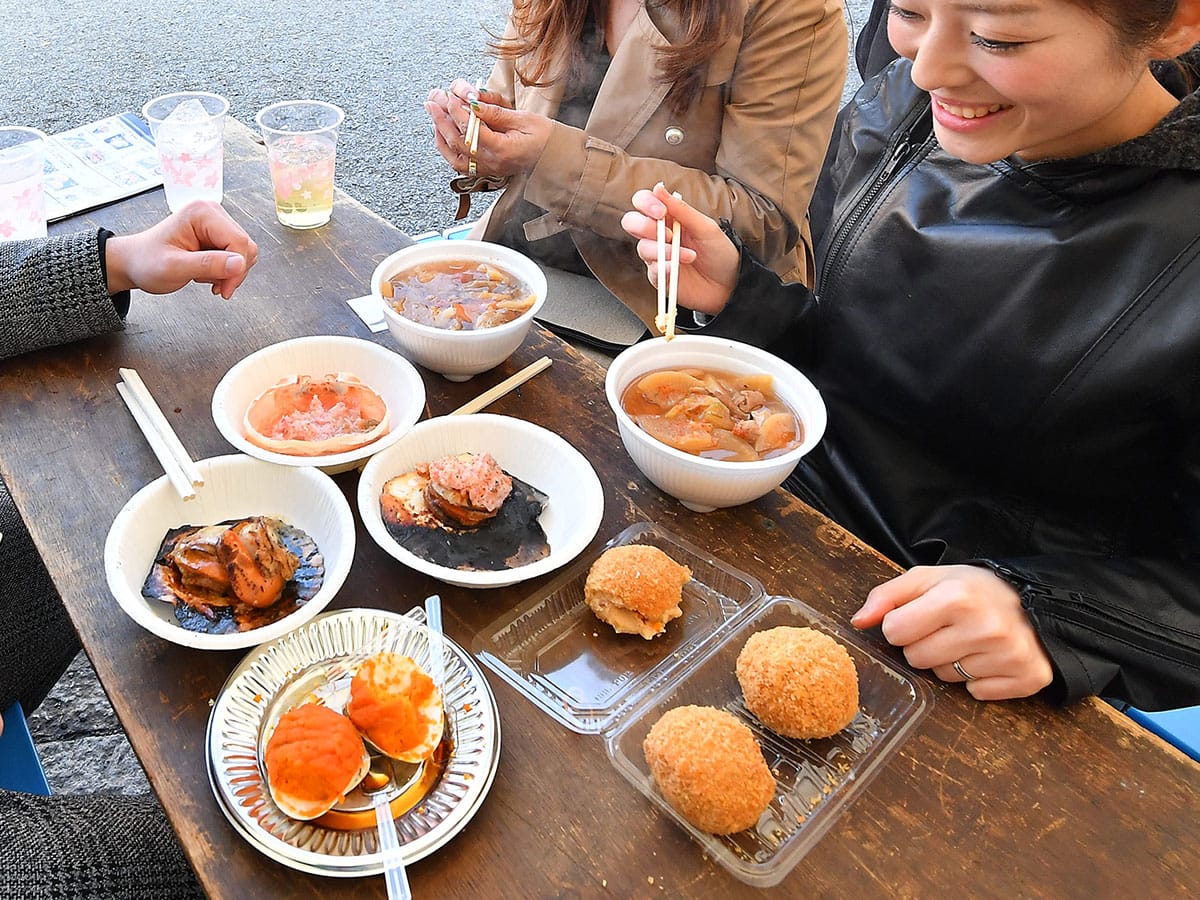
Spanning four days, the festival will host approximately 70 specialized booths, each curated to showcase the bounty of Japan’s vast coastlines. From the cold, nutrient-rich waters of Hokkaido to the temperate currents surrounding Kyushu, the festival promises a comprehensive tour of Japanese seafood culture. Attendees can expect a staggering array of dishes, ranging from traditional delicacies to modern interpretations of fisherman’s comfort food. Highlights include:
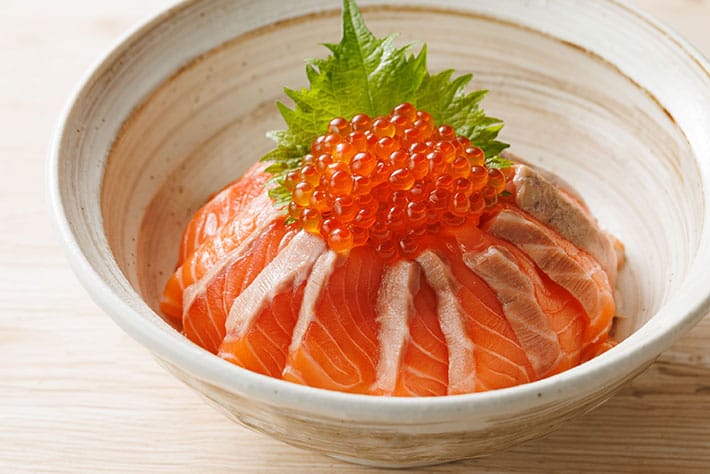
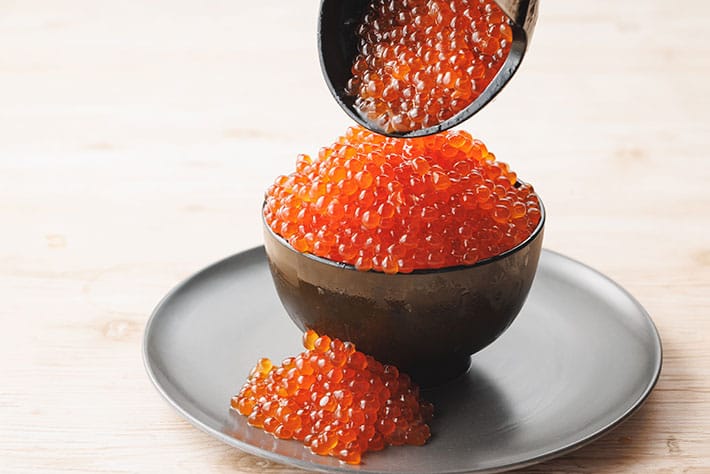
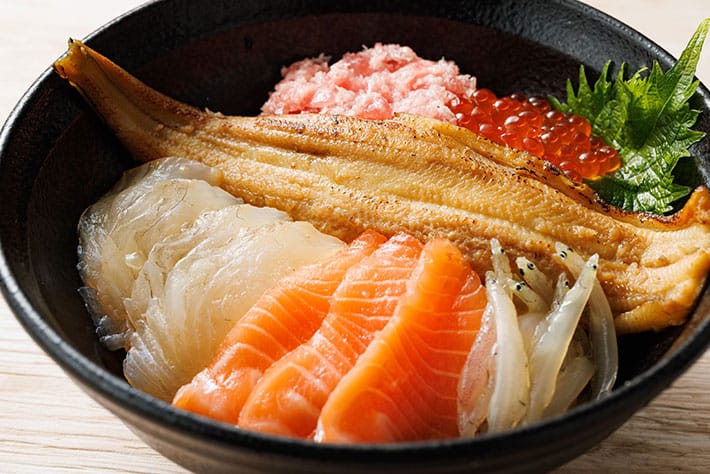
- Premium Seafood Bowls (Kaisendon): Featuring the freshest cuts of tuna, salmon, and sea urchin.
- Regional Specialties: Authentic fisherman’s meals prepared by local cooperatives.
- Fusion and Global Flavors: Including specialized seafood ramen and artisanal seafood paella.
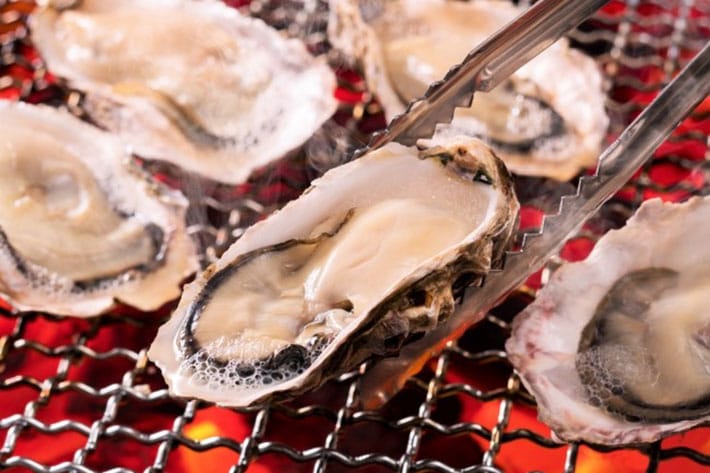
- Signature Grilled Items: Succulent, charcoal-grilled oysters sourced directly from premium oyster beds.
Entry to the festival grounds is entirely free, allowing visitors to roam the stalls and soak in the atmosphere. Food and beverages are sold on an individual basis, providing attendees the flexibility to curate their own tasting menus.
A Chronological Look at the Festival’s Resilience
The return of the Sakana & Japan Festival is a testament to the resilience of the Japanese culinary sector. The festival’s history is a reflection of the broader challenges faced by the food and tourism industries during the pandemic era.
- 2017–2018: The inaugural festivals established the event as a premier venue for highlighting the "Sakana" (fish) culture of Japan, successfully drawing hundreds of thousands of visitors to Tokyo’s parks.
- 2019: The 3rd annual festival reached a new pinnacle of success, cementing its reputation as a "must-attend" event for foodies. It set a high bar for participation and variety, showcasing the strength of Japanese domestic aquaculture.
- 2020–2022: As the pandemic forced the closure of large-scale public events, the festival organizers were forced to cancel three consecutive years. During this period, the industry struggled with declining restaurant demand and supply chain disruptions.
- 2023: February 23rd marks the end of this dormancy. The return signifies a major step toward normalcy and provides a crucial platform for regional vendors to reconnect with a mass consumer base after years of reduced visibility.
Supporting Data: Why "Sakana" Matters to Japan
Japan’s relationship with seafood is foundational to its national identity. As an island nation, the fishing industry is not merely an economic engine; it is a cultural cornerstone. The Sakana & Japan Festival serves as a bridge between the producer and the urban consumer.
One of the standout features of the 2023 event is the spotlight on premium regional branding. For instance, the festival will feature the "Maple Salmon" from Fukushima Prefecture. This product is a perfect case study in Japanese culinary innovation: Canadian rainbow trout roe was imported and bred over several generations to specifically cater to the Japanese palate, resulting in a firm, flavorful fish that is now a point of pride for Fukushima’s aquaculture sector.
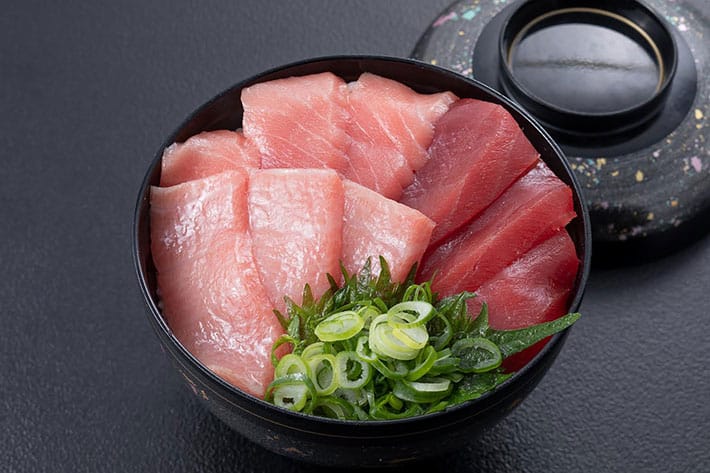
Furthermore, the festival showcases the "Three Types of Tuna Bowl" from the Kuroshio Market. This dish highlights the significance of the Kuroshio Current, which brings an abundance of migratory fish to Japan’s shores. By focusing on such specific products, the festival educates the public on the science and effort behind their food, encouraging a deeper appreciation for the labor involved in the "farm-to-table" (or, in this case, "sea-to-bowl") process.
Official Responses and Industry Sentiment
The organizers have emphasized that the 2023 return is focused on "reconnection and revitalization." In the press release issued by the event committee, representatives highlighted that the festival is designed to support regional fishermen who were disproportionately affected by the loss of domestic tourism during the pandemic.
Industry experts note that events like these are vital for the sustainability of coastal communities. "When a fisherman can sell directly to a customer in Tokyo, they bypass the complex distribution layers that often eat into their profit margins," says a spokesperson for the event. "The festival provides these vendors with a direct feedback loop, allowing them to see exactly how much their hard work is appreciated by the public."
Local government officials in Shibuya Ward have also welcomed the event, noting that the influx of visitors to Yoyogi Park provides a significant boost to the local economy, including nearby retail and hospitality businesses that have also suffered during the lean years of the pandemic.
Implications: The Future of Culinary Tourism
The return of the Sakana & Japan Festival has significant implications for Japan’s tourism sector. As the country opens its borders to international travelers once again, these large-scale cultural events are crucial for attracting visitors who seek "authentic" experiences.
For foreign tourists, the festival is a low-barrier, high-reward environment. Navigating the complexities of high-end sushi bars or specialized seafood restaurants can be intimidating for those unfamiliar with the language or customs. At Yoyogi Park, the barrier is removed; the setting is casual, the menus are visual, and the communal seating encourages interaction with locals. It is a rare opportunity to sample high-quality, regional-specific seafood from across the archipelago in a single afternoon.
Looking ahead, the organizers are already discussing plans for 2024. The success of this year’s festival is viewed as a bellwether for the health of Japan’s public events industry. If the turnout matches pre-pandemic levels, it will likely lead to an expansion of the festival’s footprint and a potential increase in the number of participating regions.
Conclusion: A Celebration Not to Be Missed
The 4th annual Sakana & Japan Festival is more than a collection of food stalls; it is a vital organ of Japanese culture beating once again. Whether you are a fan of the buttery richness of sea urchin, the crisp texture of grilled oysters, or the delicate nuances of premium salmon, the festival offers an unparalleled deep dive into the maritime soul of Japan.
As Tokyo prepares to welcome the crowds at Yoyogi Park, the message is clear: the seafood industry is back, it is better than ever, and it is ready to be shared with the world. Visitors are encouraged to keep a close watch on the official website for updated booth maps and event schedules as they are released. If you find yourself in Tokyo this February, a visit to Yoyogi Park is not just recommended—it is an essential experience for anyone looking to truly taste the spirit of Japan.












No comments yet. Be the first to join the conversation!