

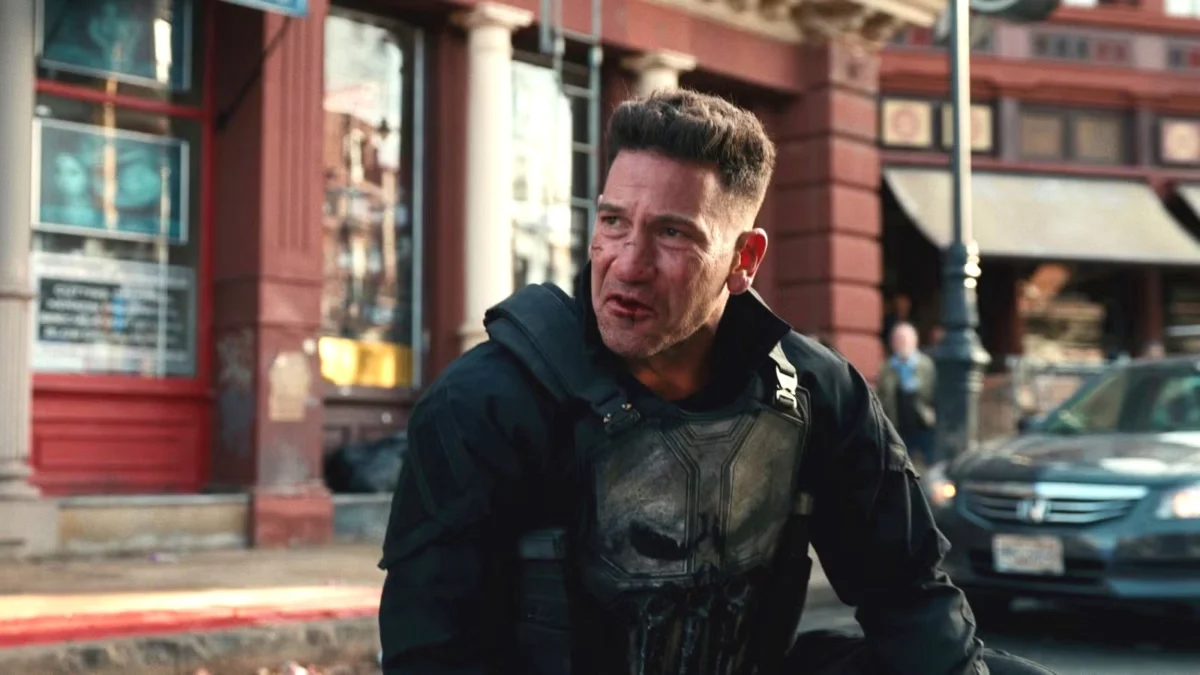
The Marvel Cinematic Universe (MCU) has long been defined by its ability to balance lighthearted heroism with high-stakes spectacle. However, with the release of the latest "Special Presentation," The Punisher: One Last Kill, the franchise has ventured into its most visceral and uncompromising territory to date. Jon Bernthal’s return as Frank Castle serves as a masterclass in grounded, gritty storytelling, yet his reintroduction has sparked a significant narrative friction. As Marvel prepares to bring this iteration of the Punisher into the theatrical landscape alongside Tom Holland’s friendly neighborhood Spider-Man in the upcoming Spider-Man: Brand New Day, fans and critics alike are left grappling with a singular, pressing question: Can the MCU reconcile the stark, blood-soaked reality of the Punisher with the optimistic, youth-oriented world of Peter Parker?
The Anatomy of "One Last Kill": A Return to Raw Vigilantism
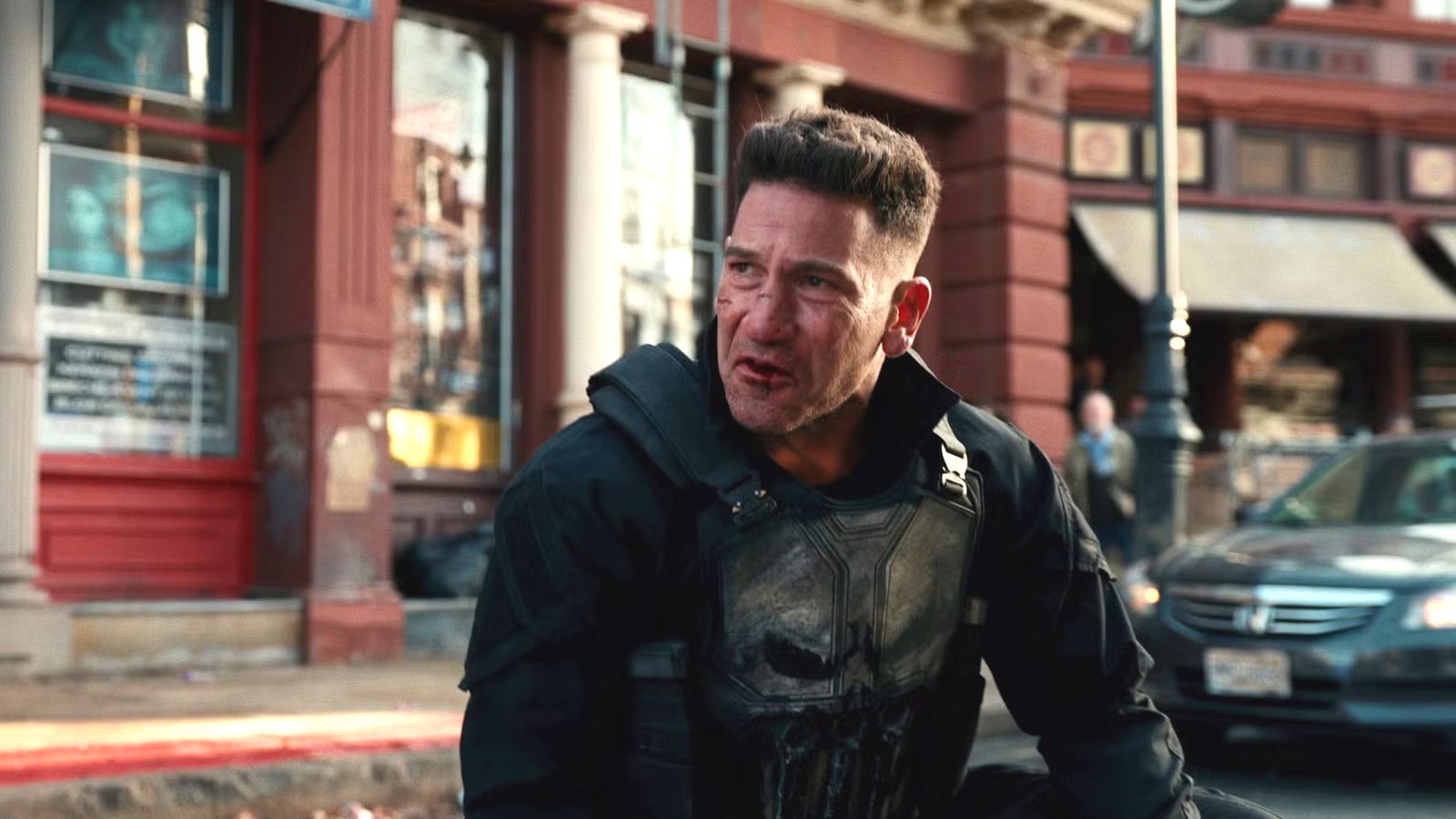
The Punisher: One Last Kill marks a departure from the traditional, episodic television format that characterized the character’s previous tenure on Netflix. By opting for a self-contained 51-minute special, Marvel Studios has effectively stripped away the need for prolonged exposition, focusing instead on the singular, haunting essence of Frank Castle.
Following his brief, impactful appearance in the first season of Daredevil: Born Again, this special establishes a definitive status quo for the character. Frank has successfully avenged his family, leaving him as a man untethered from his primary motivation. He is depicted in a state of purgatory, residing in a dilapidated apartment complex, his days marked by grueling physical penance and haunting hallucinations.
The plot reaches a boiling point when a clandestine group of assassins targets him, turning his domestic refuge into a claustrophobic battlefield. The resulting sequences are unflinching in their depiction of violence. With a body count reaching triple digits, the special utilizes an arsenal of tactical weaponry—axes, knives, and firearms—to showcase a level of lethality rarely seen in the MCU. This is not the "superhero" violence of repulsor blasts or webs; it is the calculated, industrial-grade carnage of a man who has abandoned the concept of mercy.
Chronology of a Crossover: From Netflix to the Silver Screen
The journey of Jon Bernthal’s Frank Castle is a complex narrative through-line that spans nearly a decade of shifting corporate structures and platform migrations.
- 2017–2019 (The Netflix Era): Bernthal debuted as the Punisher in Daredevil Season 2, followed by two seasons of his own standalone series. While critically lauded for his performance, the series existed in a "soft-canon" limbo regarding the wider MCU.
- 2024–2025 (The Integration Phase): Following the acquisition of the Marvel television library by Disney, Bernthal was confirmed to return in Daredevil: Born Again. This integration signaled a desire to bring the street-level grit of the Defenders-era shows into the primary MCU timeline.
- 2026 (The Current Special): The Punisher: One Last Kill acts as a bridging narrative, cementing the character’s current, ultra-violent trajectory.
- July 31, 2026 (The Theatrical Event): Spider-Man: Brand New Day is slated to premiere, marking the first time this specific iteration of the Punisher will share the screen with Tom Holland’s Peter Parker in a major blockbuster format.
The Existential Clash: Can Light and Shadow Coexist?
The central tension of the upcoming Brand New Day lies in the fundamental philosophical divide between its two leads. Tom Holland’s Peter Parker has consistently been portrayed as the moral compass of the MCU—a character whose journey is defined by his refusal to compromise his humanity, even in the face of immense loss. His films, particularly Spider-Man: Homecoming, have leaned into the "coming-of-age" genre, utilizing humor and a breezy, kinetic pace to reflect the protagonist’s youthful optimism.
In stark contrast, Frank Castle represents the antithesis of the "hero." He does not seek justice; he seeks erasure. He does not view criminals as wayward souls to be redeemed; he views them as biological threats to be neutralized. When these two characters inevitably share the screen, the MCU faces a logistical and tonal hurdle. Can a character who systematically murders hundreds of people in a single afternoon be framed as a viable ally for a hero who views "killing" as a line that should never be crossed?
The "Trailer" Tease and the Question of Knowledge
Early promotional material for Brand New Day has already teased this dynamic. In a brief clip, we see Spider-Man intervening to stop a lethal act by the Punisher, including a moment where he webs Frank’s mouth shut to prevent him from using profanity. While this provides a moment of levity, it glosses over a deeper, more troubling implication: Does Peter Parker understand the magnitude of what Frank is?
If the events of One Last Kill are canon to the timeline, Peter is standing next to a man who, just days prior, transformed a residential neighborhood into a graveyard. If Peter is aware of this, his decision to work with him—or even tolerate him—becomes a major character point. If he is not aware, the reveal of Frank’s true nature will likely serve as a pivotal, potentially traumatic turning point for the young hero.
Implications for the MCU’s "Street-Level" Narrative
The integration of the Punisher into the broader MCU theatrical roster suggests that Kevin Feige and his team are intentionally pushing the boundaries of what a "Marvel movie" can be. By introducing a character whose morality is fundamentally irreconcilable with that of the Avengers, Marvel is opening the door to more mature, nuanced, and perhaps controversial storytelling.
- The "Mature" Label: The success of One Last Kill on Disney+ suggests that the audience is ready for more mature content. This could lead to a two-tier MCU: the traditional, lighthearted theatrical blockbusters and a darker, "street-level" corner that deals with the grim realities of crime.
- Moral Ambiguity as a Theme: Brand New Day has the potential to force Peter Parker to confront the limitations of his idealism. Watching a "perfect" hero interact with an "imperfect" vigilante creates a dynamic of friction that can elevate the stakes of the film beyond a standard "villain-of-the-week" conflict.
- The Risk of Dilution: Conversely, there is a risk that the Punisher’s intensity could be diluted to fit a PG-13 or lower-rating requirement, or that Spider-Man’s tone could be darkened to an uncomfortable degree. If the studio chooses to prioritize the "family-friendly" appeal of the Spider-Man brand, the Punisher risks becoming a caricature of himself—a toothless, "grumpy" partner rather than the existential threat he is portrayed as in his own special.
Official Stance and Future Outlook
While Disney and Marvel Studios have remained tight-lipped regarding the specific narrative beats of Spider-Man: Brand New Day, the decision to include the Punisher suggests a strategic move to satisfy fans of the more mature Marvel legacy. Sources close to the production have hinted that Brand New Day will focus on the "clash of ideologies," with the Punisher serving as a catalyst for Peter’s growth.
Whether this partnership results in a temporary alliance of convenience or a deeper ideological conflict remains to be seen. What is clear, however, is that The Punisher: One Last Kill has successfully raised the bar for how the MCU handles violence and moral complexity. By refusing to soften the edges of Frank Castle, Marvel has ensured that his eventual meeting with Spider-Man will be one of the most anticipated—and scrutinized—moments in the franchise’s history.
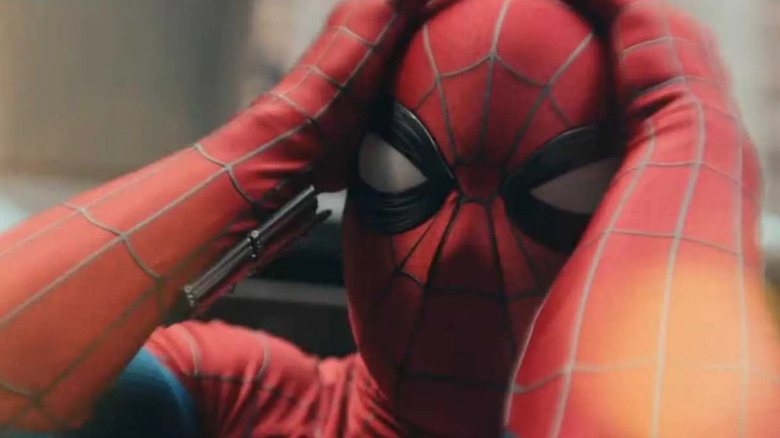
As the countdown to July 31, 2026, continues, the audience is left with a compelling puzzle: In a universe where characters are defined by their capacity for heroism, what happens when a man who has lost his soul tries to fight alongside the boy who is just beginning to find his? The answer will likely redefine the MCU’s approach to its heroes for years to come.











No comments yet. Be the first to join the conversation!