

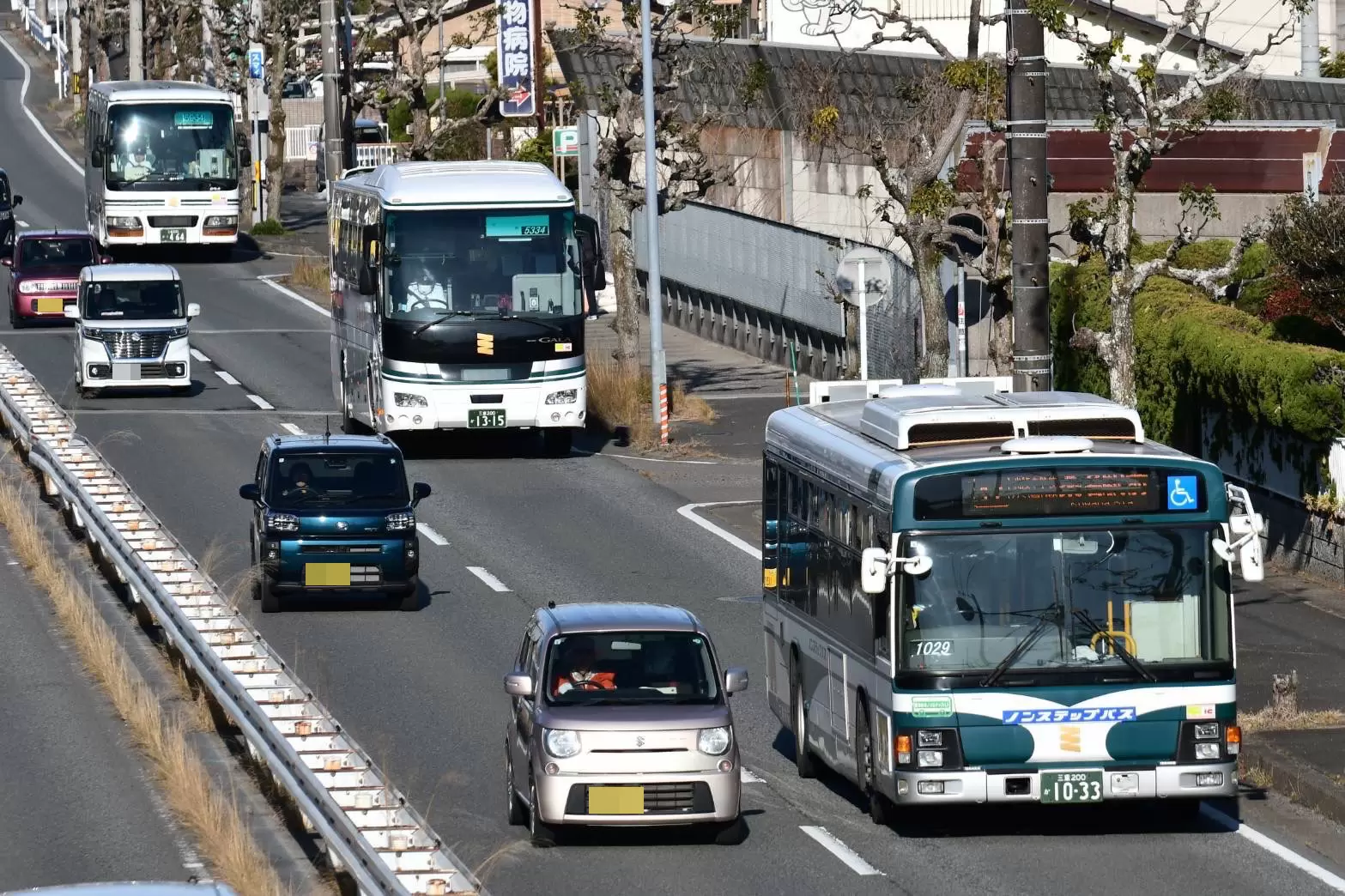
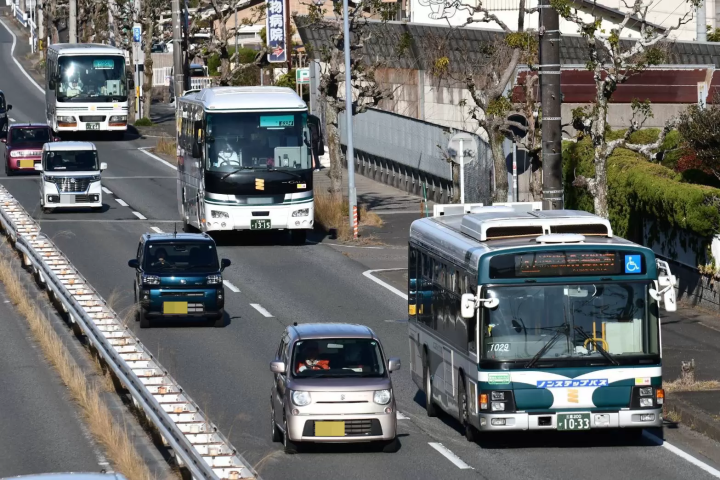
The landscape of Japanese public transportation is undergoing a quiet, yet profound, digital transformation. As of March 31, 2025, Mie Kotsu has officially rolled out comprehensive contactless payment services across key routes connecting Nagoya to the scenic heart of Mie Prefecture, including Kuwana and Ise. This strategic shift marks a pivotal moment for international tourism, effectively eliminating the linguistic and logistical barriers often associated with navigating local bus transit in Japan.
For the millions of travelers who visit Japan annually, the bus system has historically presented a steep learning curve. From deciphering fare structures to ensuring one has the exact change in yen coins, the process has often been a point of friction. With the integration of "touch payment" technology, those days are quickly becoming a relic of the past.
Main Facts: The New Era of Seamless Transit
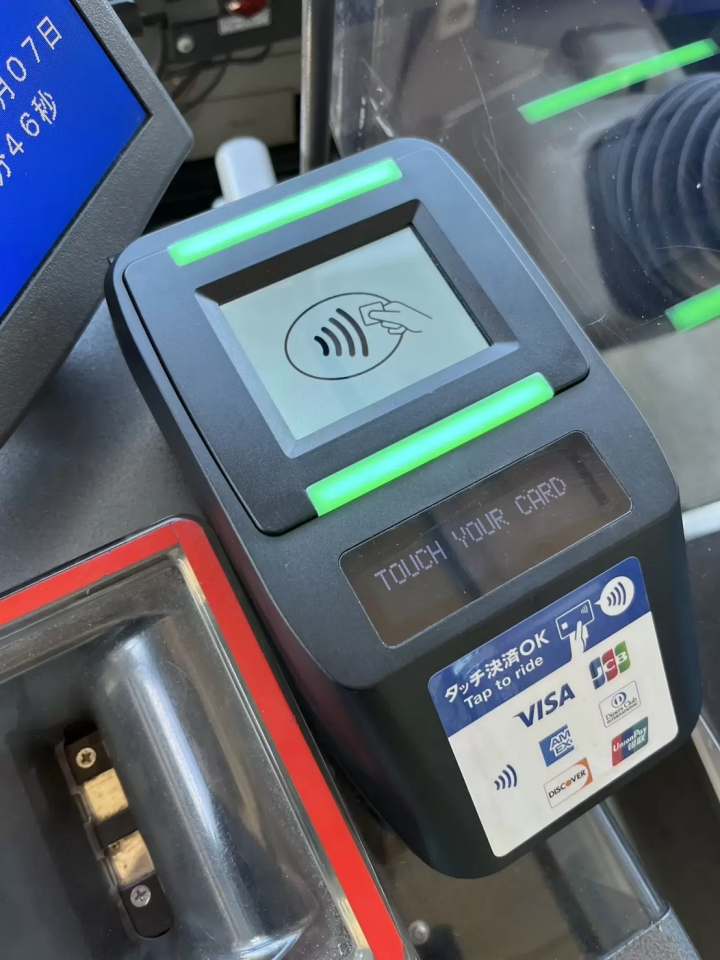
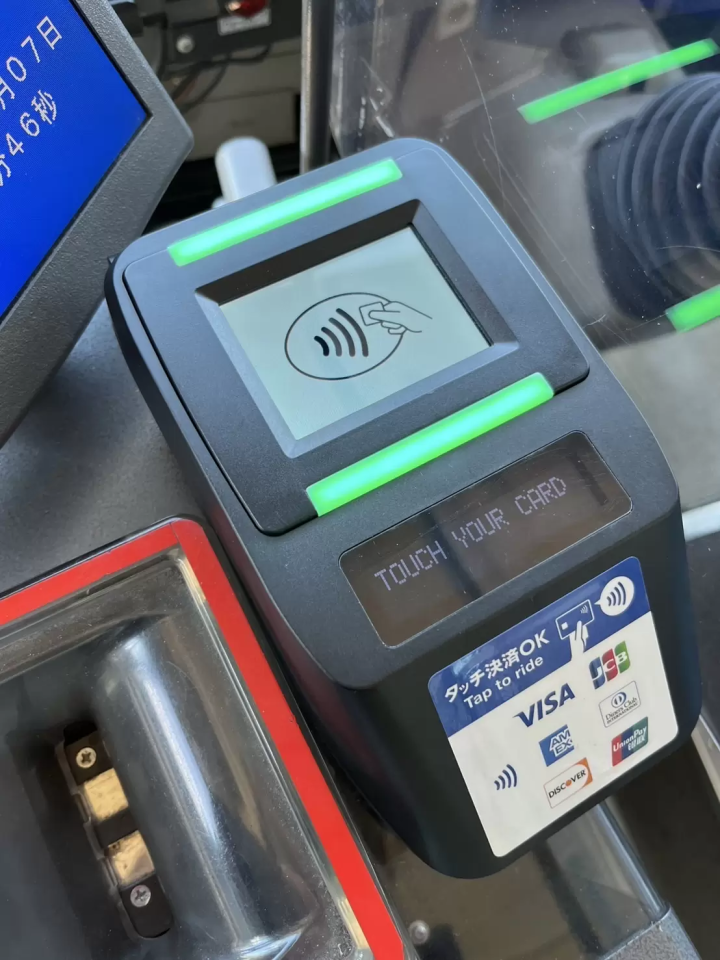
The introduction of contactless payment across the Mie Kotsu network allows passengers to bypass the traditional requirement of purchasing paper tickets or scrambling for exact change. Instead, the system now accepts a wide array of credit, debit, and prepaid cards, as well as digital wallets integrated into smartphones.
How the System Works
The process is designed for maximum efficiency:
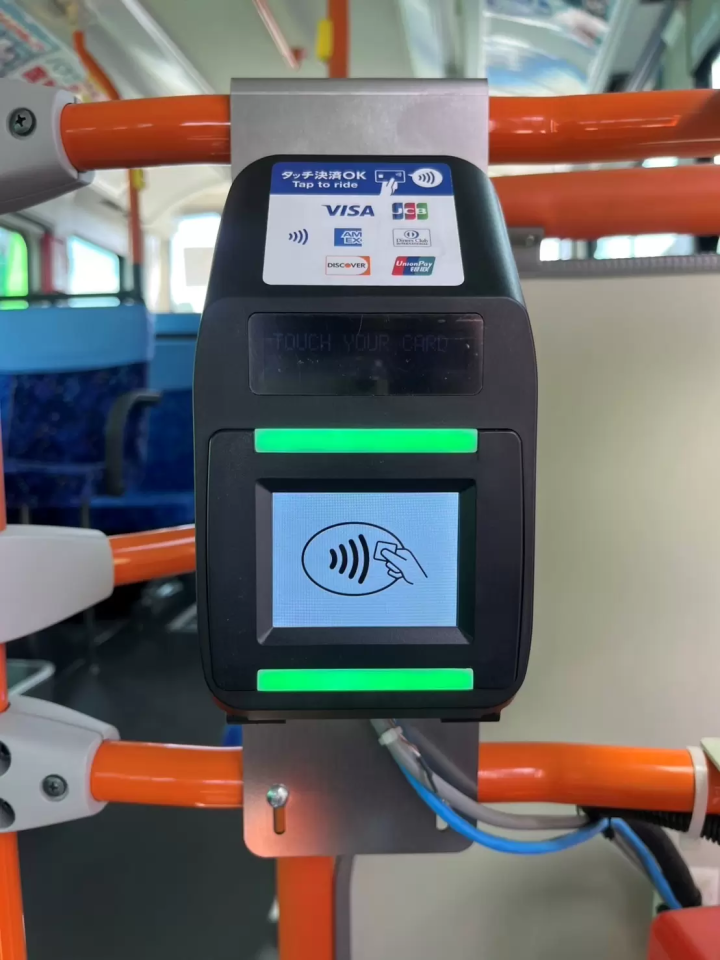
- Boarding: Passengers tap their contactless card or smartphone-enabled digital wallet against the dedicated reader located at the bus entrance.
- Disembarking: Upon arrival at the destination, the passenger taps the same card or device against the reader at the exit.
- Automated Calculation: The system automatically calculates the distance traveled and deducts the appropriate fare from the linked account. There is no need to manually select a fare, sign a receipt, or interact with physical paper tickets.
Supported Payment Brands
To cater to a global audience, the service supports the world’s most widely used payment networks, ensuring that international visitors can use the cards they already carry in their wallets:
- Visa
- Mastercard
- JCB
- American Express
- Diners Club
- UnionPay
This interoperability ensures that travelers from North America, Europe, and Asia can utilize the service without the need to obtain localized IC cards or currency conversion prior to boarding.
Chronology: The Roadmap of Implementation
The expansion of this technology was not a sudden event, but rather a phased strategic rollout aimed at stabilizing the infrastructure before a region-wide deployment.
- March 31, 2025: The initial launch phase saw the activation of contactless readers on express buses connecting Nagoya to Kuwana, as well as specialized routes serving Nagashima Spa Land and Nabana no Sato.
- December 2025: Following the success of the initial launch, the service was extended to the Ise-Shima area. This expansion was critical, as it provided a seamless bridge between transit hubs and one of Japan’s most spiritually and culturally significant destinations: Ise Jingu (Ise Grand Shrine).
- Future Outlook: Industry observers anticipate that the success of this model will likely lead to further integration with regional train lines and local commerce, creating a truly unified "Smart Tourism" ecosystem across the Mie Prefecture.
Supporting Data: Why This Matters for Tourism
The impact of this initiative is best understood through the lens of the destinations it serves. By removing the "barrier of entry" to public transit, the local government and Mie Kotsu are effectively increasing the accessibility of top-tier tourist sites.

Key Destinations Enhanced by the Service
- Nagashima Spa Land: As one of Japan’s premier amusement parks, it welcomes vast crowds from the Nagoya urban center. The 50-minute journey is now a frictionless experience, allowing families to focus on their itinerary rather than fare logistics.
- Nabana no Sato: Renowned for its world-class seasonal flower displays and winter illuminations, this site attracts international visitors who often arrive via the Nagoya transit link. The ease of transit encourages spontaneous travel to this iconic location.
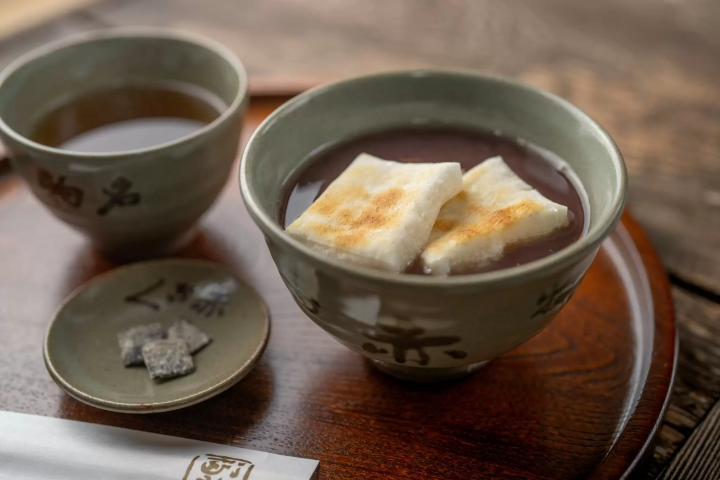
- Ise-Shima and Okage Yokocho: The expansion into the Ise region connects pilgrims and food enthusiasts to the historical streets of Okage Yokocho. By simplifying the journey to the Naiku and Geku shrines, visitors have more time to immerse themselves in the Edo-period architecture and local culinary delights, such as Ise Udon and Akafuku mochi.
Official Responses and Strategic Intent
Mie Kotsu Group Holdings has positioned this transition as part of a broader commitment to customer service and local economic vitality. In official statements, representatives emphasized that the primary goal is to "connect the attractions of Mie" with the world.
By leveraging technology, the company aims to reduce the "cognitive load" on international tourists. When a traveler does not have to worry about the mechanics of the bus system, they are more likely to explore secondary locations, stay longer in the region, and report a higher level of satisfaction with their trip. Local business owners in the Ise-Shima area have welcomed the move, noting that a more comfortable tourist is one who is more likely to engage with local shops and dining establishments.

Implications: A Model for Regional Japan
The implications of this shift extend far beyond simple convenience.
1. The Death of the "Cash-Only" Barrier
Japan has long been perceived as a "cash-heavy" society, a reputation that has occasionally intimidated prospective visitors. The transition to contactless payment on regional transit serves as a powerful signal that Japan is modernizing its service sector to meet international expectations.
2. Economic Stimulation
When transportation is seamless, the "economic radius" of a tourist expands. A visitor who might have only stayed in Nagoya now has the confidence to explore the suburban and rural charms of Mie Prefecture. This creates a distributed economic benefit, supporting small-scale retailers, traditional food vendors, and local craftspeople who might otherwise be bypassed.
3. Sustainability and Efficiency
From an operational standpoint, the move to digital payments reduces the maintenance costs associated with coin-handling machines and ticket-issuing hardware. Furthermore, it speeds up the boarding process, reducing dwell times at bus stops and contributing to more punctual service across the entire network.

4. A Template for the Future
The success of the Mie Kotsu initiative provides a roadmap for other Japanese prefectures. As Japan continues to target higher inbound tourism numbers, the ability to replicate this "tap-and-go" infrastructure will be a deciding factor in which regions successfully attract long-term, repeat visitors.
Final Reflections
As of late 2025, the transition is largely complete, and the feedback from the tourism sector has been overwhelmingly positive. The ability to navigate from the high-speed rail hubs of Nagoya to the ancient, sacred forests of Ise using nothing more than a smartphone or credit card represents the best of what modern technology can offer: it preserves the charm of the destination while removing the obstacles that keep people from enjoying it.
Whether you are a first-time visitor to Japan or a seasoned traveler, the new contactless reality in Mie Prefecture ensures that your journey will be as smooth as the destination is beautiful. As the regional transit authority continues to refine these systems, one thing is certain: the era of hunting for exact change is over, and the era of effortless exploration has arrived.












No comments yet. Be the first to join the conversation!