

In an era defined by an unrelenting deluge of digital information, marketing leaders are facing a paradoxical crisis. Despite having unprecedented access to global research, case studies, and industry frameworks, many professionals report feeling less informed than ever. The problem is not a scarcity of information; it is a profound deficiency in filtering.
For the contemporary marketing executive, the daily workflow is often interrupted by a barrage of podcast notifications, LinkedIn think-pieces, and "must-read" white papers. This digital noise has created a fatigue that is forcing a major strategic pivot in how brands communicate with their audiences. Increasingly, the solution is not more content, but smarter, more intentional curation. This shift is fueling a renaissance for the humble newsletter—a medium once thought to be fading, now emerging as the primary vehicle for high-level industry intelligence.
The Data-Driven Shift: Why Newsletters Lead the Pack
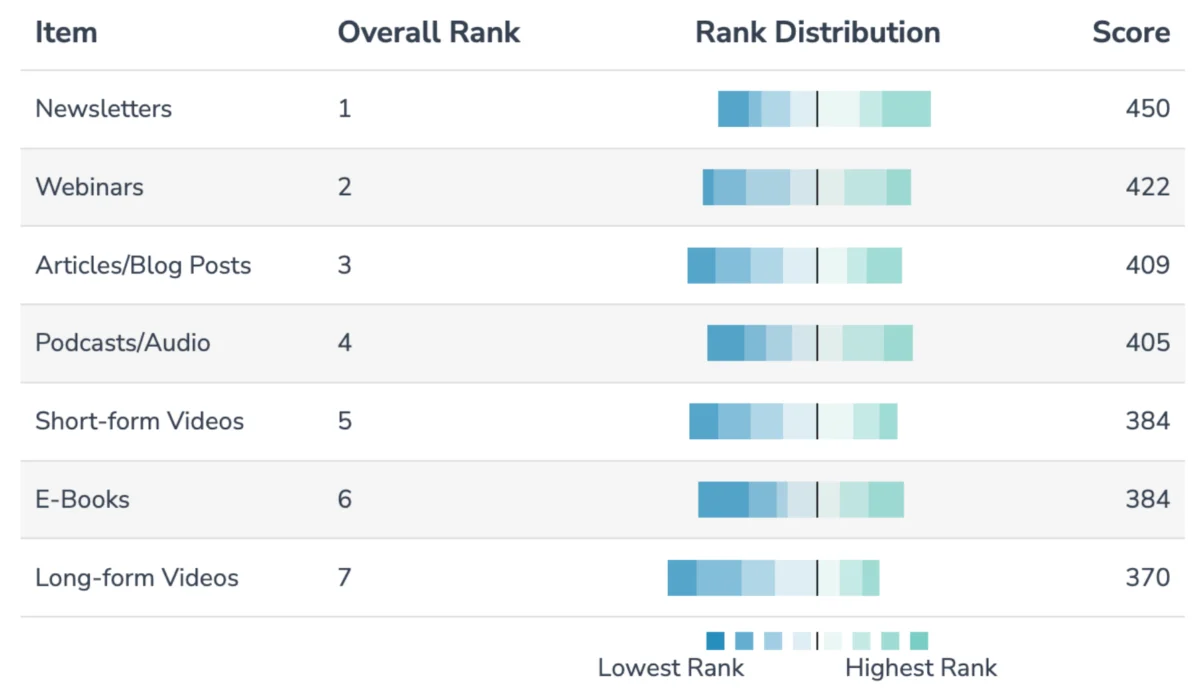
The recent audience research conducted by Convince & Convert (C&C) provides a stark empirical backing for this shift in consumer behavior. In an annual survey of marketing leaders, the firm asked respondents to rank seven different content formats based on their preference for learning about marketing trends and insights.
The results were unequivocal: newsletters were nearly twice as likely to be ranked first as any other medium, outperforming webinars, short-form video, and traditional blog posts.
This is not merely a preference for text over video; it is a preference for efficiency. Marketing leaders are under immense pressure to make strategic decisions in a landscape defined by rapid, often volatile, change. They do not have the time to sit through a 45-minute webinar or scroll through hours of social media feeds to find the "nugget" of truth that actually matters. They are looking for a trusted curator—a partner who can synthesize the noise into actionable, strategic insights.
Chronology of a Rebrand: From ‘ON’ to ‘The Trendline’
The transition of the C&C newsletter from its long-standing iteration, ON, to its new identity, The Trendline, serves as a case study in audience-centric evolution.
For years, C&C—like many organizations—adhered to a conventional newsletter playbook: a weekly digest of the latest blog posts, podcast episodes, and training materials. This model prioritized the source of the content (the brand’s own output) over the utility of the content (what the reader actually needs to solve problems).

As the digital landscape matured, the quality bar for content rose exponentially. The realization hit the C&C leadership team that simply pushing links was no longer a value-add. The "click-through" model, which relies on forcing the reader to leave their inbox to gain value, became a point of friction.
By analyzing audience feedback and tracking engagement metrics, the team identified a fundamental flaw: they were making the reader do too much of the "thinking" work. The decision was made to overhaul the entire format. They moved away from a medium-based organization (i.e., "Here is our latest blog post") to a topic-based, insights-driven structure. This transformation was not a minor aesthetic update; it was a fundamental shift in editorial philosophy.
The Anatomy of Modern Email Strategy: Delivering Value Upfront
The core philosophy driving The Trendline is the concept of the "debrief." Instead of acting as a megaphone for internal content, the newsletter now functions as a strategic filter.
1. The Strategic Lens
Every story featured in The Trendline is processed through a specific editorial filter: Why does this matter to a marketer? The team focuses on the implications of news rather than the news itself. This helps readers bypass the "what" and get straight to the "so what."
2. The "No-Click" Value Proposition
One of the most significant changes in the new format is the emphasis on providing value inside the email. By summarizing key takeaways, offering critical analysis, and posing thought-provoking questions within the body of the newsletter, the brand respects the reader’s time. While links are provided for those who want to dive deeper, the reader is not required to click to gain the core insight.
3. Structural Hierarchy
The new layout is highly regimented. Each section has a specific purpose, allowing for consistent contributor guidelines and a predictable reading experience. This structure reduces cognitive load for the subscriber, who can scan the newsletter and immediately find the information relevant to their current business challenges.
4. Interactive Engagement (Sound Off)
Moving beyond passive consumption, the introduction of "Sound Off"—a poll or interaction at the end of each edition—provides a dual benefit. It gives the audience a chance to weigh in on industry topics, and it provides the editorial team with high-fidelity engagement data that is far more granular and useful than traditional "open" or "click" metrics.

Official Perspective: The CMO’s Need for Precision
The impetus for this change stems from a deeper understanding of the target audience: the senior marketing decision-maker.
"When presenting to CMOs or other very senior marketing decision-makers, they need information that will help their team solve problems," explains the leadership team. "They don’t have time for twenty charts to get there."
This insight is applicable to any brand. The most valuable commodity for a C-suite executive is time. If a brand can demonstrate that it respects that time by providing distilled, high-quality intelligence, it earns a level of trust that traditional advertising can never achieve. This is the definition of "owned media" authority. The goal is no longer just to keep the brand top-of-mind, but to be the primary resource for the audience’s professional growth.
Implications for the Future of Content Marketing
The shift to high-utility newsletters has broad implications for the wider marketing community. As AI-generated content continues to saturate the internet, the value of human-curated, expert-vetted analysis will only skyrocket.
The lessons derived from this transition suggest several key imperatives for brands today:
- Audit Your Value-Add: Ask yourself if your newsletter is a newsletter or merely a link farm. If the reader learns nothing without clicking, you are failing to provide value upfront.
- Prioritize Audience Research: Stop guessing what your audience wants. Survey them specifically about their content consumption habits. If your audience prefers a debrief over a deep dive, adjust your format accordingly.
- Invest in Authority, Not Just Volume: It is better to send one high-impact, insightful email per week than five daily emails that add to the clutter. The goal is to become an essential tool in your subscriber’s toolkit, not an annoyance in their inbox.
- Embrace the "Owned" Channel: In an era where social media algorithms are increasingly volatile, the email list remains one of the few channels where a brand has a direct, reliable line to its audience. Strengthening this connection through thoughtful, high-quality content is a defensive and offensive strategy for long-term brand equity.
Conclusion: The New Standard for Engagement
The evolution of The Trendline is a testament to the fact that, even in a digital-first world, human-centric design wins. By listening to the pain points of their audience—namely, the overwhelming nature of content saturation—the team has created a resource that is not just read, but used.
For marketing leaders, the takeaway is clear: the era of "content for the sake of content" is over. We have entered the era of the "curator." Brands that can help their audiences filter the signal from the noise will be the ones that command the most loyalty, trust, and influence in the years to come. In the battle for attention, the winner will not be the one with the most content; it will be the one who best helps their audience think.












No comments yet. Be the first to join the conversation!