

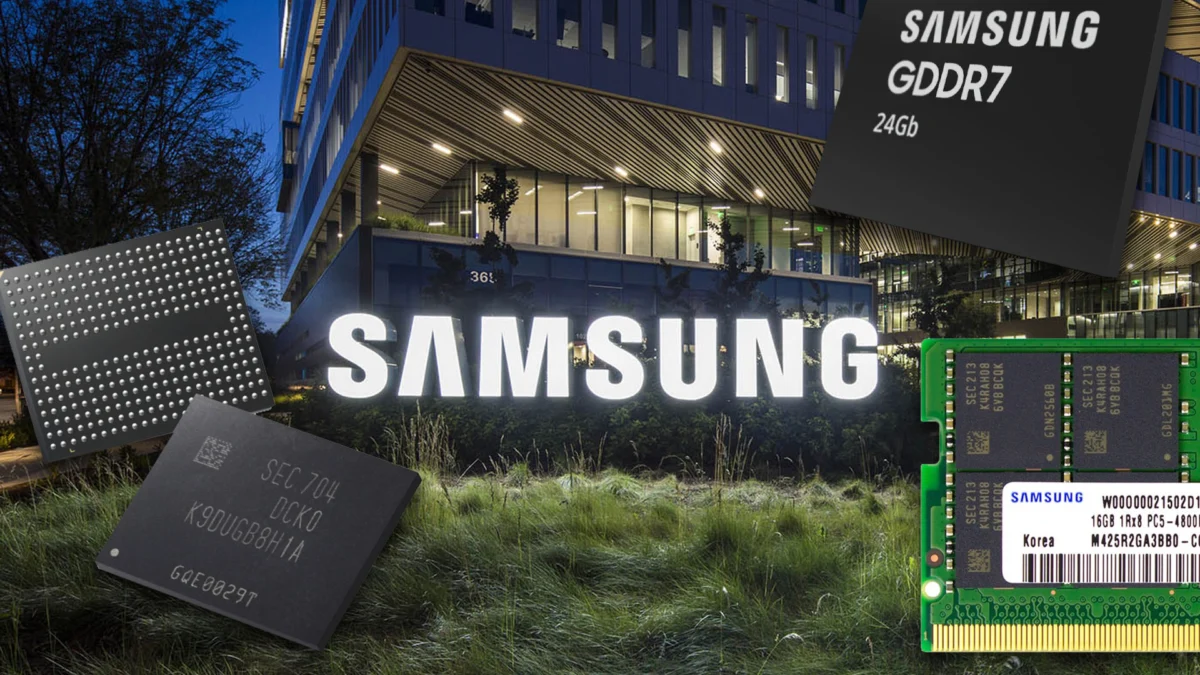
The global semiconductor industry, already strained to its breaking point by the insatiable hunger of the Artificial Intelligence (AI) revolution, is currently teetering on the edge of a fresh supply chain catastrophe. Samsung Electronics—the world’s dominant force in memory and NAND flash production—finds itself at the epicenter of a high-stakes labor dispute that threatens to paralyze manufacturing facilities across South Korea. With over 43,000 workers poised to strike, the tech sector is bracing for a potential disruption that could send shockwaves through the consumer electronics market, further inflating the already soaring costs of gaming hardware, data center components, and mobile devices.
The Core Conflict: A Battle Over AI-Driven Profits
At the heart of this volatile situation lies a fundamental disagreement over the spoils of the current tech boom. Following a massive surge in demand for AI-accelerated hardware, Samsung’s profitability has skyrocketed. In the most recent fiscal quarter, the tech giant reported a staggering profit of 53.7 trillion won (approximately $40 billion).
The National Samsung Electronics Union (NSEU), representing a massive segment of the company’s semiconductor workforce, argues that this windfall has been built on the backs of its employees. The union is demanding a structural overhaul of the company’s compensation package, specifically targeting the removal of existing caps on performance-based bonuses. The union’s stance is clear: if the company is reaping record-breaking rewards from the AI explosion, the workforce responsible for manufacturing those high-value chips should receive a proportionate share of the prosperity.
Samsung management, conversely, maintains that while competitive wages are a priority, the company must balance the needs of its workforce against the interests of shareholders and the long-term sustainability of its capital-intensive manufacturing operations.
Chronology of a Brewing Crisis
The tension between Samsung’s labor force and management has been simmering for months, but the situation reached a boiling point in May 2024.
- Early May 2024: Negotiations regarding wage hikes and bonus structures stall, with the union signaling a willingness to leverage the company’s dependence on its semiconductor output to force a deal.
- May 18, 2024: The South Korean government takes the unprecedented step of intervening. Concerned about the systemic risk to the national economy, officials order the union to ensure that any industrial action does not compromise facility safety, cause physical damage to sensitive machinery, or result in a total cessation of production.
- May 21, 2024 (Scheduled): The union sets this date for the commencement of a planned 18-day strike, a move that would involve over half of the semiconductor manufacturing staff.
- Present Day: As of the latest reports, a tripartite dialogue involving the government, Samsung executives, and union leadership remains ongoing, with the threat of walkouts serving as a persistent shadow over the negotiations.
The Anatomy of the Supply Chain Risk
To understand the gravity of this situation, one must look at the math behind global memory production. Industry analysts estimate that a full-scale strike involving the planned 43,000 workers would immediately reduce global output of DRAM and NAND flash memory by approximately 3% to 4%.
While those figures may appear modest in isolation, they are devastating in the current climate. The global market is currently experiencing a "perfect storm" of scarcity. High-bandwidth memory (HBM) is currently being diverted in record volumes to feed the production of NVIDIA and AMD AI accelerators. Consequently, consumer-grade RAM prices have already quadrupled, and SSD prices have doubled over the past year.
A 4% reduction in supply is not merely a nuisance; it is a catalyst for further price escalation. For the gaming community, this could mean that the best gaming RAM kits and high-capacity NVMe SSDs will remain prohibitively expensive for the foreseeable future, as manufacturers pass the increased cost of raw materials and limited supply availability directly onto the consumer.

The Ripple Effect: Beyond Memory Modules
The fallout from a potential Samsung shutdown would extend well beyond the realm of consumer PC components. Samsung is a foundational pillar of the global tech ecosystem. The company is currently tasked with the production of vital components for various industries, including the automotive sector, consumer smartphones, and, perhaps most notably, the recently relaunched NVIDIA GeForce RTX 3060 graphics card.
While the specific impact on GPU production remains shrouded in uncertainty, the interconnected nature of semiconductor manufacturing suggests that a bottleneck in the memory packaging phase—often handled in the same facilities—could choke the supply of graphics cards. If the supply of VRAM (Video Random Access Memory) is disrupted, board partners will be unable to assemble GPUs, leading to shortages that recall the dark days of the 2020–2022 GPU mining boom.
Government Intervention: A Delicate Balancing Act
The South Korean government’s involvement is a testament to how integral Samsung is to the nation’s identity and economic health. In its official communication, the government struck a careful, albeit stern, tone. It acknowledged the workers’ right to fair compensation while simultaneously asserting that "the rights of companies and shareholders must also be considered."
This intervention reflects the government’s fear of a "hollowing out" of the semiconductor industry. Should the strike result in significant facility damage—a genuine concern given the hypersensitive nature of cleanroom operations—the cost of recovery would run into the billions. The union itself has projected that a fully realized, multi-week strike could cost Samsung upwards of 30 trillion won ($20 billion), a figure that would almost certainly trigger a sharp decline in the company’s stock price and long-term investment capabilities.
Future Implications: The Fragility of Modern Tech
The Samsung labor dispute serves as a sobering reminder of the fragility of the modern digital economy. We live in an era where global commerce, communication, and intelligence are entirely dependent on the continuous operation of a handful of highly specialized fabrication plants.
If the union and management cannot reach a compromise, the implications will be felt far beyond the boardroom or the factory floor. We may see a repeat of the "just-in-time" supply chain failures that paralyzed the automotive industry during the pandemic. For the average consumer, this translates to a continued "inflation of the digital life"—where devices, storage, and computing power become luxury commodities rather than accessible tools.
As negotiations continue, the eyes of the global tech industry remain fixed on Seoul. Both parties are under immense pressure to prevent a scenario where the pursuit of fair wages ends up undermining the very enterprise that sustains both the workers and the company. Whether through a last-minute settlement or a phased return to work, the resolution of this conflict will likely set a new precedent for how labor in the high-tech sector is valued and managed in an age of AI-driven profitability.
For now, the silicon standoff persists. While the machines continue to churn, the threat of a total shutdown remains a looming cloud. Tech enthusiasts, investors, and industry analysts are collectively holding their breath, waiting to see if the world’s most powerful semiconductor manufacturer can resolve its internal divide before the supply chain breaks once again.










No comments yet. Be the first to join the conversation!