

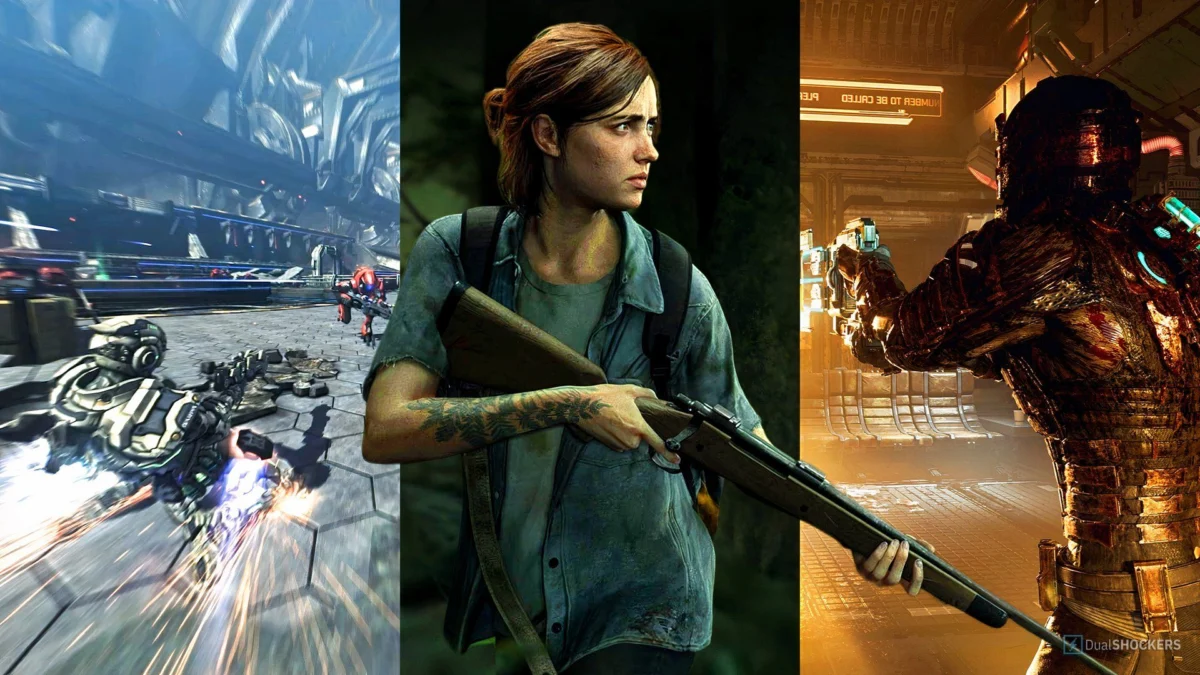
The advent of the over-the-shoulder perspective in gaming, popularized by titles like Resident Evil 4, ushered in a new era of immersive third-person experiences. While cover-based shooters have dominated this landscape, a select group of games have transcended the conventional, offering unique mechanics, narrative depth, and unparalleled player agency. This article delves into ten such titles that eschew traditional cover mechanics, demonstrating the rich diversity and innovation within the third-person genre.
Introduction: The Evolution of Third-Person Perspectives
The gaming landscape has been profoundly shaped by the evolution of camera perspectives. The introduction of the over-the-shoulder view, most notably cemented by Capcom’s groundbreaking Resident Evil 4, revolutionized how players interacted with virtual worlds. This perspective offered a more intimate connection with the protagonist, enhancing immersion and allowing for more nuanced gameplay mechanics. However, as this perspective gained traction, a dominant design philosophy emerged: the cover shooter. Franchises like Gears of War and titles from BioWare exemplified this trend, emphasizing tactical retreats behind protective barriers as a core gameplay loop.
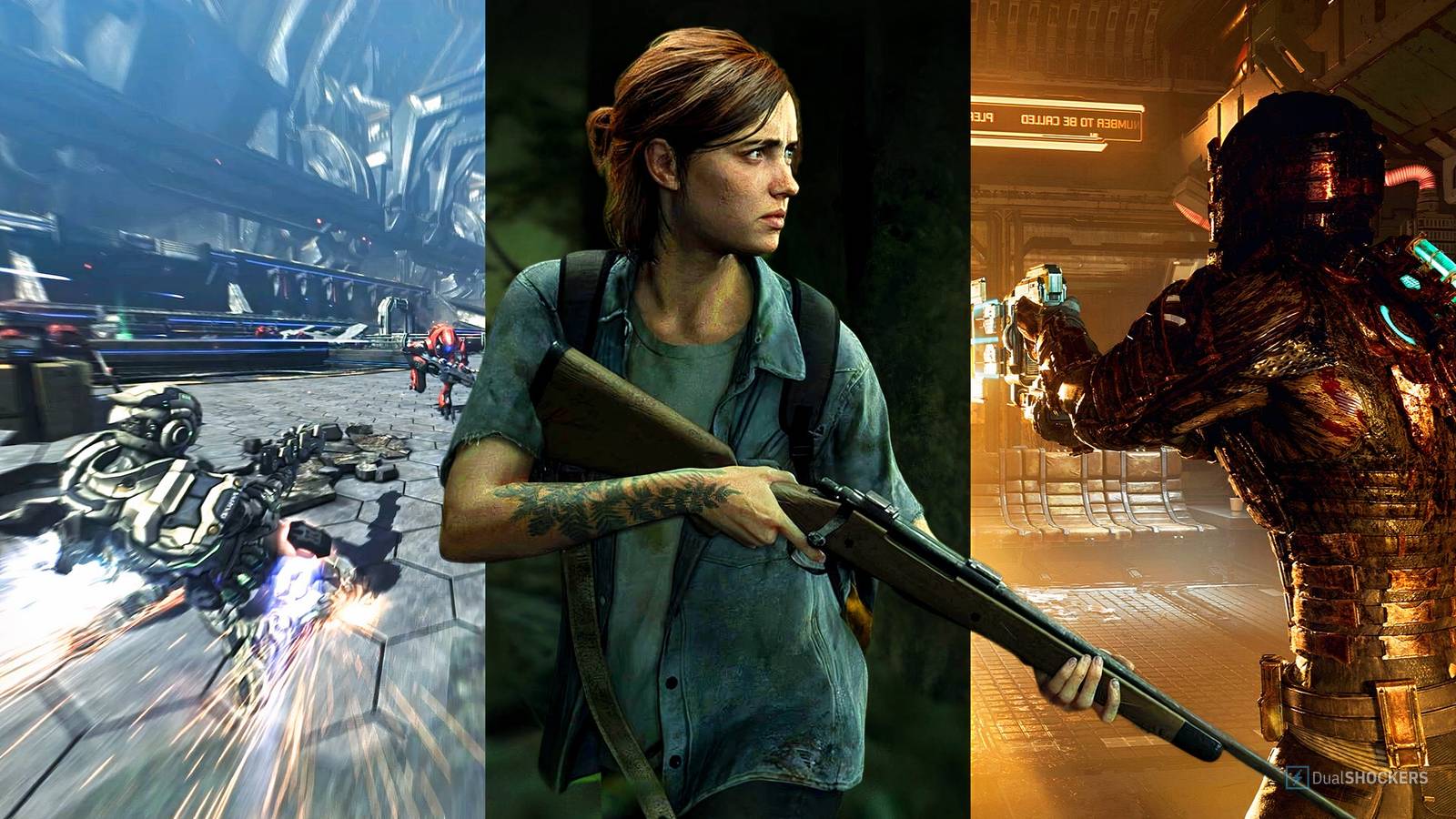
While these games achieved significant commercial success and offered engaging experiences, their reliance on similar mechanics began to feel formulaic. The need to constantly seek cover, peek out, and trade shots, while effective, sometimes stifled player creativity and limited the scope of emergent gameplay. This has created an opportunity for games that dare to break the mold, offering fresh takes on third-person action that prioritize player freedom, strategic movement, and dynamic combat.
This exploration aims to highlight those exceptional titles that have successfully diverged from the cover-shooter paradigm. These games, each with its distinct approach, prove that compelling third-person experiences can be built on foundations of fluid movement, tactical awareness, environmental interaction, and sheer unadulterated fun, without the need to constantly duck behind a wall.
The Unsung Heroes: Masterpieces That Defy Cover Mechanics
10. Hitman: World of Assassination – The Art of the Invisible Hand
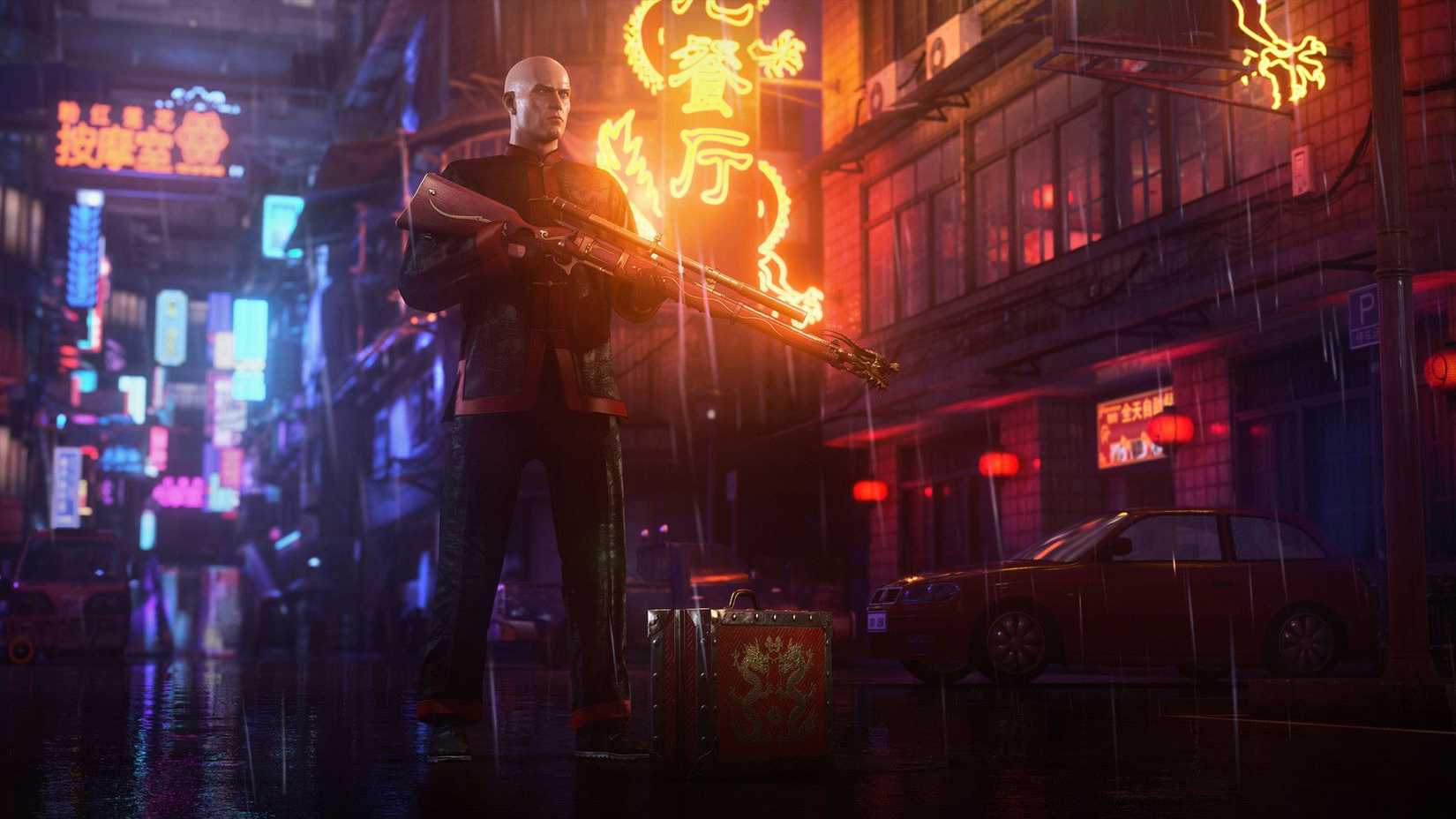
The Hitman franchise, particularly the modern trilogy culminating in Hitman: World of Assassination, stands as a testament to the power of player-driven stealth and emergent gameplay. IO Interactive has masterfully crafted intricate sandboxes where direct combat is not only discouraged but often detrimental to success. Instead, players are empowered with an unparalleled degree of freedom to orchestrate elaborate assassinations through disguise, environmental manipulation, and careful observation.

Chronology and Design Philosophy:
The modern Hitman trilogy, which began in 2016, saw a significant shift towards a more interconnected and expansive approach. Hitman: World of Assassination consolidates all content from Hitman, Hitman 2, and Hitman 3 into a unified experience. This approach emphasizes replayability and allows players to approach objectives in countless ways. The core design philosophy revolves around creating "clockwork sandboxes" – meticulously designed levels teeming with NPCs, each with their own routines and behaviors.
Supporting Data and Gameplay Mechanics:
Unlike cover shooters that funnel players into arenas for firefights, Hitman‘s levels are vast, open environments that encourage exploration and experimentation. The disguise system is paramount, allowing players to seamlessly blend into various roles, from a security guard to a catering staff member, to gain access to restricted areas and close in on their targets. Environmental reactivity is key; a thrown coin can distract a guard, a conveniently placed accident can eliminate a target, and a well-timed poison can do the job without a trace. The game’s AI is sophisticated enough to react to player actions, creating a dynamic and challenging stealth experience. The emphasis is on planning, patience, and improvisation, rewarding players who think outside the box and utilize the environment to their advantage.
Implications for the Genre:
Hitman: World of Assassination demonstrates that third-person games can thrive on systems that reward intelligence and observation over brute force. It offers a masterclass in systemic design, where player agency is paramount and the environment itself becomes a weapon.
9. The Last of Us Part 2 – Brutality and Freedom in a Post-Apocalyptic World
Naughty Dog’s The Last of Us Part 2 is a narrative powerhouse, but its gameplay is equally compelling, offering a nuanced and brutal combat experience that moves beyond mere cover shooting. While the game does feature moments of tactical engagement, its design encourages a more dynamic and fluid approach to encounters, blending stealth, visceral melee, and intense gunplay.
Chronology and Design Philosophy:
Released in 2020, The Last of Us Part 2 builds upon the foundations of its predecessor, refining the combat mechanics and expanding the scope of enemy encounters. The game’s narrative, which explores themes of revenge and the cyclical nature of violence, is intrinsically linked to its gameplay. The design philosophy emphasizes realism and the desperation of survival, forcing players to make difficult choices in the heat of battle.
Supporting Data and Gameplay Mechanics:
The encounters in The Last of Us Part 2 are often larger and more complex than in the first game. The AI is highly sophisticated, capable of flanking, communicating, and coordinating attacks, making static cover positions a risky proposition. Players are encouraged to utilize the environment for cover, but also to move fluidly between positions, employ stealth takedowns, and engage in brutal close-quarters combat. The introduction of mechanics like prone movement and the ability to squeeze through narrow gaps provides players with more tactical options. The dual protagonists, Ellie and Abby, each offer distinct combat styles, with Abby, in particular, encouraging a more aggressive, run-and-gun approach. This variety ensures that each engagement feels fresh and challenging, demanding constant adaptation from the player.
Implications for the Genre:
The Last of Us Part 2 showcases how narrative depth can be seamlessly integrated with sophisticated combat systems. It proves that third-person games can offer intense, emotional experiences where every shot fired and every decision made carries weight, without being solely defined by cover mechanics.
8. Vanquish – The Pinnacle of Stylish, High-Speed Combat
PlatinumGames, renowned for its expertise in crafting stylish and fluid action titles, delivered a true gem with Vanquish. This 2010 release is a high-octane shooter that actively rebels against the slow, methodical pace of its contemporaries. Vanquish is a game about relentless aggression, stylish movement, and a dazzling display of acrobatic combat.
Chronology and Design Philosophy:
Directed by Shinji Mikami, the mastermind behind Resident Evil, Vanquish was designed to be a departure from typical third-person shooters. Its core philosophy is centered on speed, spectacle, and rewarding aggressive play. The game’s "AR Mode" (Augmented Reality Mode), which slows down time, is not a crutch but a tool to facilitate the player’s stylish maneuvers.
Supporting Data and Gameplay Mechanics:
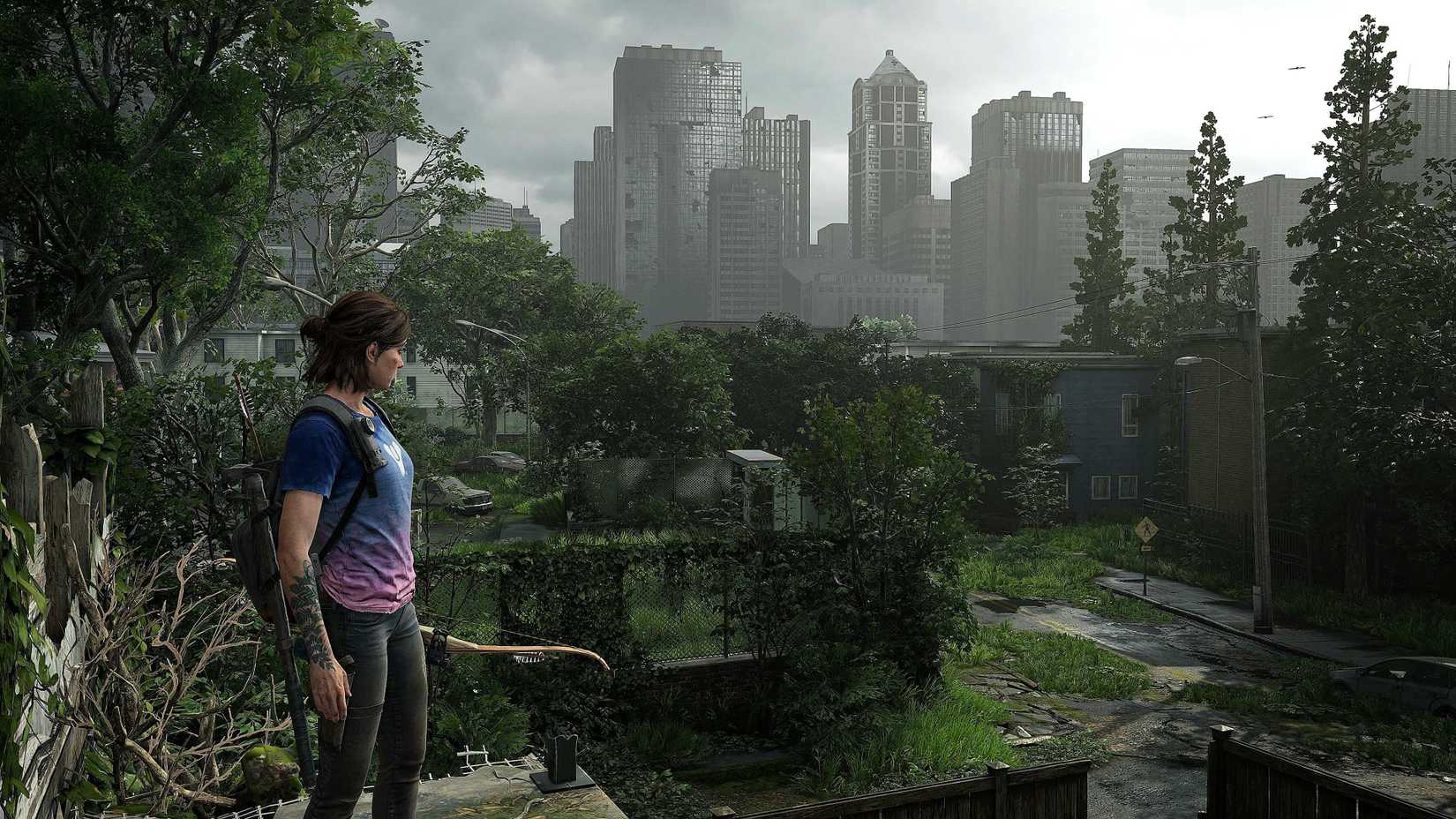
The defining feature of Vanquish is its rocket-powered sliding mechanic. Players are constantly encouraged to zip across the battlefield, evading enemy fire and creating openings for devastating attacks. Staying behind cover for too long is actively discouraged, as it hinders the player’s ability to maintain momentum and score points. The game’s combat is a ballet of bullets and dodges, where the player’s skill in chaining together slides, jumps, and bullet time maneuvers is paramount to survival. The visual design is equally striking, with a futuristic aesthetic and over-the-top action sequences that are pure PlatinumGames.
Implications for the Genre:
Vanquish demonstrated that third-person shooters could be incredibly fast-paced and stylish, prioritizing fluid movement and aggressive engagement over static cover. It remains a benchmark for exhilarating action gameplay that doesn’t rely on traditional shooting tropes.
7. Sunset Overdrive – A Symphony of Mayhem and Movement
Insomniac Games’ Sunset Overdrive is a vibrant and anarchic celebration of movement and mayhem. Released in 2014, this open-world shooter is a testament to Insomniac’s knack for creating fun, engaging gameplay loops built around unique traversal mechanics.
Chronology and Design Philosophy:
Sunset Overdrive was initially an Xbox One exclusive, later finding its way to PC. Its design philosophy is rooted in empowering the player with an extensive arsenal of movement options that are directly tied to the combat system. The game actively discourages standing still, rewarding players who maintain a constant flow of motion.
Supporting Data and Gameplay Mechanics:
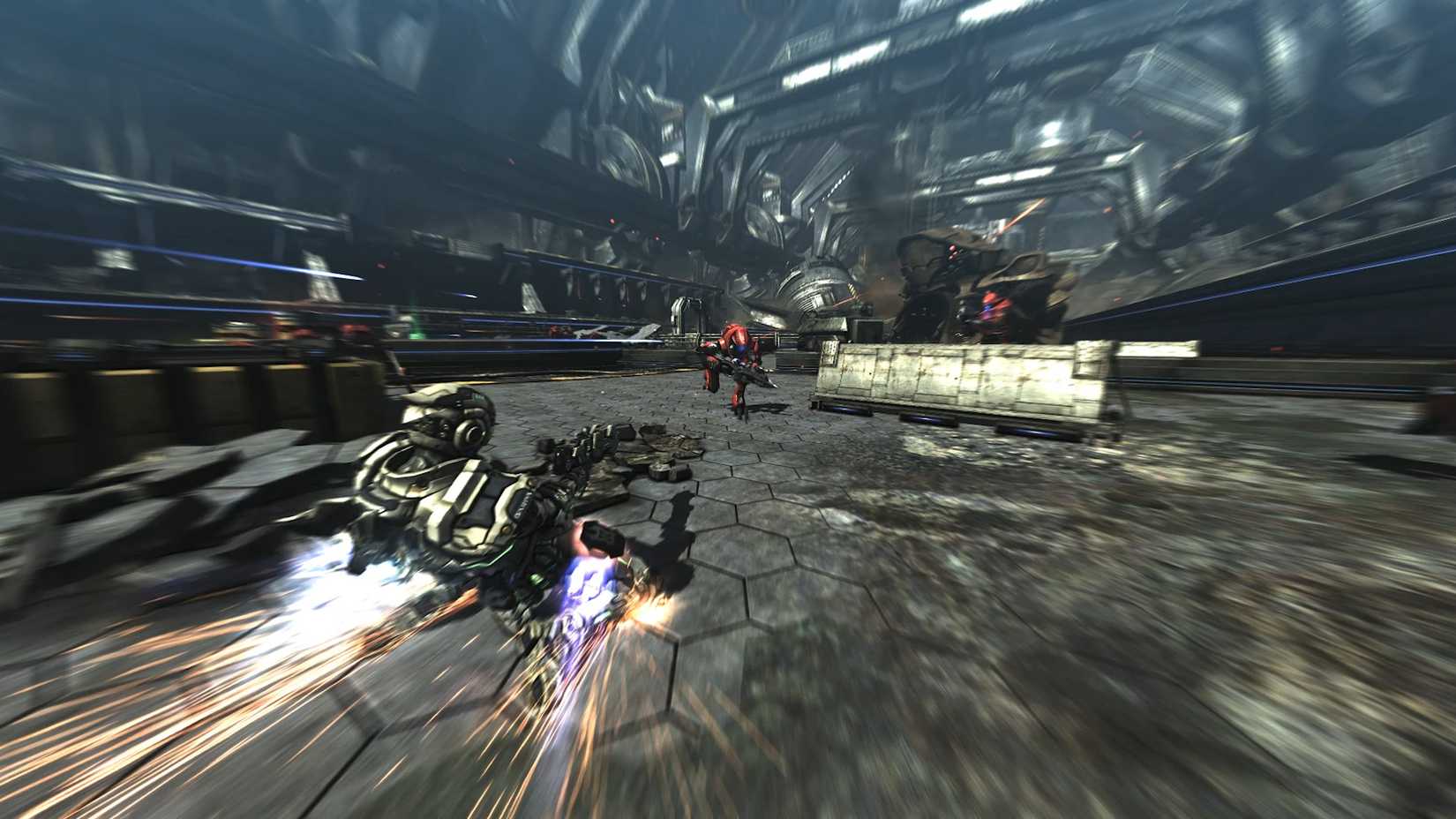
The core of Sunset Overdrive‘s gameplay lies in its "grind-and-bounce" combat. Players can grind on rails, bounce off cars, wall-run, and air-dash across the city of Sunset City. These traversal abilities are not just for getting around; they are essential for survival. Enemies, often mutated by an energy drink, swarm the player, and standing in one place for too long guarantees a swift demise. The game encourages players to chain together movement and attacks, creating a dynamic and visually spectacular combat experience. The witty humor, vibrant art style, and diverse weapon arsenal further enhance the game’s infectious energy.
Implications for the Genre:
Sunset Overdrive proved that a third-person shooter could be incredibly fun and engaging by making movement itself a primary combat mechanic. It highlighted the potential for open-world games to offer a truly unique and exhilarating player experience that goes far beyond traditional cover-based engagements.
6. Control – Unleashing Telekinetic Fury in a Surreal World
Remedy Entertainment has a reputation for crafting unique and atmospheric games with compelling narratives and distinctive gameplay. Control, released in 2019, is no exception. This third-person shooter masterfully blends supernatural abilities with gunplay, creating a combat system that is both empowering and challenging, all without relying on cover.
Chronology and Design Philosophy:
Control is set within the mysterious Federal Bureau of Control (FBC) and features a narrative that delves into the paranormal and the unexplained. The game’s design philosophy emphasizes the player’s mastery of Jesse Faden’s supernatural abilities, making them as crucial as her trusty Service Weapon. The game intentionally avoids cover mechanics, pushing players to engage enemies with a dynamic and aggressive playstyle.
Supporting Data and Gameplay Mechanics:
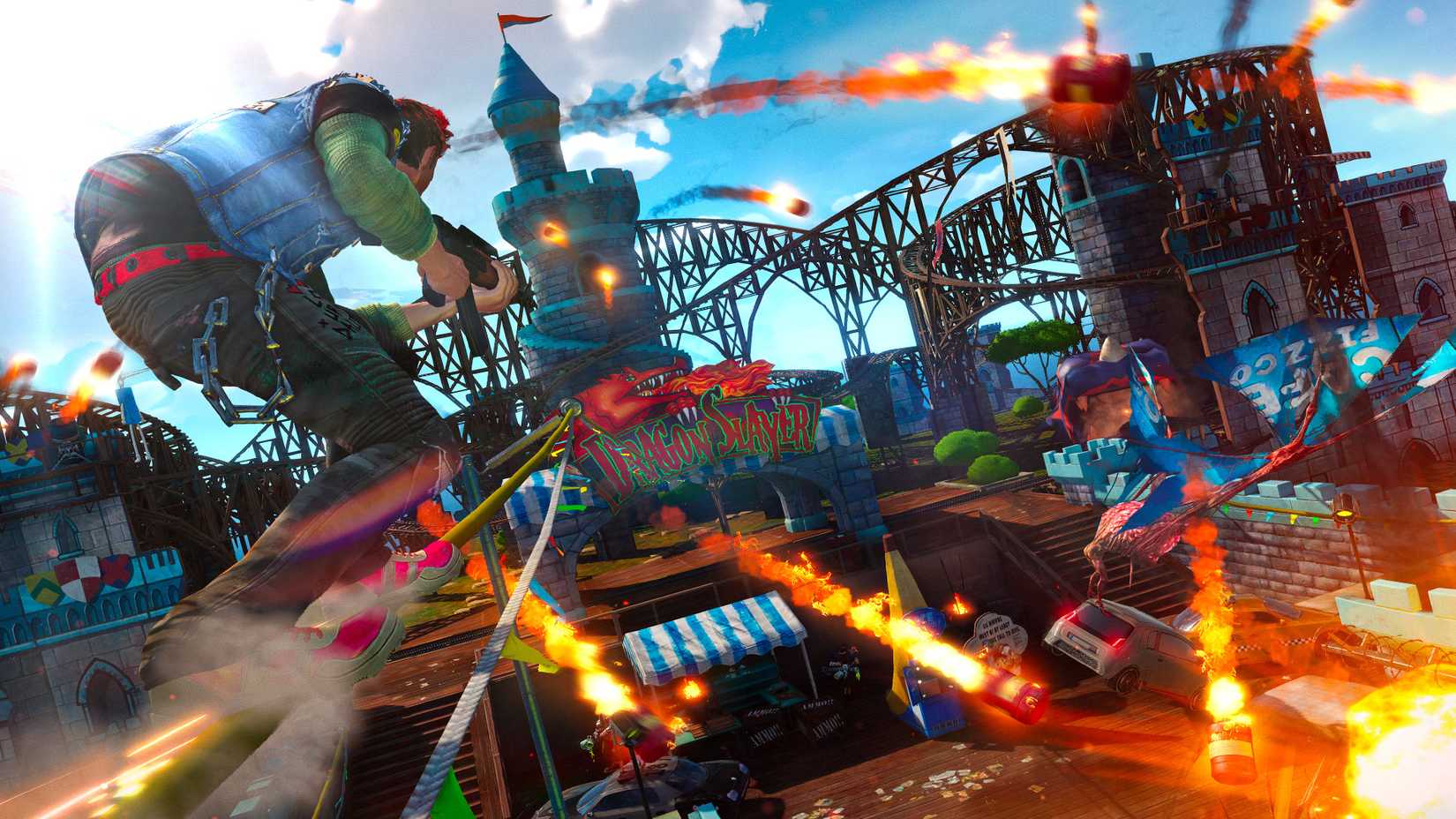
Jesse Faden, imbued with powers from a sentient entity known as Polaris, can levitate, throw objects with telekinesis, and unleash devastating energy blasts. These abilities, combined with her transforming Service Weapon, create a combat loop that is both strategic and visually spectacular. Enemies, known as the Hiss, are relentless and often attack in overwhelming numbers, making traditional cover tactics ineffective. Instead, players must constantly reposition, dodge incoming projectiles, and utilize their powers to manipulate the environment and incapacitate enemies. The game’s physics-driven destruction and environmental reactivity further enhance the feeling of chaotic power. The combat encounters are designed to be fast-paced and demanding, requiring players to stay on the move and adapt their strategies on the fly.

Implications for the Genre:
Control demonstrates that third-person shooters can deliver exhilarating combat experiences by focusing on unique ability systems and environmental interaction. It proves that a game can be challenging and engaging without resorting to cover mechanics, by empowering players with a versatile and destructive set of tools.
5. Dead Space (2023) – Survival Horror Redefined Through Desperate Combat
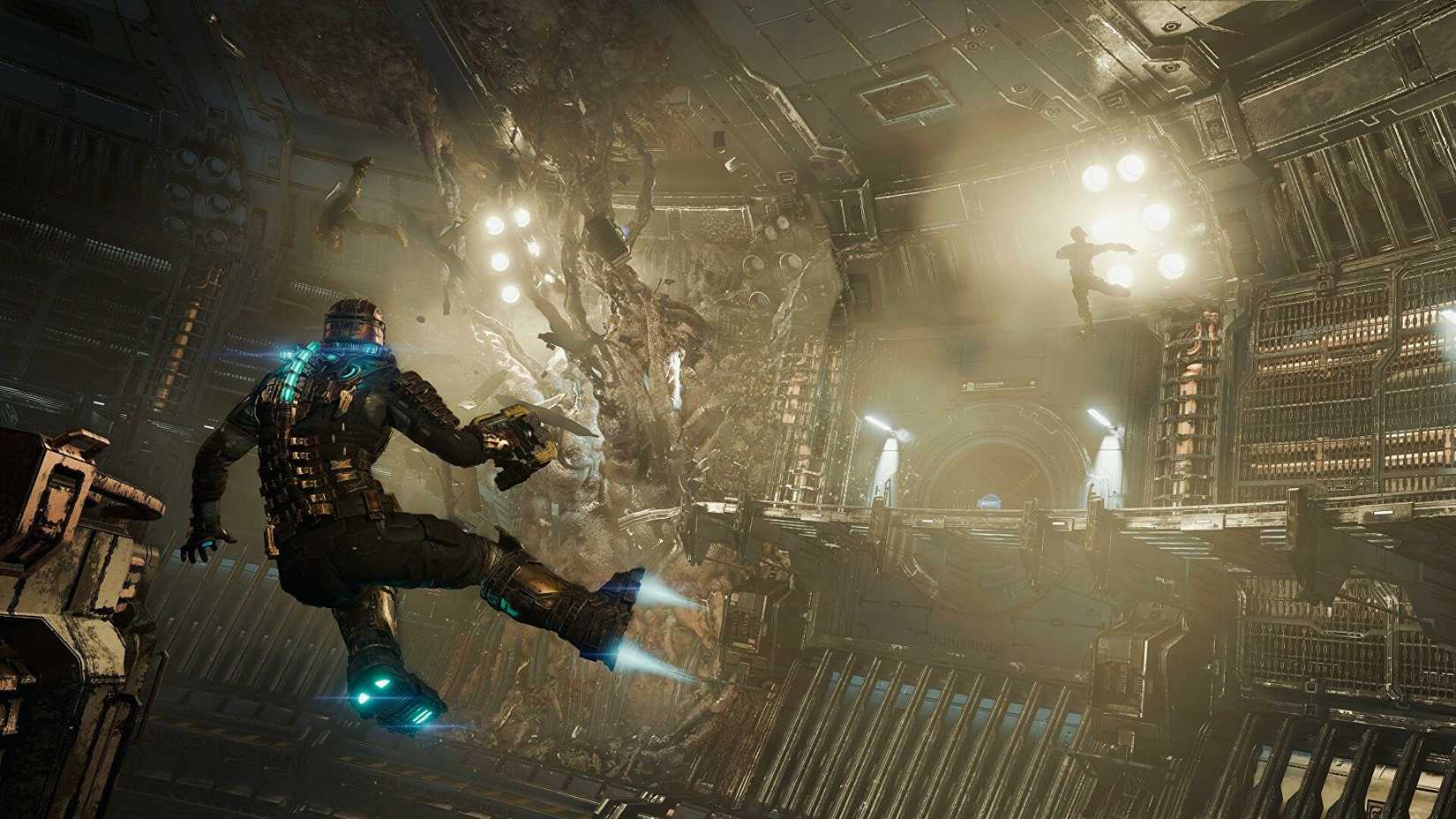
The 2023 remake of Dead Space revitalized a beloved horror franchise, and in doing so, reinforced why its combat mechanics are so effective without a traditional cover system. The game masterfully blends resource management, strategic dismemberment, and an oppressive atmosphere to create a truly terrifying and engaging experience.
Chronology and Design Philosophy:
The original Dead Space, released in 2008, revolutionized survival horror with its innovative "strategic dismemberment" mechanic. The 2023 remake builds upon this foundation, enhancing the visuals, audio, and gameplay to deliver a modern masterpiece. The core design philosophy is to create a sense of vulnerability and desperation, forcing players to confront horrific creatures in claustrophobic environments.
Supporting Data and Gameplay Mechanics:
The Necromorphs in Dead Space are not your typical cannon fodder. They are grotesque, aggressive, and unpredictable. They sprint, crawl through vents, and flank aggressively, making hiding behind cover a futile endeavor. The game’s combat revolves around precisely targeting and dismembering enemy limbs. This unique mechanic not only serves as the primary means of defeating the Necromorphs but also adds a layer of strategic depth. Players must carefully manage their ammunition and health, while constantly being aware of their surroundings. The claustrophobic environments of the Ishimura amplify the tension, ensuring that every encounter is a nerve-wracking struggle for survival. The remake’s enhancements, including the "Intensity Director," further tailor the horror experience to the player, ensuring that no two playthroughs are exactly alike.
Implications for the Genre:
Dead Space exemplifies how a third-person horror game can thrive by forcing players into constant, desperate combat scenarios. It shows that by creating intelligent and terrifying enemies, and by implementing a core combat mechanic that demands precision and strategic thinking, a game can deliver an unforgettable experience without relying on cover.
4. Metal Gear Solid V: The Phantom Pain – The Ultimate Sandbox of Infiltration
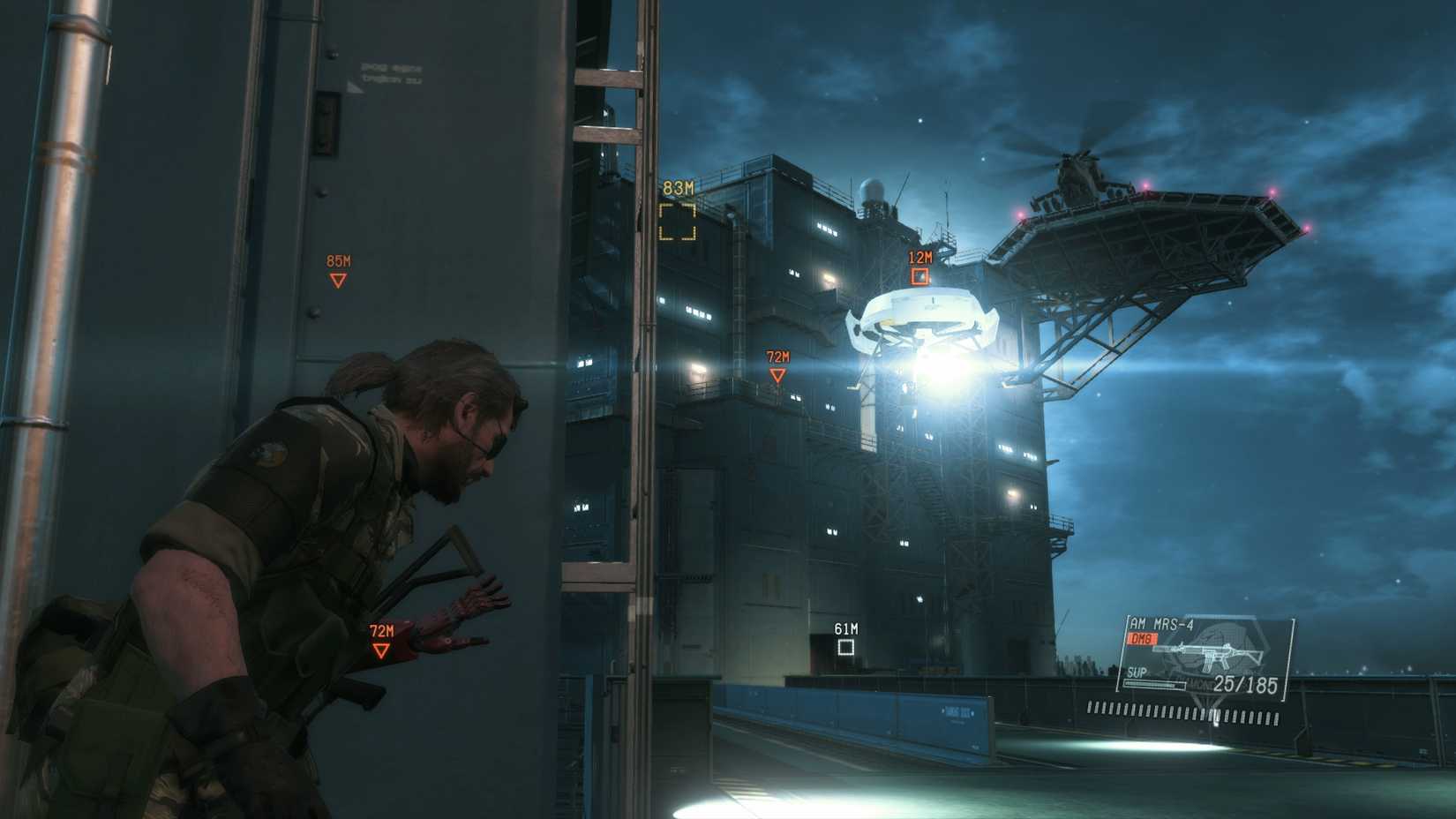
Hideo Kojima’s Metal Gear Solid V: The Phantom Pain is a monumental achievement in open-world design and stealth gameplay. While it does feature a cover system, its true brilliance lies in the unparalleled freedom it offers players to approach any situation in myriad ways, often eschewing traditional cover shooting for more dynamic and emergent solutions.
Chronology and Design Philosophy:
Released in 2015, The Phantom Pain is the culmination of Kojima’s vision for the Metal Gear Solid series. The game’s design philosophy is centered on player agency and emergent gameplay. It provides players with a vast open world, a complex AI system, and a wide array of tools and strategies to accomplish their objectives. The emphasis is on allowing players to experiment and discover their own solutions.
Supporting Data and Gameplay Mechanics:
The AI in The Phantom Pain is remarkably reactive. If players consistently headshot enemies, guards will begin wearing helmets. If they frequently infiltrate at night, enemies will equip flashlights and night-vision gear. This dynamic adaptation forces players to constantly rethink their approach and prevents combat from becoming repetitive. The game’s open-world structure, combined with its robust stealth mechanics, allows for a truly sandbox-like experience. Players can choose to go in guns blazing, utilize stealth and diversions, or even call in aerial support. The sheer breadth of options available ensures that each mission can be approached in a unique and satisfying way, often leading to unexpected and emergent gameplay moments.
Implications for the Genre:
Metal Gear Solid V: The Phantom Pain demonstrates the pinnacle of open-world design, proving that a game can offer a deep and engaging experience without being solely defined by its combat mechanics. Its reactive AI and emphasis on player freedom set a high bar for emergent gameplay in third-person titles.
3. Max Payne – Bullet Time and Noir Grit
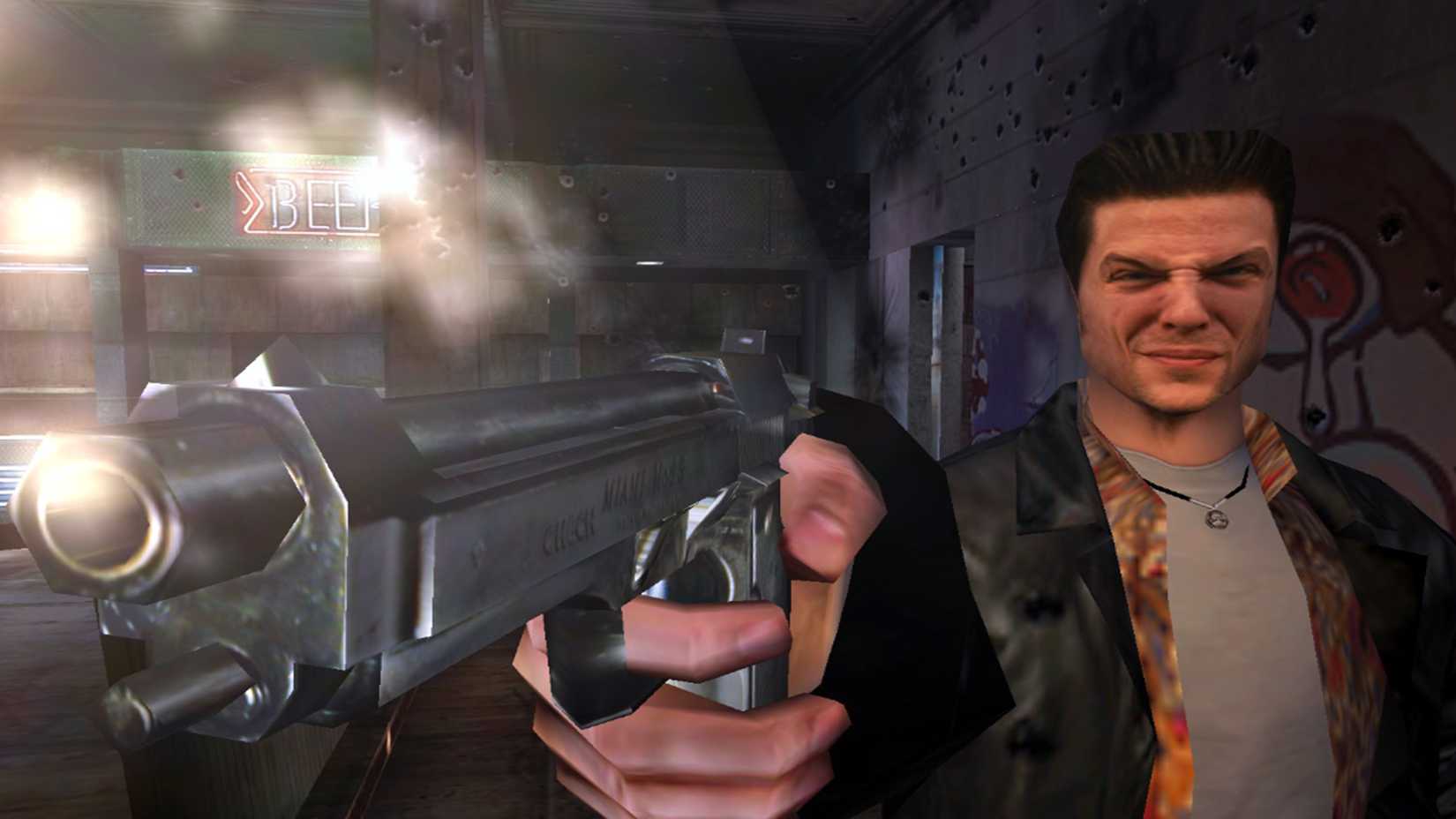
The original Max Payne, released in 2001, was a revolutionary title that defined the "bullet time" mechanic in gaming. Developed by Remedy Entertainment, this third-person shooter blended a gritty noir narrative with stylish, slow-motion gunplay, offering a unique experience that eschewed the need for constant cover.
Chronology and Design Philosophy:
Max Payne introduced the world to the concept of "bullet time," allowing players to slow down time and perform acrobatic feats while lining up shots. The game’s design philosophy is deeply intertwined with its narrative, creating a cohesive experience where the gameplay mechanics enhance the protagonist’s emotional turmoil.
Supporting Data and Gameplay Mechanics:
The core of Max Payne‘s gameplay is its iconic bullet time. This mechanic allows players to dive through the air, dodge bullets, and unleash a barrage of gunfire with cinematic flair. The game’s combat is designed around this core mechanic, encouraging players to engage enemies aggressively rather than seeking cover. The narrative, presented through graphic novel-style panels and the melancholic internal monologues of Max Payne, perfectly complements the chaotic and often brutal gunfights. The game’s atmosphere, steeped in film noir tropes, further immerses players in Max’s descent into vengeance and despair.

Implications for the Genre:
Max Payne proved that a third-person shooter could be incredibly stylish and narratively driven without relying on cover mechanics. The introduction of bullet time opened up new possibilities for dynamic and cinematic combat, influencing countless games that followed.
2. Returnal – Housemarque’s Roguelike Masterpiece
Housemarque’s Returnal, a PlayStation 5 exclusive, is a masterclass in combining challenging roguelike mechanics with intense third-person shooter gameplay. The game’s relentless pace and demanding combat loop push players to their limits, emphasizing skillful movement and strategic decision-making over static cover.
Chronology and Design Philosophy:
Released in 2021, Returnal immerses players in the role of Selene Vassos, an astronaut stranded on the alien planet Atropos. The game’s design philosophy is built around its roguelike structure, where death is a learning experience and each run presents new challenges and opportunities. The combat is designed to be fast-paced and demanding, requiring players to constantly adapt and react.
Supporting Data and Gameplay Mechanics:
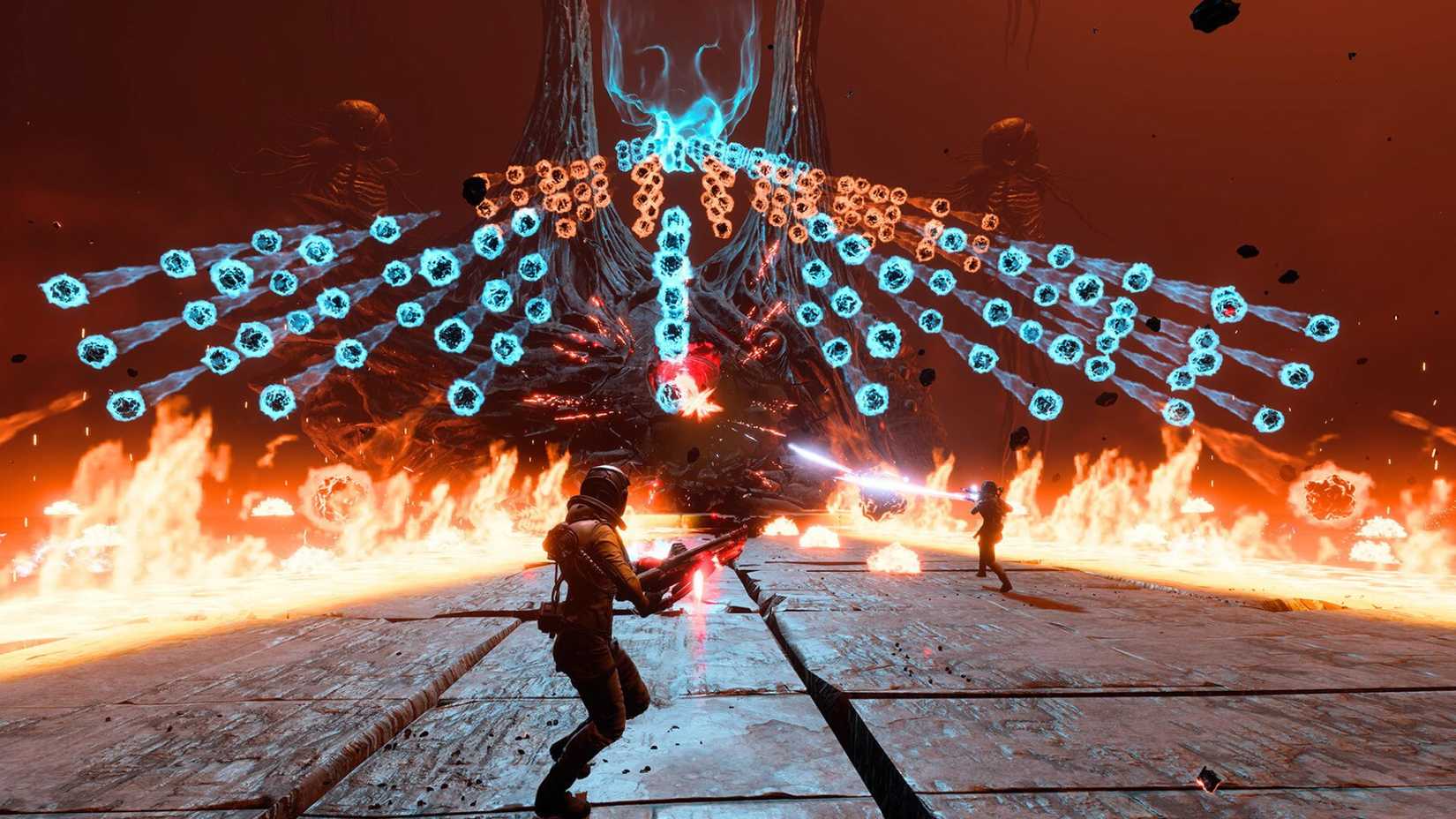
Returnal‘s combat is a frenetic dance of bullets and evasion. Players are constantly bombarded by enemy projectiles, forcing them to utilize Selene’s dash and jump abilities to dodge and weave through the chaos. The game features a wide array of alien weaponry, each with unique firing patterns and secondary functions, encouraging experimentation and adaptation. The environments themselves are often hazardous, throwing environmental obstacles and enemy ambushes at the player without warning. The game’s narrative, delivered through environmental storytelling and Selene’s increasingly fragmented memories, adds a layer of mystery and intrigue to the relentless gameplay. The challenge lies in mastering the game’s intricate mechanics and learning from each death to progress further.
Implications for the Genre:
Returnal demonstrates that third-person shooters can be incredibly rewarding and replayable by incorporating roguelike elements and focusing on a demanding, skill-based combat loop. It showcases how environmental hazards and intelligent enemy design can create intense and engaging encounters without the need for traditional cover mechanics.
1. Resident Evil 4 – The Genesis of the Over-the-Shoulder Revolution
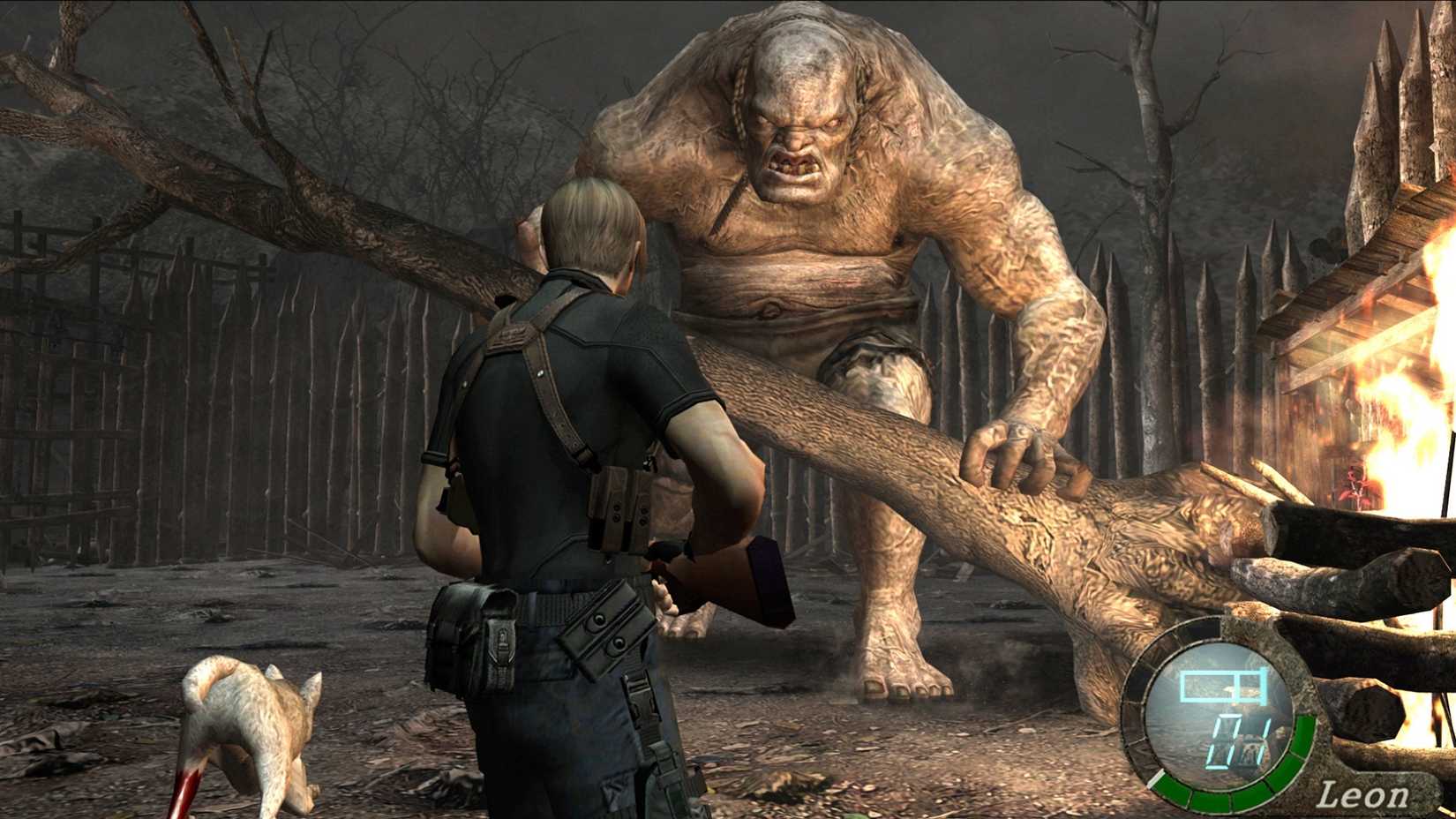
It’s impossible to discuss the evolution of third-person gaming without acknowledging the monumental impact of the original Resident Evil 4. Released in 2005, this title not only popularized the over-the-shoulder perspective but also established a unique combat rhythm that prioritized deliberate action and strategic positioning over constant ducking and weaving.
Chronology and Design Philosophy:
Resident Evil 4 marked a significant departure for the survival horror franchise, injecting a potent dose of action into its gameplay. The game’s design philosophy was to create a more immediate and visceral experience for the player, placing them directly behind protagonist Leon S. Kennedy. The iconic over-the-shoulder camera, coupled with the game’s deliberate movement and shooting mechanics, created a compelling push-and-pull rhythm that redefined the genre.
Supporting Data and Gameplay Mechanics:
The genius of Resident Evil 4‘s gameplay lies in its intentional limitations. Leon cannot move and shoot simultaneously, forcing players to stop and aim before firing. This seemingly restrictive mechanic creates a tense and strategic combat loop. Players must carefully time their shots, utilizing environmental elements and enemy stagger mechanics to create openings for powerful melee attacks like roundhouse kicks. The game’s enemy encounters are designed like intricate puzzles, requiring players to manage their resources, prioritize targets, and strategically reposition themselves to avoid being overwhelmed by the Ganados. The blend of action, survival horror, and arcade-like intensity contributes to its legendary replayability.
Implications for the Genre:
Resident Evil 4 stands as a foundational pillar of third-person gaming. It proved that a camera perspective could revolutionize gameplay, and that deliberate, strategic combat could be just as engaging, if not more so, than fast-paced cover shooting. Its influence is undeniable, shaping the trajectory of countless games that followed and solidifying the over-the-shoulder perspective as a dominant force in the industry.
Conclusion: A Genre of Endless Possibilities
The games highlighted in this list represent a fraction of the exceptional third-person titles that have dared to innovate beyond the confines of cover-based shooting. From the intricate stealth of Hitman to the acrobatic combat of Vanquish, and the narrative-driven brutality of The Last of Us Part 2, these titles demonstrate the boundless creativity and potential within the genre. They prove that compelling gameplay can be achieved through diverse mechanics, intelligent design, and a focus on player agency. As gaming continues to evolve, it is these boundary-pushing experiences that will undoubtedly continue to shape its future, offering players fresh perspectives and unforgettable adventures.











No comments yet. Be the first to join the conversation!