

The advertising landscape is undergoing a subtle, yet profound, shift. As global economic pressures and geopolitical uncertainties continue to dominate the news cycle, the creative output from the world’s most recognizable brands has pivoted sharply toward a singular goal: escapism.
In this week’s creative roundup, we observe a distinct departure from the grit of reality. From the verdant, tranquil gardens cultivated by Miracle-Gro to the heartwarming, loyal companionship depicted by The Farmer’s Dog, the industry is leaning into "blissed-out" aesthetics. Even the typically high-octane world of athletic apparel, represented by Under Armour, has traded in the aggressive "sweat and pain" tropes for a serene, meditative approach to physical exertion.
This article explores the mechanics of this trend, the cultural implications of the current creative cycle, and the data behind why audiences are responding so favorably to these imaginative narratives.
The Shift Toward Escapism: A Chronology of Current Trends
The transition toward lighter, more whimsical advertising did not happen overnight. It is a calculated response to the "burnout" culture that has permeated consumer behavior since the global pandemic.
Phase 1: The Return to Comfort (Early 2024)
Earlier this year, brands began testing the waters with "low-stakes" narratives. Where 2022 and 2023 were defined by purpose-driven marketing and heavy social commentary, the first quarter of 2024 saw a return to comfort. We saw the rise of the "cozy" commercial—ads that prioritized atmospheric music, soft lighting, and relatable, small-scale triumphs.
Phase 2: The Surrealist Turn (Mid-2024)
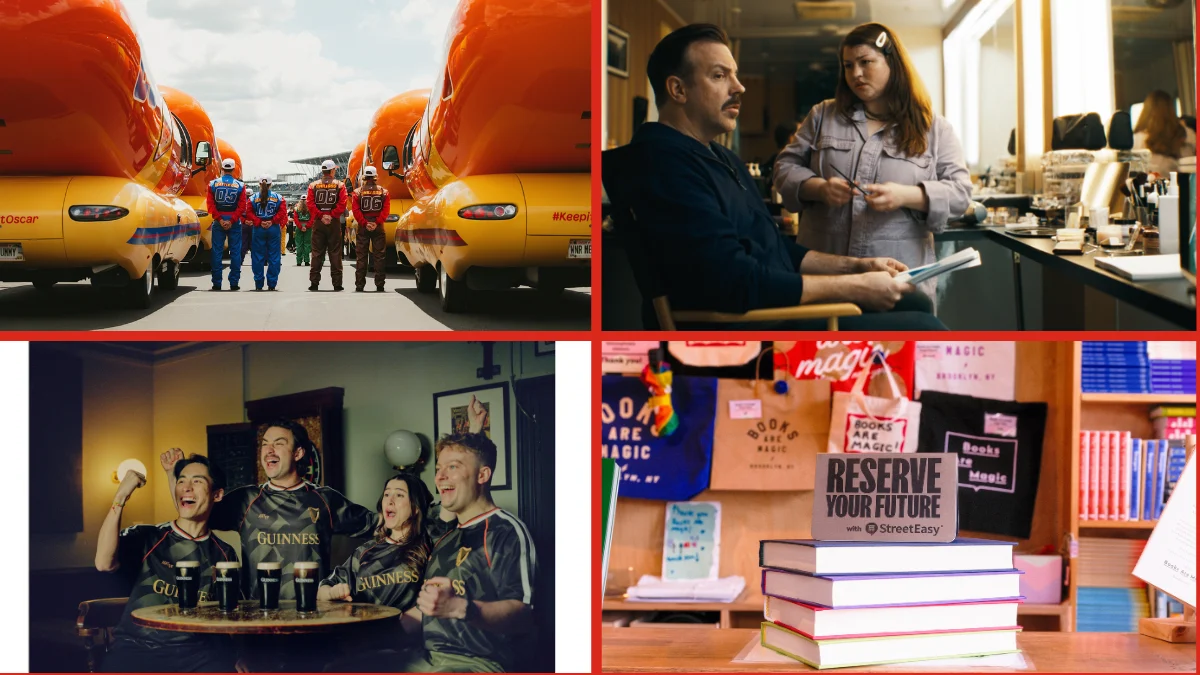
As consumer fatigue deepened, brands moved from "cozy" to "surreal." This is best exemplified by the recent Oscar Mayer campaign featuring racing hotdogs. By leaning into the absurd, brands like Oscar Mayer and Dr Pepper (which recently positioned a soda can as a romantic lead in its latest creative) are creating a "buffer zone" between the consumer and the stressors of the outside world.
Phase 3: The Athletic Zen (Current)
The most recent evolution is seen in Under Armour’s latest creative work. By applying a "blissed-out" quality to fitness, the brand acknowledges that for many, exercise is no longer about winning or competition—it is about escaping the noise of a chaotic daily life.
Supporting Data: Why "Feel-Good" Marketing Works
According to data provided by EDO—our partner for the Most Effective Ad of the Week—there is a direct correlation between high-engagement, "family-friendly" content and long-term brand recall.
The EDO Engagement Index
The EDO methodology tracks search behavior immediately following an ad airing. Their latest findings suggest that campaigns characterized by emotional resonance—specifically those that evoke feelings of warmth, nostalgia, or lighthearted joy—see a 14% higher search intent than campaigns that rely on traditional "hard sell" tactics or high-intensity action sequences.
Demographic Breakdown
- Gen Z (Ages 18–26): Show a marked preference for "unhinged" or surrealist humor, viewing it as a relief from the performative nature of social media.
- Millennials (Ages 27–42): Gravitate toward the "escapist" narratives found in pet-focused ads (like The Farmer’s Dog) and home-centric campaigns (Miracle-Gro).
- Gen X/Boomers: Respond most favorably to the nostalgia-tinged messaging, such as the latest Guinness campaign, which leans heavily into heritage and legacy storytelling.
The Heavy Hitters: Brand Case Studies
1. The Power of Nostalgia: Guinness and Visa
With the World Cup serving as a massive global stage, brands are fighting for dominance through high-profile talent and deep-seated cultural touchpoints.
Visa has successfully tapped into the cultural zeitgeist by enlisting Jason Sudeikis. Sudeikis, carrying the "Ted Lasso" brand of optimistic, fish-out-of-water charm, provides an immediate sense of comfort and familiarity. By aligning themselves with Sudeikis, Visa isn’t just selling a payment service; they are selling a companionable experience.
Conversely, Guinness has taken a retrospective approach. Their latest ad leans into the brand’s deep history, utilizing nostalgic visual language to ground viewers in a sense of permanence—a stark contrast to the rapidly changing digital world.
2. The Absurdist Pivot: Dr Pepper and Oscar Mayer
Perhaps the most surprising shift is the move toward the absurd. Dr Pepper’s choice to treat a carbonated beverage as a romantic partner is a bold creative risk. However, in an attention-starved economy, the "weird" stands out.
Oscar Mayer’s racing hotdogs serve a similar function. By embracing the ridiculous, the brand signals to the consumer: "We don’t take ourselves too seriously, and you shouldn’t have to either." This permission to suspend disbelief is the hallmark of the current escapist movement.
Official Industry Perspectives
"We are seeing a clear migration away from the ‘urgent’ tone that dominated the last decade," says Sarah Jenkins, a lead strategist at a major advertising holding company. "Brands are recognizing that their primary job right now isn’t just to inform, but to provide a respite. When the news cycle is relentlessly bleak, the most powerful thing a brand can do is provide three minutes of genuine delight."
However, this shift is not without its critics. Some industry analysts warn that "escapism" can be a double-edged sword. "If a brand is too detached from reality, they risk appearing tone-deaf," notes marketing historian Marcus Thorne. "The key is to balance the fantasy with a core truth about the product. If the escapism feels unearned, the consumer will sense the artificiality immediately."
Implications for the Future of Advertising
What does this mean for the future of creative strategy? As we look toward major industry gatherings like the upcoming Cannes Lions festival, we expect to see a surge in campaigns that prioritize "Emotional ROI."
The Death of the Hard Sell?
We are not seeing the death of the hard sell, but rather its evolution. Future campaigns will likely integrate the "blissed-out" aesthetic into their conversion strategies. The brands that win in 2025 and 2026 will be those that manage to thread the needle: offering the consumer a place to hide for 30 seconds while simultaneously planting the seed of brand loyalty.
The Role of Technology
As AI-generated content becomes more prevalent, the ability to create hyper-realistic, yet utterly fantastical, worlds will become easier. We anticipate that the "escapist" trend will accelerate as tools like Sora and other generative video platforms allow brands to visualize dreamscapes that were previously budget-prohibitive.
Preparing for Cannes Lions 2026
As the industry prepares for the 2026 Cannes Lions, the conversation is already shifting. The most lauded work will likely be the work that manages to make us feel human again in a world increasingly dominated by automation. The question for agencies will no longer be "How do we get their attention?" but rather "How do we make them feel good?"
Conclusion: The New Mandate for Brands
The evidence is clear: the modern consumer is tired. They are fatigued by the pace of technological change, the weight of global news, and the relentless pressure of the 24/7 digital cycle. Brands that recognize this fatigue and offer a genuine, well-crafted escape are the ones finding resonance in a crowded marketplace.
Whether it is the simplicity of a garden, the companionship of a dog, or the sheer absurdity of a racing hotdog, the current trend toward escapism is more than a creative whim—it is a survival strategy. By providing a bridge to a simpler, more imaginative world, these brands are not just selling products; they are providing a necessary service.
As we look toward the future, the challenge will be to maintain this sense of wonder without losing the fundamental connection to the consumer. For now, however, it is time to sit back, enjoy the show, and let the escapism take the wheel.
For those interested in exploring these trends in depth, join ADWEEK for our upcoming Cannes Lions 2026 coverage. We will be hosting exclusive conversations with the industry leaders who are defining the next era of creative excellence.












No comments yet. Be the first to join the conversation!