

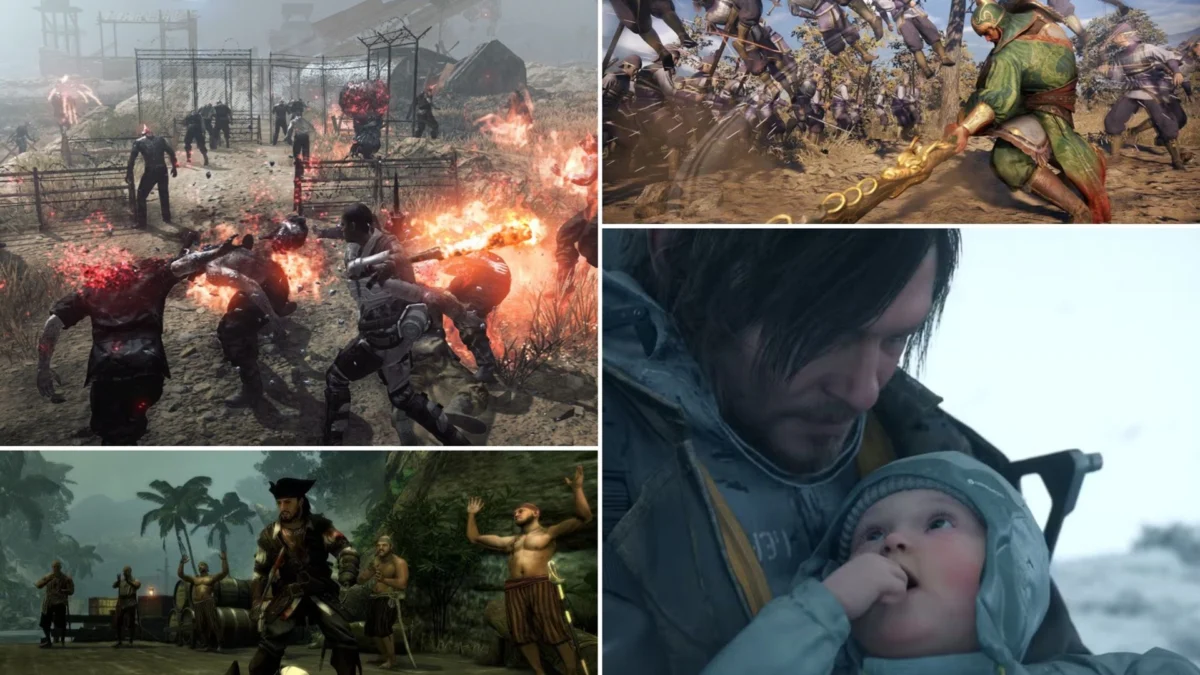
In the vast and ever-expanding landscape of video games, the allure of the open world remains a potent draw for players seeking freedom, exploration, and immersive narratives. However, not all ambitious ventures into sprawling digital realms achieve their potential. With time being a finite resource for any gamer, particularly those balancing their passion with life’s growing responsibilities, the ability to discern which titles are worth the investment is paramount. This article delves into ten open-world games that, for various reasons, fall short of delivering a truly compelling experience, urging players to consider alternative paths in their gaming journeys.
The Value of Discernment in Gaming
The modern gamer faces an unprecedented volume of high-quality titles, making it increasingly difficult to curate a fulfilling gaming backlog. As the author of this piece posits, "Hours are finite, and it’s wise to accept that we can’t play absolutely everything, so each game started should be preceded by a conscious decision-making process that prioritizes enjoyment above all else." This pragmatic approach to leisure is not a utilitarian detraction from the artistic merit of video games, but rather a necessary adaptation for those navigating a world with competing demands. The following list aims to guide players toward more rewarding experiences by highlighting open-world games that, despite their grand ambitions, ultimately miss the mark.
10. Death Stranding 2: On the Beach – A Sequel Demanding a Prequel
While not a failure in quality, Death Stranding 2: On the Beach necessitates a specific player context for its full appreciation. Hideo Kojima’s unique vision, characterized by its unconventional gameplay and intricate narrative, thrives on the foundation laid by its predecessor.
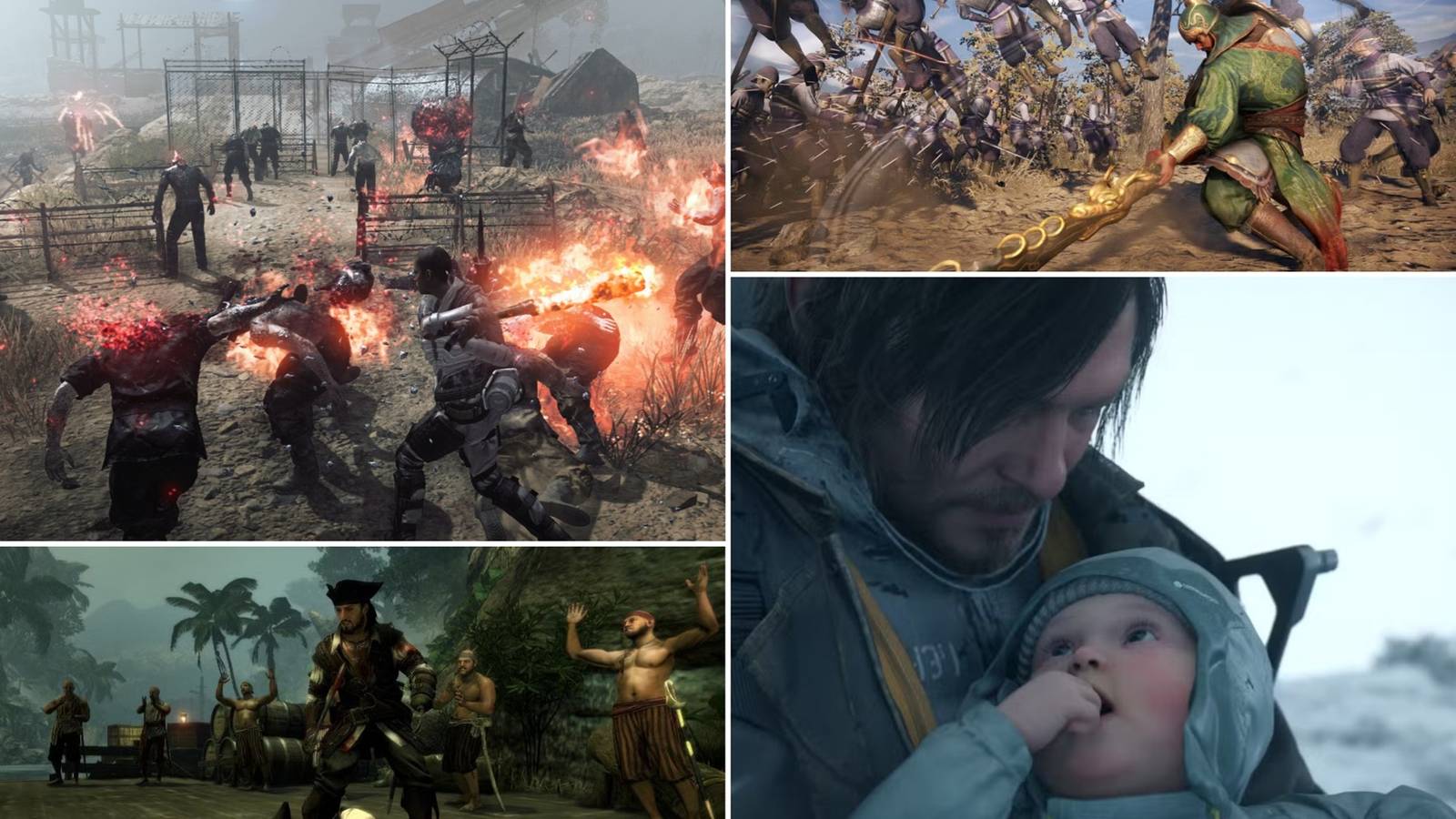
Chronology and Context: Death Stranding 2 is intrinsically linked to the events, themes, and even the unique mechanics introduced in the original Death Stranding. To dive into the sequel without experiencing Sam Porter Bridges’ initial journey of reconnection would be to fundamentally misunderstand and undervalhead the narrative weight and mechanical evolution presented.
Supporting Data: Reviews and player feedback consistently emphasize the importance of playing the first game. The emotional resonance, the understanding of the world’s lore, and the appreciation for the gameplay loop are significantly amplified when experienced in sequence. Ignoring the original diminishes the sequel’s impact, turning a potentially profound experience into a series of disconnected events.
Implications: Kojima’s deliberate storytelling demands players engage with his work chronologically. For Death Stranding 2, this means prioritizing the original game. While the sequel’s quality is undeniable, its true value is unlocked only after traversing the challenging, yet ultimately rewarding, landscape of its predecessor. This isn’t a critique of the game’s merit, but a crucial piece of advice for maximizing player enjoyment.

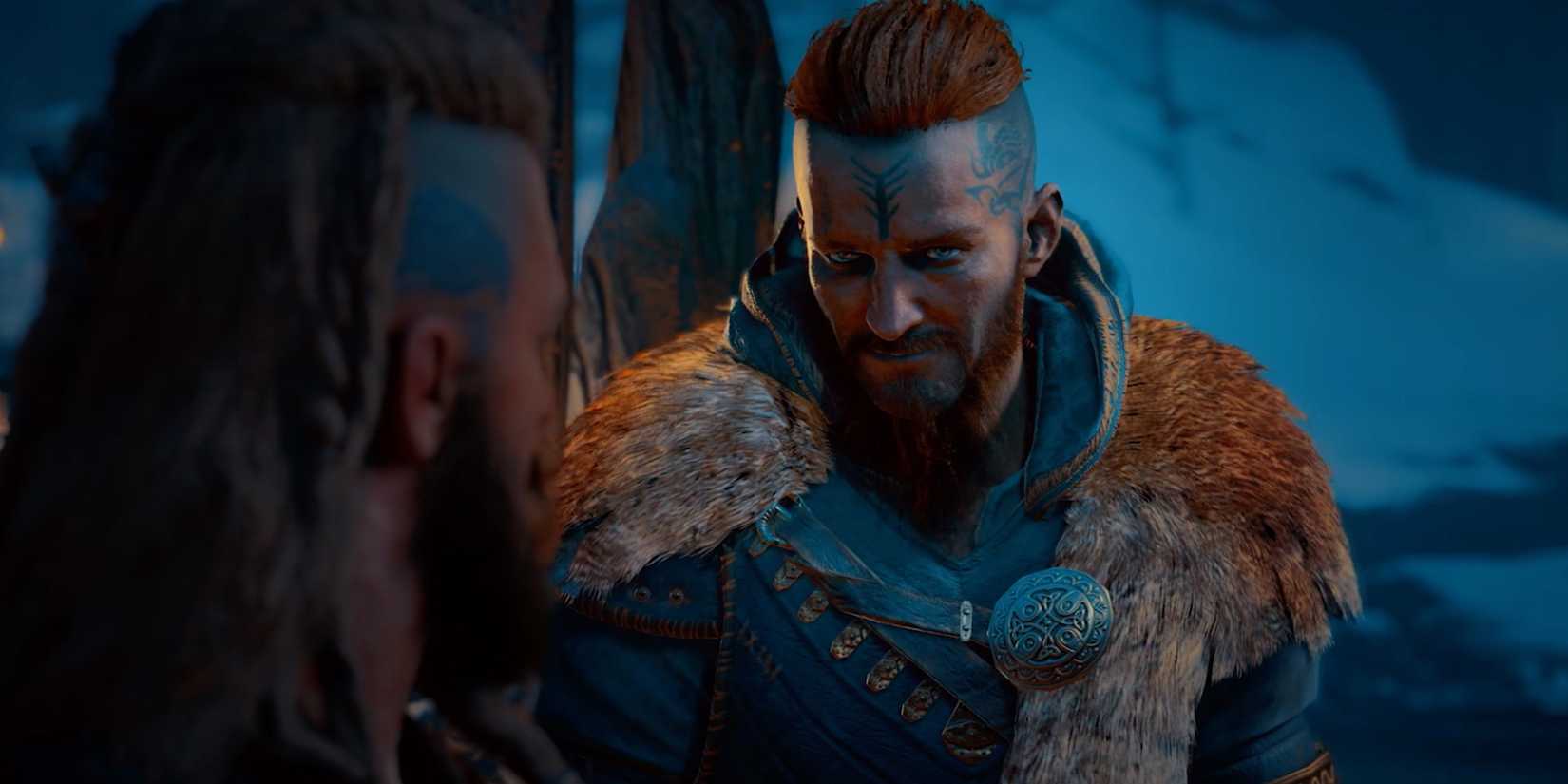
9. Assassin’s Creed Valhalla – A Franchise at a Crossroads
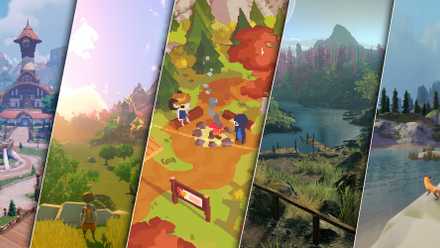
Assassin’s Creed Valhalla, despite its dedicated fanbase and considerable playtime, represents a franchise that has arguably stretched its formula too thin, leading to an experience that, while vast, lacks enduring memorability.
Chronology and Context: The Assassin’s Creed series has consistently evolved, but Valhalla marked a point where the established open-world structure, combat, and quest design felt increasingly repetitive, even with a new historical setting.
Supporting Data: Player feedback and critical reviews often point to the sheer scale of Valhalla as both a strength and a weakness. While offering hundreds of hours of content, many players report a struggle to recall significant portions of their journey long after completion. This suggests a dilution of impact, where quantity may have overshadowed quality.
Implications: With the franchise’s trajectory shifting with titles like Assassin’s Creed Shadows, Valhalla stands as a testament to the series’ past iteration. While not a fundamentally flawed game, it represents a significant time investment that may not yield proportional long-term satisfaction compared to other entries or titles within the broader open-world genre. It serves as a cautionary tale of formulaic design potentially overshadowing innovative potential.
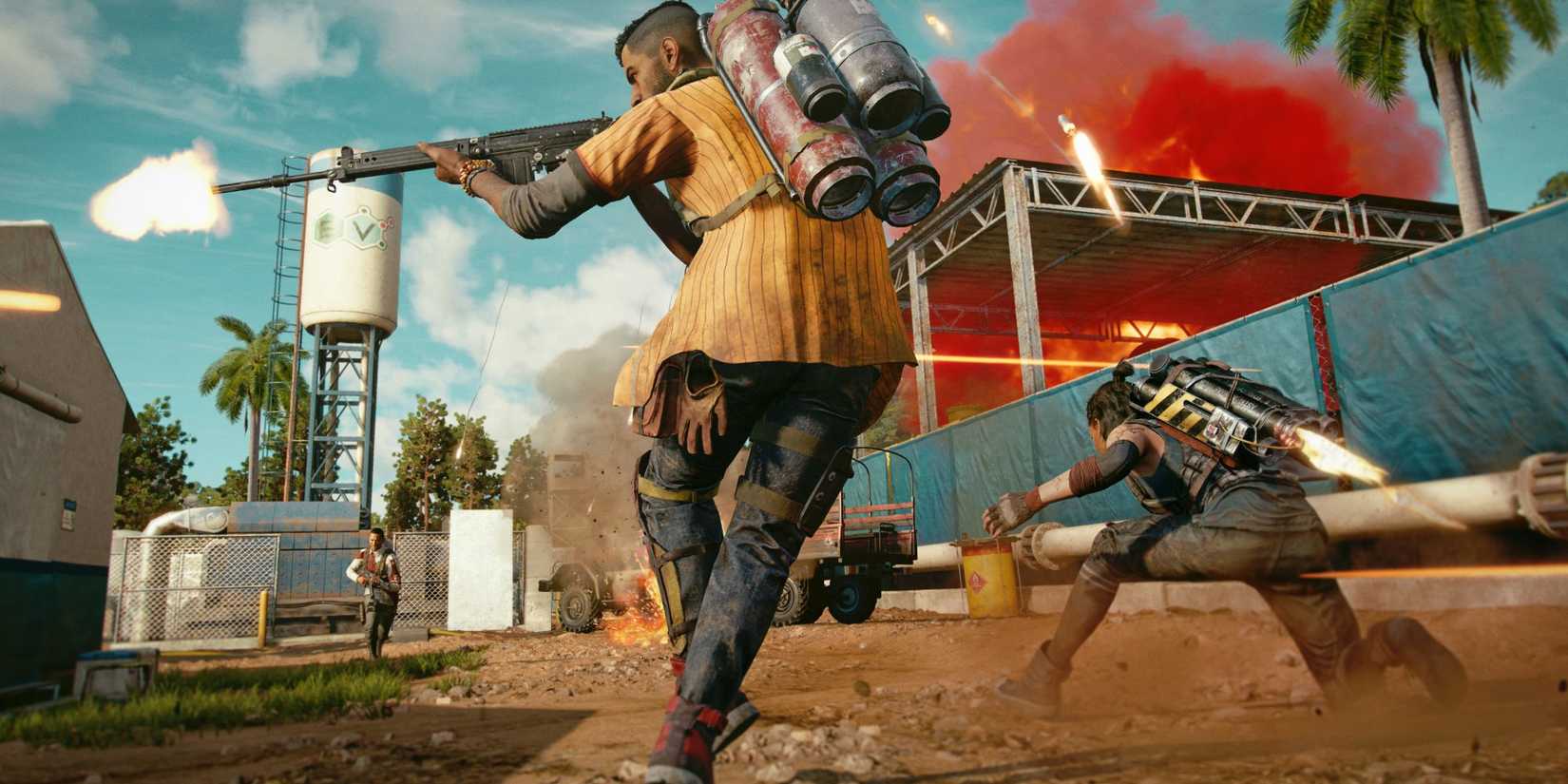
8. Far Cry 6 – The Echo of Familiarity
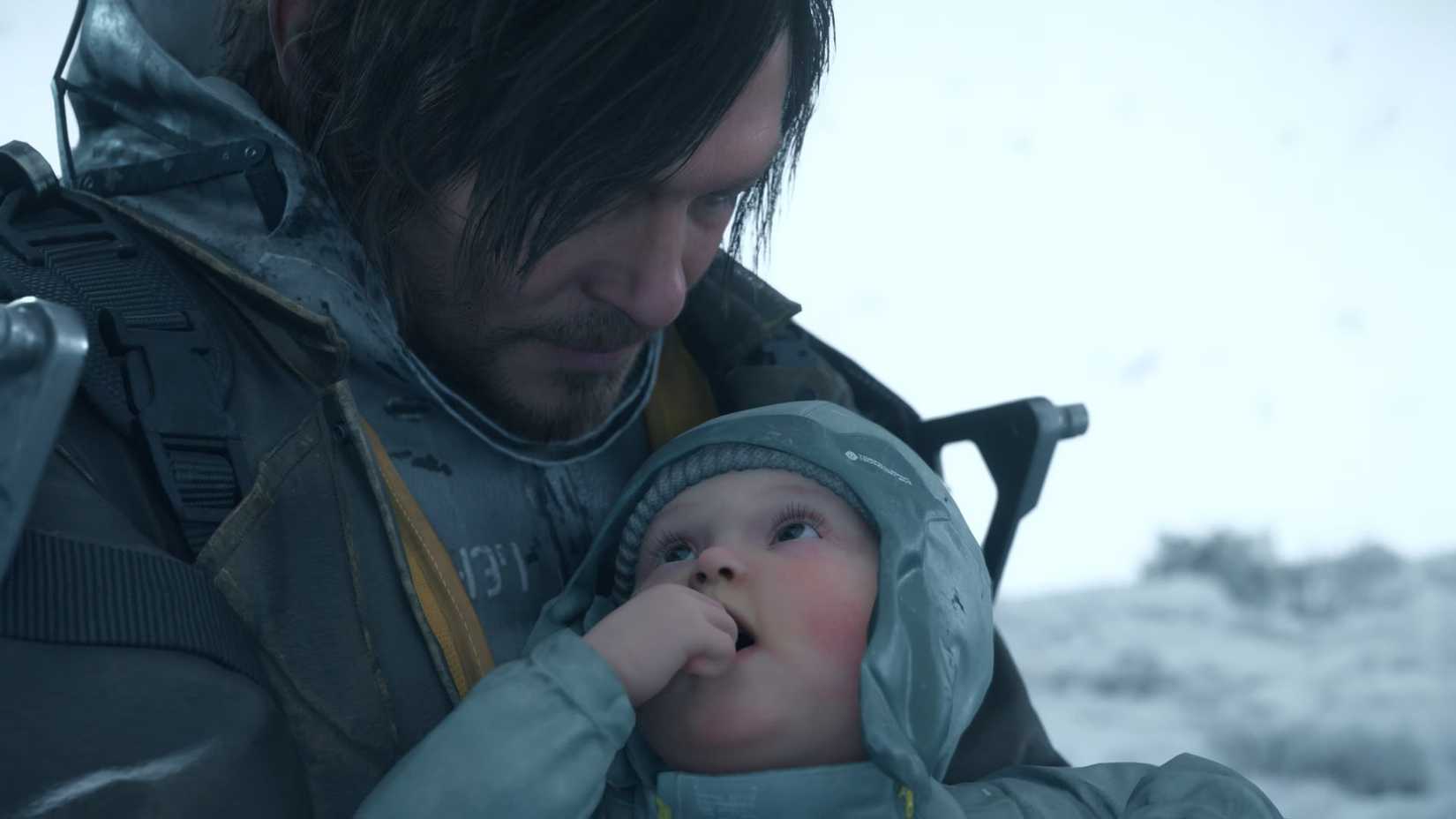
Far Cry 6 embodies a pervasive issue within Ubisoft’s open-world offerings: a reliance on a well-worn formula that, while safe, fails to offer genuine innovation or lasting impact.
Chronology and Context: The Far Cry series has established a recognizable pattern: a charismatic villain, a sprawling exotic locale, and a familiar gameplay loop of liberating outposts and engaging in open-world mayhem. Far Cry 6 largely adheres to this blueprint without significant deviation.
Supporting Data: Players who have experienced previous Far Cry installments, particularly Far Cry 5 and New Dawn, often find Far Cry 6 to be a predictable experience. While the setting of Yara offers potential, the core gameplay mechanics and narrative structure feel like a reiteration rather than an evolution.
Implications: The game’s inclusion on this list is not a condemnation of its playability, but a recommendation to consider the diminishing returns for long-time fans. The potential of its story and setting is often overshadowed by the repetition of established Far Cry tropes. For players seeking a fresh take on the open-world shooter, exploring earlier Far Cry titles or entirely different franchises might offer a more unique and engaging experience.
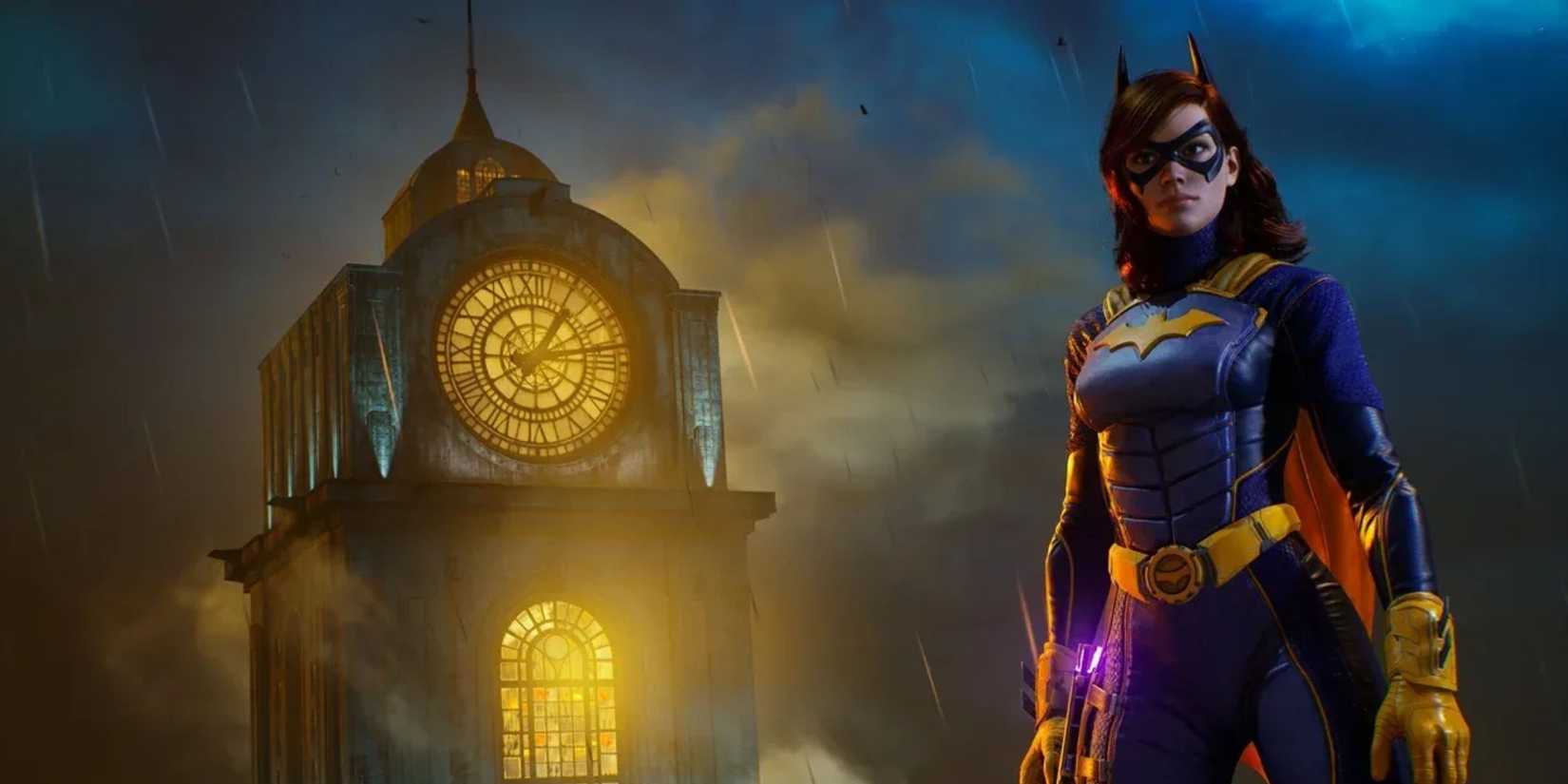
7. Gotham Knights – A City of Unfulfilled Potential
Gotham Knights presented an intriguing premise: a post-Batman Gotham City for players to patrol as his proteges. However, the execution of this concept proved to be a significant disappointment, lacking the depth and engagement expected from a game set in such a rich universe.
Chronology and Context: The game’s narrative hinges on the absence of Batman and the subsequent rise of the Bat-family. This setup, while compelling on paper, failed to translate into a memorable gameplay experience.
Supporting Data: Criticisms of Gotham Knights frequently center on its repetitive combat, uninspired open-world activities, and a general lack of polish. The city of Gotham, a character in itself in previous Batman titles, felt lifeless and devoid of meaningful interaction, contributing to a pervasive sense of boredom. The cooperative element, while intended to enhance the experience, often felt like a necessity rather than a bonus, as playing solo amplified the game’s shortcomings.
Implications: Gotham Knights serves as a prime example of a game with a strong concept that falters in its execution. The hype surrounding the Bat-family taking center stage was considerable, but the resulting game failed to deliver on that promise, leaving players with a hollow experience. It’s a stark reminder that a compelling narrative premise alone cannot salvage a game lacking in core gameplay and world-building substance.
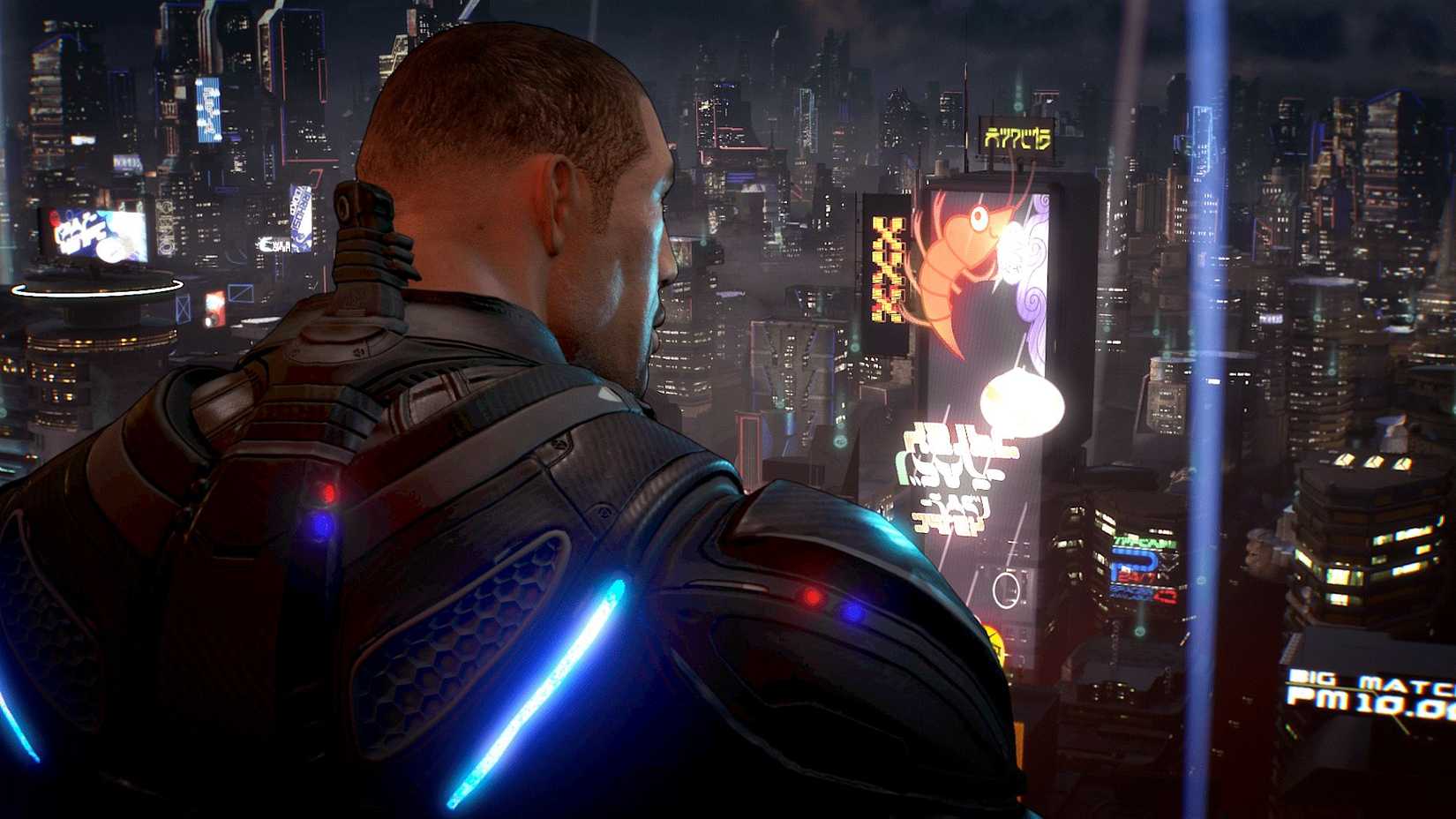
6. Crackdown 3 – A Gimmick Lost in Time
Crackdown 3 arrived with significant fanfare and a promise of unprecedented destruction, yet it ultimately failed to live up to its ambitious vision, becoming a relic of a bygone era of game design.
Chronology and Context: The game’s development cycle was lengthy and fraught with delays, during which the gaming landscape evolved considerably. What was once a groundbreaking concept became an anachronism.
Supporting Data: The core selling point of Crackdown 3 was its destructible environments, powered by cloud computing. While visually impressive in its initial demonstrations, the actual implementation proved to be more of a gimmick than a fundamental gameplay mechanic. The repetitive nature of the open-world activities, coupled with a lack of depth in combat and progression, quickly led to player fatigue. The game’s promise of emergent chaos was largely unfulfilled, leaving players with a sense of unfulfilled potential.
Implications: Crackdown 3‘s failure is a cautionary tale about the perils of over-promising and under-delivering, particularly when relying on nascent technology. The game’s emphasis on destruction, while initially exciting, failed to provide a sustainable or engaging gameplay loop. Players seeking a robust open-world experience would be better served by titles that offer more substantive content and innovative mechanics, rather than relying on a single, albeit impressive, technical feat.
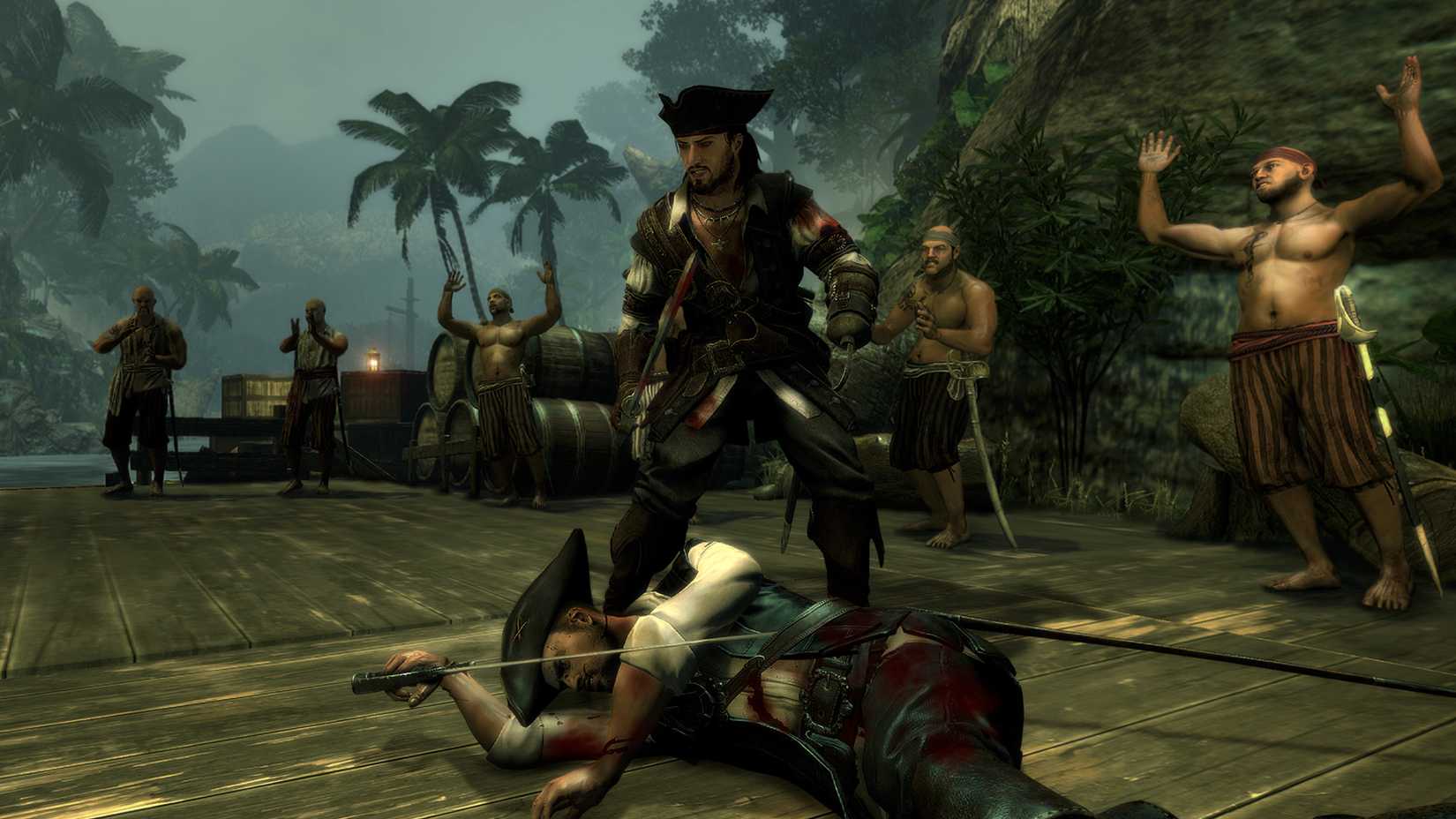
5. Raven’s Cry – A Black Spot on the Seas of Gaming
Raven’s Cry stands as a stark reminder of how a game can fail on virtually every conceivable level, offering an experience so devoid of redeeming qualities that it borders on the actively unpleasant.
Chronology and Context: Released in 2015, Raven’s Cry aimed to deliver a pirate-themed open-world adventure. However, from its inception, the game was plagued by technical issues and a fundamental lack of polish.
Supporting Data: Every aspect of Raven’s Cry has drawn widespread criticism. The combat is clunky and unresponsive, the exploration is tedious, the graphics are dated even for its release, the story is poorly written and executed, and the technical performance is abysmal. There is a consensus among critics and players alike that the game offers no discernible positive attributes. Its lack of critical acclaim is not a matter of opinion, but a reflection of its objective shortcomings.
Implications: For players who may have stumbled upon Raven’s Cry with even a modicum of curiosity, the strongest recommendation is to steer clear. Its existence serves as a cautionary example of what happens when a game is released without sufficient development time, testing, or a clear understanding of what makes a genre enjoyable. It is, by all accounts, an experience that offers no reward and actively detracts from the player’s time.
4. Dynasty Warriors 9 – A Formulaic Misstep
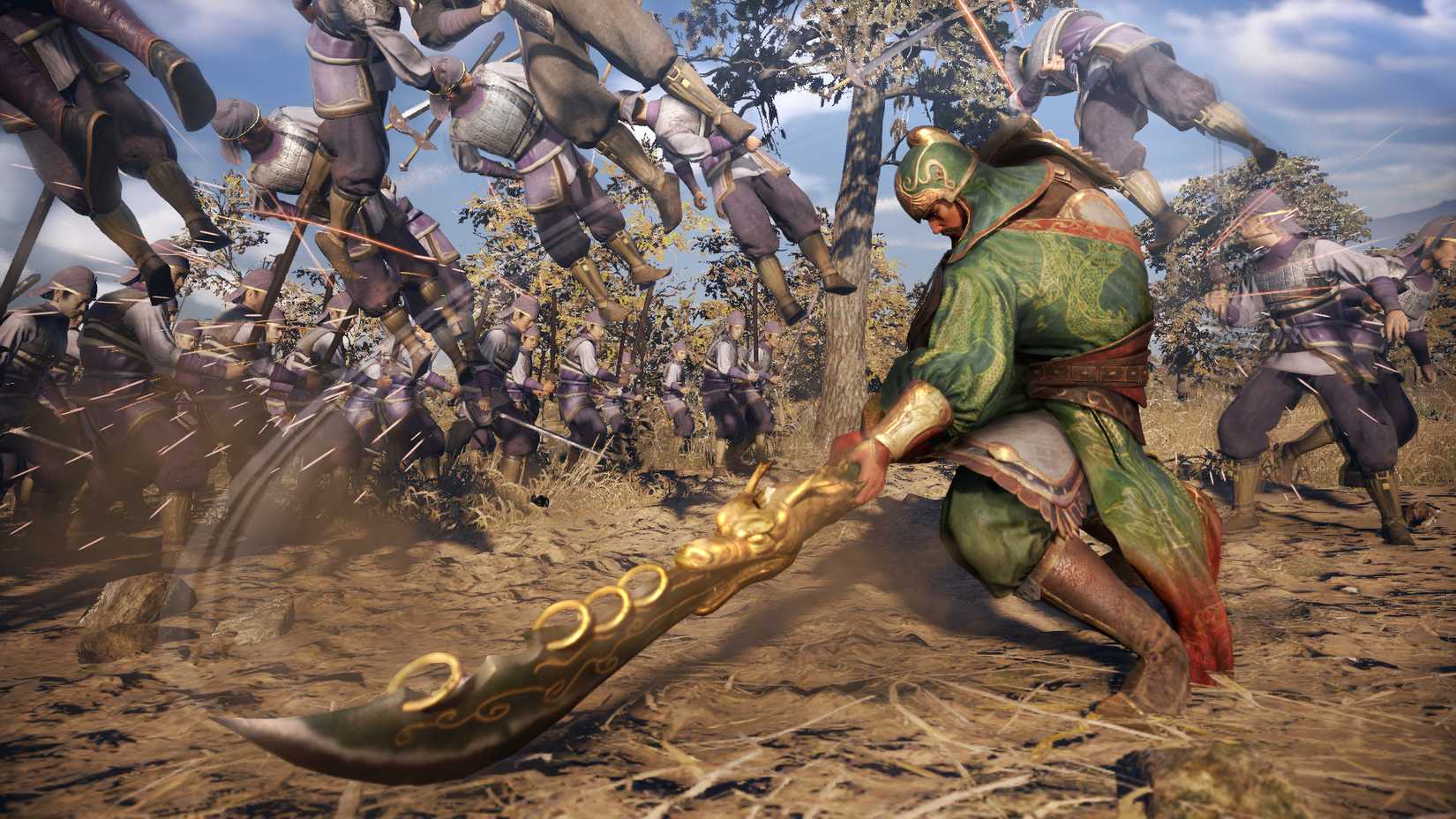
The Dynasty Warriors series, known for its bombastic "one versus thousands" combat, attempted a significant shift with Dynasty Warriors 9, embracing an open-world structure. This ambitious change, however, proved to be a critical miscalculation.
Chronology and Context: The musou genre has a long history of delivering focused, action-packed experiences. Dynasty Warriors 9‘s attempt to graft an open-world framework onto this established formula was met with considerable resistance from the series’ dedicated fanbase.
Supporting Data: The primary criticism leveled against Dynasty Warriors 9 is the fundamental incompatibility of its core gameplay with the open-world genre. The adrenaline-fueled combat becomes diluted when spread across a vast, often empty, landscape. The repetitive nature of missions, a staple of the musou genre, becomes glaringly apparent when players are tasked with traversing large distances between objectives. The exploration, a hallmark of open-world games, feels superficial and unrewarding.
Implications: For fans of the Dynasty Warriors series, Dynasty Warriors 9 represents a departure that, in its execution, undermines the very elements that make the franchise appealing. The attempt to innovate resulted in a game that satisfies neither musou enthusiasts nor open-world aficionados. It serves as a potent example of how ill-fitting genre transitions can lead to a diluted and ultimately unsatisfying experience.
3. Homefront: The Revolution – A Sparkless Rebellion
Homefront: The Revolution aimed to deliver a compelling narrative of resistance in an occupied Philadelphia, but its execution fell woefully short, resulting in a bland and uninspired experience.
Chronology and Context: Building upon the premise of the original Homefront, the sequel attempted to expand the conflict into a fully realized open world. However, the developers struggled to translate the core concept into engaging gameplay.
Supporting Data: The game is often described as a pale imitation of other open-world shooters, particularly the Far Cry series, but without the latter’s polish and budget. The combat lacks impact, the mission design is repetitive, and the open world feels lifeless and devoid of meaningful activities. The narrative, while having potential, is hampered by weak writing and a lack of player agency. The technical state of the game at launch was also a significant concern, with numerous bugs and performance issues plaguing the experience.
Implications: Homefront: The Revolution‘s failure lies in its inability to offer anything unique or engaging within the crowded open-world genre. It’s a game that, despite its ambitious setting, fails to ignite any sense of excitement or investment. Players seeking a meaningful open-world rebellion would be better served by titles that offer more depth, better gameplay mechanics, and a more compelling narrative.
2. The Elder Scrolls II: Daggerfall – A Giant Step Back in Time
The Elder Scrolls II: Daggerfall is an undeniable cornerstone of open-world RPG history, a title that pioneered many concepts that would define the genre. However, its age presents a significant barrier to entry for modern players.
Chronology and Context: Released in 1996, Daggerfall offered an unprecedentedly vast world and a complex set of systems for its time. Its ambition was monumental, laying the groundwork for future Elder Scrolls titles.
Supporting Data: While its historical significance is unquestionable, the gameplay mechanics and presentation of Daggerfall are severely dated. The sheer scale of its world, while impressive for its era, translates to a demanding and often tedious experience for contemporary players accustomed to more streamlined gameplay. Navigating its sprawling landscapes and engaging with its rudimentary systems can be a significant challenge, often leading to frustration rather than immersion. While community mods exist to enhance accessibility, the original vision remains a formidable undertaking.
Implications: For players who have experienced the more refined Elder Scrolls titles like Morrowind, Oblivion, or Skyrim, returning to Daggerfall is akin to climbing an ancient, challenging mountain. Its historical value is immense, but its playability for the uninitiated is questionable without significant effort or the use of fan-made enhancements. It stands as a monument to past innovation, but one that requires considerable fortitude to fully appreciate in its original form.
1. Metal Gear Survive – A Betrayal of the Brand
Metal Gear Survive is a title that not only failed to impress but actively insulted the legacy of the Metal Gear franchise, standing as one of the most disappointing open-world (or survival) games in recent memory.
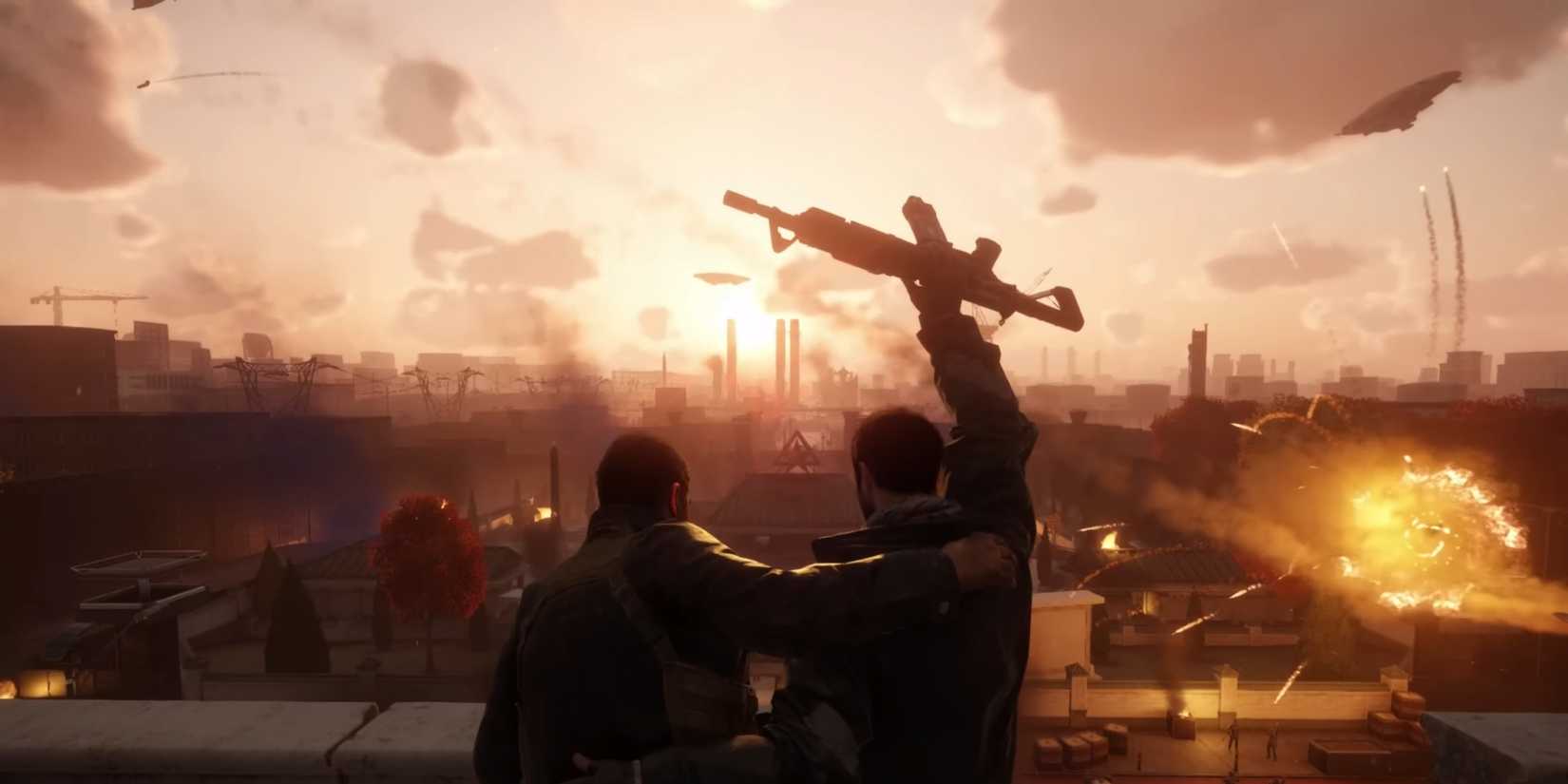
Chronology and Context: Emerging in the wake of the critically acclaimed Metal Gear Solid V: The Phantom Pain, Metal Gear Survive was positioned as a spin-off that would explore a parallel dimension. However, this premise was merely a thin veneer for a deeply flawed survival game.
Supporting Data: The game has been universally panned for its aggressive monetization, repetitive gameplay loop, frustrating survival mechanics, and overall lack of polish. The core gameplay revolves around resource gathering, crafting, and fending off waves of enemies, all of which are executed with a tedious and uninspired design. The reliance on online connectivity and microtransactions further compounded player dissatisfaction, creating an experience that felt exploitative and devoid of the narrative depth and stealth-action brilliance that defined the Metal Gear series.
Implications: Metal Gear Survive is not merely a bad game; it is an affront to the legacy of a beloved franchise. Its existence serves as a stark warning against developers prioritizing profit over quality and respect for their established IPs. The game represents a low point for Konami and a cautionary tale for players about the dangers of misplaced expectations and the potential for even the most revered franchises to falter spectacularly. It is an open-world (or survival) experience that is unequivocally best left unplayed.










No comments yet. Be the first to join the conversation!