

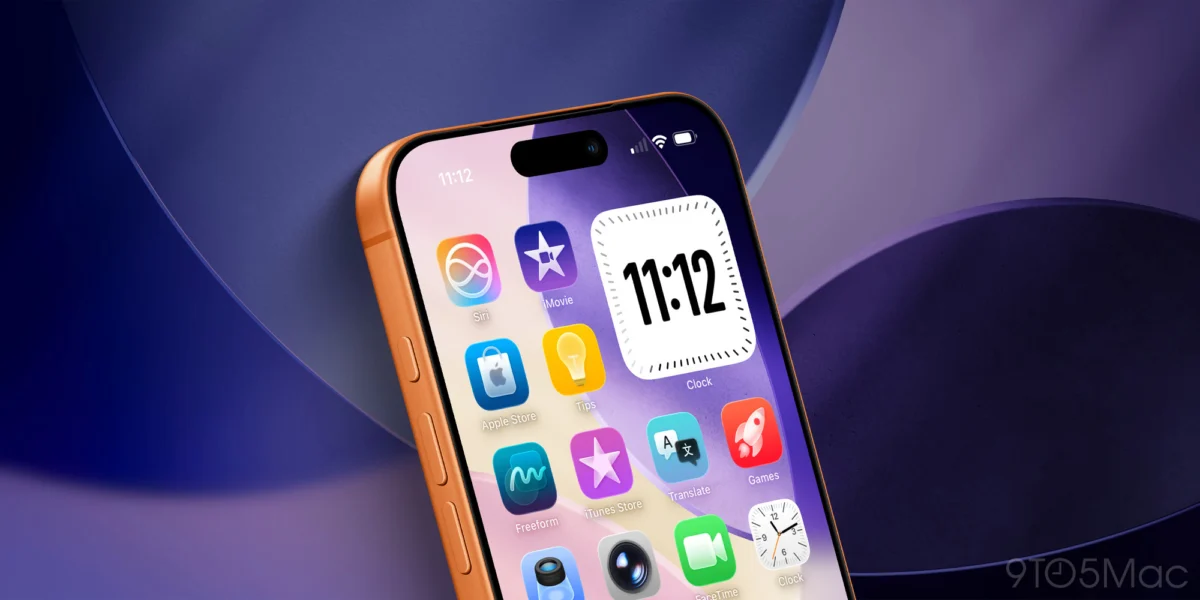
As the technology industry pivots toward an era defined by agentic artificial intelligence, Apple is poised to make its most significant software play in years. With WWDC 2026 just weeks away, anticipation is reaching a fever pitch regarding the unveiling of iOS 27 and a total top-to-bottom transformation of Siri. According to the latest reports from industry analysts, including Mark Gurman of Bloomberg, Apple is finally ready to deliver on its long-standing promise of a smarter, more capable, and deeply integrated AI assistant.
The centerpiece of this update is a new, standalone Siri application. Moving beyond the floating orb of the past, this evolution represents Apple’s answer to the rise of advanced large language model (LLM) interfaces like ChatGPT and Claude. By integrating Google’s Gemini models under the hood—while maintaining Apple’s signature focus on privacy—the company is aiming to reclaim its status as a leader in consumer AI.
Main Facts: A New Era for Apple’s Digital Assistant
The upcoming iOS 27 release is expected to introduce a radically different Siri experience. For years, Siri has been criticized for its limitations in handling complex, multi-turn conversations and its inability to effectively bridge different apps within the Apple ecosystem. The new standalone app seeks to bridge that gap by providing a dedicated environment for AI interaction.
Key features of the new Siri include:
- A Conversational Interface: The app will move away from simple command-and-control interactions to a chat-based interface. Users will be able to start new conversations, maintain history logs, and interact with the AI in a manner similar to current generative AI chatbot platforms.
- Multimodal Input: Users will have the ability to upload files, documents, and images directly into the chat interface for analysis and discussion.
- System-Wide Gestures: Apple is introducing a new, intuitive universal gesture designed to summon the AI instantly, ensuring that the assistant is always just a swipe or a tap away.
- Dual Interface Modes: The app will offer flexibility in its visual presentation. Users can choose between a standard conversational flow, mirroring the design of apps like ChatGPT, or a structured, list-based view similar to the iMessage interface, allowing for better organization of past inquiries.
- Auto-Deleting Chats: Prioritizing user autonomy, Apple is bringing a privacy feature popularized by iMessage to Siri: the ability to set conversation histories to automatically delete after 30 days, one year, or to remain indefinitely.
The Chronology: A Two-Year Journey to Market
The road to the 2026 version of Siri has been characterized by strategic shifts and, at times, significant delays. To understand the gravity of the upcoming announcement, one must look at the timeline of Apple’s AI evolution.

- 2024: The Missed Opportunity. Initially, industry analysts expected a "Siri 2.0" to debut in 2024. However, as the generative AI boom accelerated, Apple reportedly realized that its internal models were not yet ready to compete with the rapid advancements being made by OpenAI and Google. The project was internally pushed back to ensure that the user experience met Apple’s stringent quality standards.
- 2025: The Foundation of Apple Intelligence. Throughout the previous year, Apple laid the groundwork with the initial rollout of "Apple Intelligence" in iOS 18. This was a critical testing phase, allowing the company to integrate localized AI processing into its hardware and establish the infrastructure for the more robust features coming in 2026.
- Early 2026: The Google Partnership. In a move that surprised many industry observers, reports confirmed that Apple had reached a deal with Google to utilize Gemini models for power-intensive AI tasks. This partnership allowed Apple to focus on its core strengths—privacy, UI design, and system-level integration—while offloading the heavy lifting of language model processing.
- June 2026: The WWDC Reveal. The upcoming Worldwide Developers Conference is set to be the stage where the beta version of this technology finally reaches the hands of developers and, shortly thereafter, the public.
Supporting Data: Infrastructure and Privacy
A central point of concern regarding Apple’s partnership with Google has been the privacy implications of using a third-party model. Apple has addressed this through a sophisticated architectural choice: Private Cloud Compute.
Instead of routing user queries directly to Google’s public servers, Apple will process these requests on its own proprietary, privacy-focused server infrastructure. The technical implementation ensures that while the "brain" (the Gemini model) is provided by Google, the "shell" (the data transmission and security layer) is entirely Apple-controlled.
Furthermore, Apple has maintained that Google will not be permitted to use any data from Siri interactions to train its own models. This distinction is vital for Apple’s brand identity, which is built on the premise that the user is the customer, not the product. By adding the auto-delete functionality for chat logs—a feature that allows users to treat their AI history as ephemeral—Apple is clearly signaling that it intends to remain the "privacy-first" choice in an AI-saturated market.
Official Responses and Internal Sentiment
While Apple rarely comments on unreleased software, the internal atmosphere at Cupertino is reportedly one of cautious optimism. Sources within the company suggest that the "beta" label, which will accompany the launch, is a deliberate choice.
"Test versions of iOS 27 within Apple use this label for the new Siri and include a toggle to leave the Siri beta," the report notes. This strategy is consistent with Apple’s historical approach to transformative features. By labeling the service as a beta, Apple manages user expectations while allowing for rapid iterative updates based on real-world usage data.
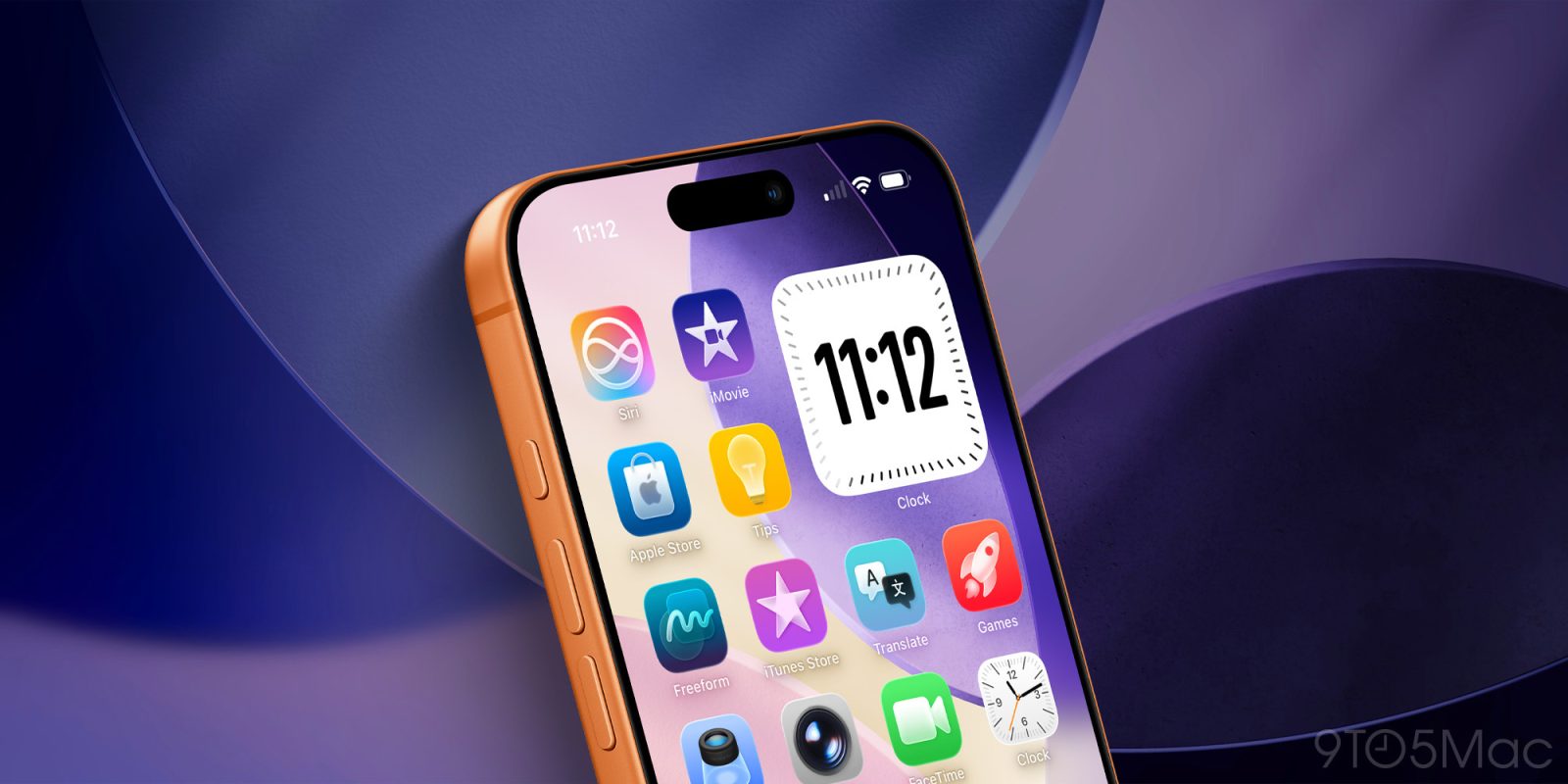
The decision to provide an "opt-out" mechanism is also a nod to user feedback. Critics have previously noted that Apple’s AI features in earlier iterations were sometimes "all-or-nothing" propositions. By providing granular controls, Apple is demonstrating a willingness to listen to the privacy-conscious segment of its user base that may be wary of handing over control to an LLM.
Implications: The Future of the Apple Ecosystem
The release of the standalone Siri app is not just an update to a voice assistant; it is a fundamental shift in how users will interact with the iPhone.
1. The Death of the "App-Centric" Model
If Siri becomes truly capable of executing tasks across apps—such as summarizing a document in one app, drafting an email in another, and scheduling a meeting in a third—the need for users to manually navigate multiple interfaces may decrease. This "agentic" capability threatens to change the fundamental relationship between the user and their screen.
2. The Competitive Landscape
By integrating Gemini, Apple is effectively neutralizing the advantage that Google and Microsoft have held in the AI space for the past two years. The combination of Apple’s massive installed hardware base and world-class software integration creates a "walled garden" that is now equipped with the same, if not better, AI capabilities as its rivals.
3. The Challenges Ahead
Despite the hype, the path forward is not without risks. The primary challenge remains "hallucinations"—the tendency of LLMs to generate incorrect information. Whether Apple’s implementation of Gemini can minimize these errors enough to be reliable for professional and personal use remains the "billion-dollar question." Furthermore, the company must ensure that the transition from the old Siri to the new app is seamless enough that non-technical users aren’t left feeling alienated by a completely different workflow.

4. Cultural Shift
Finally, the introduction of an ephemeral, chat-based assistant changes the culture of digital interaction. If users begin to rely on Siri as a repository for their ideas and data, the "auto-delete" feature becomes a vital tool for digital hygiene. It forces users to decide what is worth keeping and what is merely a passing thought, potentially changing how we archive our digital lives.
Conclusion
As we approach June 2026, the tech world is watching closely. Apple’s transition to a generative AI-powered Siri is more than just a software patch; it is a declaration that the company is prepared to evolve alongside the most disruptive technology of the decade. By blending the raw power of Google’s Gemini with the privacy-centric design philosophy that has defined Apple for decades, the company is positioning itself to lead the next generation of computing. Whether the reality matches the ambition will be determined the moment the first user asks, "Hey Siri, what can you do now?"









No comments yet. Be the first to join the conversation!