

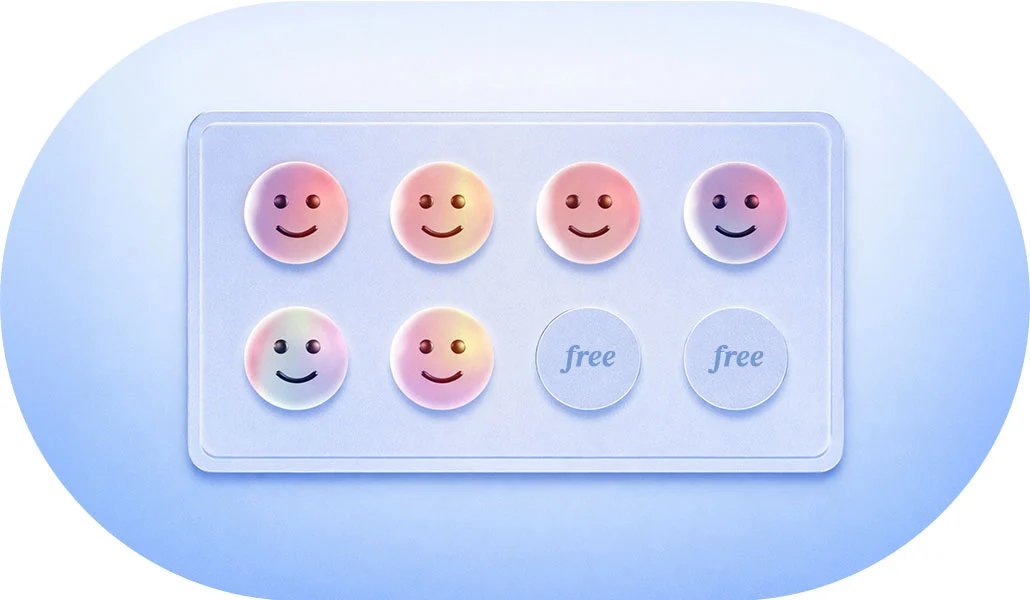
In the digital-first retail landscape, the traditional loyalty program—often defined by the relentless accumulation of points and transactional discounts—is undergoing a profound identity crisis. For years, brands relied on the simplicity of the "buy nine, get one free" model to drive repeat business. However, as consumer behavior shifts toward a preference for purpose-driven interactions and high-level data privacy, these legacy frameworks are increasingly viewed by shoppers as stale, transactional, and disconnected from their daily lives.
Sponsored by SheerID, this Unpacked guide explores why modern loyalty is no longer earned through rewards alone; it is built through relevance, transparency, and a sustained, lifecycle-oriented commitment to understanding customers.
The Personalization Paradox: Navigating Trust in the Data Age
Brands today are grappling with the "personalization paradox." On one hand, consumers expect hyper-relevant, tailored experiences that anticipate their needs before they even articulate them. On the other, they remain deeply skeptical of the data collection practices required to deliver such precision.
The tension is palpable. Modern shoppers want brands to "know" them, but only on their own terms. As skepticism regarding how personal information is stored and utilized continues to climb, retailers are finding that traditional data-gathering methods are falling short. According to recent industry surveys, more than half of consumers are now reluctant to share the data necessary for true personalization.
This environment has forced a strategic pivot: loyalty can no longer be treated as a standalone marketing silo. Instead, it must function as a lifecycle strategy, rooted in a transparent value exchange where the customer feels rewarded not just for their spending, but for their identity and their trust.
Chronology of a Shift: From Transactions to Relationships
Historically, loyalty programs were treated as tactical add-ons. A brand would launch a card or an app, offer a standard discount, and wait for the revenue to cycle through. It was a one-size-fits-all approach that treated every customer as a homogenous data point.
However, the rise of the digital-native shopper—particularly Gen Z—has accelerated the obsolescence of this model. Today’s consumers make decisions faster and with a greater sense of purpose. They view their personal data as a high-value asset, and they are no longer willing to trade it for generic, low-effort coupons.

"Consumers now recognize their data as a high-value asset," says Lara Compton, SheerID’s senior vice president of global marketing. "When brands offer stale, one-size-fits-all rewards in exchange for deep personal insights, the value exchange feels fundamentally imbalanced. A generic discount is no longer enough to balance the scales for their digital identity."
The Role of Permissioned Data: The New Gold Standard
If transactional history is the "what" of consumer behavior, permissioned data—or zero-party data—is the "who." By explicitly asking for information like occupation, student status, or community affiliation, brands move away from inferred, often inaccurate behavioral assumptions.
Verified data acts as a "loyalty currency." When a brand can confirm, with certainty, that a customer is a nurse, a student, or a veteran, they can offer benefits that feel earned and deeply relevant. This approach significantly lowers the cost of personalization. When data is shallow or inferred, the cost to reach the right audience skyrockets. Conversely, when brands utilize meaningful audience data, they can tailor messaging that resonates with specific life stages, resulting in higher engagement and lower churn.
Supporting Data: Why Verification is the Foundation of ROI
The shift toward identity-based marketing is supported by hard numbers. Research shows that 71% of consumers report greater loyalty to brands that provide exclusive offers based on meaningful attributes. Furthermore, when brands implement robust verification processes, they protect their margins against the rising tide of offer abuse.
Offer abuse is a silent drain on the retail bottom line, with some businesses reporting up to 2.2% of annual revenue lost to bad actors. Whether it is an ineligible customer sharing a discount code or an employee leaking internal offers, the financial impact is severe.
Manual verification—where teams review eligibility by hand—is too slow, while off-site verification creates "leaks" in the marketing funnel. By shifting to on-site verification, brands keep the consumer within their own digital ecosystem. This not only preserves the user experience but prevents more than $4 billion in potential reward-code theft across the industry, effectively securing the capital needed to reinvest in better customer experiences.
Official Responses: Insights from the Frontlines
The leadership at SheerID emphasizes that successful brands are those that treat loyalty as a cross-departmental, enterprise-wide strategy rather than a marketing tactic.
"Loyalty programs were built in a time where retailers saw them as a tactic rather than a strategy," Compton notes. "Companies didn’t fully understand the value of consumer data or the potential that loyalty programs offered for leveraging it. Today, brands need a more holistic strategy that articulates a unified vision for leveraging data more effectively throughout the company."
Christine Reyes, senior director of product marketing at SheerID, adds that the key to success is thinking about the audience holistically. "Consumers, particularly younger ones, want to be recognized as individuals who identify strongly with different communities or activities," she says. "Loyalty programs need to reward these aspects of their customers, and offer members experiences, not just discount codes."
Implications for the Future: Lifecycle Marketing as a Business Framework
The ultimate goal of this new approach is to weave loyalty into the fabric of the customer’s entire lifecycle. This means moving beyond the purchase moment to anticipate needs based on life changes.
Consider the educator segment. If a retailer knows a customer is a teacher, they can engage them in a cycle that matches the academic year: offering back-to-school savings in August, classroom supply tips in the winter, and celebratory rewards during Teacher Appreciation Week. This is not just "targeted marketing"; it is a form of customer service that demonstrates the brand understands the reality of that person’s life.
Breaking Down Internal Silos
For many enterprises, the greatest hurdle is internal. Loyalty data is often trapped in a CRM that doesn’t talk to the e-commerce platform or the marketing automation suite. To combat this, leaders must move away from department-specific metrics and adopt a company-wide commitment to data integrity.
"Change the view on loyalty," suggests Reyes. "Move the conversation away from loyalty as a side project. Show how these programs bring in the information every other department needs. If you look at the top players, the most profitable companies in any field already do this. Use their success to show skeptical bosses that this is the standard."
The Power of Experiential Loyalty
Beyond discounts, the most successful brands are integrating community-building. This includes:
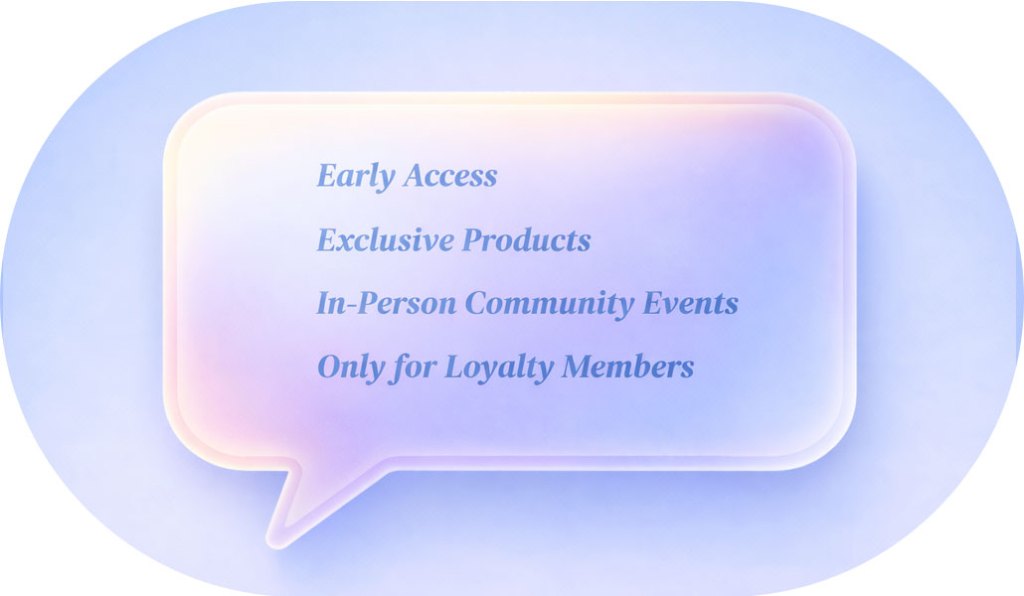
- Exclusive Access: Early entry to sales or product launches for verified community members.
- Community Events: Localized activations, like the "College Glow Up Tour" executed by Ulta Beauty, which turned a simple student discount into an immersive brand experience.
- Tailored Content: Educational or professional resources that provide utility beyond the transactional exchange.
Conclusion: The Path Forward
The evidence is clear: the era of the "points-only" loyalty program is fading. As acquisition costs rise and consumer privacy concerns become paramount, brands must pivot to a strategy of verified, permissioned, and lifecycle-driven engagement.
By utilizing platforms that allow for seamless, on-site verification, companies can transform their data from a static record of past purchases into a dynamic asset that informs every facet of the business. When brands stop treating their customers as anonymous wallets and start treating them as members of a community, they don’t just secure a sale—they secure a relationship.
As the industry moves into the next phase of digital retail, the brands that win will be those that view identity as the ultimate foundation for growth. It is time to stop discounting and start connecting, using data not as a tool for extraction, but as a bridge to long-term, sustainable loyalty.
About SheerID
SheerID is the leading global provider for permission-based verification and engaging high-value audiences. Its award-winning Audience Data Platform is trusted by the world’s most admired brands, including T-Mobile, Perplexity, and L.L. Bean. SheerID offers the only secure, enterprise-grade platform that connects brands with the right customers, limits offer abuse, and powers personalized marketing, driving loyalty and revenue. For more information, visit SheerID.com.











No comments yet. Be the first to join the conversation!