

In the crowded landscape of the 2020s, the "cozy game" has transitioned from a niche genre to a cultural pillar. Ever since Animal Crossing: New Horizons became the unexpected sanctuary for a world in lockdown, developers have been scrambling to capture that same lightning in a bottle. From the whimsical depths of Heartopia to the monster-collecting aspirations of Pokopia, the gaming industry is currently saturated with titles that owe a significant debt to Nintendo’s iconic life-sim formula.
Enter Petit Planet, the latest project from HoYoverse—the juggernaut developer behind the global sensations Genshin Impact and Honkai: Star Rail. As the studio enters its second beta test, the industry is watching closely. Petit Planet is, by all outward appearances, HoYoverse’s direct answer to the social simulation genre. While the game provides an undeniably polished, sci-fantasy aesthetic, it raises a fundamental question: in a market already teeming with established hits, does a game need to innovate to be successful, or is a familiar, high-fidelity coat of paint enough to win over a new generation?
The Anatomy of an Echo: Main Facts and Core Mechanics
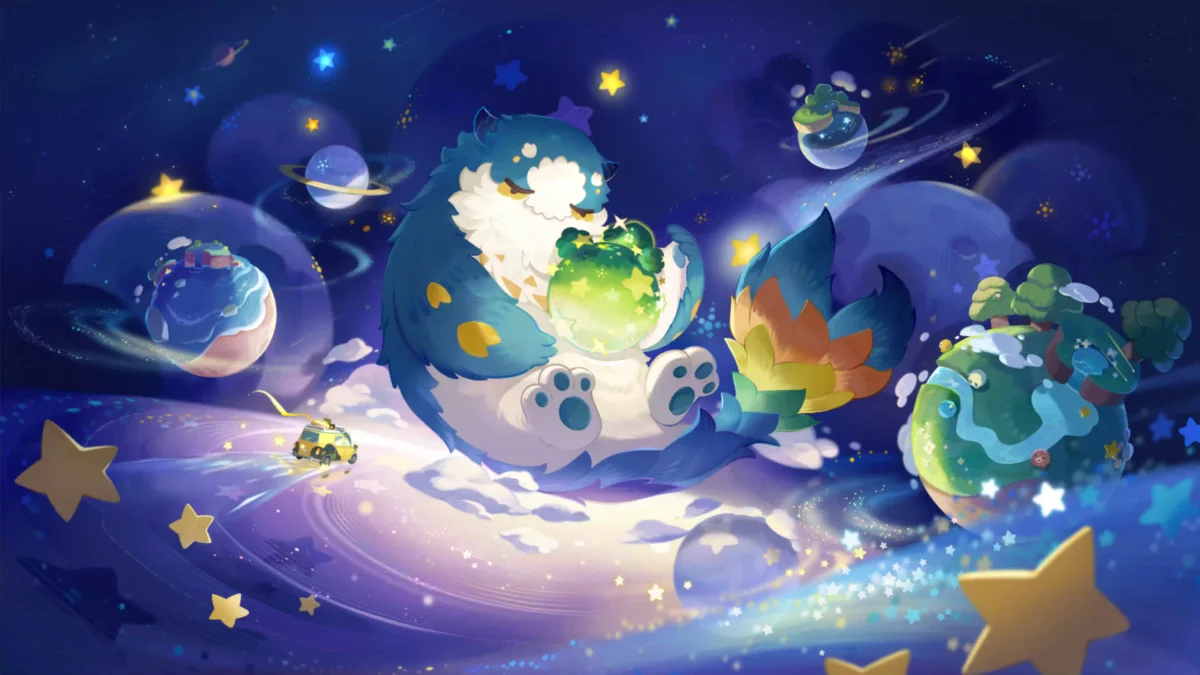
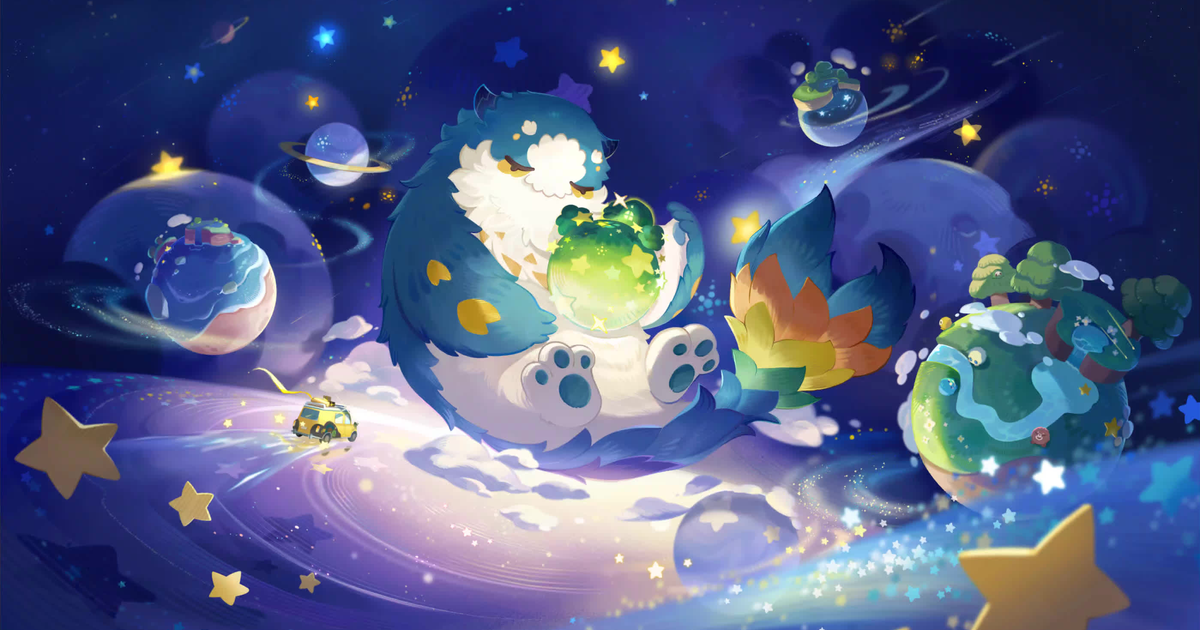
At its most basic level, Petit Planet is a quintessential social-simulation experience. Players find themselves on a miniature, gravity-defying planet in the vastness of space, tasked with terraforming, decorating, and socializing with a cast of anthropomorphic animal neighbors.
The core loop will be intimately familiar to any veteran of the genre:
- Resource Management: Players shake trees for fruit, harvest crops, and collect raw materials scattered across their spherical landscape.
- Cultural Curation: Insects and fish can be caught and donated to a museum-like collection managed by an erudite NPC, mirroring the role of Blathers in Animal Crossing.
- Social Connectivity: The game features a variety of NPCs with whom players can build relationships, participate in call-and-response minigames, and manage the infrastructure of their tiny settlements.
Despite the "sci-fantasy" setting—which replaces the traditional deserted island with a floating, celestial orb—the structural similarities to Animal Crossing are not merely coincidental; they are foundational. Where Genshin Impact managed to take the DNA of The Legend of Zelda: Breath of the Wild and evolve it into a distinct party-based action RPG, Petit Planet currently lacks that same sense of mechanical evolution. It offers a comfortable, relaxing experience, but one that feels like a polished reflection of a quarter-century of genre history rather than a reinvention of it.
A Chronology of Expectation: From Leak to Beta
The journey of Petit Planet began with industry whispers and concept leaks nearly two years ago. Even in its early, unpolished state, the comparison to Animal Crossing was immediate. HoYoverse, a studio known for its high-production values and massive marketing budgets, did little to shy away from these comparisons.

- Initial Reveal: Following the leaks, the community consensus was that HoYoverse was moving to diversify its portfolio. Having conquered the open-world RPG and turn-based strategy genres, the move into "cozy" territory was viewed as a strategic hedge against market saturation.
- Beta Phase 1: The first testing phase focused on the core traversal and aesthetic, confirming the game’s "chibi" art style and the unique spherical map design.
- Beta Phase 2 (Current): The second beta, which commenced on April 21, has expanded the scope, introducing more complex NPC interaction systems and social features. However, it has also brought the game’s most controversial element—generative AI—into the spotlight.
Supporting Data: The Competitive Landscape
To understand why Petit Planet faces an uphill battle, one must look at the current state of the market. The average player has a limited "time budget." Between the 900-hour commitment required for a seasoned New Horizons player and the active, real-time social dynamics of titles like Heartopia, the bar for entry is high.
- The Heartopia Factor: Released globally in January, Heartopia has already secured a foothold with its "playdough-y" aesthetic and a unique USP: every neighbor in your town is a real, human-controlled player. This multiplayer-first design gives it a distinct social edge that Petit Planet currently lacks.
- The "Six-Game" Dilemma: For enthusiasts of the genre, the fatigue of managing multiple "daily task" lists is real. Many players are already committed to five or six other life-sims. Petit Planet struggles to provide a "hook" that justifies the transition from a long-established island to a new, potentially fleeting, digital home.
Official Stance and the AI Controversy
The most significant point of contention regarding Petit Planet is its integration of generative AI. HoYoverse has been transparent about its usage, which, in a vacuum, is a step toward industry accountability. However, the implementation leaves much to be desired.
The game’s NPCs engage in "real-time" conversation, yet the quality of these interactions—often characterized by stiff, unnatural dialogue—feels like a regression to the standards of 20-year-old experimental indie games like Façade. Critics argue that deploying generative AI to simulate human conversation, while simultaneously ignoring the potential ethical and economic implications for creative professionals, is a poor trade-off for a product that fails to meaningfully improve upon the "wheel" of game design.

Furthermore, there is a "frustrating opacity" regarding the training data. While it is possible the models are utilizing in-house data, there is no verification. For a studio that pridefully emphasizes its "innovative" development pipeline, the use of AI in Petit Planet feels less like a technological leap and more like a cost-cutting shortcut that ironically undermines the "soul" of a genre defined by its warmth and human-like charm.
Implications for the Future: Children and Monetization
Perhaps the most curious aspect of Petit Planet is its explicit target audience: families. This is a departure for HoYoverse, a company whose previous successes were built on the "gacha" monetization model—a system that, while lucrative, is often criticized for its psychological pressure on adults.
Currently, the beta is remarkably free of the aggressive monetization one might expect from a HoYoverse title. Whether this is a permanent design choice or a temporary measure to make the game more palatable for a younger, family-oriented demographic remains to be seen. The implication, however, is clear: HoYoverse is attempting to capture a new, younger generation of players who may have never touched an Animal Crossing game.

If they succeed, they could corner the market on the next generation of social sims. If they fail, they risk alienating their core demographic while failing to gain traction with parents wary of the studio’s history with live-service monetization.
Final Assessment: A Modest Goal or a Missed Opportunity?
Petit Planet is, in many ways, a testament to HoYoverse’s versatility. It is a technically proficient, aesthetically pleasing, and functionally sound social simulator. It proves that the studio can step outside its comfort zone of action-heavy RPGs and deliver a product that is "perfectly competent."
However, for a studio that usually aims to define the state of the art, Petit Planet feels remarkably safe. It is a game that knows exactly what it wants to be: a comfortingly familiar playground for those who want a shiny new coat of paint on a classic experience. Whether that is enough to justify the attention and resources poured into it—and whether it can survive the scrutiny surrounding its AI usage—will be the defining story of its full release.

For now, Petit Planet remains a game that is easy to enjoy in the moment, but perhaps difficult to justify in the long term. It is a charming addition to the genre, but one that currently lacks the innovative spark required to truly set the world on fire.












No comments yet. Be the first to join the conversation!